Trump's FY2027 Budget
Trump's budget revives debate over Community Development Block Grant.
Model Diplomat3 min readNorth America

Trump’s New CDBG Push Pits Fiscal Hawks Against Mayors
Trump’s FY2027 budget revives a bid to kill CDBG, but Congress will decide whether local political muscle still beats White House austerity.
President Trump’s FY2027 budget has reopened a long-running fight over the Community Development Block Grant, with conservative critics urging Congress to abolish a HUD program they argue is outdated, wasteful, and badly targeted.[Congress should repeal this wasteful program - The Washington Post] CDBG now distributes about $3.3 billion for housing, services, and local revitalization; roughly 70 percent goes to entitlement communities and 30 percent to states for smaller jurisdictions.[
Congress should repeal this wasteful program - The Washington Post] Congress, not the White House, holds the leverage here: the administration can propose repeal, but appropriators and local governments decide whether a flexible stream of local money survives.
The real contest is over control
CDBG was created in 1974 to consolidate federal community-development aid, and its flexibility is exactly why it keeps attracting both defenders and critics.[Congress should repeal this wasteful program - The Washington Post] Fiscal hawks and OMB budget cutters see a grant vehicle that has drifted from poverty targeting and still allocates money through formulas critics say underweight current need.[
Congress should repeal this wasteful program - The Washington Post] Mayors, county executives, governors, and the lawmakers who represent them see something else: one of the few federal pots they can shape locally and point to directly at ribbon cuttings.
That is why this fight is bigger than one line item. In US Politics, the recurring pattern is familiar: Washington tries to centralize fiscal discipline, while local officials defend formula money that arrives with visibility and discretion. CDBG is valuable not only because of its size, but because it converts federal appropriations into local political capital.
Why repeal has failed before
This is also a rerun. Trump’s first budget blueprint in 2017 proposed eliminating CDBG as part of a broader $6 billion cut to HUD.[Trump budget asks for $6 billion in HUD cuts, drops development grants - The Washington Post] The administration is now revisiting a battle it did not settle the first time.
One reason is that lawmakers do not view CDBG only as an anti-poverty formula grant. Congress has repeatedly used the broader CDBG framework for disaster recovery, sending more than $3 billion after 9/11, $15 billion after Hurricane Sandy, and nearly $20 billion after Hurricanes Katrina, Rita, and Wilma.[Trump budget blueprint raises questions about disaster aid | CNN Politics] Even if the FY2027 debate is focused on the regular formula program, many members will be reluctant to dismantle a familiar HUD vehicle with a long emergency-recovery history.
What to watch next
The next real test is the appropriations process, where Congress will show whether it wants repeal, cosmetic reform, or another quiet retreat from the White House position. If lawmakers keep CDBG but tighten formulas or reporting, fiscal hawks can claim partial victory. If they preserve it largely intact, the winner is the local coalition — mayors, governors, and district-minded members of Congress — that has protected the program before. For the broader domestic backdrop, the United States budget fight is again showing the same hierarchy: presidents signal priorities; appropriators defend the money their constituencies can see.
Discover more
US Politics
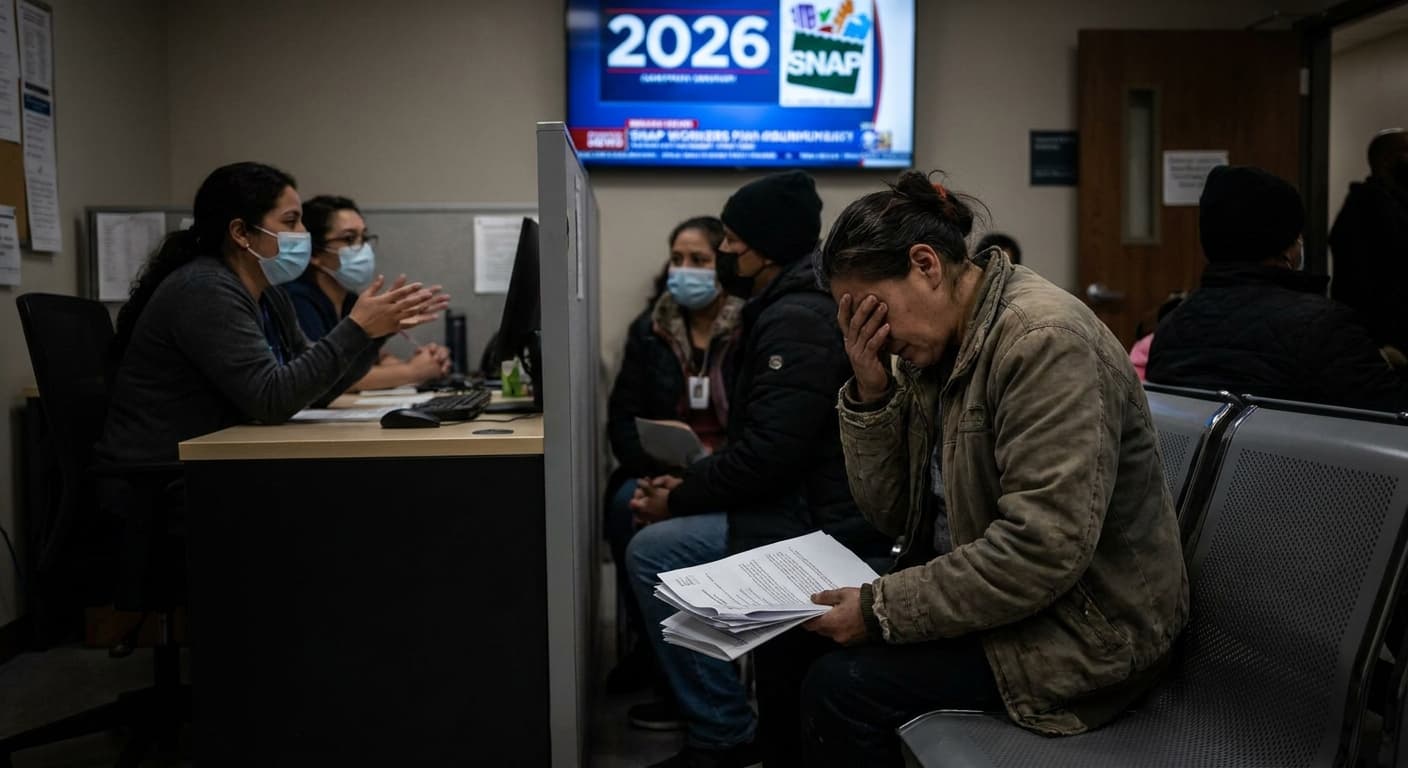
SNAP Food Assistance Faces Legal Challenges
In 2026, SNAP faces stricter eligibility rules and mounting legal challenges, threatening food assistance for the millions of Americans who rely on the program.

Conflict & Security
Drone Warfare Killing Aid Workers at Unprec
Over 1,000 humanitarian workers killed in three years as cheap armed drones collapse legal protections. Gaza, Sudan, Ukraine, and DRC see deliberate targeting of aid convoys and hospitals with zero prosecutions.

Global
World Normalises Taliban as Afghan Women Eras
UN data shows Afghan women erased from public life as Russia recognises the Taliban, EU hosts officials in Brussels, and ICC warrants for gender persecution go unenforced.
Conflict & Security
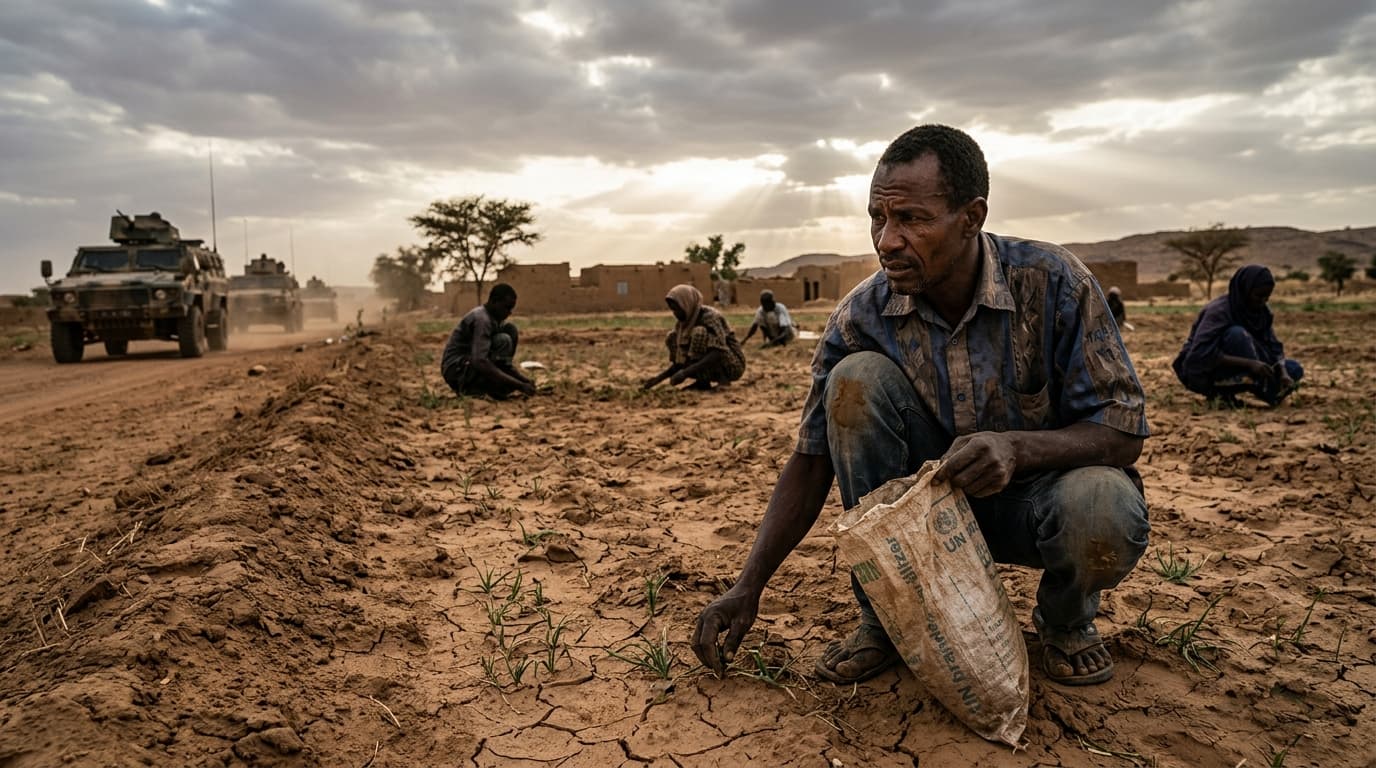
West Africa Food Crisis: Three Shocks in 2026
Conflict, climate extremes, and the Strait of Hormuz closure drive a severe food crisis in West and Central Africa, with fertilizer prices surging 80% and millions displaced.