Uttar Pradesh Government Drops Prepaid Meter
Akhilesh Yadav claims victory as prepaid meters are rolled back.
Model Diplomat2 min readAsia
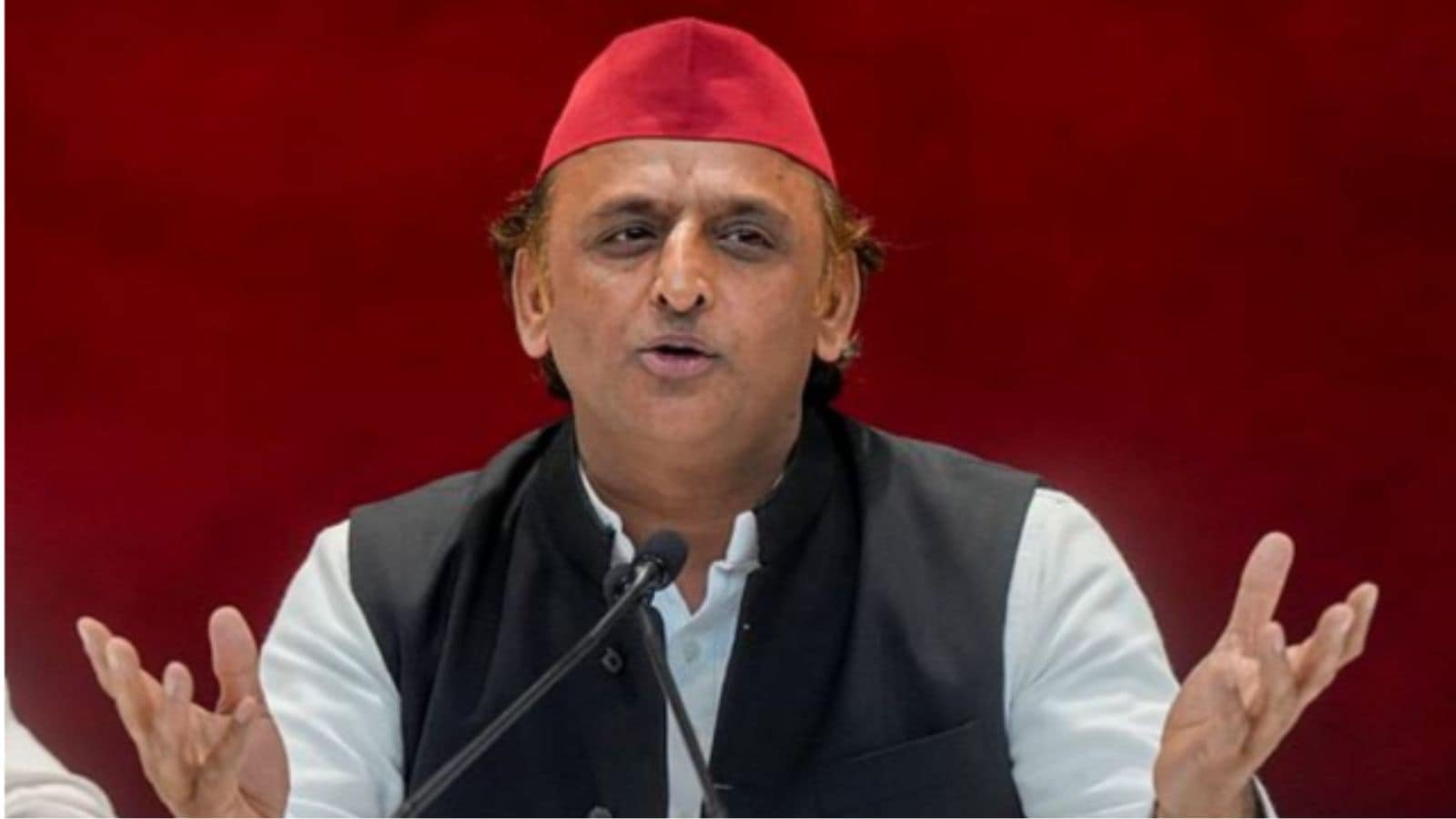
UP Retreats on Prepaid Meters as Akhilesh Claims Win
Lucknow’s meter rollback eases a politically toxic reform, but Uttar Pradesh still needs revenue—and the next fight is over discom control.
Akhilesh Yadav is treating the Uttar Pradesh government’s withdrawal of prepaid meters as proof that street pressure still works in the state’s power politics, and he is right about the leverage. The Samajwadi Party has turned a billing reform into a test of whether the BJP can push through costly utility changes without triggering rural backlash, while the state has signaled it would rather pause than widen the protest. Indian Express
Why this matters
Prepaid and smart meters are not just a technology story; they are a cash-flow fight. Uttar Pradesh’s power utilities are under pressure to cut losses, improve collections, and modernize aging distribution networks, which is why New Delhi has been pushing discom reform and even tying support to tougher restructuring. Reuters reported in 2025 that the Centre was considering a large bailout for state distributors, with privatization or stock-market listing as part of the deal structure, underscoring how badly the sector needs money. Reuters
That makes the rollback politically costly for the BJP but operationally convenient for its opponents. Akhilesh gains a clean narrative: he can claim he forced the government to retreat on a household charge that many voters associate with tighter payment discipline and eventual disconnection. The SP’s warning of a “fresh stir” if demands are not met is a signal that the party intends to keep power reform in the public domain, not let it remain a technical file inside the Uttar Pradesh Power Corporation. Indian Express
The political trade-off
The BJP’s problem is that it is fighting on two fronts. On one side, the Centre insists pre-paid meters are not mandatory and frames them as a tool for serial defaulters. On the other, state-level implementation in Uttar Pradesh has already triggered employee protests and consumer suspicion, making the reform look less like efficiency and more like a prelude to stricter billing and possible privatization. The Hindu
The Hindu
That broader context matters because Uttar Pradesh has already seen the scale and politics of smart-meter contracting. A major 2025 tender for roughly 7.5 million smart meters, estimated at ₹5,400 crore, was scrapped, showing how quickly procurement can become politically radioactive in the state. The Hindu
What to watch next
The next decision point is whether Lucknow replaces the withdrawn prepaid-meter plan with a slower, softer smart-meter rollout or revives it under a different label. Watch the state government’s formal order, the response from power employees’ unions, and whether the BJP tries to reframe the issue as anti-defaulter reform rather than household cost. If the SP can keep this alive through the next round of utility decisions, it will have turned a billing dispute into a broader challenge to the government’s reform agenda. For more, see India and
Global Politics.
Discover more
India
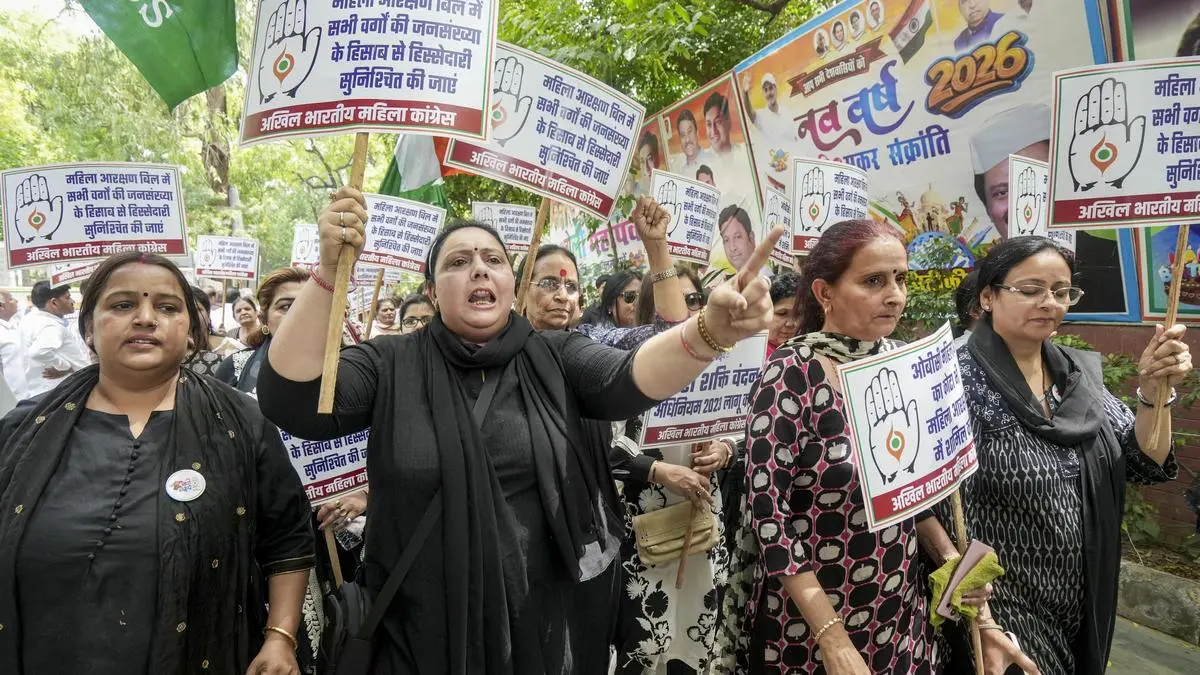
BJP's Misunderstanding of Women's Quota Needs
The BJP's linkage of the Women Reservation Bill to delimitation risks delaying women's empowerment in India, misreading their political needs.
India
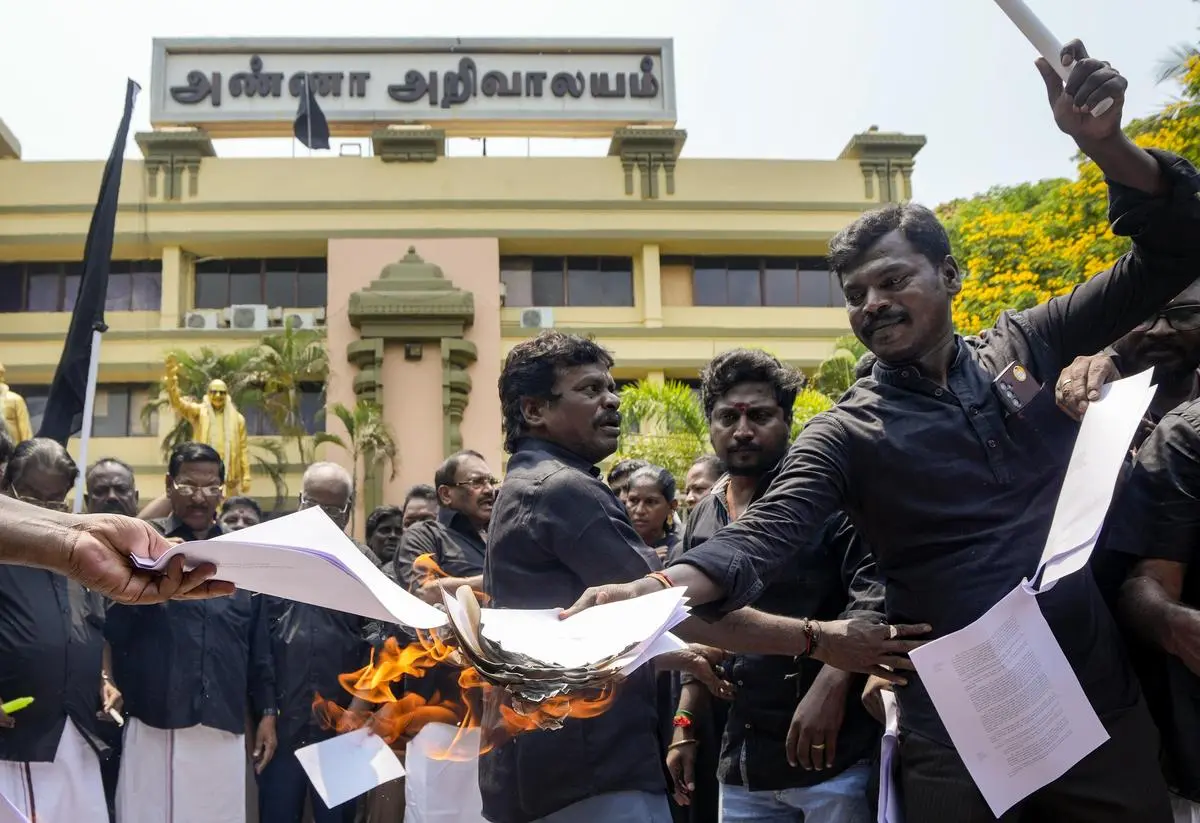
Women’s Reservation Bill 2026
The Women’s Reservation Bill's defeat reveals a deeper battle over delimitation, impacting India's electoral landscape and gender representation.
Global Politics
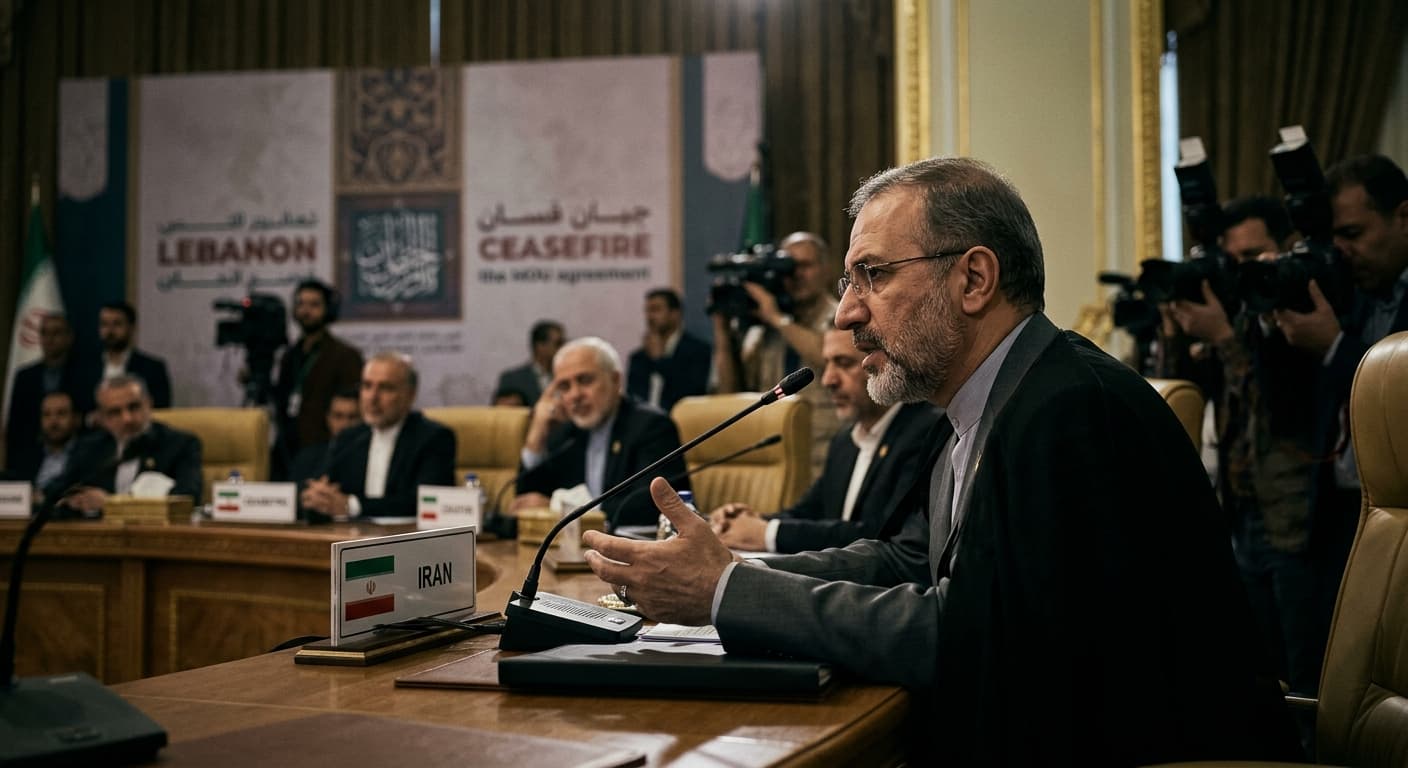
Iran Demands US Enforce Ceasefire
Iran insists the US must enforce a ceasefire in Lebanon to uphold the MoU.
India
India Takes Vice-Presidency at FATF
India's Vivek Aggarwal becomes FATF vice president, paving the way for future leadership.