Havering and Hackney's Divergent Votes
Reform and Greens claim victory in contrasting boroughs.
Model Diplomat3 min readEurope
Havering and Hackney Split London’s Anti-Status-Quo Vote
Reform took Havering; Greens won Hackney. London voters rejected the old order, but each borough is demanding a different kind of change.
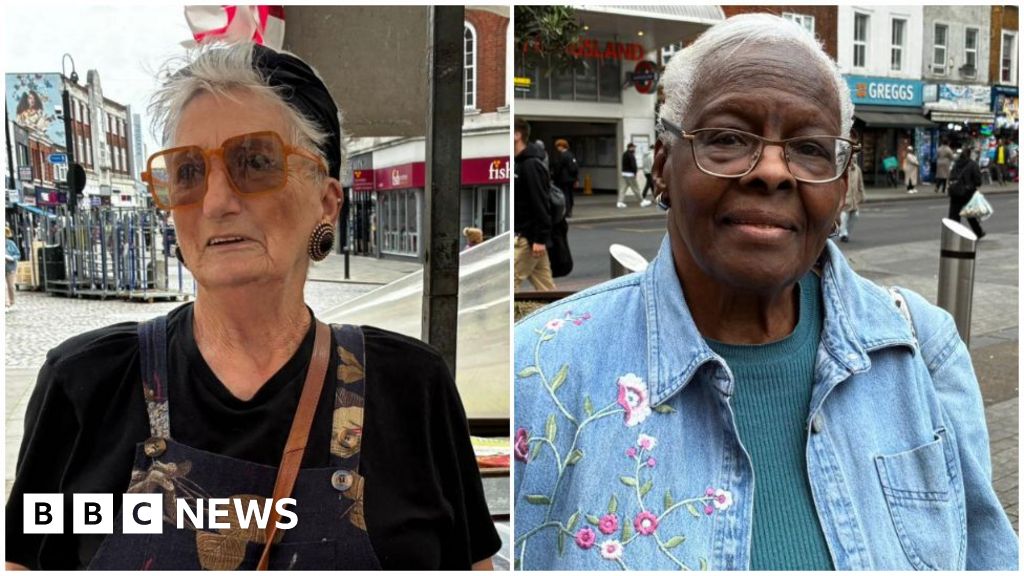
Reform UK and the Greens are drawing opposite lessons from the same election night. In Havering, Reform took control of its first London council, overturning the residents’ association administration in a borough where voters told the BBC they wanted money spent locally and were fed up with the main parties (BBC). In Hackney, Zoë Garbett became the Green Party’s first directly elected mayor and the party won a majority on the council, ending Labour’s long hold on borough power (
BBC;
Hackney Citizen).
Two boroughs, two very different mandates
The power dynamic is straightforward: voters in both places used local elections to punish incumbents, but they did not converge on the same replacement. In Havering, the grievance politics was sharper — immigration, identity, and visible neglect of local amenities featured heavily in reactions from Romford, while one supporter said the town needed spending after years of promises on the market and little delivery (BBC). In Hackney, the Green surge came off a different coalition: younger voters, housing pressure, cycling and public space, and a sense that Labour had become too comfortable in a borough it had dominated for years (
BBC;
BBC).
That split matters because it shows the anti-incumbent vote is now ideologically unbundled. Reform is benefiting from anger that is national, cultural and identity-driven. The Greens are benefiting from a localism built around services, affordability and urban quality of life. For a broader read on the national backdrop, see Global Politics.
What this says about London politics
Hackney’s result is more than a symbolic Green breakthrough. The party now has a mayor and council majority in one of London’s most prominent inner-city boroughs, and the seat tally reported by the Hackney Citizen suggests the win was broad enough to govern, not just protest. That gives the Greens something they have long lacked in London: a live example of executive control in a dense, diverse borough where service delivery is visible and politically unforgiving.
Havering tells the other half of the story. Reform’s gain in a borough on London’s outer edge is a warning to Labour and the Conservatives that dissatisfaction is no longer being channelled only into abstention or protest at Westminster elections. It is translating into control of councils, budgets and planning decisions. For Labour, that is the immediate loss: it cannot assume that the capital’s wards will automatically stay inside its coalition. For the Conservatives, it is worse — they are losing ground to both flanks, with Reform eating into their outer-suburban support and the Greens consolidating progressive urban voters (BBC).
What to watch next
The first test is not rhetoric but administration. In Havering, watch whether Reform can turn culture-war anger into competent local spending and visible repairs to services. In Hackney, watch whether the Greens can convert a mayoralty and council majority into delivery on housing, roads and public space without being dragged into national Green messaging. The next political signal will come from the first budgets and cabinet choices in both boroughs — and from whether these two very different “change” mandates hold up once voters judge performance, not protest.
Discover more

India
Romanian Coalition Party Demands PM Resign
Romania's PSD demands PM Ciolacu's resignation, risking a political crisis and economic instability. Will the coalition hold?
India
Women’s Reservation Bill 2026
The Women’s Reservation Bill's defeat reveals a deeper battle over delimitation, impacting India's electoral landscape and gender representation.

Global Politics
Iran Releases $12B Frozen Assets Deal
Iran secures $12 billion in frozen assets as US lifts oil sanctions under new deal.

India
India-UK Trade Pact Removes Tariffs on 99%
India's trade pact with the UK eliminates tariffs on 99% of exports, but execution risks loom.