Women’s Reservation Bill
India's pivotal bill for women's political representation faces vote.
Model Diplomat3 min readIndia

Women’s Reservation Bill Faces Crucial Parliament Vote Today
India’s landmark 2023 bill to reserve one-third of Lok Sabha and state assembly seats for women hits a pivotal moment in Parliament.
The Women’s Reservation Bill, formally known as the Nari Shakti Vandan ABC Adhiniyam, is set for a key parliamentary test today. It proposes reserving 33% of seats in the Lok Sabha (lower house of Parliament) and all state legislative assemblies for women candidates. This bill, a long-standing demand of women’s rights advocates and gender equality campaigners, aims to dramatically increase women’s political representation in India.
Why This Bill Matters
India currently ranks 145th out of 193 countries on the World Economic Forum’s Global Gender Gap Report for political empowerment. Women hold roughly 14% of Lok Sabha seats as of 2026, a figure that has changed little for decades. The bill’s 33% quota would more than double women’s presence, potentially shifting the political landscape.
The bill is first introduced in 2023 but faces long-standing hurdles. Earlier attempts in 2010 and before failed amid political opposition and concerns about reservations diluting merit or complicating party dynamics. This latest iteration builds on renewed momentum from the current political climate emphasizing gender equality. It aligns with global trends pushing for more inclusive governance structures.
Notably, the bill excludes reservations in the Rajya Sabha (upper house), limiting the scope to directly elected bodies. This indicates a strategic approach to secure passage without broader institutional resistance.
Critics argue the quota approach risks tokenism or undermines voter choice, while supporters highlight that structural barriers have long precluded women’s political advancement. The proposed measure fits within India’s affirmative action framework, already familiar from caste-based reservations.
Political and Social Implications
If passed, the bill could reshape the policy agenda, prioritizing issues such as women’s rights, healthcare, education, and social welfare more aggressively. Research indicates women legislators tend to prioritize local development and transparency, which may improve governance outcomes.
The bill’s fate today will signal whether India’s Parliament embraces a transformative approach or defaults to political inertia on gender issues. Key parties’ positions will be scrutinized: ruling coalition support is critical, yet some regional parties may resist due to local political calculations.
This vote also tests India’s broader commitment to the UN Sustainable Development Goals, which include gender equality targets. The bill’s passage might inspire similar measures in other sectors or kickstart a long-overdue debate on political democratization.
What to Watch Next
- The parliamentary vote itself: Will the bill clear the Lok Sabha, and soon after, state assemblies?
- Party alignments and coalition dynamics during debate, especially any last-minute amendments.
- Civil society and women’s groups’ mobilization and advocacy intensity.
- State-level responses, as local assemblies will have to adopt corresponding reservations.
- Long-term political impacts—if passed, will women politicians receive party backing and resources to compete effectively?
For tracking the bill and its political journey, see the India political landscape and
Global Politics pages.
This moment—the test day in Parliament—could mark a historic advance for India’s democracy or a repeat of stalled reforms on gender equity. The stakes go beyond politics: they speak to how India envisions its inclusive future.
Hindustan Times: Women’s Reservation Bill to Face Parliament Test Today
Discover more
India
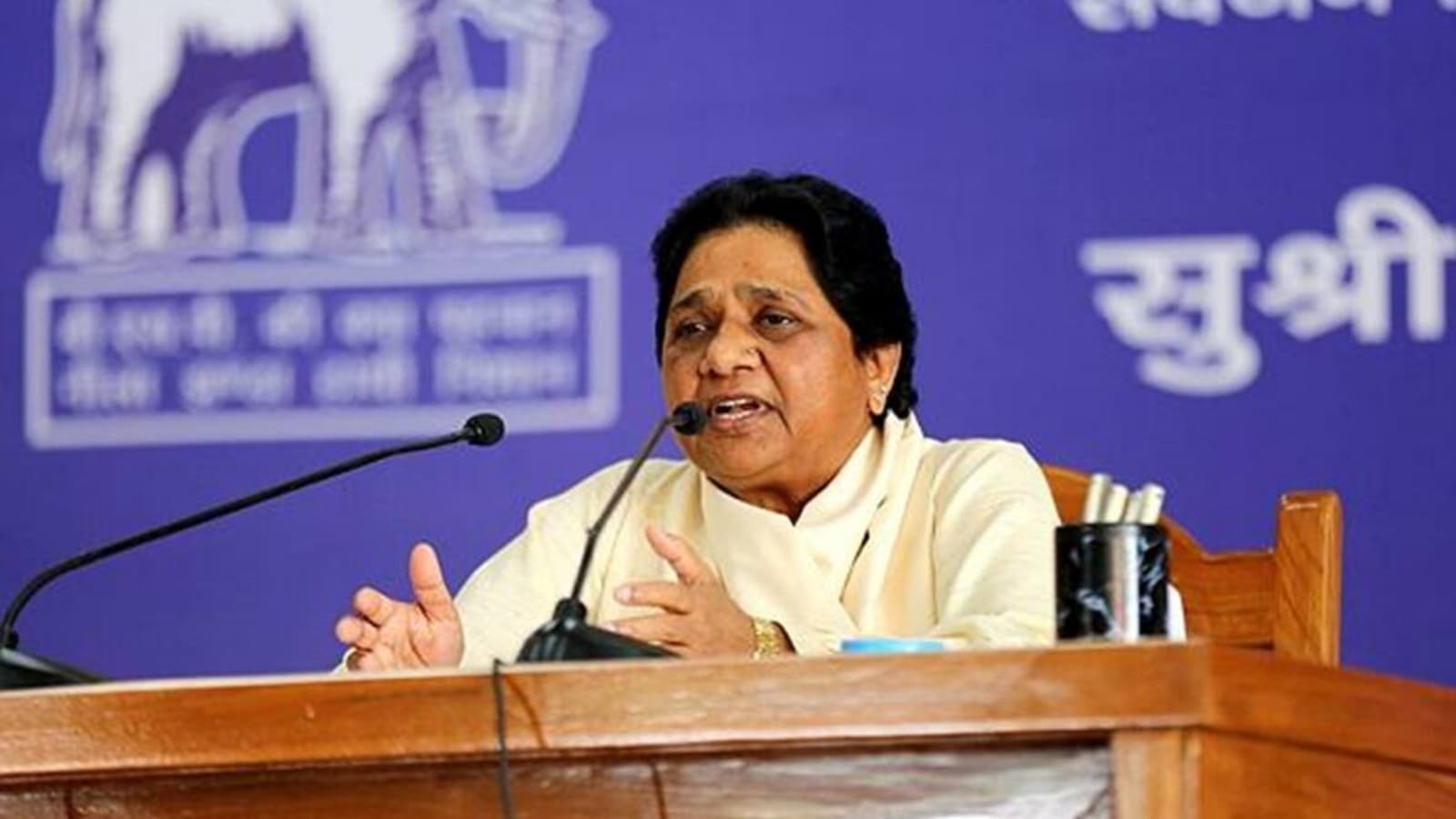
Former Leaders Endorse Women's Reservation
Pratibha Patil, Meira Kumar, and Mayawati backed the 33% Women's Reservation Bill, uniting behind a push to expand women's political representation in India.
India
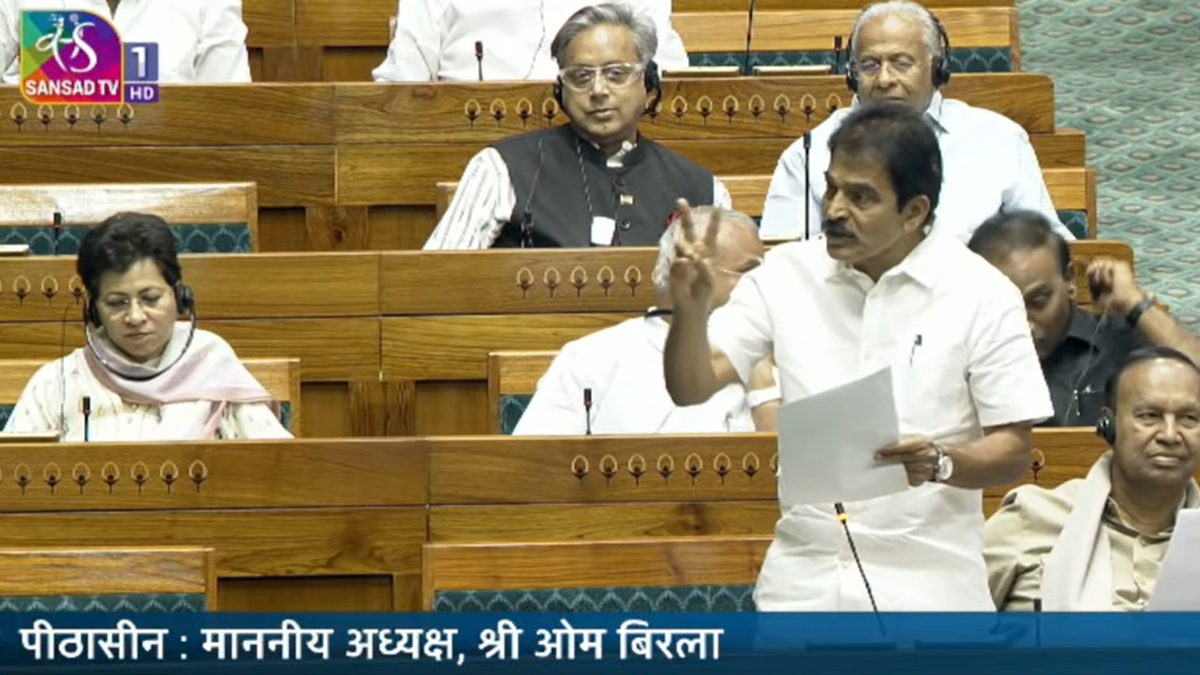
BJP's Women's Reservation Bill Controversy
The BJP faces backlash over the Women's Reservation Bill as the DMK accuses it of political exploitation during a heated and pivotal Lok Sabha session in Delhi.
India
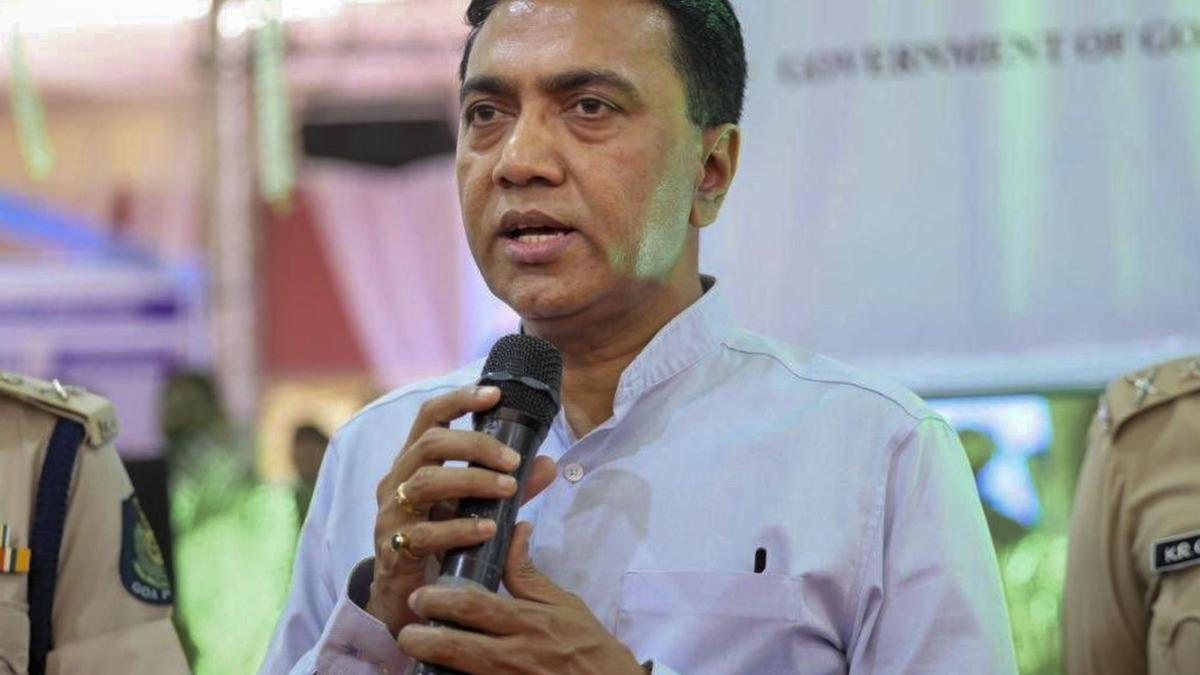
Goa CM Pramod Sawant Supports Women's Quota
Goa Chief Minister Pramod Sawant backs the Women's Reservation Act, voicing support for gender equality and greater representation for women in Indian politics.

Conflict & Security
Drone Warfare Killing Aid Workers at Unprec
Over 1,000 humanitarian workers killed in three years as cheap armed drones collapse legal protections. Gaza, Sudan, Ukraine, and DRC see deliberate targeting of aid convoys and hospitals with zero prosecutions.