Goa CM Pramod Sawant Supports Women's Quota
Sawant endorses 33% women’s quota in legislative bodies
Model Diplomat3 min readGoa
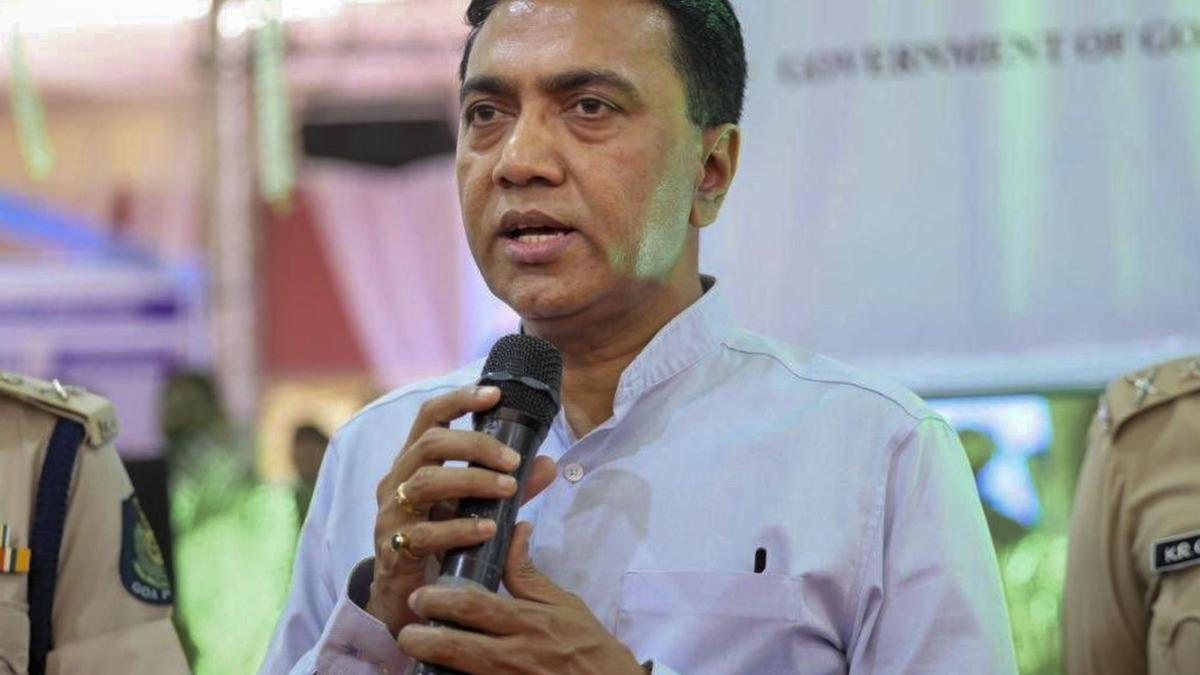
Goa CM Pramod Sawant Backs Women’s Reservation Act, Open to His Seat Being Reserved
Goa’s Chief Minister Pramod Sawant publicly endorses a 33% quota for women in legislative bodies, signaling rare political enthusiasm for women’s reservation in India.
Goa Chief Minister Pramod Sawant went beyond typical political caution on April 16, 2026, when he expressed strong support for the Women’s Reservation Act during a "Town Hall of Women" event. Sawant openly stated he would not mind if his own legislative assembly seat were reserved for women under the proposed act, which seeks to constitutionally reserve 33% of seats for women in all legislative bodies across India The Hindu.
Context: The Long Road for Women’s Reservation in India
The Women’s Reservation Bill, or Women’s Reservation Act, has been a perennial topic in Indian politics since the 1990s but has faced numerous legislative hurdles and political resistance. It proposes reserving one-third of seats in the Lok Sabha (lower house of Parliament) and all state legislative assemblies for women to address deeply rooted gender inequality in political representation.
Despite widespread support from civil society and women’s groups, the bill has repeatedly stalled in Parliament, due largely to hesitance from powerful political parties wary of losing their entrenched male vote bases or ceding seats to women candidates. As of April 2026, only a handful of states have implemented some form of women’s reservation at local government levels, but national-level adoption remains elusive.
Against this backdrop, Sawant’s vocal endorsement and personal willingness to step aside for a woman candidate is significant. It marks a rare case of a sitting Chief Minister—in this case from Goa, a small but politically vibrant state—publicly embracing the idea. Such an endorsement can generate momentum amid growing national debates on gender parity and political reforms. For detailed India political dynamics, see India Country Profile.
Why Sawant’s Statement Matters
Sawant’s comments could recalibrate political calculations around women’s reservation in several ways:
-
Breaking the Stigma: Most political leaders avoid committing publicly to potential seat reservations, as it implies personal political loss. Sawant’s openness challenges this norm, potentially encouraging other politicians to be more forthright.
-
Setting a Benchmark: Goa’s small but symbolic electorate means that Sawant’s stance could be leveraged by women’s rights activists to push other regional players and national parties to take the bill seriously again.
-
Political Messaging: By advocating for women’s quotas while still in power, Sawant could strengthen the Bharatiya Janata Party’s (BJP) image on gender inclusion, expanding the party's appeal to women voters ahead of upcoming state and national elections.
-
Mobilizing Support: The “Town Hall of Women” platform where this was announced underscores a growing appetite among female voters and activists for institutional reforms, signaling to legislators that public backing is building.
What to Watch Next
The immediate question is whether Sawant’s endorsement translates into momentum for the Women’s Reservation Act in Parliament. The BJP, which governs at the national level, has previously been cautious on this issue, balancing political interests and social progress demands. Monitoring intra-party debates and any moves to reintroduce the bill in the Lok Sabha this year will be key.
Additionally, watch for regional leaders in politically significant states to either align with Goa’s example or resist, as their reactions will shape the bill’s prospects. Voting patterns and women’s mobilization in Goa’s next assembly elections will also test whether such explicit endorsements resonate with voters.
Finally, international observers and comparative politics experts will note India’s progress on gender quotas against global trends where women’s reserved legislative seats have demonstrably improved policy responsiveness to women’s issues—a parallel India seems poised to finally embrace.
Sawant’s statement is more than symbolic; it could mark a pivot in a long-stalled effort to rewrite India’s political playbook on gender. For broader geopolitical and social politics, see Global Politics.
Sources:
Wont mind even if my own seat is reserved for women: Goa CM Sawant, The Hindu, April 16, 2026
https://www.thehindu.com/news/national/goa/wont-mind-even-if-my-own-seat-is-reserved-for-women-goa-cm-sawant/article70864821.ece
Discover more
India
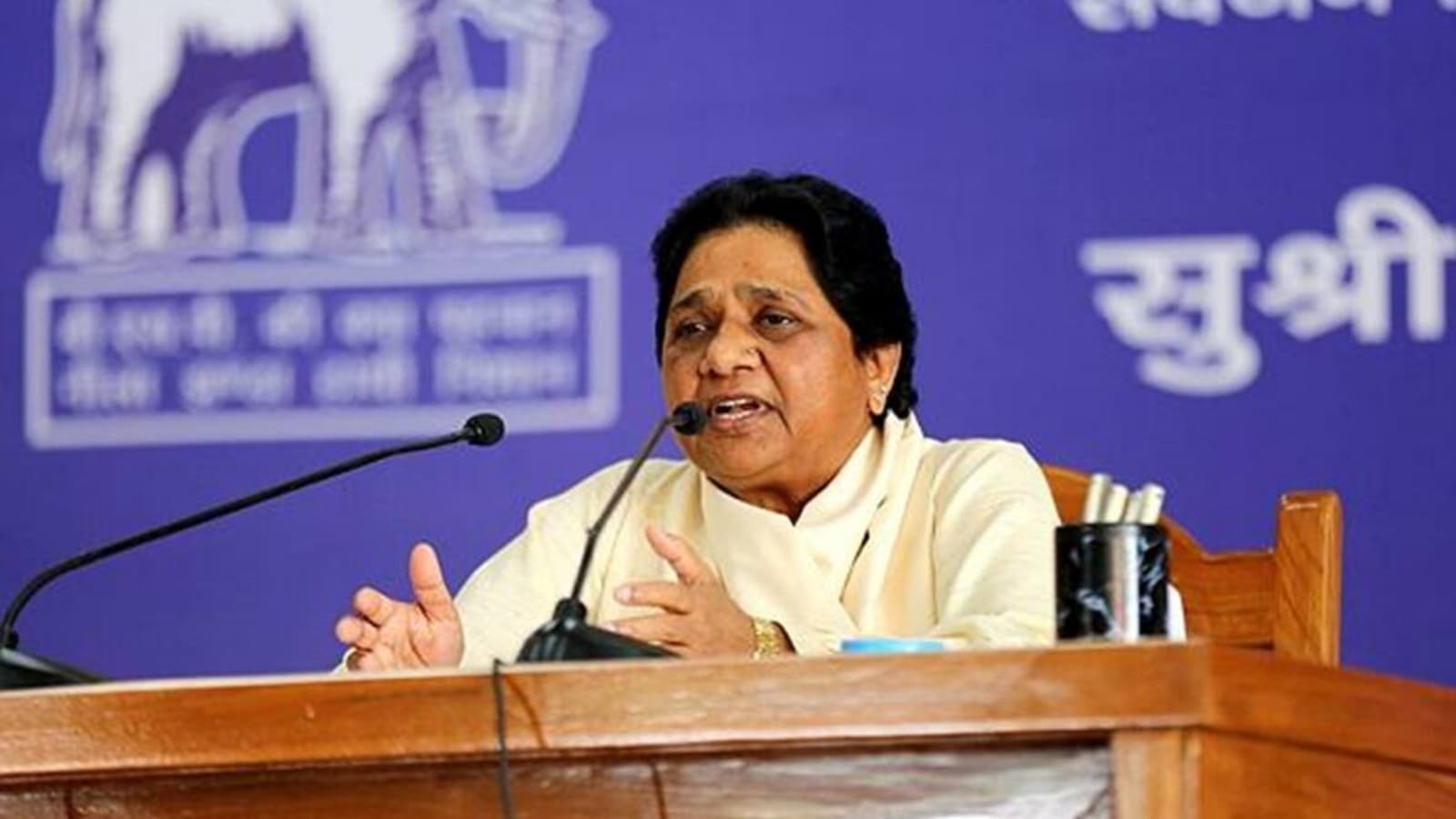
Former Leaders Endorse Women's Reservation
Pratibha Patil, Meira Kumar, and Mayawati backed the 33% Women's Reservation Bill, uniting behind a push to expand women's political representation in India.
India
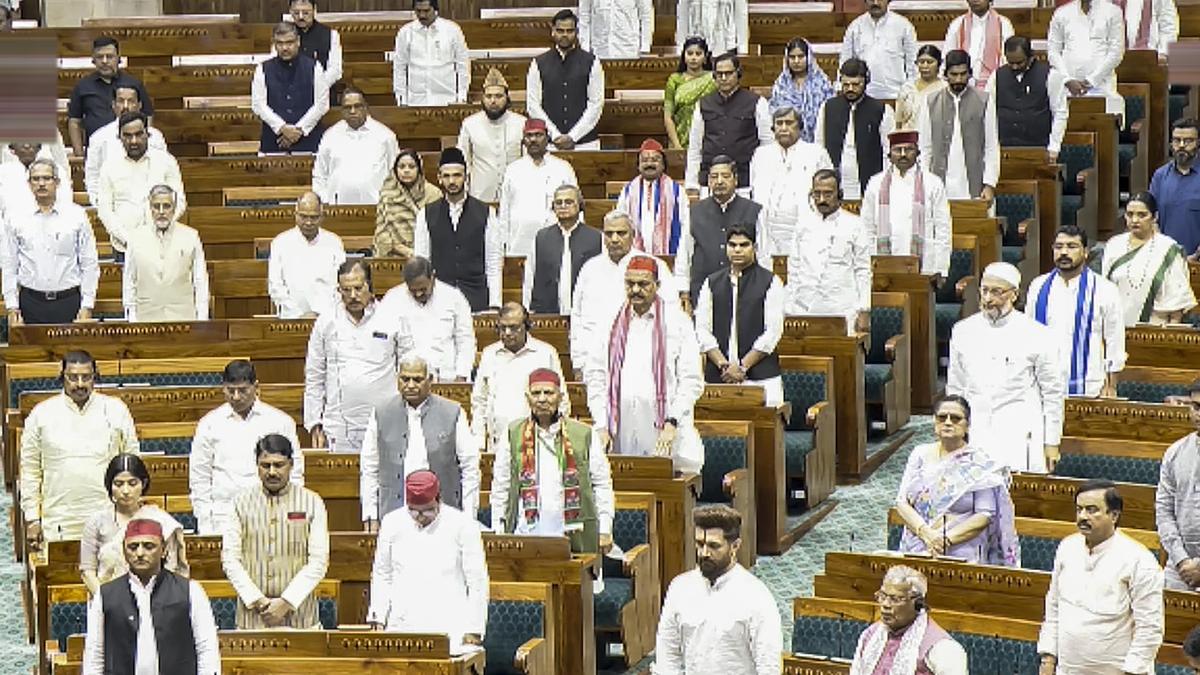
India's 131st Amendment Bill
The Lok Sabha passed the 131st Amendment Bill, clearing a path for a 33% women's reservation in Parliament by 2029 and breaking a two-decade-long impasse.
India
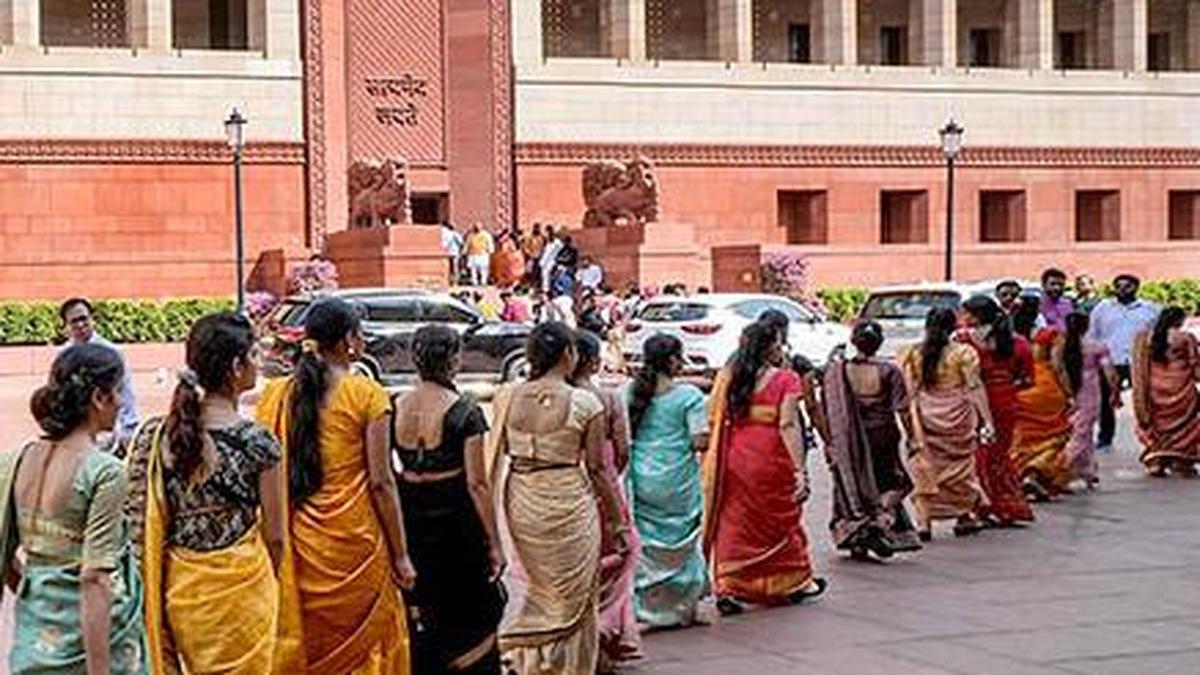
India's 33% Women’s Reservation Bill
India's Lok Sabha debated a historic bill reserving 33% of seats for women, a measure aimed at transforming representation and advancing gender equity.

Conflict & Security
Drone Warfare Killing Aid Workers at Unprec
Over 1,000 humanitarian workers killed in three years as cheap armed drones collapse legal protections. Gaza, Sudan, Ukraine, and DRC see deliberate targeting of aid convoys and hospitals with zero prosecutions.