Women’s Reservation Bill Fails in Lok Sabha
Modi's first constitutional amendment defeat
Model Diplomat8 min readIndia
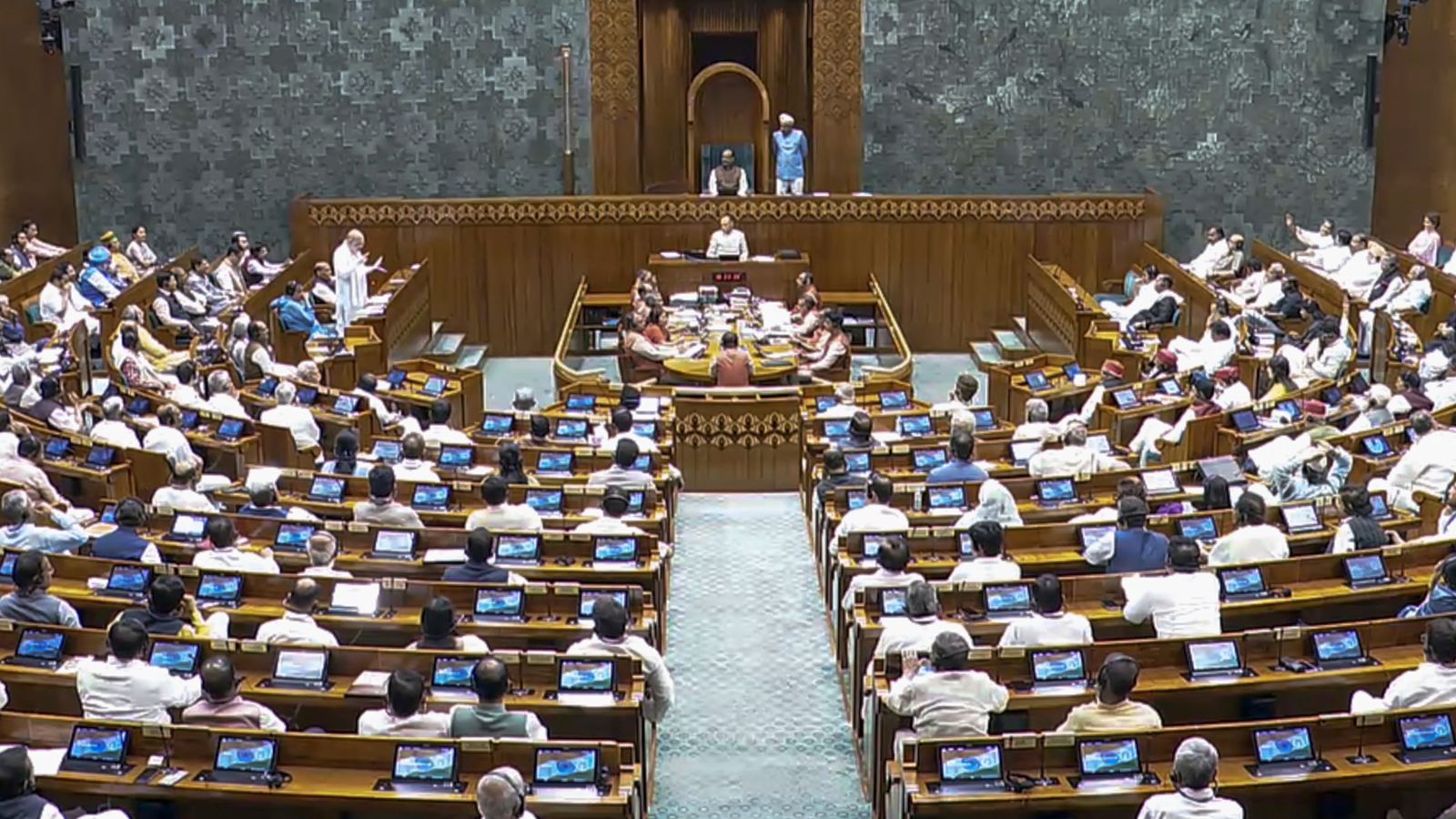
Women's Reservation Bill Fails in Lok Sabha: Modi's First Defeat
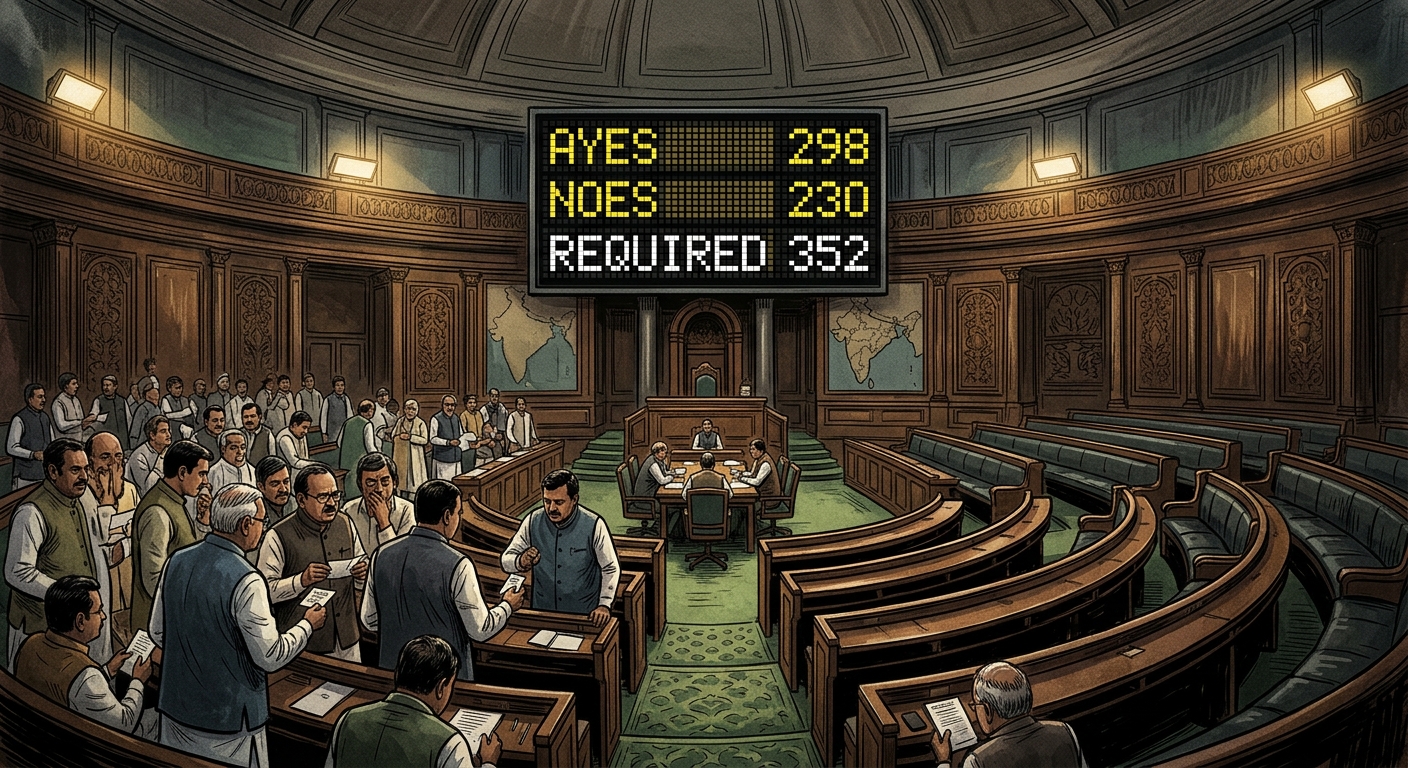
The Constitution (131st Amendment) Bill fell 54 votes short in the Lok Sabha on April 17, 2026 — Prime Minister Narendra Modi's first constitutional-amendment defeat in 12 years, and a decisive federalism verdict from India's south.
The 33% women's quota did not die in the Lok Sabha on April 17, 2026 — delimitation did. The Constitution (One Hundred and Thirty-First Amendment) Bill, 2026 was defeated 298–230, a full 54 votes shy of the 352 needed under Article 368(2), because the Modi government tried to smuggle a once-in-a-generation redraw of the electoral map — one that would shift 15 to 26 Lok Sabha seats from south to north — inside a gender-reform envelope. The opposition called the bluff. That makes this the first Modi-era constitutional amendment to fail a floor vote, and the real winners are Tamil Nadu, Kerala and the principle that gender quotas cannot be used as a delivery vehicle for demographic reapportionment.
What actually happened on the floor
The bill was one of three introduced during a special session of Parliament between April 16 and 18, 2026. Home Minister Amit Shah moved it after a two-day debate; the division bell rang late on Friday, April 17. According to the Press Information Bureau, "the Constitution (One Hundred and Thirty-First Amendment) Bill, 2026 could not have the required majority as per Article 368(2) of the Constitution of India on its motion for consideration," and the two companion bills — the Delimitation Bill, 2026 and the Union Territories Laws (Amendment) Bill, 2026 — "were not proceeded further."
The NDA holds 293 seats in the current Lok Sabha; a two-thirds majority of those present and voting worked out to roughly 352 votes, as Al Jazeera calculated ahead of the session. The government had banked on picking up 60-plus votes from regional parties and Congress dissenters. It got none. The Congress, DMK, Trinamool Congress and Samajwadi Party whipped their MPs to vote no, and the CPI(M)'s John Brittas told the BBC his party would back "33% seats for women based on the current strength of parliament" but not "the haste in convening this session in the middle of an election season," according to
the BBC's April 16 report.
Cornered, Amit Shah offered a late concession in his closing reply — the government, he said, was willing to add a "proportionate 50% increase in the number of seats in each state," according to the NUS Institute of South Asian Studies. It was a formula the draft bill did not explicitly contain, and it arrived too late to move a single opposition vote. Shah then went on the offensive, posting on X that "Congress, TMC, DMK and Samajwadi Party did not let the bill pass" and accusing them of denying Indian women "the 33% reservation that was their right," as
BBC Hindi recorded verbatim.
Modi himself struck a rare note of contrition. Addressing the nation on April 18, he "sought apology" from India's women for failing to deliver and warned that the opposition had committed a "sin" for which "they will surely be punished," in the words of BBC Hindi's read-out of his speech. That framing tells you where the government has already moved: from legislating to campaigning.
The trap inside the bill
The women's quota itself is not new. The Constitution (One Hundred and Sixth Amendment) Act, 2023 — the Nari Shakti Vandan Adhiniyam — was passed almost unanimously three years ago (454–2 in the Lok Sabha), and it came into force on April 16, 2026 via a Ministry of Law gazette notification, according to reporting by BBC Hindi. The text of that Act,
published by PRS Legislative Research, booby-trapped its own implementation: the reservation could not begin until "an exercise of delimitation is undertaken… on the basis of the figures of the first Census taken after commencement" of the Act. No census, no delimitation; no delimitation, no quota.
The 131st Amendment tried to defuse that trap by two changes. First, it shifted the anchor from a future census to "the last preceding census the relevant figures of which have been published" — meaning the 2011 census, as summarised in the PRS text of the bill. Second, its companion Delimitation Bill would have raised the constitutional cap on the Lok Sabha from 550 to 850 seats. Women's reservation, in other words, was to ride on top of a 300-seat expansion of Parliament — the largest reallocation of India's political geography since 1976.
That is where the arithmetic became explosive. A Carnegie Endowment analysis published in May 2026, Delimitation After Defeat, calculated that a pure 2011-based reapportionment would move 26 seats between states: Uttar Pradesh, Bihar and Rajasthan gaining 19; Kerala, Tamil Nadu and Andhra Pradesh losing 15. Using 2026 population projections, the swing widens to 36 seats — with the five southern states losing 27 collectively. A separate estimate by the
Takshashila Institution put the north-south delta at 22 gains against 17 losses, and noted that a Bihar MP already represents roughly 3.1 million citizens versus 1.75 million in Kerala — a textbook malapportionment problem that the freeze since 1973 has left festering.
Even in the "no state loses seats" scenario the government kept invoking, the southern share of the chamber shrinks. Under the 848-seat proposal modelled by Milan Vaishnav and Jamie Hintson at the Carnegie Endowment in 2019, Uttar Pradesh would rise to 143 seats — nearly equal to all five southern states combined — while Kerala's 20-seat delegation would stay flat in absolute terms and fall sharply in relative weight. The Vidhi Centre for Legal Policy's Arghya Sengupta told the BBC that the bill's 850-seat cap had no clearly stated proportionality formula, warning that "outcomes could vary — and favour more populous states," with "significant federal implications," in comments reported by the
BBC.
That analytical consensus explains why Tamil Nadu Chief Minister M K Stalin burned copies of the bill on April 16 and DMK cadres torched Xerox copies of the delimitation draft outside the party's Chennai headquarters, as covered by Al Jazeera. Rahul Gandhi's line in the House framed the opposition's whip more precisely: the proposal, he said in remarks posted on social media, "has no connection to women's reservation… it is merely an attempt to seize power through delimitation and gerrymandering."
Who won, who lost, who chose to lose
The decisive losers are not women; they are the southern states, who chose short-term defeat to prevent long-term dilution. Kerala, Tamil Nadu and Andhra Pradesh have been overrepresented relative to population since the 42nd Amendment froze delimitation in 1976 — a freeze extended in 2001 to 2026 precisely because governments feared this exact reckoning, as the Observer Research Foundation noted in its explainer on urban representation. That freeze expires with the next census. By killing the 131st Amendment, the opposition has bought time: any future attempt now has to be negotiated, not delivered by ambush.
The immediate political winner is Mamata Banerjee's Trinamool Congress and Stalin's DMK, both of whom faced state polls within weeks. West Bengal voted in two phases on April 23 and 29, and Tamil Nadu on April 23, according to the BBC's April 23 election preview. The BJP had calculated — correctly, senior journalist Sharad Gupta told
BBC Hindi — that even a failed bill would let it campaign on the message that "the opposition did not let women get their rights." That calculation collapsed in Bengal a fortnight later, but produced a stunning BJP-allied result in Tamil Nadu, where the DMK was swept out by Vijay's TVK and Modi's alliance broke through, according to the
BBC's May 4 result report. Women's reservation was not the decisive issue there — welfare cash transfers and anti-incumbency were — but the BJP will claim otherwise.
The quieter loser is the Nari Shakti Vandan Adhiniyam itself. Because the 2023 Act ties the quota to a fresh census and delimitation, and because the government's April 2026 workaround has now failed, the 33% reservation cannot come into force for the 2029 general election on its current statutory clock. Amit Shah told the House that even the earlier delimitation timeline "does not arise before 2029," per BBC Hindi's reporting. Practically, that means the 18th Lok Sabha and its successor will be elected on the existing 543 seats with the existing gender composition — 14% women, roughly where India has been for two decades.
The unexpected beneficiary is India's federal architecture. Political scientist Alistair McMillan documented as early as 2001 that Tamil Nadu was already owed seven fewer seats and Uttar Pradesh seven more; three governments quietly deferred the reckoning. This defeat forces the same choice into the open. The Takshashila Institution's April 28 post-mortem argued that the bill was "seen as an affront to federalism and was defeated" — and that the real conversation now must move from chamber size to what MPs actually do, given India's dwindling sitting days (roughly half those of the UK or Australia).
What to watch next
Three catalysts will decide whether the 131st Amendment stays dead or comes back reshaped:
- Monsoon Session (July–August 2026): watch whether Kiren Rijiju, who called the defeat "unfortunate," reintroduces a stripped-down amendment that decouples reservation from Lok Sabha expansion — the CPI(M)'s stated red line.
- The 2026 Census schedule: the enumeration launched in April is expected to take at least a year, with data processing longer. Its release date will determine whether the original 2023 Act's own trigger can fire before 2029.
- The Supreme Court: the DMK and CPI(M) have signalled challenges to any 2011-based delimitation on federalism and equal-representation grounds. A pre-emptive constitution-bench reference would freeze the government's next move.
Diplomat View
The defeat of the 131st Amendment is being reported as a setback for women's political representation. It is not. It is a defeat for the tactic of bundling a popular reform with an unpopular one and daring the opposition to be seen voting against the popular half. The evidence is in the vote: a coalition of Congress, DMK, TMC, SP and the CPI(M) — parties that voted for the 2023 quota — voted against its 2026 implementation vehicle. Our call: any bill that separates the 33% reservation from Lok Sabha expansion, and freezes state seat shares at the current 543-seat template, will pass with 400-plus votes in the Monsoon Session. Any bill that keeps them fused will fail again, harder. What would change this forecast: a Supreme Court reference upholding a "no-state-loses-seats" formula with a binding proportionality clause, which would give southern chief ministers political cover to abstain. Absent that, the story of the 2029 election will be that India voted, again, on 543 seats and 14% women — and blamed each other for it.
The Bottom Line
The bottom line: India's first Modi-era constitutional-amendment defeat was not about women; it was the south's veto on a north-tilting reapportionment that would have shifted up to 27 seats away from Tamil Nadu, Kerala and Andhra Pradesh. Until the government decouples the 33% quota from delimitation, the Nari Shakti Vandan Adhiniyam will remain law on paper and a campaign slogan in practice — and the 2029 Lok Sabha will look almost exactly like the 2024 one.
Discover more
India
BJP's Women's Reservation Bill Controversy
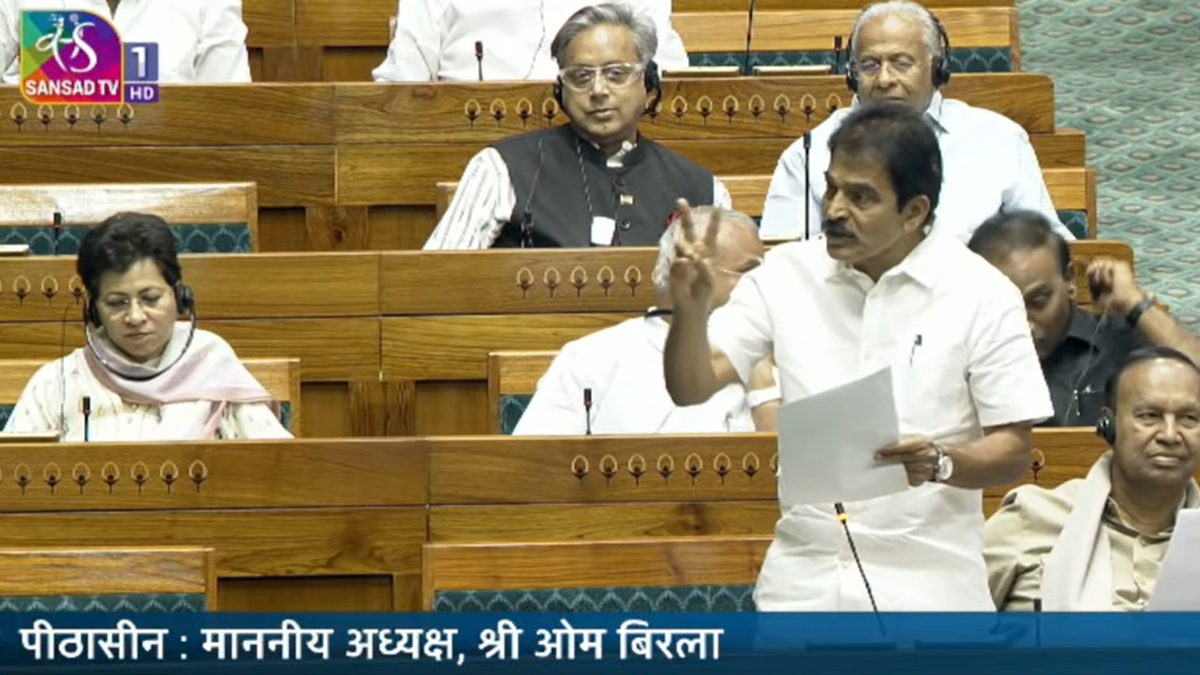
The BJP faces backlash over the Women's Reservation Bill as the DMK accuses it of political exploitation during a heated and pivotal Lok Sabha session in Delhi.
India
Former Leaders Endorse Women's Reservation
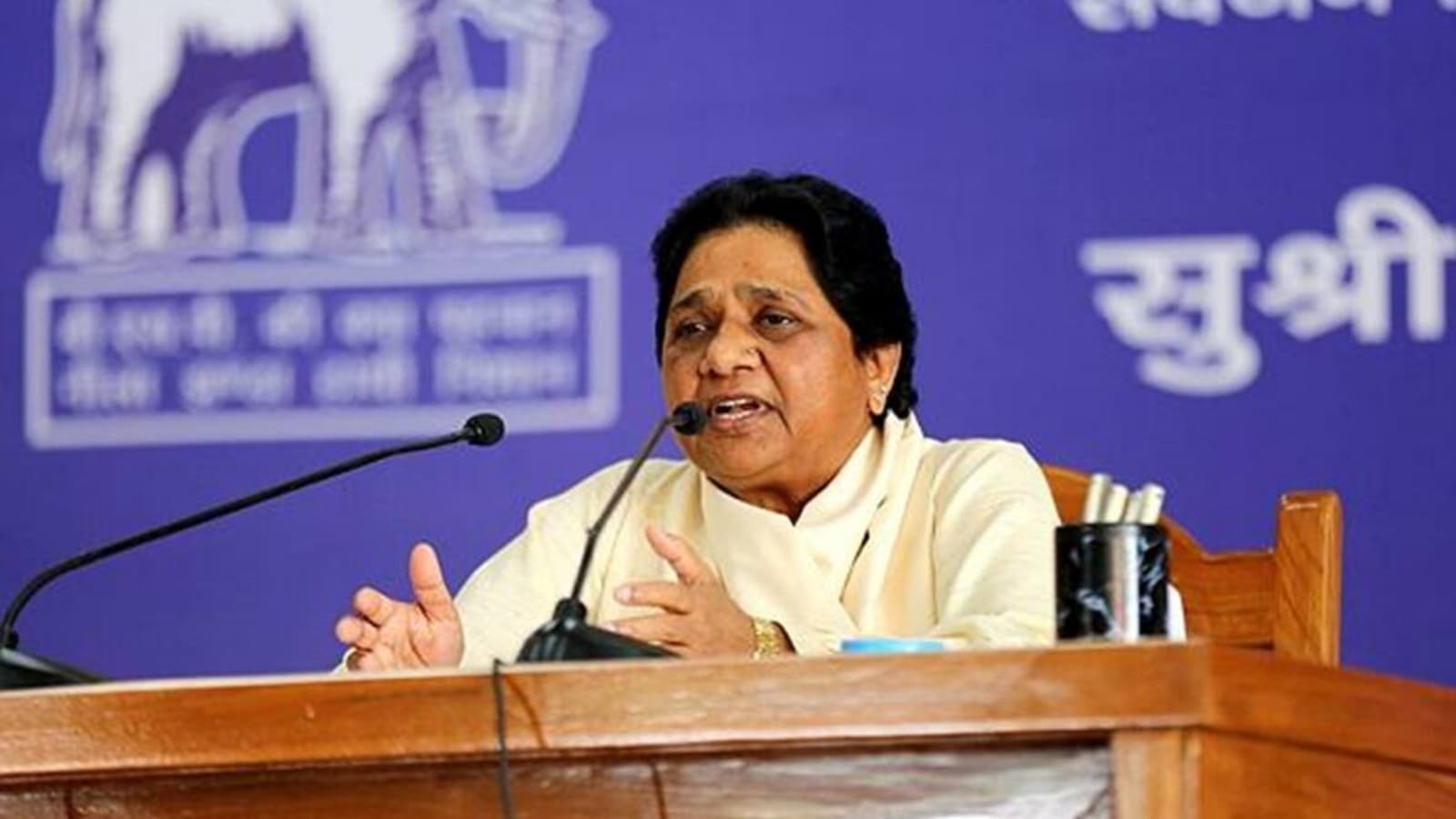
Pratibha Patil, Meira Kumar, and Mayawati backed the 33% Women's Reservation Bill, uniting behind a push to expand women's political representation in India.
India
Delimitation Bill Controversy
India's Delimitation Bill ignites fierce debate, raising fears over federal representation and shifting the balance of political power among the states sharply.

Economics
Fed's Amex AML order puts correspondent banking on notice
Federal Reserve's Amex AML order requires board-level controls and a 90-day plan; OCC fined the bank $350 million over enterprise-wide deficiencies.