Women’s Reservation Bill Defeated
The 131st Amendment fails, revealing political tensions.
Model Diplomat8 min readIndia
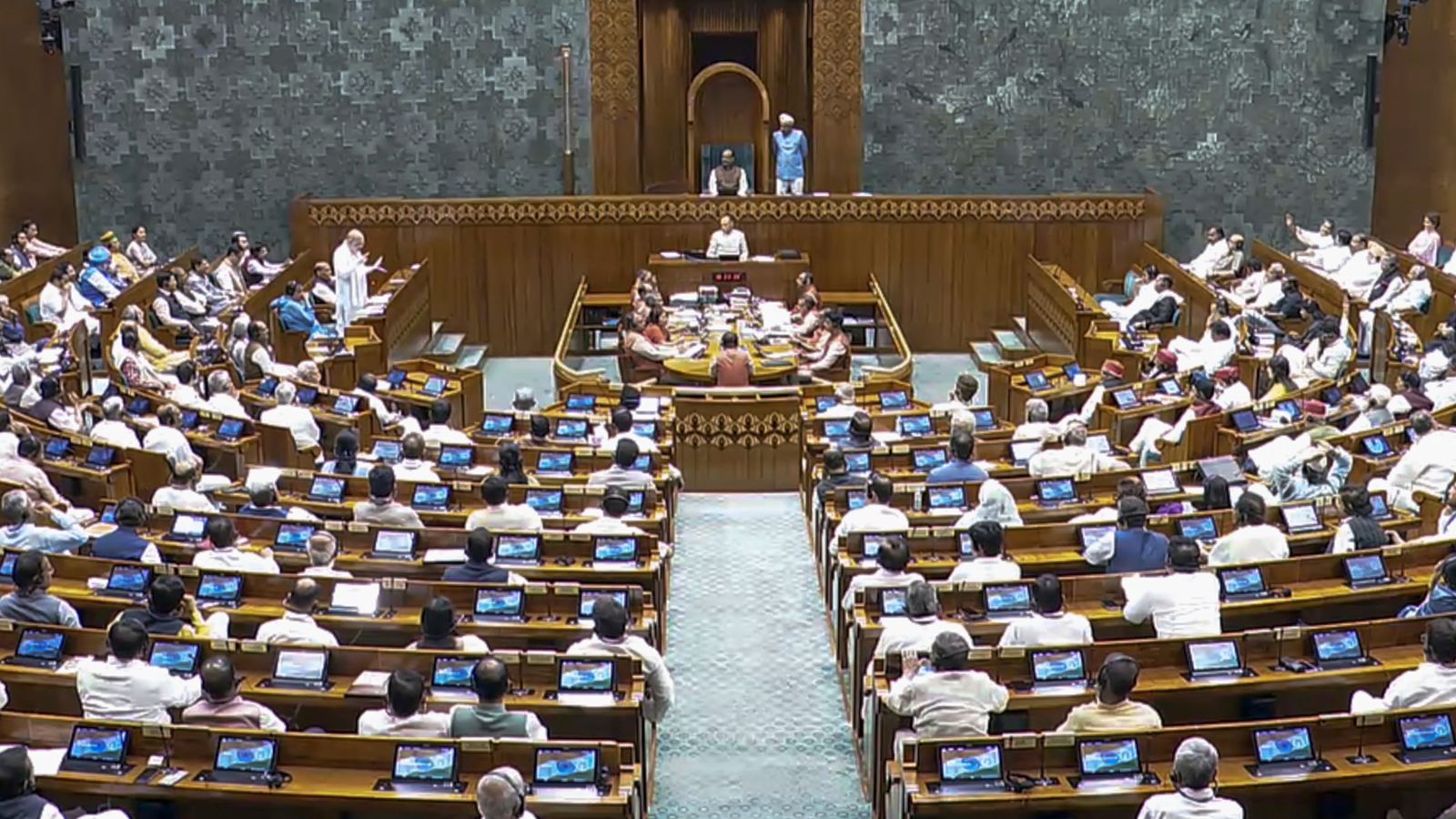
Women's Reservation Bill Defeated: Why India's Delimitation Gambit Collapsed
The Constitution (131st Amendment) Bill fell 298–230 in the Lok Sabha on April 17, 2026 — the first Modi-era constitutional amendment to fail. Here's what actually died.
The bill sold as women's empowerment lost by 54 votes because it was never really about women. The Constitution (131st Amendment) Bill, 2026 was defeated in the Lok Sabha on April 17 not because Parliament rejected a 33% quota for women — that constitutional guarantee has been on the books since 2023 — but because Prime Minister Narendra Modi tried to bundle it with a delimitation package that would have expanded the Lok Sabha from 543 to 850 seats using 2011 census data, and the southern states refused. The defeat is the first constitutional amendment the Modi government has lost in 12 years, and its significance lies less in what it blocked than in what it revealed: India's federal balance is now the binding constraint on any electoral reform the BJP wants to attempt before the 2029 general election.
What actually happened on the floor
The three-day special session convened April 16–18, 2026 tabled three linked bills: the 131st Constitutional Amendment, the Delimitation Bill, and the Union Territories Laws (Amendment) Bill. Home Minister Amit Shah wound up the debate on the evening of April 17. The division bell rang. The result — 298 for, 230 against — cleared a simple majority but fell well short of the 362-vote two-thirds threshold that Article 368 demands for constitutional amendments. The Times of India reported that the NDA, which holds 293 seats, could not persuade a single major opposition party to cross the floor. The Hindu
put the shortfall at 68 votes below what a united opposition needed to defeat the package. Parliamentary Affairs Minister Kiren Rijiju told the House the two accompanying bills would not be moved.
According to Business Standard, this was the first constitutional amendment introduced by the Modi government to fall since it took power in 2014. The Indian Express noted it broke a run of 11 successful constitutional amendments across two Modi terms, including the 101st (GST) and the 103rd (EWS reservation).
The bill sold as women's empowerment was a delimitation bill
The sleight of hand mattered. The 33% quota for women in the Lok Sabha and state assemblies — the Nari Shakti Vandan Adhiniyam — was passed as the Constitution (106th Amendment) Act in September 2023, with 454 of 456 MPs present voting yes in the Lok Sabha and unanimous passage in the Rajya Sabha. But the 2023 text tied implementation to "an exercise of delimitation … undertaken for this purpose after the relevant figures for the first census taken after the commencement" of the Act, as the ISAS Brief from the National University of Singapore
documented. Translation: no fresh census, no delimitation, no women's quota.
The 131st Amendment was designed to break that lock. As the Carnegie Endowment analysis by Louise Tillin and Milan Vaishnav laid out, the package would have raised the Lok Sabha's cap from 550 to 850 seats — up to 815 for states, 35 for union territories — and removed the constitutional requirement that seats be reapportioned after every census, handing Parliament discretion over which census to use. The Delimitation Bill defined "latest census figures" as those published on the date the commission was constituted, effectively locking in 2011 data. The rationale, per Carnegie, was to enlarge the Lok Sabha by roughly 50% and reserve the new seats for women, delivering the one-third quota by inflating the denominator rather than displacing incumbents.
That is what the opposition read as a Trojan horse. Congress leader Rahul Gandhi, speaking on the floor before the vote, said, per BBC Hindi, that this was "not a women's reservation bill" but a vehicle for redistricting. Congress MP Gaurav Gogoi, quoted in Al Jazeera, accused the government of pushing delimitation "through the backdoor." Shashi Tharoor compared the process to demonetisation.
Who benefits, who loses — and why the south held
The proposed delimitation would have shifted the balance of parliamentary power northwards. Since 1971, seat allocation between states has been frozen — a compromise engineered by the 42nd Amendment in 1976 and extended by the 84th Amendment in 2002 to avoid penalising states that reduced fertility rates. Bihar's population has since grown roughly 215%; Kerala's has grown 70%. A strict population-based reapportionment would hand seats to Uttar Pradesh, Bihar, Madhya Pradesh and Rajasthan — the BJP's heartland — at the relative expense of Tamil Nadu, Kerala, Karnataka, Andhra Pradesh and Telangana.
Shah's government promised no state would lose seats in absolute terms, and BJP MP K. Laxman told reporters a "pro-rata" 50% uniform increase would apply. The BBC's analysis flagged the problem: the draft bill contained no explicit proportional formula, and Vidhi Centre for Legal Policy's Arghya Sengupta told the outlet that the 850-seat number bore no clear relationship to 1971 or 2011 population growth. Southern chief ministers — Tamil Nadu's M.K. Stalin, Karnataka's Siddaramaiah, Kerala's Pinarayi Vijayan — were unwilling to accept a promise not written into the constitutional text.
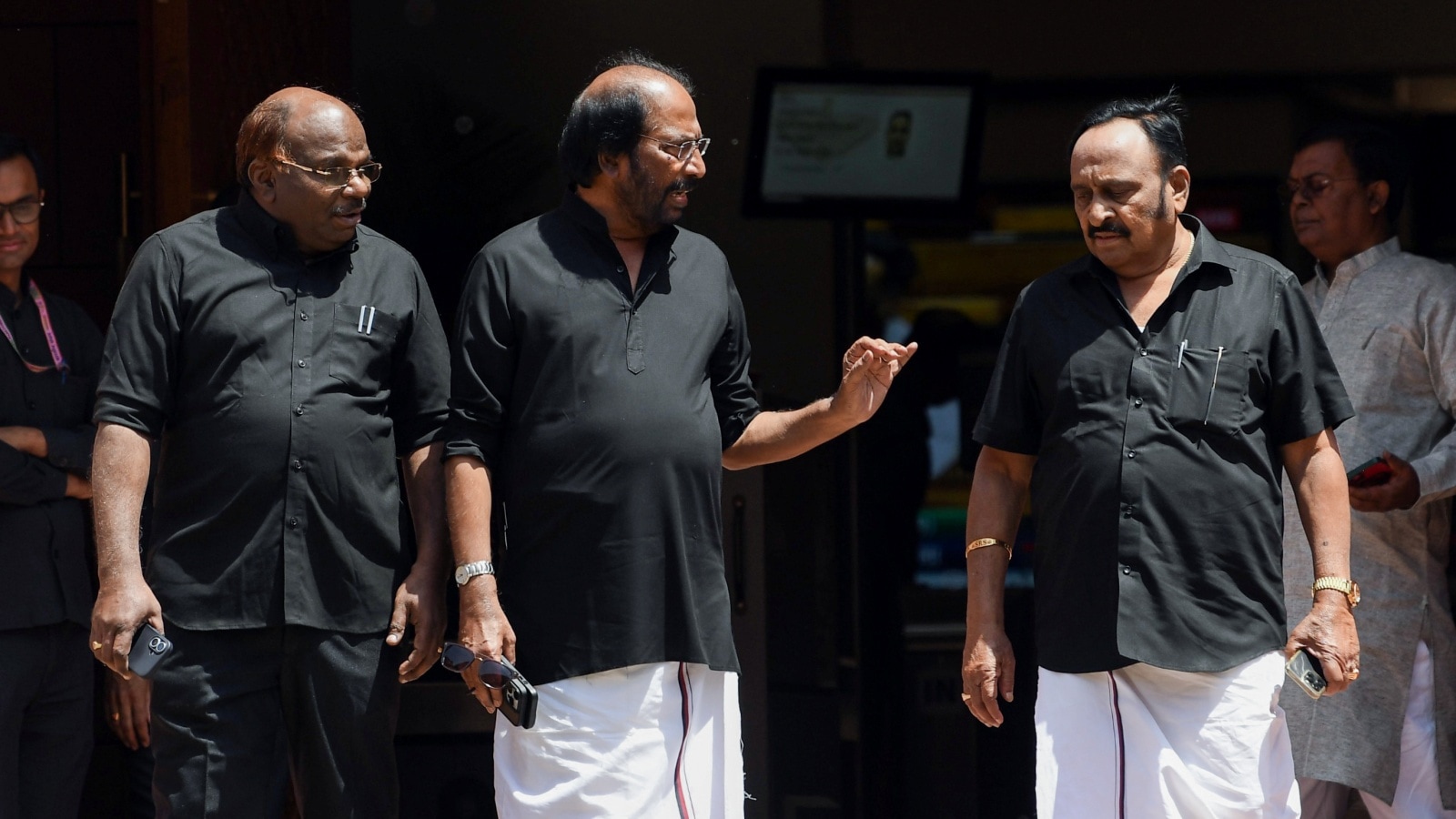
Stalin publicly burned a copy of the bill outside the assembly on April 15. On the floor of the Lok Sabha the next day, DMK members turned up in black. CPI(M) MP John Brittas told the BBC his party would support 33% within the existing 543 seats but nothing tied to an expansion "in the middle of an election season." The Trinamool Congress voted against. Congress voted against. The Samajwadi Party — whose Akhilesh Yadav demanded an OBC and Muslim sub-quota — voted against. That coalition, plus southern regional parties, produced the 230.

The Home Minister's counter-move
The government's line, delivered by Amit Shah in a lengthy floor reply and posted verbatim on the Press Information Bureau, reframed the vote as a betrayal:
"The Nari Shakti Vandan Act stipulates that reservation for women will be ensured in the delimitation exercise to be carried out after the Census conducted post-2026. … The number of seats has remained frozen since 1971, and today there are 127 constituencies with more than 2 million voters each. In these constituencies, the principle of 'one person, one vote, one value' is being completely violated."
Shah invoked Articles 81, 82 and 170 of the Constitution, argued that opposing delimitation meant opposing SC/ST seat expansion, and warned that "when opposition parties go into elections, they will have to face the anger of women." Modi, speaking earlier, said opponents would "pay the price for a long time."
The framing worked electorally in one place almost immediately. On May 4, 2026, the BJP won West Bengal, taking roughly 200 of 294 assembly seats and ending Mamata Banerjee's Trinamool Congress's three-term run. The BBC's post-mortem attributed the swing partly to women voters, with the party matching TMC cash-transfer offers and hammering the opposition's April 17 vote against a bill titled "women's reservation." That is the second-order effect the opposition did not price in: the defeat handed the BJP a campaign line without forcing it to actually implement the quota.
What survived the wreckage
Three things are true after April 17. First, the 33% women's quota still exists in the Constitution — the Nari Shakti Vandan Adhiniyam was not touched. Second, it still cannot be implemented until a fresh census and delimitation are complete. India's decennial census, delayed since 2021, was formally launched in April 2026 and, by government's own timeline, will not produce usable data before 2027. Third, the mechanism that was supposed to unlock the quota — a fast-track amendment allowing 2011 data — is dead until the government finds 62 more votes.
The Takshashila Institution's post-vote analysis argued the bills were "seen as an affront to federalism and were defeated" — a compact reading that the vote was less about gender than about who controls the map. The Carnegie paper reached the same conclusion: the women's quota "functioned as a vehicle to push through a broader reengineering of India's electoral design," and the vehicle was rejected on federalism grounds, not gender ones.
Women currently hold roughly 14% of Lok Sabha seats, against the global lower-house average near 27%. Every party in the House claims to support raising that number. None was willing to accept the delimitation mechanism the government offered to do it.
Diplomat View
The received wisdom in Delhi is that April 17 was a tactical setback for Modi and a rare parliamentary win for the opposition. That reading is half right, and the wrong half. The BJP lost the vote and won the politics — it now enters the 2027 census and every subsequent state election able to say, truthfully, that Congress, DMK, TMC and SP voted against a bill titled "women's reservation." West Bengal on May 4 is the leading indicator, not an outlier. The opposition's calculation — that voters would distinguish between a women's quota and a delimitation package — depended on communicating a legislative distinction the government spent 90 minutes of Amit Shah's floor speech pre-empting.
The forecast that would revise this view: if the 2027 census produces a delimitation formula that visibly protects southern seat shares in absolute and proportional terms, the BJP's post-2029 majority will effectively decide implementation on its own terms and the April 17 defeat will look like a delay. If instead the census slips past 2028 or the formula fight reignites, the women's quota — enacted in 2023, unimplemented in 2026 — becomes the longest-running unfulfilled constitutional promise in Indian legislative history, on track to miss its second general election. Bet on the former.
The deeper structural point: by writing delimitation into the 106th Amendment's trigger clause in 2023, the BJP tied its own preferred gender reform to the one reform southern India will fight hardest. That knot is now visible. Untying it will require either a proportional formula the south accepts, a supermajority the NDA does not have, or a new amendment stripping the delimitation link — which the opposition would then be politically forced to support. The government's best move is the third. Watch for it in 2027.
What to watch next
- July 21, 2026 — Monsoon session opens. Whether the government reintroduces a slimmer amendment (delinking the quota from Lok Sabha expansion) or holds the political line will signal whether Shah judged the West Bengal verdict a mandate.
- Census enumeration, October 2026 – March 2027 — The government has committed to completing the primary count by early 2027. Any slippage pushes delimitation, and with it the women's quota, past 2029.
- Bihar assembly election, October–November 2026 — First major test of the BJP's "opposition voted against women" attack line in a Hindi-belt state that would be a net gainer under any population-based reapportionment.
The Bottom Line
The Constitution (131st Amendment) Bill was defeated 298–230 on April 17, 2026 not because Parliament rejected reservation for women, but because it refused to let Modi use the women's quota as a lever to redraw India's political map on the BJP's timetable and with 2011 census data. The 33% quota enacted in 2023 remains law and remains unimplementable until a fresh census and delimitation are complete — a sequencing the government wrote into the 2023 amendment itself and now cannot rewrite without opposition votes it does not have. The defeat is a setback for Modi's legislative record but a gift to his campaign; the losers are the women whose reservation now waits, again, on a census.
Discover more
India
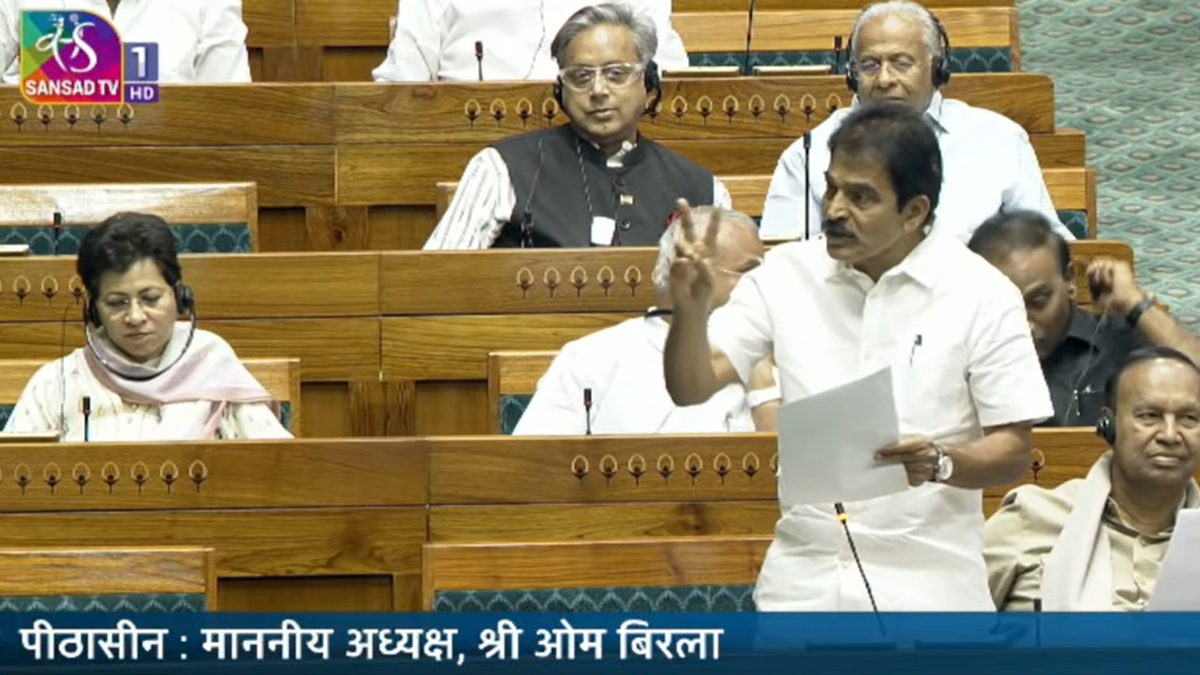
BJP's Women's Reservation Bill Controversy
The BJP faces backlash over the Women's Reservation Bill as the DMK accuses it of political exploitation during a heated and pivotal Lok Sabha session in Delhi.
India
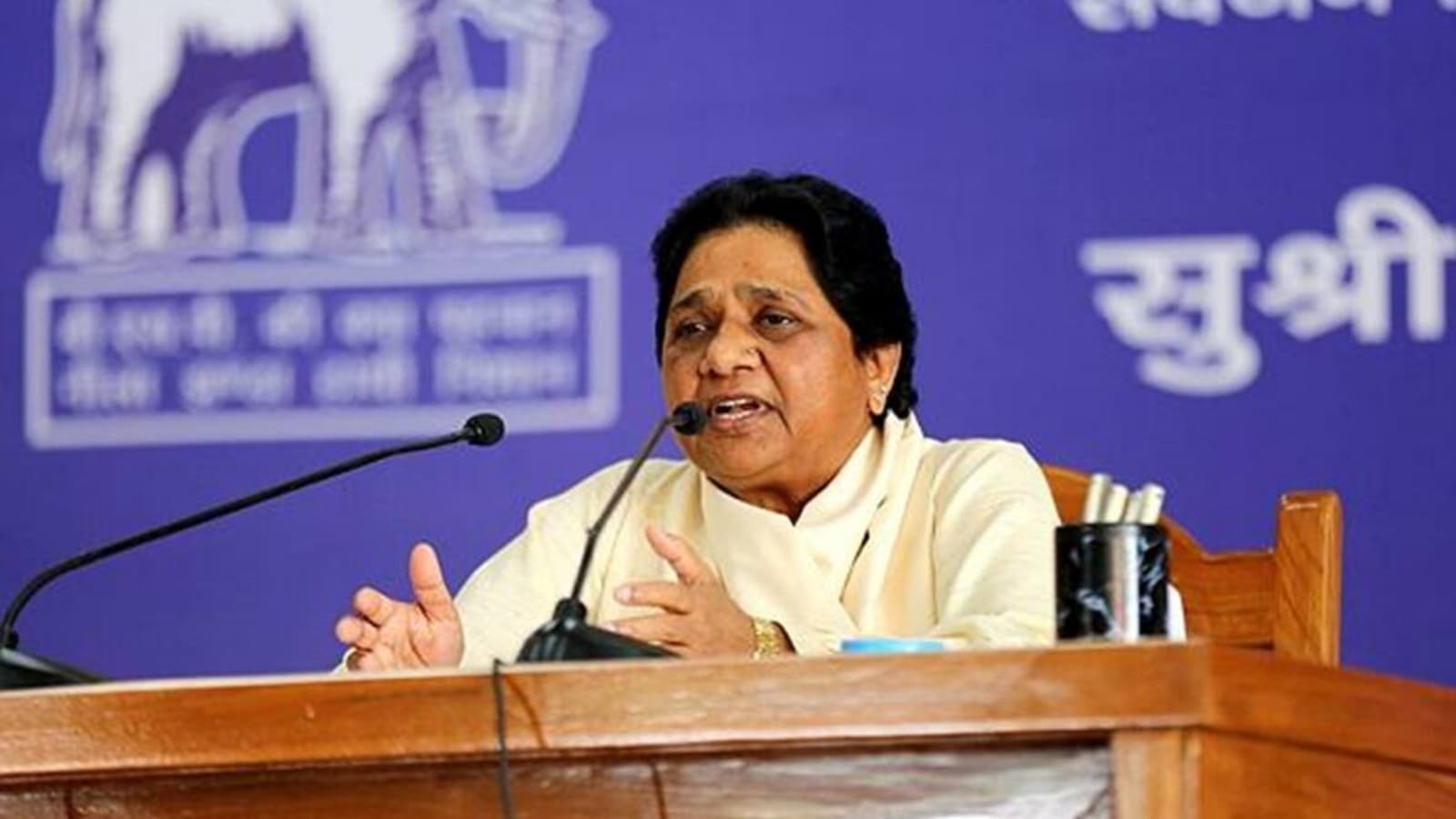
Former Leaders Endorse Women's Reservation
Pratibha Patil, Meira Kumar, and Mayawati backed the 33% Women's Reservation Bill, uniting behind a push to expand women's political representation in India.
India
Delimitation Bill Controversy
India's Delimitation Bill ignites fierce debate, raising fears over federal representation and shifting the balance of political power among the states sharply.

Conflict & Security
Drone Warfare Killing Aid Workers at Unprec
Over 1,000 humanitarian workers killed in three years as cheap armed drones collapse legal protections. Gaza, Sudan, Ukraine, and DRC see deliberate targeting of aid convoys and hospitals with zero prosecutions.