Women Rise in Indian Civil Services, Need Par
Vice President Radhakrishnan calls for gender parity in politics.
Model Diplomat2 min readIndia
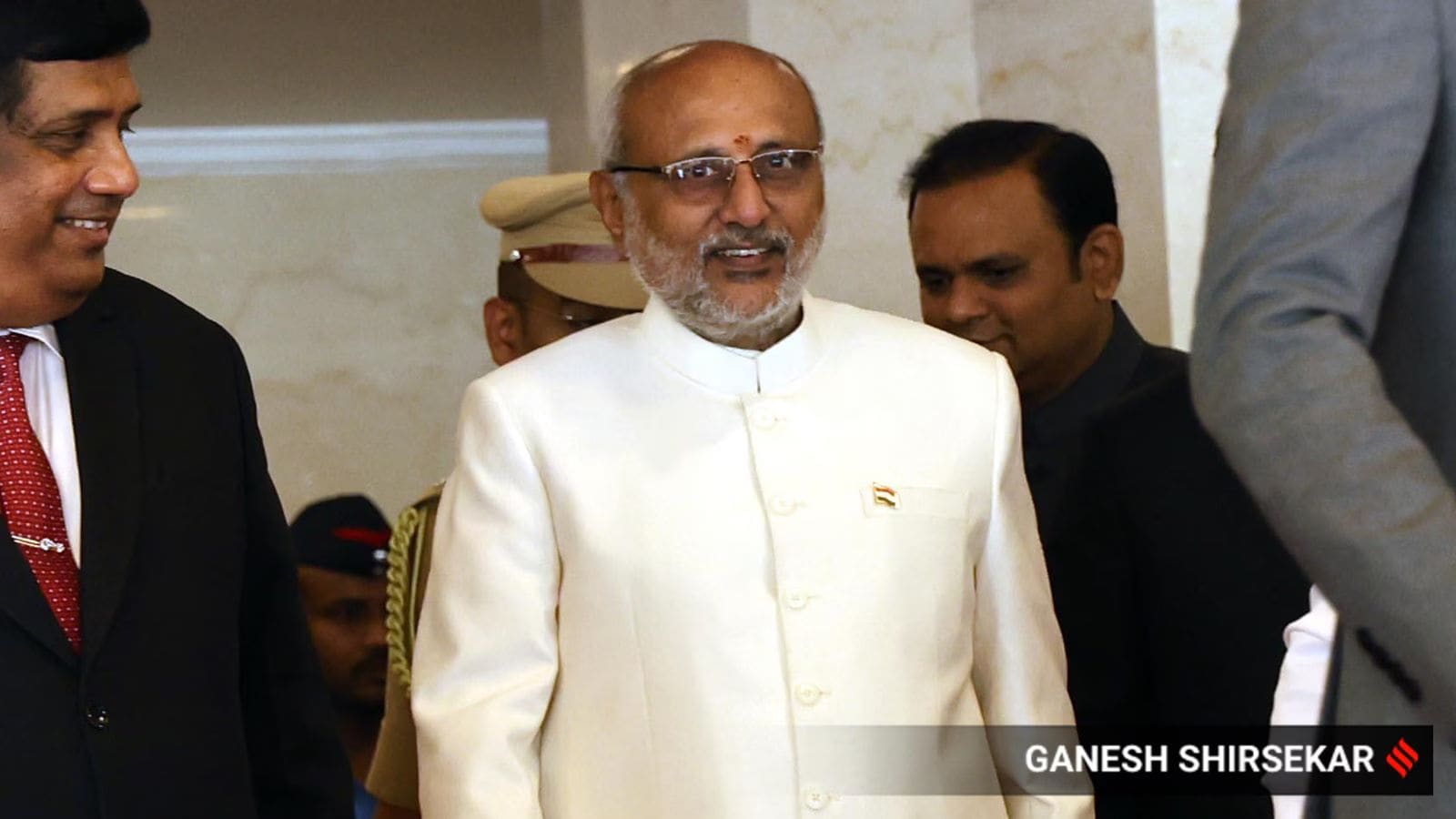
Women on the Rise in Indian Civil Services, Parliament Lags Behind: V-P Radhakrishnan
Vice President Radhakrishnan highlights growing female presence in India’s civil services, urging Parliament to match this progress.
Vice President V. P. Radhakrishnan, speaking at the 18th National Civil Services Day celebrations on April 21, 2026, spotlighted the increasing number of women entering India’s civil services. He expressed hope that this upward trend in female participation and leadership within the bureaucracy would soon be mirrored in Parliament, where women remain underrepresented Indian Express.
Why This Matters: Civil Services as a Gender Equality Bellwether
The civil services have traditionally been male-dominated, but recent years show a meaningful shift. Women candidates are increasingly passing the UPSC exams and assuming key administrative roles, which enhances gender diversity in policy implementation. This shift is important because civil servants directly influence governance and public service delivery, setting a precedent for inclusion and equity.
However, this positive momentum in the bureaucracy is not reflected in India’s legislative bodies. Women constitute just about 14% of the Lok Sabha and roughly 9% in state assemblies, despite making up nearly half the population. The constitutional provision for a 33% reservation for women in Parliament through the 106th Amendment Act of 2023 remains unimplemented due to procedural delays tied to census and delimitation The Hindu, "Supreme Court says women are the ‘largest minority’".
This gap underscores the paradox in Indian governance: women are breaking barriers in administration yet face structural hurdles in electoral politics. The Vice President's call implicitly pressures lawmakers to expedite the implementation of women's reserved seats and other measures to empower female political leaders.
What to Watch Next
The coming months are critical for legislative action on women's representation. The Supreme Court has already flagged the urgency of implementing the women’s reservation in Parliament and state assemblies. How soon the government moves on census-driven delimitation will determine if the 33% quota for women can be realized before the next general elections—an essential step toward gender-balanced governance.
Simultaneously, the civil services’ rising female leadership could shift bureaucratic culture, potentially influencing policymaking on gender issues and mentoring future women leaders who may transition into politics.
The intersection of these trends—bureaucratic inclusion and stalled political representation—frames the broader debate on gender equality in India’s governance. The Vice President's statement is a clear signal that while progress has been made, it remains uneven and incomplete.
For further understanding of India’s gender representation dynamics in governance, see India country profile and broader
Global Politics insights.
Sources:
Discover more
India
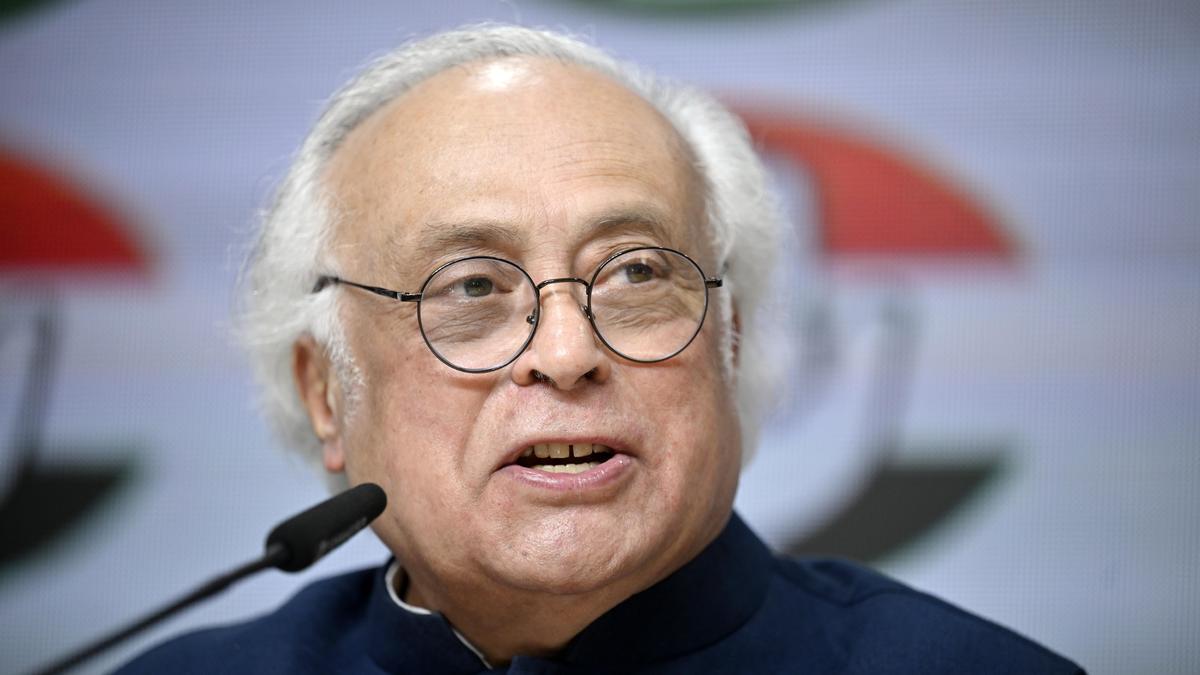
Congress Accuses Modi of Stalling Women's Law
Congress accuses Modi of stalling women's reservation law by linking it to delimitation, revealing a deeper electoral strategy.
India
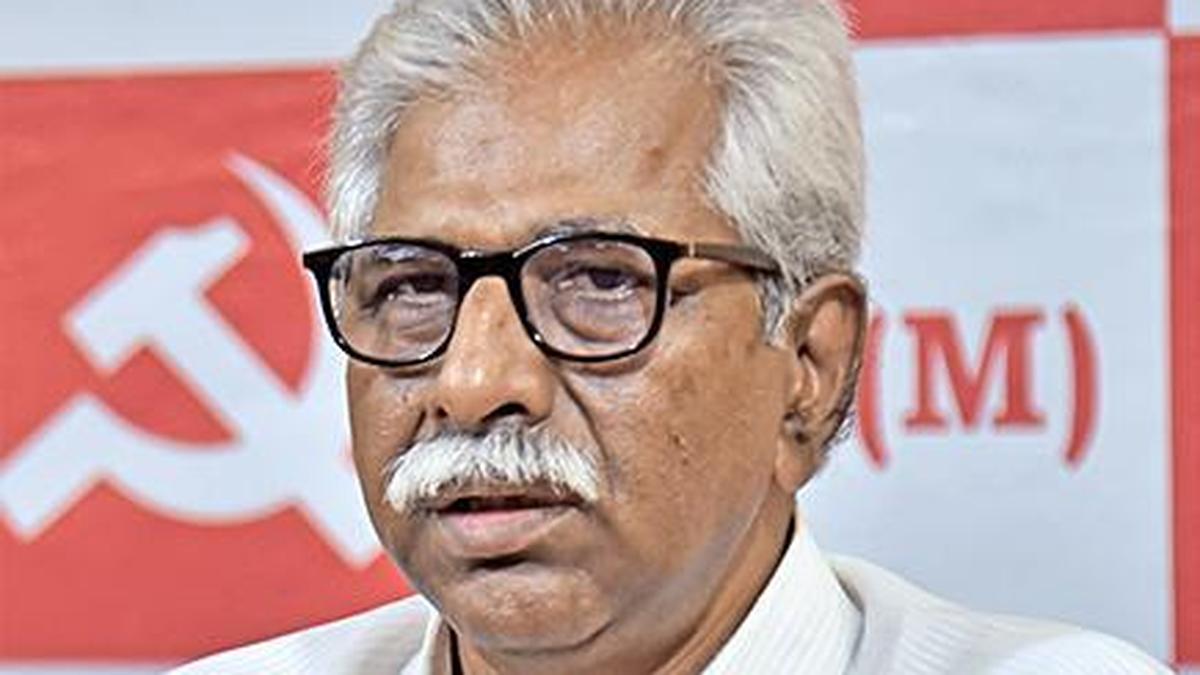
CPI(M) Calls to Decouple Quota from Delimita
CPI(M) advocates for a 33% women's quota in Lok Sabha by 2029, removing the need for delimitation and census linkage.

Economics
Fed's Amex AML order puts correspondent banking on notice
Federal Reserve's Amex AML order requires board-level controls and a 90-day plan; OCC fined the bank $350 million over enterprise-wide deficiencies.
Conflict & Security
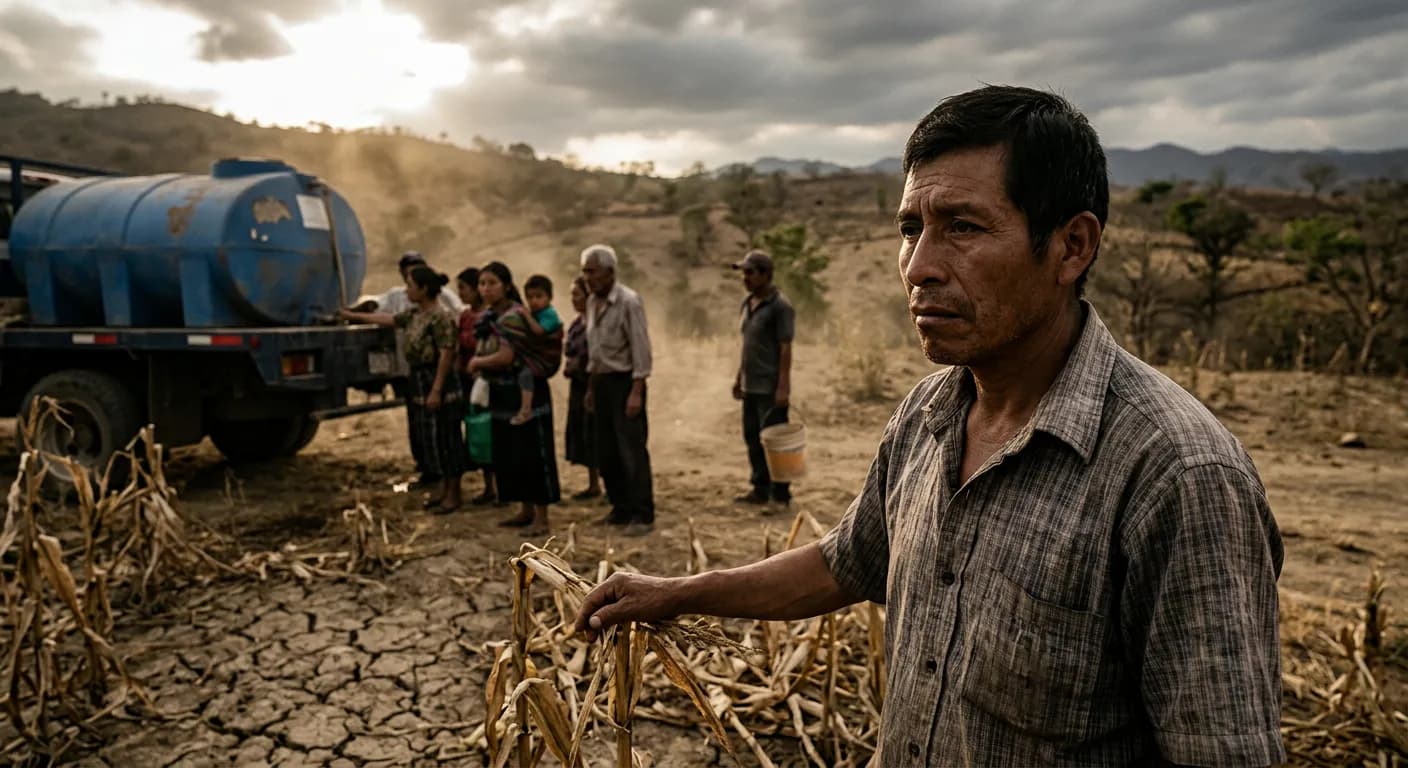
Guatemala: El Niño 2026–27 becomes regional security test
UNICEF: 25.8M children face El Niño risks in Latin America; Guatemala maps 188 municipalities for drought and food insecurity amid regional security test.