India's Energy Strategy Amid US-Iran War
New Delhi navigates oil imports amid Hormuz tensions.
Model Diplomat3 min readSouth Asia

The US-Iran War's Quiet Casualty: India's Energy Calculus
As Hormuz remains contested, New Delhi is scrambling to reroute oil imports, deepening ties with Moscow and leveraging a rare exemption from Tehran.
The Strait of Hormuz is effectively closed, and India — one of the world's three largest crude importers — is caught in the crossfire of a war it didn't start and can't afford to ignore.
Iran's Revolutionary Guard fully closed the strait on April 18, firing on vessels attempting passage and declaring it would remain shut as long as the U.S. naval blockade of Iranian ports continues. The U.S. struck 16 Iranian minelaying vessels near Hormuz earlier this month. A fragile two-week ceasefire, brokered by Pakistan, is now expiring with no confirmed resumption of talks — Tehran refuses to negotiate under threat, Washington refuses to lift the blockade first.
The human toll is severe: AP News reports roughly 3,375 deaths in Iran, 2,290 in Lebanon, 15 Israeli soldiers, and 13 U.S. service members killed. But for
India, the strategic math runs through energy, not casualties.
India's Exposure Is Acute
Hormuz channels roughly 20% of global oil and a significant share of LNG shipments. India imports the bulk of its crude from the Gulf — the strait's closure has triggered what the South China Morning Post describes as India's worst domestic gas crisis in decades, with household cooking-gas shortages spreading. PM Modi personally called Iranian President Pezeshkian to negotiate transit exemptions — and won a narrow one: two Indian-flagged LPG tankers, Shivalik and Nanda Devi, were allowed through under Indian Navy escort, a symbolic but insufficient concession.
India also summoned Iran's ambassador after Iranian forces fired on Indian-flagged ships — a pointed signal that New Delhi won't absorb collateral damage quietly.
The Russia Pivot
The more consequential move is happening further north. According to the Straits Times, India is negotiating to raise Russian crude imports to roughly 40% of total imports within weeks, and is pursuing a direct LNG deal with Moscow — potentially with a U.S. sanctions waiver. That last detail is the tell: India is betting the Trump administration needs Delhi's strategic cooperation enough to overlook deeper Russia energy ties, even as Washington pushes allies to isolate Moscow.
This mirrors India's posture during the 2022 Ukraine war, when it absorbed discounted Russian crude over Western objections. The difference now is leverage — India is mediating Gulf relations, sheltering Iranian sailors, and serves as one of the few channels both Washington and Tehran still tolerate.
What to Watch
Three signals matter in the coming days. First, whether Iran confirms participation in Islamabad talks — Pakistan's mediation is the last live diplomatic channel. Second, oil prices: Brent was sitting near $95/barrel after the April 8 ceasefire announcement; a full collapse of talks pushes that significantly higher, squeezing Indian import bills directly. Third, whether the U.S. grants India a formal sanctions waiver on Russian LNG — that outcome would confirm New Delhi's strategic leverage in Washington is holding, and set a precedent for how the Trump administration manages coalition discipline during the conflict.
For more on the regional stakes, see International Affairs.
Discover more

Global Politics
US Seizes Iranian Ship, Tensions Surge
The US seizure of the Iranian ship Touska highlights a shift in control over the Strait of Hormuz, favoring Iran's strategic position.

Conflict & Security
Drone Warfare Killing Aid Workers at Unprec
Over 1,000 humanitarian workers killed in three years as cheap armed drones collapse legal protections. Gaza, Sudan, Ukraine, and DRC see deliberate targeting of aid convoys and hospitals with zero prosecutions.
Global
World Normalises Taliban as Afghan Women Eras
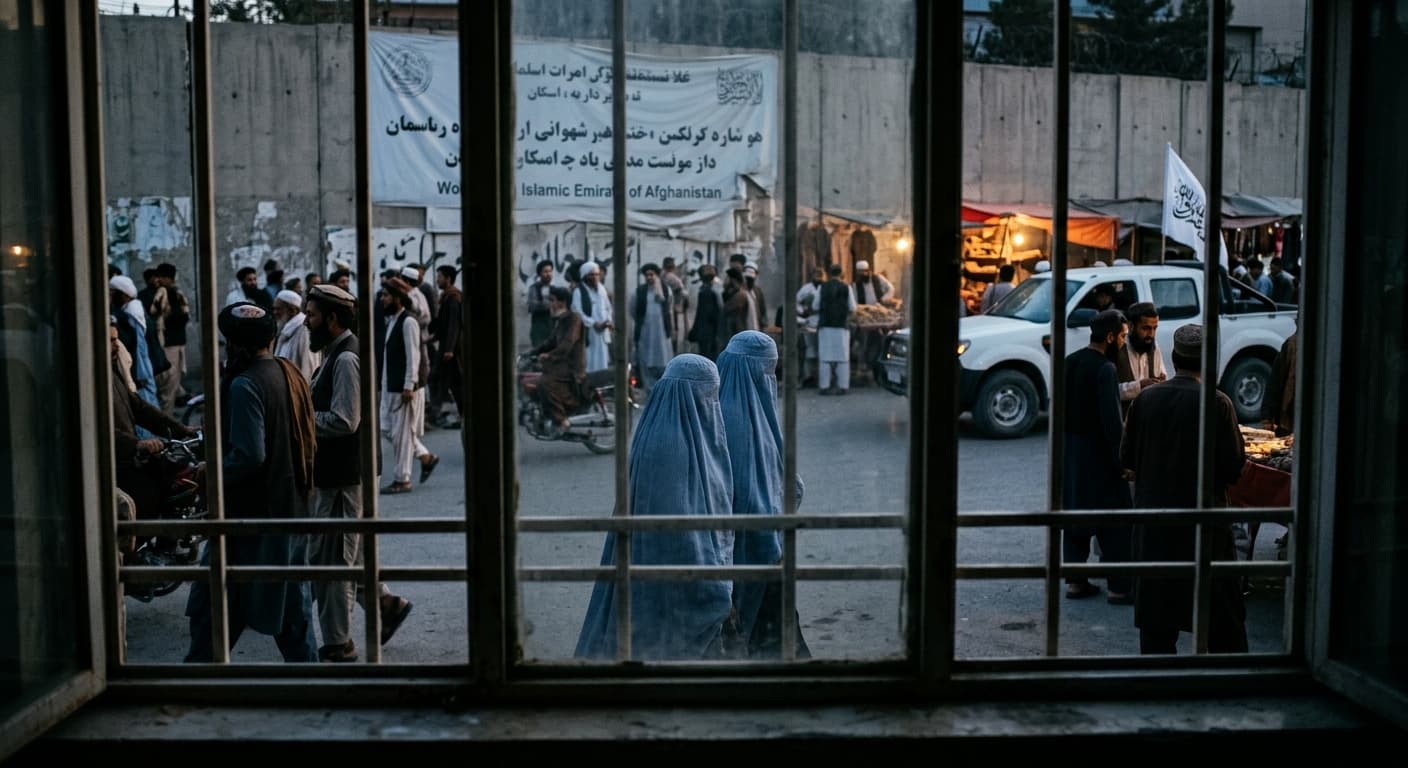
UN data shows Afghan women erased from public life as Russia recognises the Taliban, EU hosts officials in Brussels, and ICC warrants for gender persecution go unenforced.
Conflict & Security
West Africa Food Crisis: Three Shocks in 2026
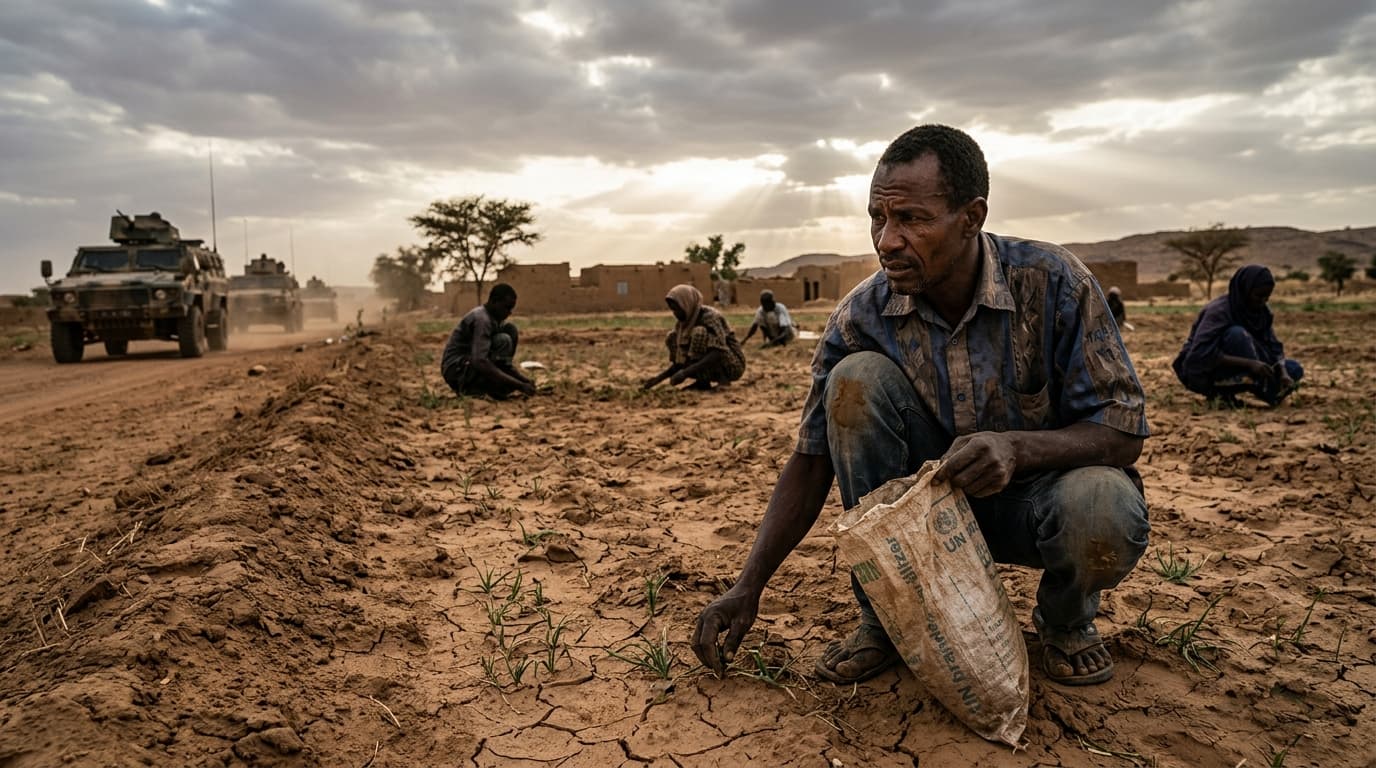
Conflict, climate extremes, and the Strait of Hormuz closure drive a severe food crisis in West and Central Africa, with fertilizer prices surging 80% and millions displaced.