CPI MP Accuses PM Modi of MCC Violations
Election integrity concerns rise as Tamil Nadu elections approach
Model Diplomat3 min readTamil Nadu
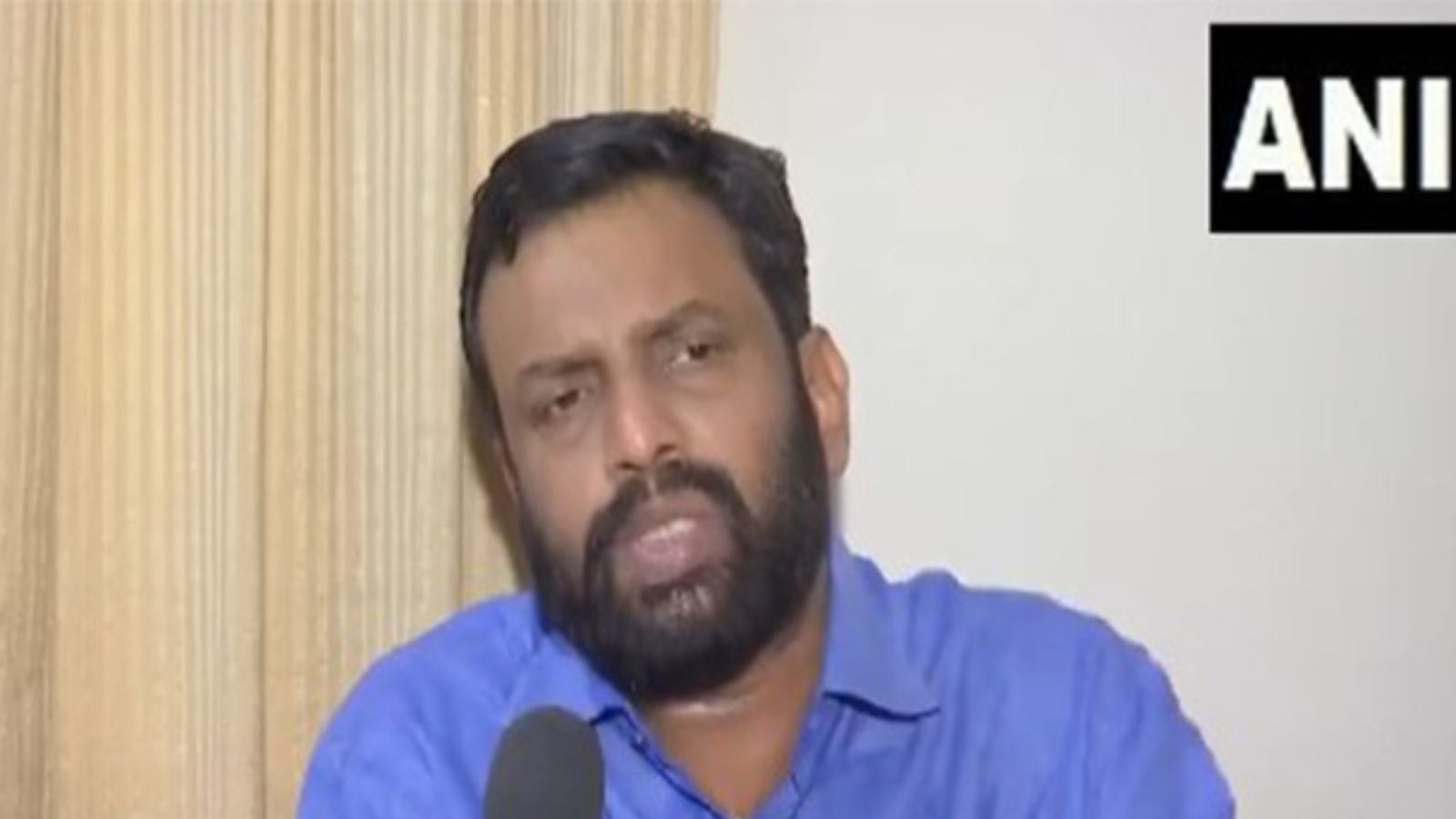
CPI MP Alleges PM Modi Violated MCC During Tamil Nadu Visit, Raising Election Integrity Concerns
Ahead of Tamil Nadu Assembly Elections 2026, CPI MP P Sandosh Kumar alleges Model Code of Conduct (MCC) violations by PM Modi, spotlighting election neutrality concerns.
CPI MP P Sandosh Kumar has formally written to Chief Election Commissioner (CEC) Gyanesh Kumar accusing Prime Minister Narendra Modi of violating the Model Code of Conduct (MCC) during a recent campaign speech in Tamil Nadu. This allegation emerges as the southern state's assembly elections approach and underscores intensifying scrutiny on the Election Commission's impartiality and enforcement capabilities.
Why This Matters: Election Integrity Under Pressure
The MCC, designed to ensure a level playing field during elections, mandates neutrality and fairness from all political actors, especially those in power. Allegations from Kumar, a member of the Communist Party of India (CPI), highlight the sensitive nature of PM Modi's campaigning in the south, traditionally less favorable territory for the Bharatiya Janata Party (BJP). The charge signals frustration from leftist parties over perceived misuse of government platforms or rhetoric that could unfairly influence voters.
Beyond Modi's alleged MCC breach, Kumar’s letter also flags a more systemic concern: an official Election Commission document from 2019 bore the BJP seal, an incident the MP describes as a "grave breach" undermining public trust in the EC's neutrality. Additionally, Kumar criticizes the Kerala Chief Electoral Officer for distributing outdated FAQs regarding candidate criminal antecedents, despite recent Supreme Court rulings and Election Commission updates. These points illustrate ongoing challenges in maintaining administrative neutrality and timely communication, particularly in states like Kerala and Tamil Nadu where elections are fiercely contested.
The backdrop is a tense pre-election environment across multiple states including West Bengal, Kerala, and Puducherry, where the BJP faces stiff competition from regional powers and the Congress-led opposition. The BJP's efforts to expand influence in Tamil Nadu, marked by high-profile visits and speeches by Modi, often attract allegations of MCC violations from rival parties.
What to Watch Next: EC Response and Election Dynamics
The Election Commission has received these complaints amid a spate of around 425 MCC-related cases filed nationwide since March 2026. While many have been addressed, investigations into nuanced or high-profile allegations like Kumar’s letter are ongoing. The EC’s handling of this case, and any punitive steps it takes against BJP’s campaign conduct, will be closely watched as measures of its impartiality and efficacy.
For Tamil Nadu, Modi’s continued campaigning and the BJP’s strategy to gain ground against entrenched regional parties like DMK and AIADMK could shape the outcome decisively. CPI and other left parties’ vocal challenges signal potential alliances or tactical cooperation among opposition to counterbalance BJP’s rise.
This episode is a microcosm of the broader competitive landscape of India’s 2026 assembly elections, where questions of electoral fairness, administrative neutrality, and political messaging are increasingly contested. The effectiveness of the Election Commission in preempting and addressing MCC violations will shape public confidence and ultimately the legitimacy of election outcomes.
For further context on India’s political conflict landscape, see our India country profile and the broader
Global Politics overview.
Sources:
Discover more
India
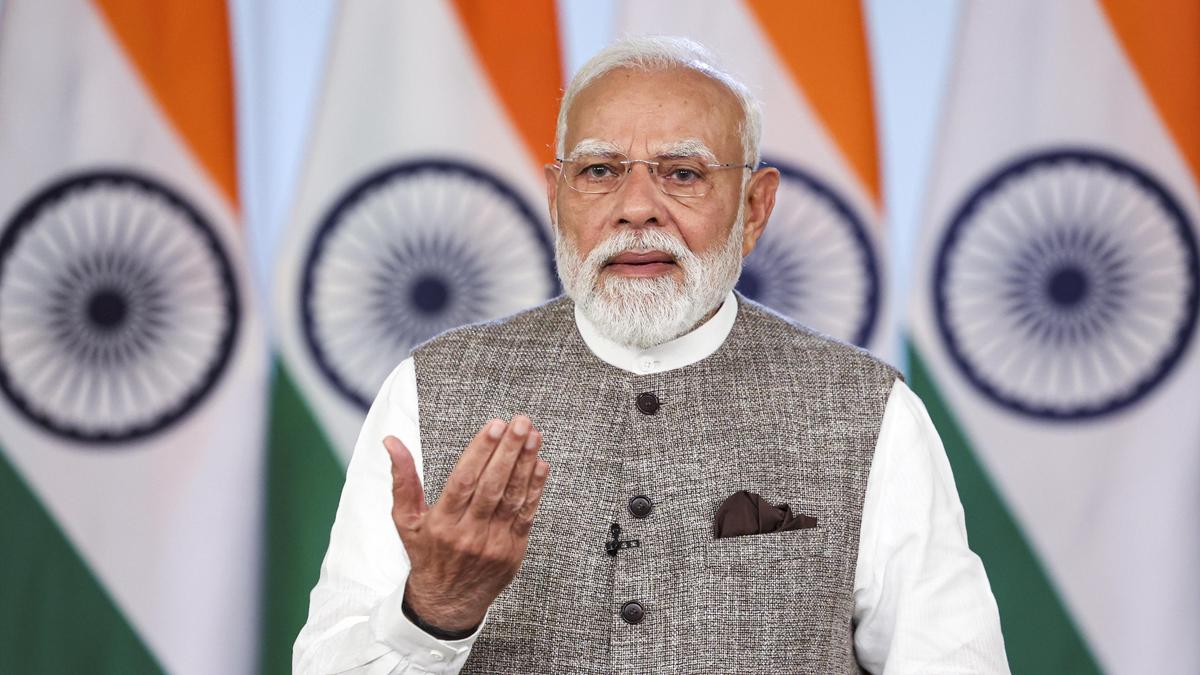
700 Activists Accuse PM Modi of MCC Breach
Over 700 activists allege PM Modi breached election code with a televised address attacking opposition parties just before state elections.
India
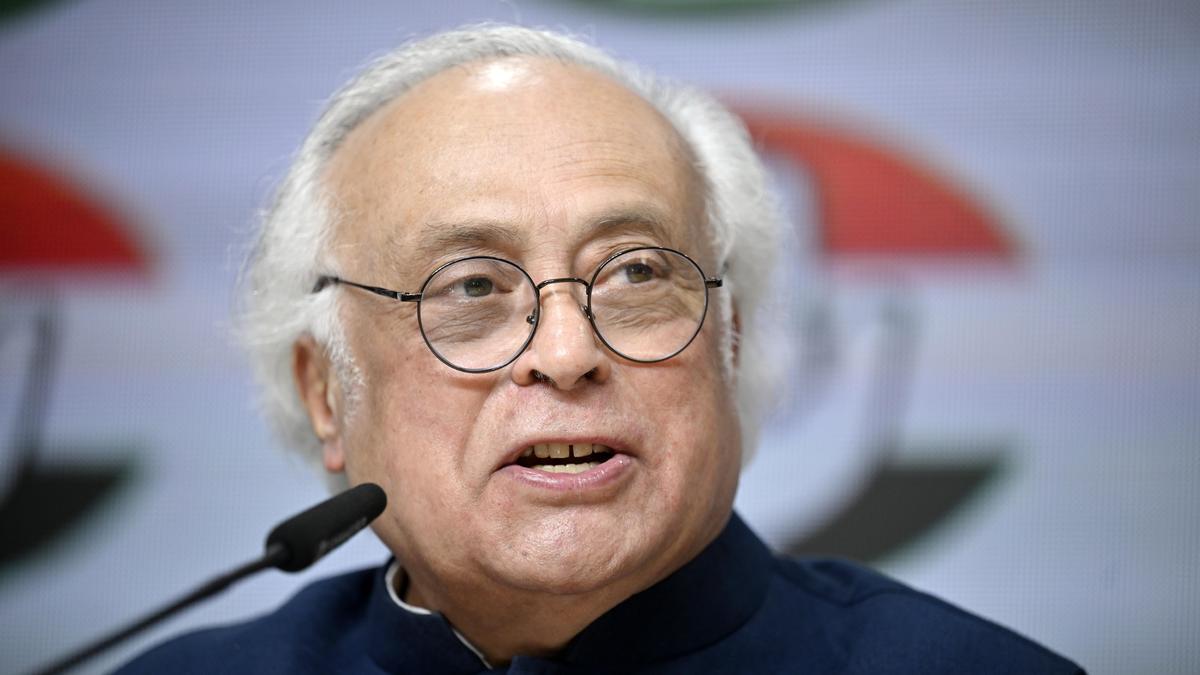
Congress Accuses Modi of Stalling Women's Law
Congress accuses Modi of stalling women's reservation law by linking it to delimitation, revealing a deeper electoral strategy.
India
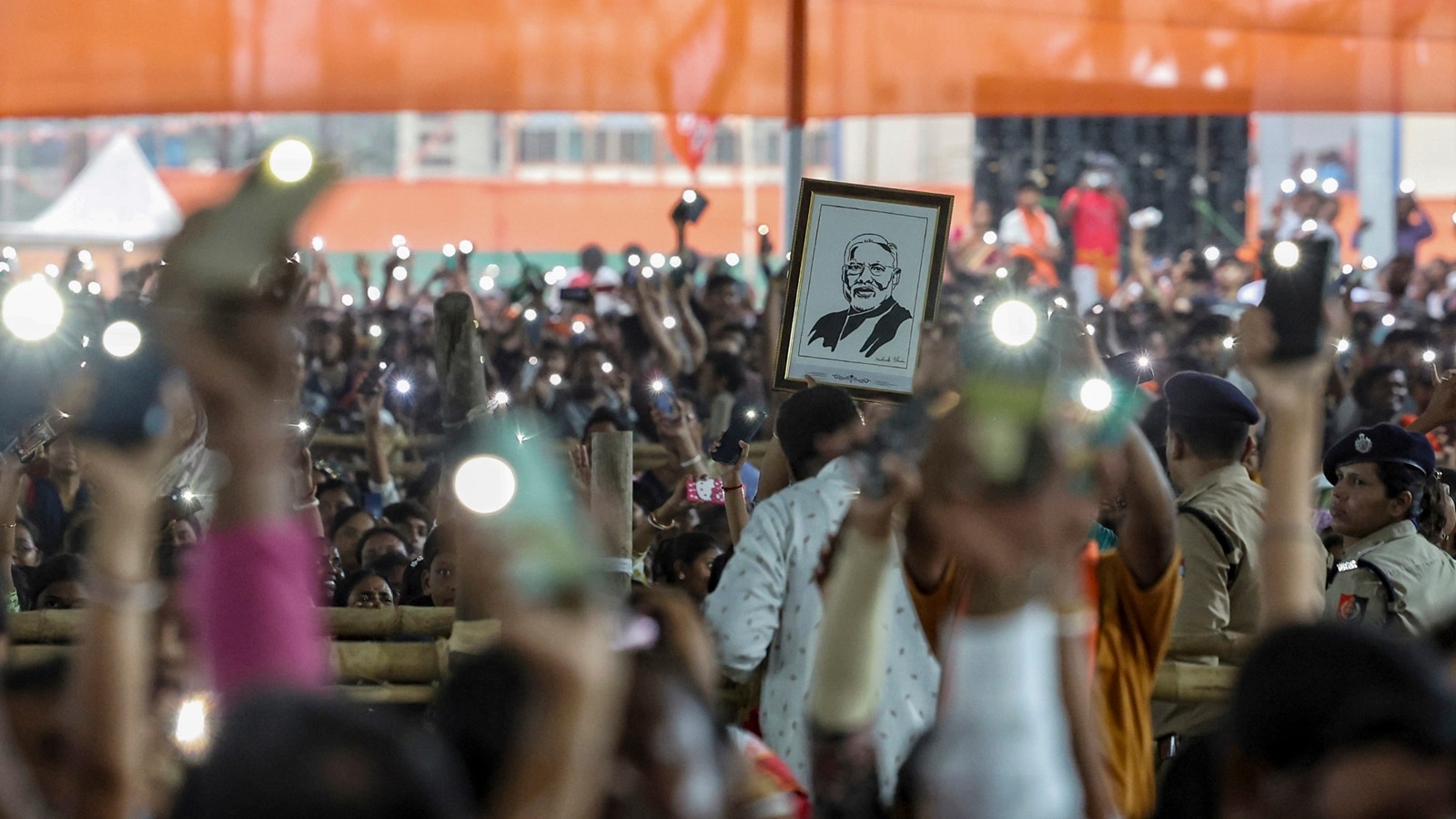
Modi's Women’s Convention in Varanasi
Modi's Varanasi rally frames women's reservation as a national mission, targeting the 2027 Uttar Pradesh elections with a strategic narrative.

Conflict & Security
Drone Warfare Killing Aid Workers at Unprec
Over 1,000 humanitarian workers killed in three years as cheap armed drones collapse legal protections. Gaza, Sudan, Ukraine, and DRC see deliberate targeting of aid convoys and hospitals with zero prosecutions.