West Bengal Voter Deletion Crisis 2026
Political turmoil as 2.7 million voters are removed from rolls
Model Diplomat3 min readWest Bengal

Travesty of Justice for Lakhs of Deleted West Bengal Voters on Eve of Assembly Polls
The failure of India’s 131st Amendment Bill alongside the deletion of 2.7 million voters in West Bengal is intensifying political fault lines just days before critical elections.
The Constitution (131st Amendment) Bill, 2026, aimed at revamping certain electoral provisions, notably failed in the upper house of Parliament this week. Simultaneously, West Bengal’s electoral rolls have been stripped of approximately 2.7 million voters, mostly from marginalized communities—sparking outrage and accusations of systemic disenfranchisement. This confluence of legislative setback and voter purge is reverberating across India’s political landscape at a sensitive moment: the Bengal Assembly elections, scheduled for late April 2026.
Why the 131st Amendment Bill Mattered
The 131st Amendment sought to recalibrate parts of the Representation of the People Act, 1951, particularly on electoral rolls and the powers of the Election Commission. Supporters argued it would enhance the accuracy and inclusiveness of voter lists and restore some autonomy curtailed by recent government interventions. Its defeat signals deep parliamentary divides—cross-party mistrust and ideological contestations around who controls India’s electoral machinery.
Opponents, citing fears of politically motivated roll manipulations, stalled the bill amid growing concerns about electoral integrity in high-stakes states like West Bengal. The bill’s failure compounds the already fraught electoral environment.
The Scale and Impact of Voter Deletions in West Bengal
Deleting over 2.7 million voters—roughly 6% of Bengal’s electorate—is unprecedented. Reports from local groups and opposition parties highlight that the purge disproportionately targets lower-income, rural, and minority voters, communities that traditionally bolster opposition parties. The Election Commission justifies this roll revision as a routine cleanup to remove duplicates and dead voters. Still, the timing—days before voting—raises alarms about disenfranchisement and potential manipulation.
This purge risks delegitimizing the electoral process in one of India’s most politically volatile states. Analysts note parallels to previous roll controversies in Assam and Maharashtra, where similar deletions sparked widespread protests and judicial interventions. The removal of such a large voter base on the cusp of polling may influence election outcomes by curtailing opposition votes, inadvertently throwing a wrench into democratic fairness.
Urdu Press: Voices of Dissent and Democratic Alarm
Urdu media, traditionally aligned with minority voices, branded these developments a “travesty of justice.” Editorials emphasize the threat to democratic inclusion and constitutional rights, framing these actions as disenfranchisement under the veneer of electoral reform. Their criticism adds to a growing narrative of distrust towards central authorities’ handling of elections, highlighting the potential for escalating communal tensions and political unrest.
What to Watch Next
- Bengal’s May 2026 Assembly Elections: Voter disenfranchisement and legislative gridlock raise the stakes for a volatile poll outcome. Watch for potential legal challenges and electoral violence.
- Judicial Scrutiny: The Supreme Court’s response to voter deletions could set critical precedents on electoral roll management nationwide.
- Parliamentary Dynamics: The failure of the 131st Amendment may slow future electoral reforms, especially those requiring cross-party consensus.
- Opposition Mobilization: How parties, particularly in Bengal, leverage these events could reshape voter turnout and alliances in coming elections.
This episode underscores the fragility of India’s democratic processes under political strain, with West Bengal as a microcosm of broader challenges confronting electoral integrity and minority rights. Continued monitoring is essential for anticipating shifts in India’s democratic landscape.
For broader context on India’s electoral politics and minority issues, see our India profile and
Global Politics overview.
Indian Express: Opinion from the Urdu Press on Electoral Developments
Discover more
India
Women’s Reservation Bill 2026
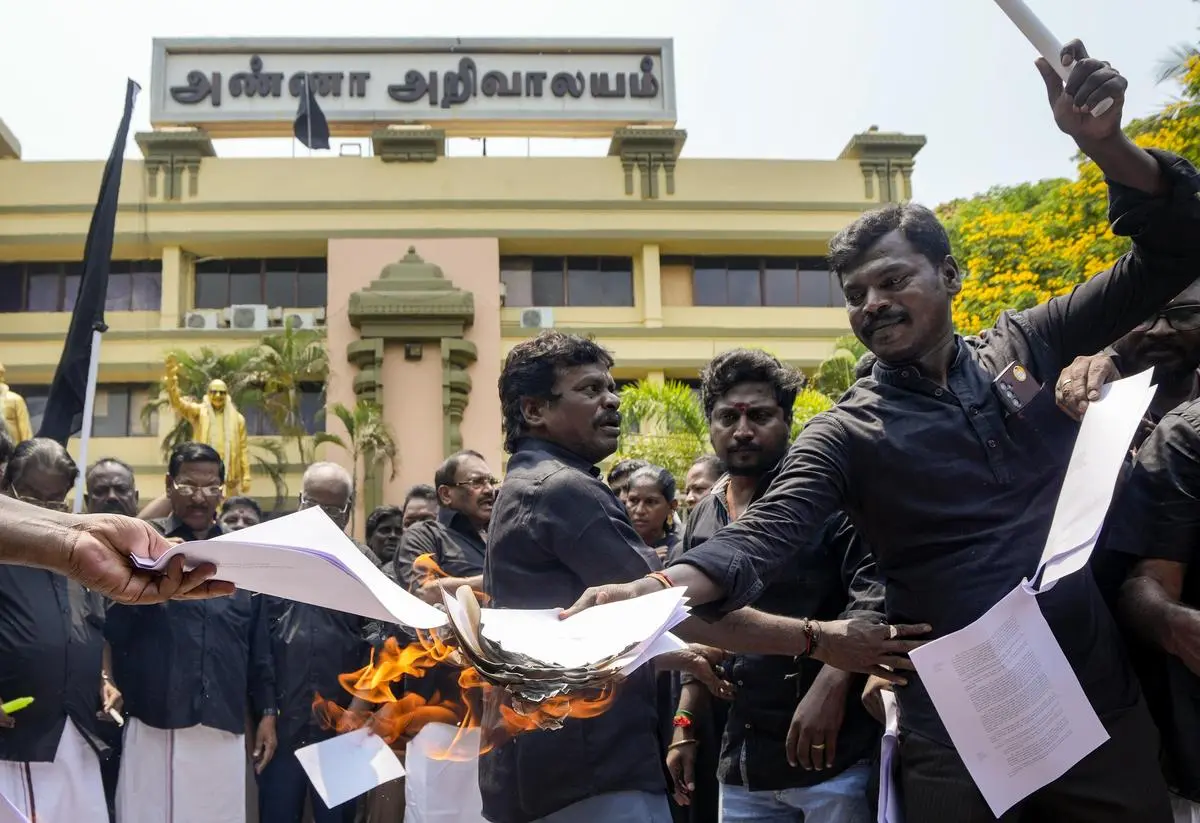
The Constitution (131st Amendment) Bill, 2026 was defeated in Lok Sabha, revealing deeper political conflicts over women's reservation and delimitation.
India
Modi's Women’s Convention in Varanasi
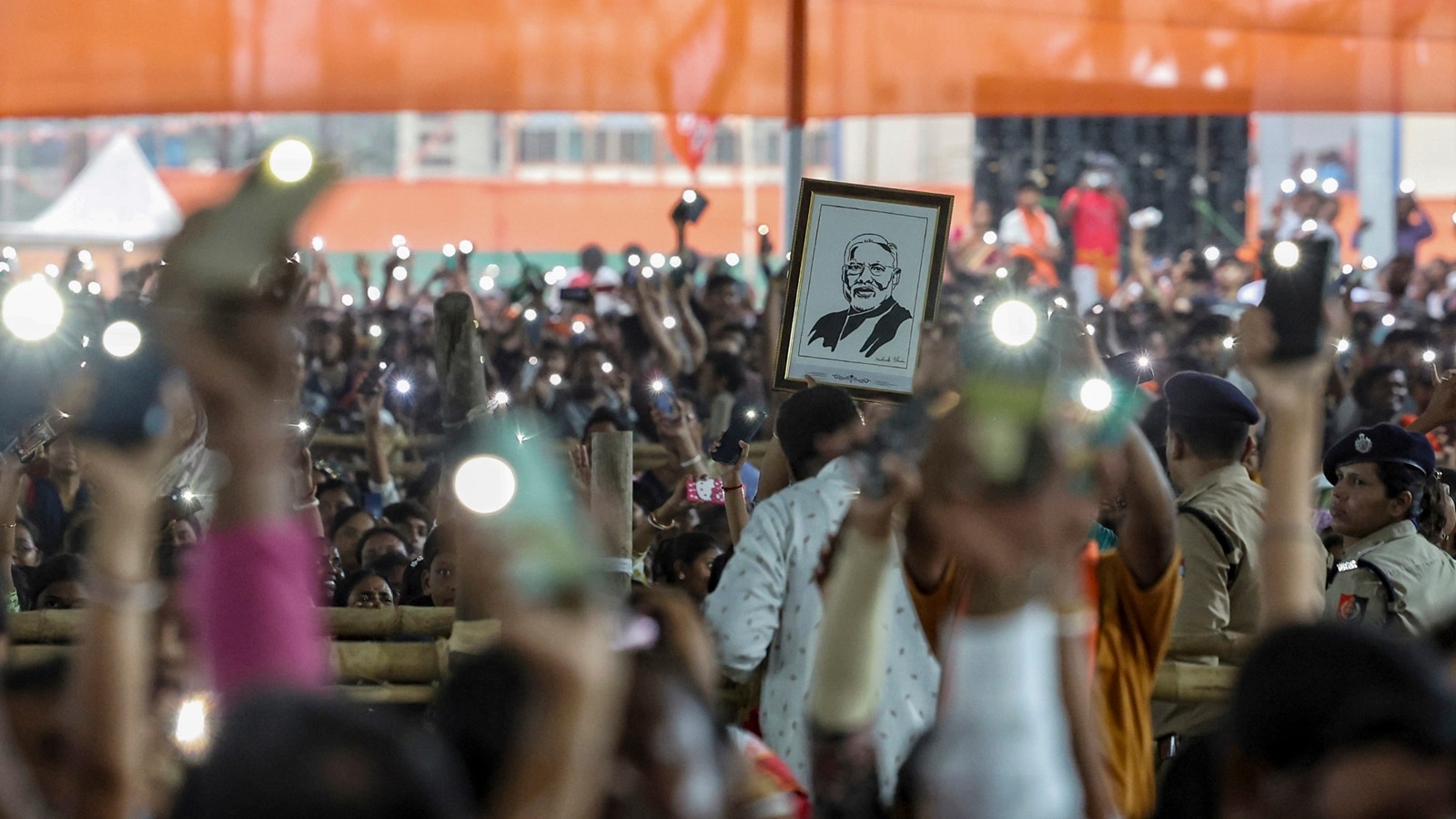
Modi's Varanasi rally frames women's reservation as a national mission, targeting the 2027 Uttar Pradesh elections with a strategic narrative.

Conflict & Security
Drone Warfare Killing Aid Workers at Unprec
Over 1,000 humanitarian workers killed in three years as cheap armed drones collapse legal protections. Gaza, Sudan, Ukraine, and DRC see deliberate targeting of aid convoys and hospitals with zero prosecutions.
Global
World Normalises Taliban as Afghan Women Eras
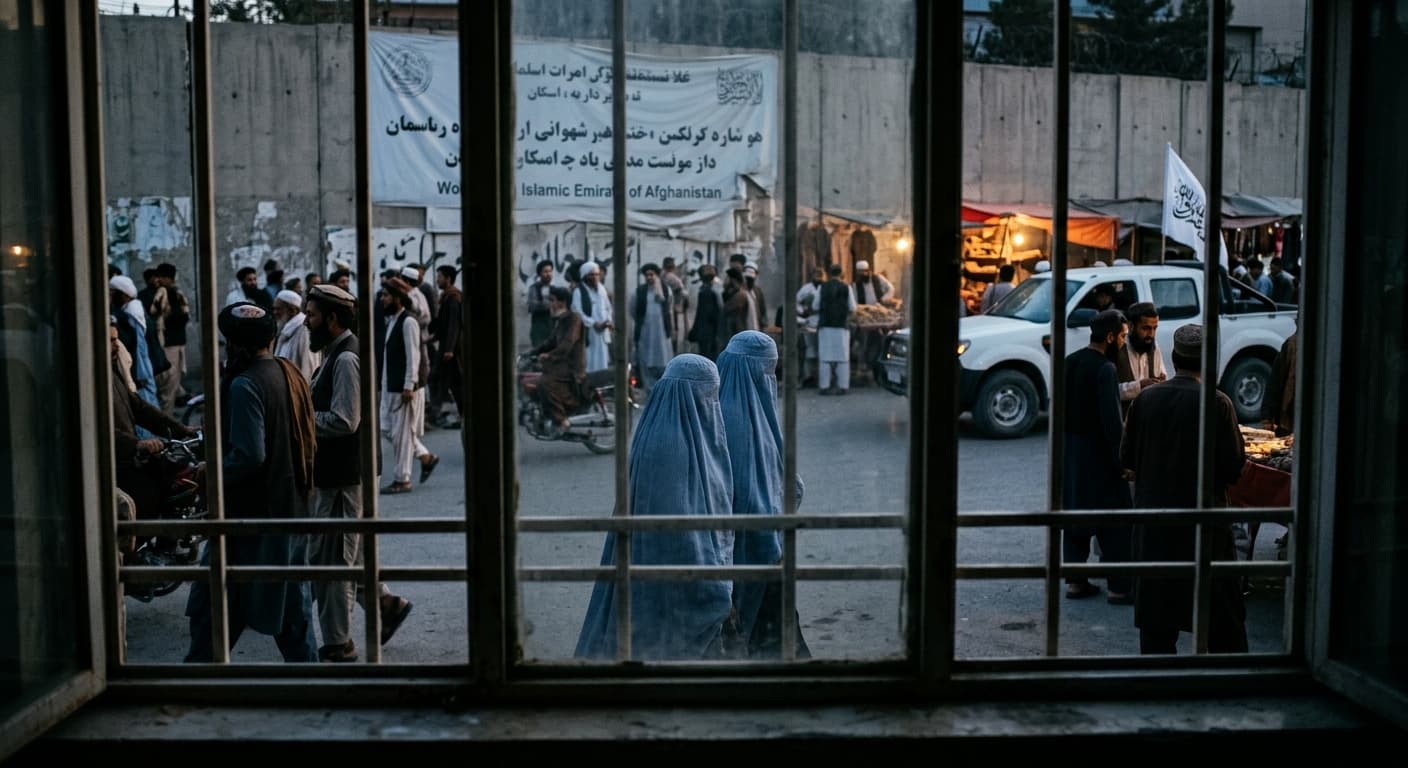
UN data shows Afghan women erased from public life as Russia recognises the Taliban, EU hosts officials in Brussels, and ICC warrants for gender persecution go unenforced.