West Bengal Voter Deletion Crisis
Mass voter deletions spark political turmoil in West Bengal elections.
Model Diplomat3 min readWest Bengal
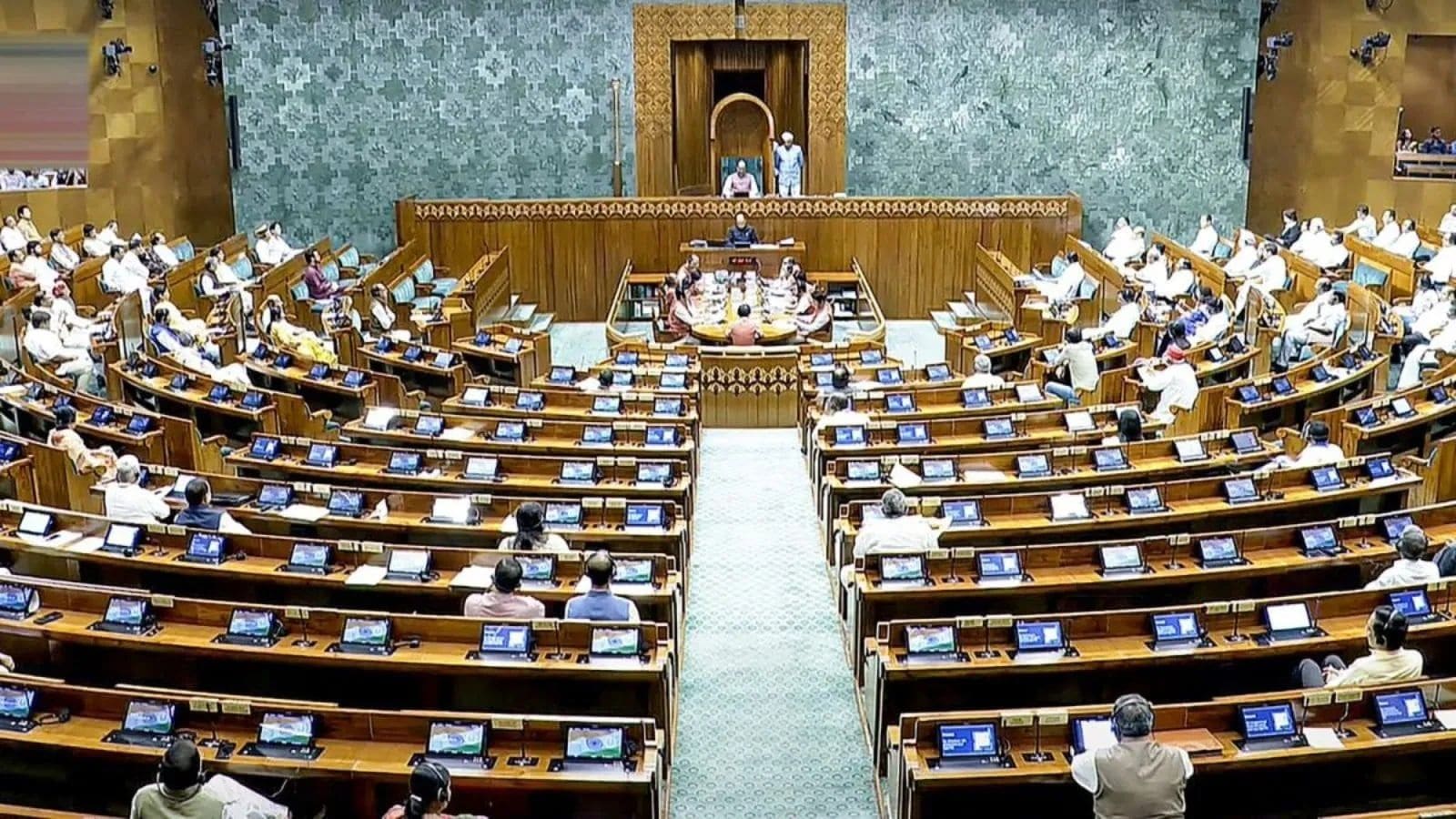
Travesty of Justice for Lakhs of Deleted West Bengal Voters on Eve of Assembly Polls
Failure of the 131st Amendment Bill and deletion of 2.7 million voters in West Bengal fuel political turmoil ahead of crucial state elections.
West Bengal’s upcoming Assembly elections are engulfed in controversy after the deletion of approximately 2.7 million voters from the electoral rolls during the Special Intensive Revision (SIR) exercise. This mass deletion, coupled with the recent failure of the Constitution (131st Amendment) Bill, 2026, has triggered fierce accusations of electoral disenfranchisement and political manipulation.
Why the 2.7 Million Deleted Voters Matter
The deletion of voter names has become a core flashpoint in West Bengal’s politically charged environment. Chief Minister Mamata Banerjee and the Trinamool Congress (TMC) allege that this process disproportionately targets women and minority voters, accusing the Bharatiya Janata Party (BJP) and the Election Commission of India of collusion to suppress the voter base unfavorable to the ruling party. These deletions reportedly affected around 40% of the voter database in some districts, including politically sensitive areas like Malda.
While the Election Commission asserts that the deletions are part of routine electoral roll cleansing to remove “ghost” or duplicate voters, the scale and timing have stoked fears of disenfranchisement just days before the two-phase polls starting April 23. Opposition parties warn this undermines electoral integrity and threatens democratic participation.
This voter purge occurs amid heightened scrutiny of the 131st Amendment Bill, which sought constitutional changes in electoral or administrative processes but suffered defeat in Parliament. The failure of the bill has added to political uncertainty and amplified claims that the ruling BJP-led Union government is using legislative and bureaucratic tools to consolidate control, especially in fragile federal contexts like West Bengal.
Context: Political Stakes and Constitutional Challenges
The 131st Amendment Bill, though details remain partially opaque, was widely interpreted by TMC and other opposition groups as a vehicle for centralizing power by enabling the removal of elected representatives on grounds that critics said could be misused. Its defeat signals parliamentary resistance to perceived overreach.
At the same time, the voter deletion issue reflects deeper anxieties over citizenship, identity, and electoral legitimacy—debates that have intensified across India since the National Register of Citizens (NRC) controversies in northeastern states and Assam.
West Bengal is a particularly combustible environment due to its diverse population, historical electoral volatility, and the high stakes of the 2026 Assembly elections. The mass voter removals threaten to delegitimize the election outcomes and provoke unrest.
What to Watch Next
- Legal Appeals and Tribunal Decisions: Affected voters are mobilizing to file appeals; the number and success of these challenges in tribunals will determine if names can be restored before polling concludes.
- Election Commission’s Transparency: The ECI’s handling of deletion criteria and its response to allegations of bias will be critical to maintaining order and credibility.
- Political Mobilization: Mamata Banerjee’s call for voters to “take revenge” highlights the potential for heightened turnout or protests, especially in minority-heavy constituencies.
- Parliamentary and Judicial Follow-up: Whether the issues surrounding the 131st Amendment Bill and electoral roll revisions will prompt broader judicial review or spur new legislative efforts is a key dynamic.
India’s democratic fabric faces a stress test in West Bengal this election season. The controversy illustrates how electoral roll management, constitutional reform, and federal political conflict intersect with profound consequences for voter inclusion.
For further context on India’s political dynamics, see India country profile and the broader
Global Politics space.
Sources:
Discover more
India
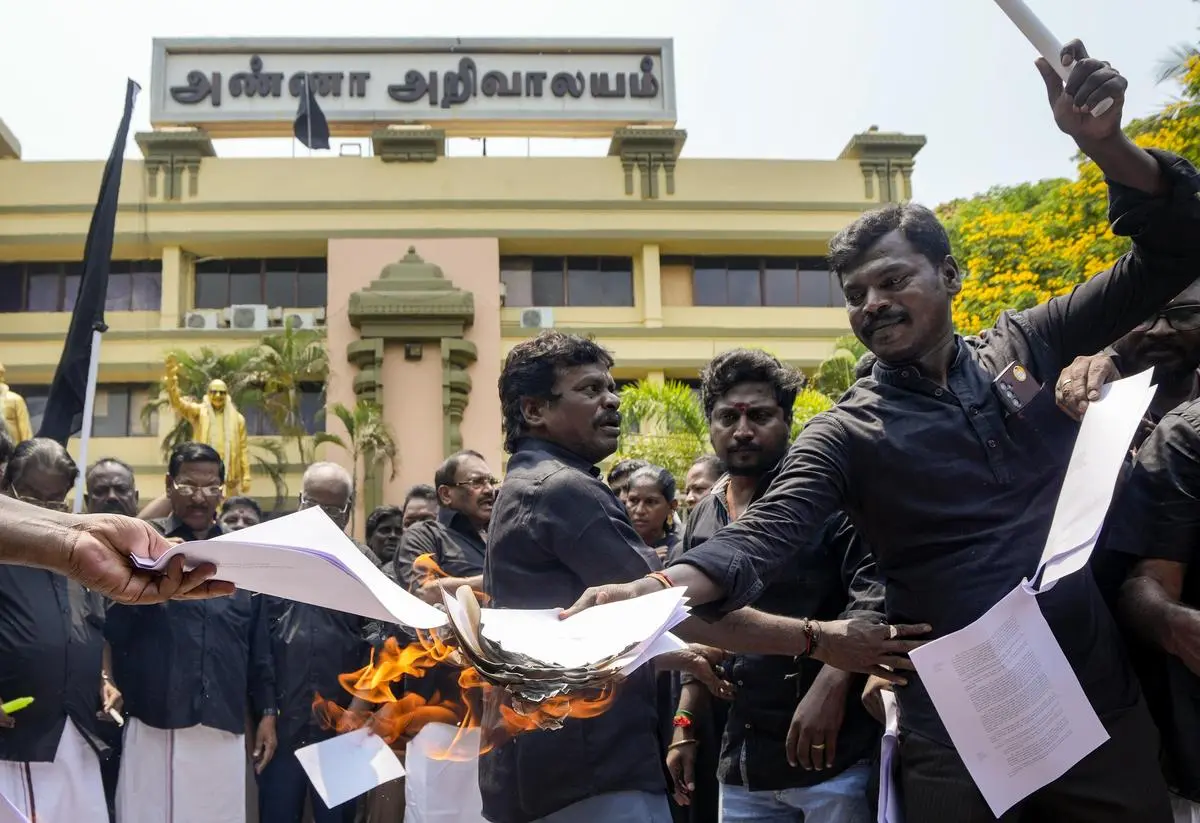
Women’s Reservation Bill 2026
The Constitution (131st Amendment) Bill, 2026 was defeated in Lok Sabha, revealing deeper political conflicts over women's reservation and delimitation.
India
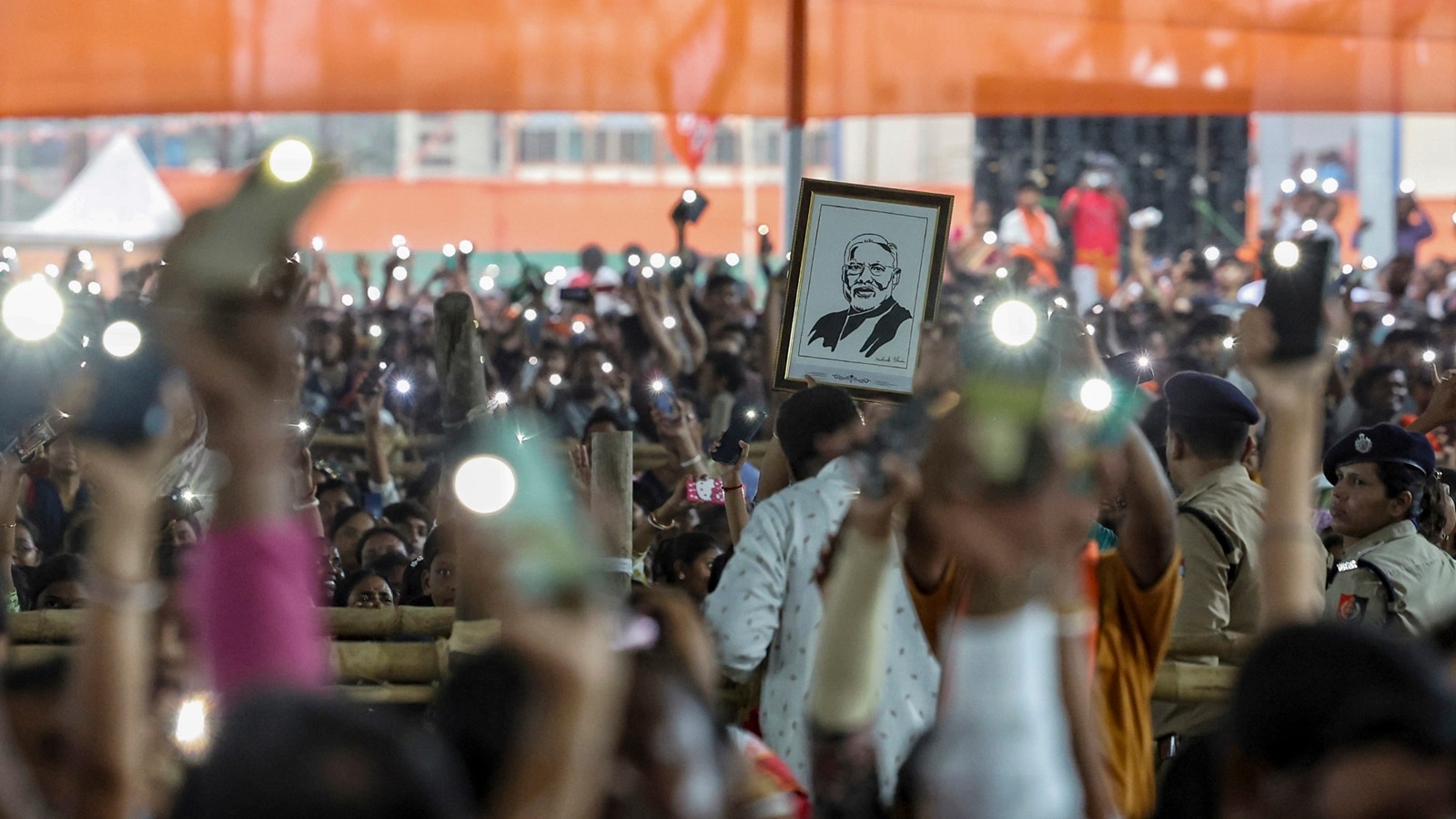
Modi's Women’s Convention in Varanasi
Modi's Varanasi rally frames women's reservation as a national mission, targeting the 2027 Uttar Pradesh elections with a strategic narrative.

Conflict & Security
Drone Warfare Killing Aid Workers at Unprec
Over 1,000 humanitarian workers killed in three years as cheap armed drones collapse legal protections. Gaza, Sudan, Ukraine, and DRC see deliberate targeting of aid convoys and hospitals with zero prosecutions.

Global
World Normalises Taliban as Afghan Women Eras
UN data shows Afghan women erased from public life as Russia recognises the Taliban, EU hosts officials in Brussels, and ICC warrants for gender persecution go unenforced.