Vijay's Political Rise vs Silent Tamil Nadu
Exploring the paradox of youth engagement in Tamil Nadu politics
Model Diplomat3 min readTamil Nadu
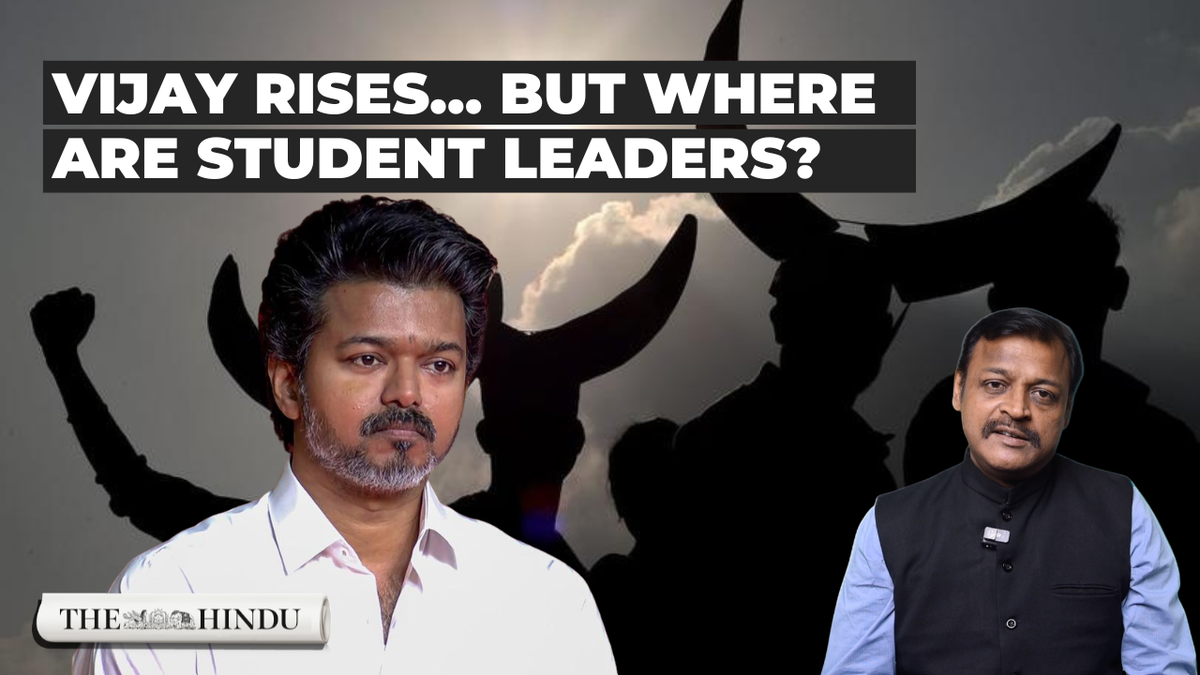
Vijay’s Political Surge Meets Quiet Tamil Nadu Campuses
Tamil Nadu’s youth show rising political energy, yet campuses fall silent as student elections and activism grind to a halt.
Tamil Nadu is witnessing a striking political paradox in 2026: actor-turned-politician Vijay commands a soaring popularity among the state's youth outside university walls, while inside campuses, student politics has all but evaporated. A recent video by The Hindu spotlighted this unusual divide—many colleges have stopped holding student elections, leaving a political void in an otherwise politically vibrant region.
Why Tamil Nadu’s Campus Silence Matters
Tamil Nadu has long been a crucible of student activism, with campuses shaping political leaders and debates that influence state-wide elections. Historically, student wings of regional parties—primarily DMK and AIADMK—mobilized vibrant campus politics, grooming cadres and acting as launchpads for political careers. The absence of elections and student union activity in 2026 breaks with this tradition, suggesting deeper shifts in how youth engage with politics.
This silence is not due to apathy. On the contrary, The Hindu notes a surge of political enthusiasm among Tamil youth, catalyzed by popular figures like Vijay, who leverage their mass appeal outside formal political channels. Vijay’s charisma and social media presence amplify this energy, engaging young voters who find traditional party structures stifling or irrelevant.
But without active campus organizations, political engagement risks losing its institutionalized, organized form. The absence of elected student bodies diminishes young voices in university governance and curtails grassroots democratic training. This could stall long-term political nurturing of new leaders and reduce accountability among student administrations.
The Larger Context: Political Shifts and Campus Autonomy
Why have elections disappeared? In part, political violence and factionalism have made student elections contentious and sometimes violent. Many universities and colleges have suspended polls citing campus safety and administrative concerns. The vacuum is not unique to Tamil Nadu; similar trends have emerged across India as campus politics becomes increasingly polarized and nationalized.
Additionally, the rise of influential celebrities in Tamil Nadu politics—Vijay included—signals a shift toward personality-driven politics. This trend transcends campus walls, mobilizing youth through culture and media rather than formal party activism. The decoupling of youth engagement from traditional student politics may reshape Tamil Nadu’s political landscape over the next decade.
What to Watch Next
The key question is whether Tamil Nadu’s silent campuses will remain politically dormant or if new forms of youth mobilization will emerge. Will student bodies regain elections in a safer climate, or will alternative platforms—digital or cultural—completely supplant formal campus politics?
Also, monitor how Vijay’s political momentum translates to institutional power. Is this surge a flash in the pan or a foundation for broader electoral success? If his popularity can be harnessed into party structures or electoral coalitions, it could redefine Tamil Nadu’s political map, traditionally dominated by DMK and AIADMK.
For now, Tamil Nadu offers a live case study in the evolving nature of youth political engagement—where televised charisma meets empty election halls, and where the future of democratic participation unfolds in real time.
For deeper understanding of India’s evolving political youth landscape, see India and broader
Global Politics.
Source: Watch: Vijay’s surge and the silence of Tamil Nadu’s campuses, The Hindu
Discover more
India
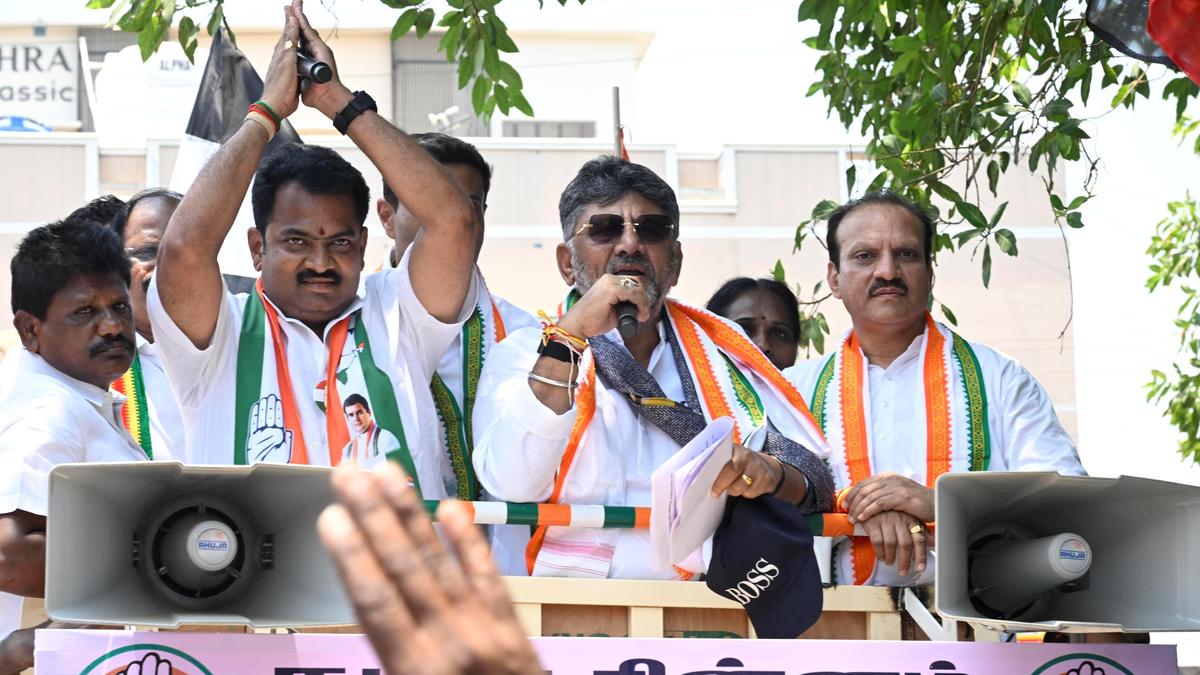
DMK-Congress Alliance Eyes Tamil Nadu Victory
The DMK-Congress alliance targets a two-thirds majority in Tamil Nadu's assembly elections, promising stability and reviving Congress's regional role.

India
India's Delimitation
India's delimitation could expand Lok Sabha seats and favor the North, igniting Southern opposition over representation, equity and regional political power.
India
India's 2026 Assembly Elections
India's 2026 assembly elections will reshape state and national politics, exposing voter trends and party dynamics that prove crucial for future contests.

Economics
Fed's Amex AML order puts correspondent banking on notice
Federal Reserve's Amex AML order requires board-level controls and a 90-day plan; OCC fined the bank $350 million over enterprise-wide deficiencies.