DMK-Congress Alliance Eyes Tamil Nadu Victory
Shivakumar's confidence signals political stability in Tamil Nadu.
Model Diplomat2 min readTamil Nadu
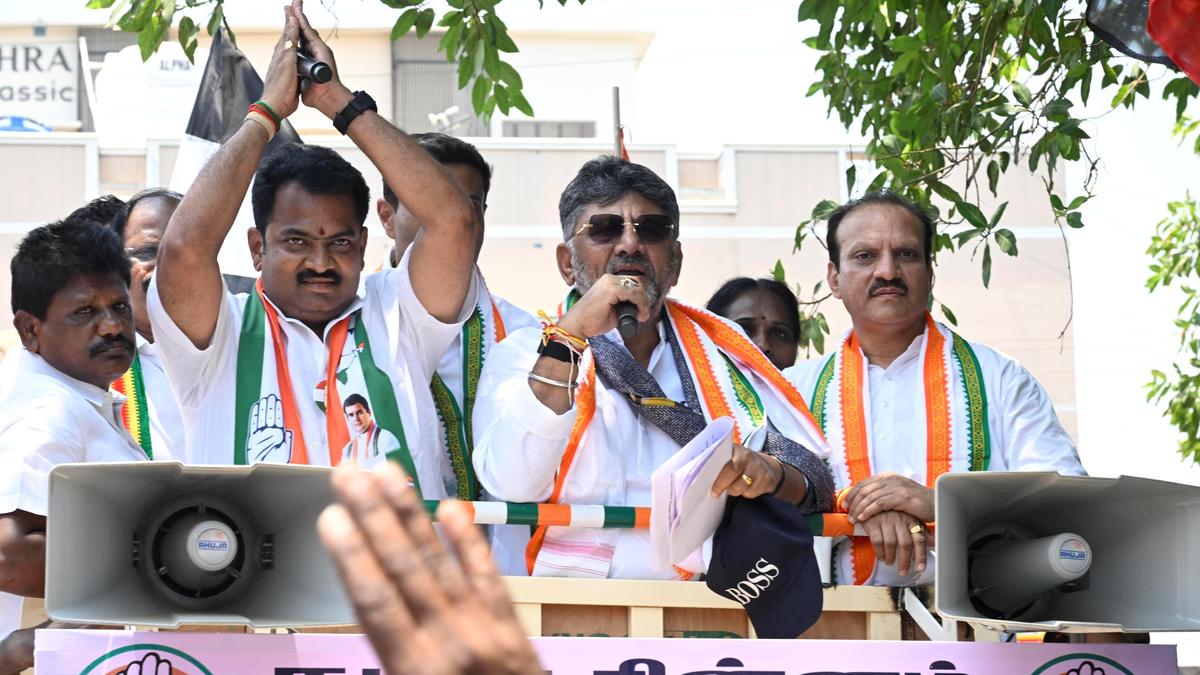
DMK-Congress Alliance Poised for Dominance in Tamil Nadu Assembly
Deputy CM Shivakumar’s affirmation highlights alliance strength—signal for Tamil Nadu’s political stability and Congress's revived regional clout.
Karnataka Deputy Chief Minister D.K. Shivakumar stated unequivocally that the DMK-Congress alliance in Tamil Nadu is not only intact but set to clinch a two-thirds majority in the upcoming state assembly elections. Campaigning for Congress candidate Gopinath P, Shivakumar framed this projected triumph as crucial for ensuring governance stability and peace in Tamil Nadu. This assertion sheds fresh light on the evolving dynamics of South Indian politics, especially in the context of the Congress party’s fluctuating fortunes.
Why This Matters
Tamil Nadu’s political landscape has traditionally revolved around strong regional parties—primarily the DMK and AIADMK—with Congress struggling to maintain relevance independently for years. The DMK-Congress alliance, renewed and reinforced ahead of these elections, marks a strategic shift. The promise of a two-thirds majority, if realized, would deliver the DMK an unquestioned mandate to govern without coalition compromises, while revitalizing Congress’s role as a critical partner rather than a sidelined player.
For the Congress, Karnataka’s Deputy CM’s robust support signals a broader regional alignment that could prove pivotal. Karnataka, governed recently by a Congress-Janata Dal(S) coalition, shares linguistic and cultural ties with Tamil Nadu, and a strong show in Tamil Nadu could have ripple effects on South Indian federal politics. This boost in Tamil Nadu also counters the narrative of Congress’s decline in southern states, where caste-based and regional identities have overshadowed national parties.
Politically, stability in Tamil Nadu after the elections is key—not only for the state’s economic development but also for managing regional demands and inter-state water issues that often flare up politically. Shivakumar’s emphasis on peace and governance stability directly addresses voter concerns about law and order and policy continuity.
What to Watch
The next few weeks will be critical to monitor the alliance's campaign momentum and how opposition forces, particularly the AIADMK and newer regional players, react. Will the DMK-Congress combine mobilize voters effectively across rural and urban constituencies? How will the alliance reconcile any ideological differences in governance proposals post-election?
Also worth watching is the Congress’s candidate slate and how leaders like Gopinath P perform on the ground. Their success or failure will illustrate the level of Congress’s grassroots strength in Tamil Nadu going forward, which is significant for future Lok Sabha elections in the region.
Finally, this development is a reminder of Tamil Nadu’s distinctive political ecosystem that often defies pan-Indian trends and politics, underscoring why analysts closely watch this state for insight into India’s regional power balances.
For deeper context on the state’s political currents, see our India and
Global Politics pages.
Discover more
India
India's Delimitation Plan
India's new delimitation plan would let southern states keep their Lok Sabha seats, balancing demographic shifts against political power in the rework.

India
India's Delimitation
India's delimitation could expand Lok Sabha seats and favor the North, igniting Southern opposition over representation, equity and regional political power.
India
Delimitation Threatens Southern States' Power
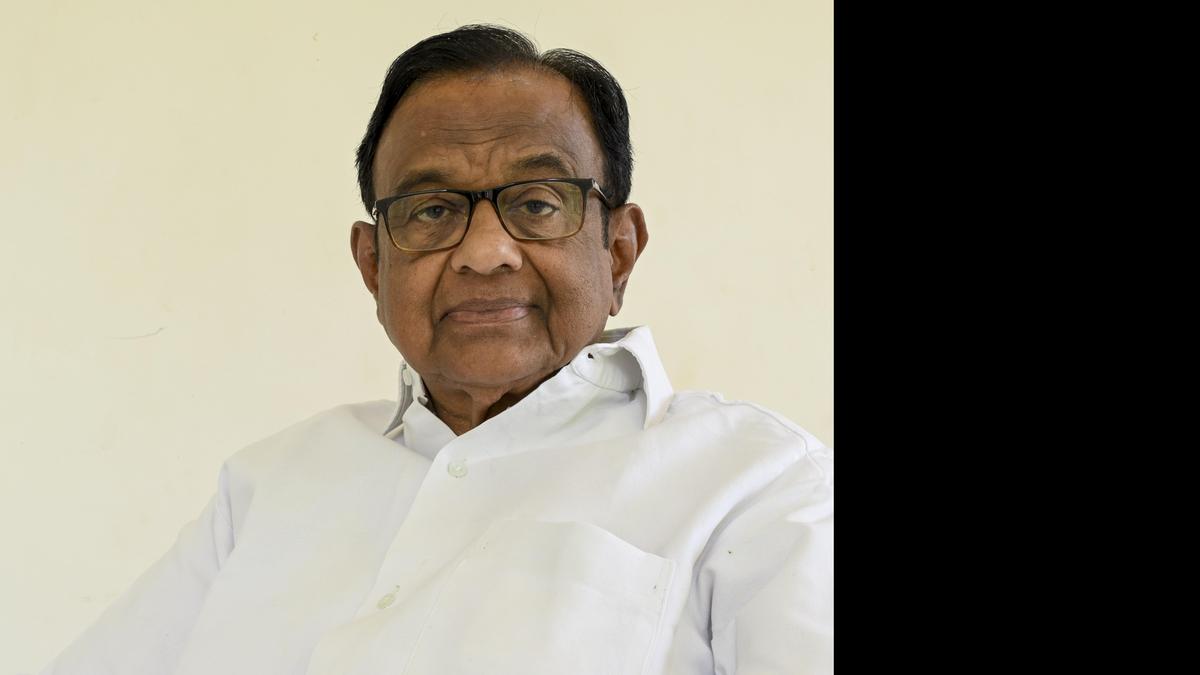
P. Chidambaram warns India's delimitation plan could dilute southern states' parliamentary influence, reshaping the country's political balance and power map.

Economics
Fed's Amex AML order puts correspondent banking on notice
Federal Reserve's Amex AML order requires board-level controls and a 90-day plan; OCC fined the bank $350 million over enterprise-wide deficiencies.