Delimitation Threatens Southern States' Power
P. Chidambaram warns of reduced parliamentary power for the South
Model Diplomat3 min readIndia
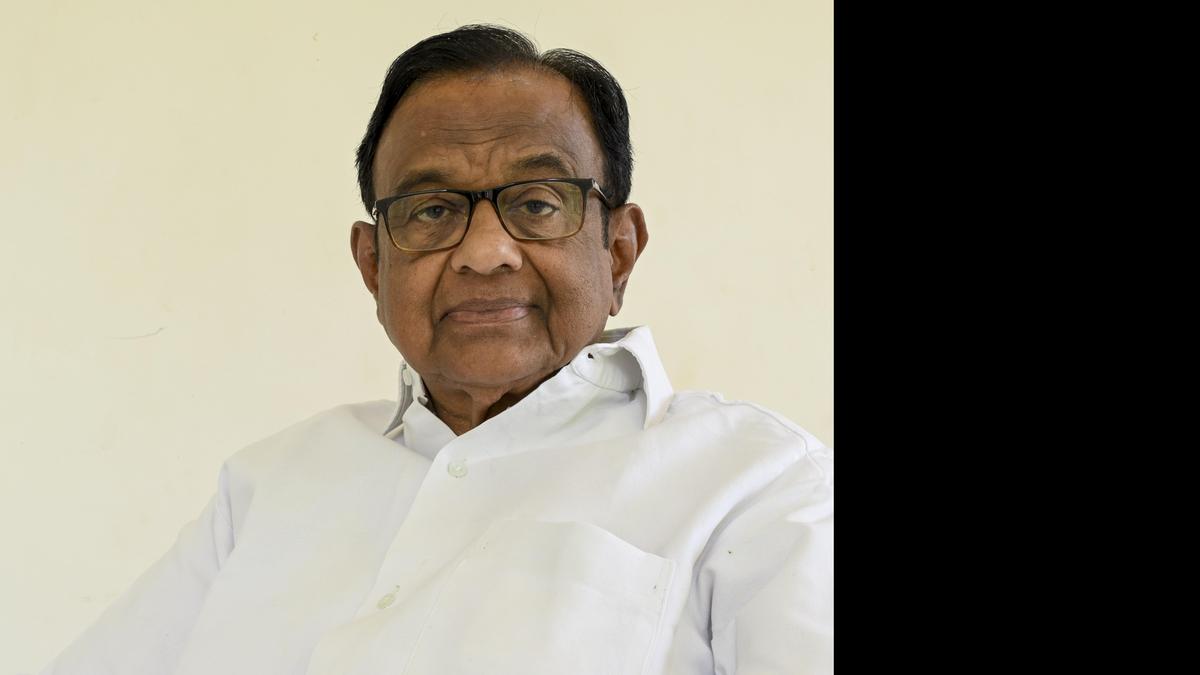
Delimitation Move in India Risks Diluting Southern States’ Parliamentary Influence
P. Chidambaram warns the planned Lok Sabha seat increase and delimitation could weaken the southern states’ voice in Parliament, reshaping India’s political balance.
Veteran Congress leader P. Chidambaram has raised a red flag on the Indian government’s recent move to increase the number of Lok Sabha seats by about 50% ahead of a delimitation exercise, arguing that it will inevitably reduce the political influence of southern states like Tamil Nadu, Kerala, Karnataka, and Andhra Pradesh. His critique comes as these states face what he calls a “misleading” arrangement that inflates overall seats first, only to re-draw boundaries that may shrink their effective representation in Parliament.
Why This Matters: Political Weight and Federal Balance
India’s Lok Sabha (House of the People) currently has 543 elected seats. The government’s plan to boost this by nearly half — to accommodate demographic shifts over decades — seems on the surface an effort to reflect population growth. But Chidambaram’s concern points to a deeper game: the southern states, which have seen slower population growth relative to some northern states, may lose clout once the delimitation (redrawing of constituency boundaries) recalibrates seat allocation.
Delimitation is meant to ensure proportional representation based on the latest census, but southern states have benefitted from a freeze on seat redistribution since 1976 precisely because their population control efforts have been relatively successful. Tamil Nadu, Kerala, Karnataka, and Andhra Pradesh have had a seat allocation freeze until 2026, giving them a relatively larger voice compared to states with higher fertility rates.
Chidambaram argues that increasing seats before delimitation creates a sleight of hand that disadvantages the South. Essentially, the northern and eastern states — where population growth has boomed — are poised to gain more seats, diluting the South’s historical weight. He frames it as a strategic move by the ruling Bharatiya Janata Party (BJP), which has stronger roots in the Hindi heartland, to consolidate power in Parliament.
This shift has profound implications not just for electoral politics, but for federalism in India. Southern states have distinct political cultures, languages, and policy preferences, and cutting their parliamentary voice risks ignoring those differences at the national level. It also undermines the incentive for population control and inclusive development that some southern states have pursued.
Historical and Political Context
The delimitation freeze from 1976 to 2026 was a unique federal bargain: states that controlled population growth accepted a freeze on gaining more seats, while those with higher fertility retained their higher share. By revisiting this arrangement now with a seat expansion, the center reverses that deal, possibly rewarding states with higher population growth but less emphasis on social development.
Politically, this benefits parties dominant in northern India, notably the BJP and its allies, and weakens opposition parties that have traditionally done well in the South, including Congress and regional outfits. With national elections looming in 2029, this recalibration could skew parliamentary arithmetic in ways that reshape India’s political landscape.
What to Watch Next
- Delimitation Commission’s Draft Maps: The upcoming boundary redraws will reveal concretely how seats are redistributed. Close attention will show which districts gain or lose political heft.
- Political Pushback and Legal Challenges: Southern states and their leaders, like Chidambaram, could mobilize opposition through campaigns or court cases, testing the limits of federal autonomy.
- Impact on National Parties: The BJP’s ability to leverage this redistricting for long-term dominance versus the Congress and regional parties’ responses will be key to India’s next electoral cycles.
- Policy Implications: Reduced southern representation might affect federal budget allocations, linguistic and cultural protections, and national policy priorities.
This delimitation move is more than a technical adjustment — it’s a recalibration of power within India’s complex federal democracy, with consequences that extend far beyond Parliament’s seat count.
For more on India’s shifting political landscape, see India | Model Diplomat.
Source: The Hindu, April 2026
Discover more
India
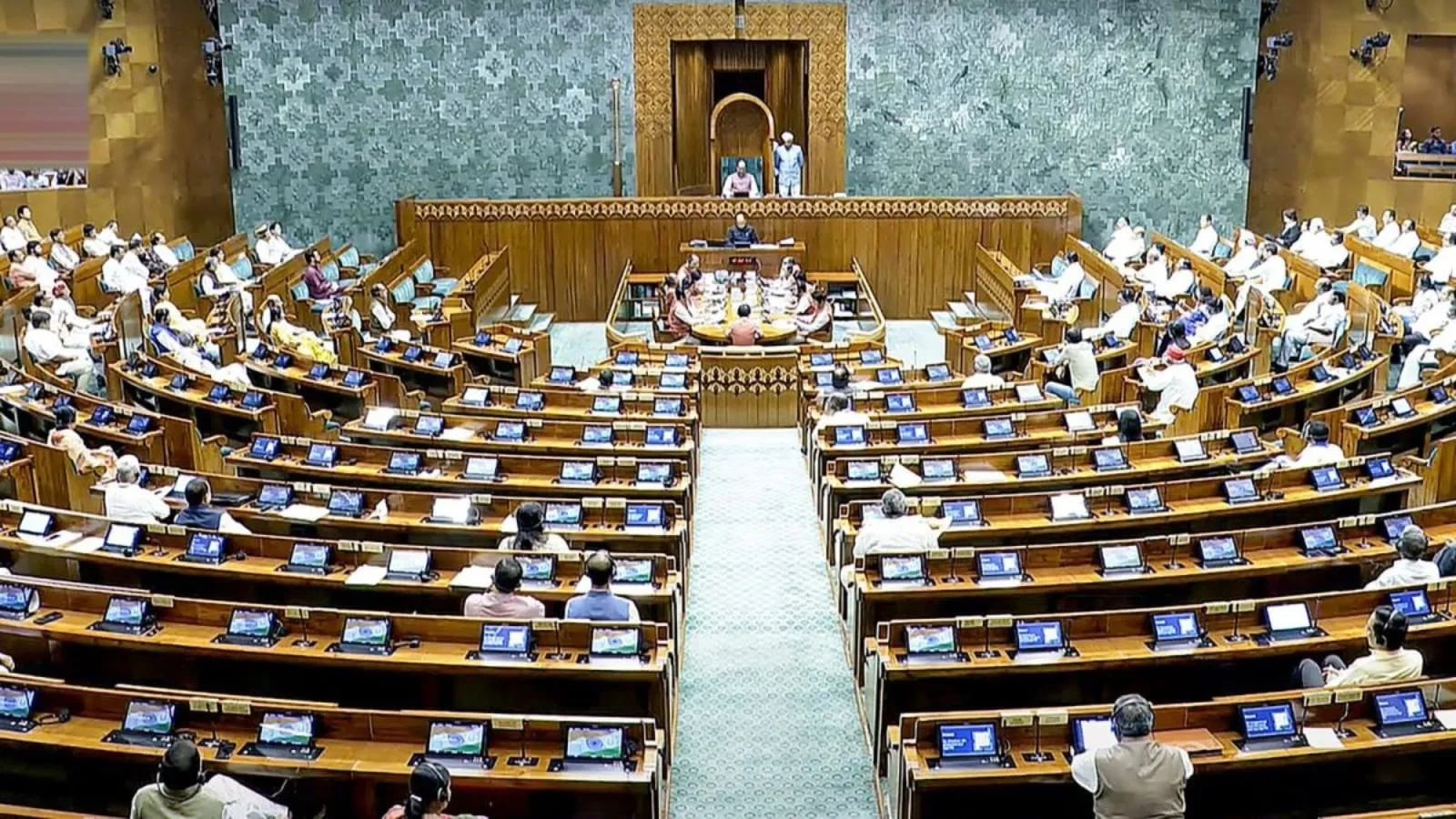
India's Delimitation Plan
India's new delimitation plan would let southern states keep their Lok Sabha seats, balancing demographic shifts against political power in the rework.
India
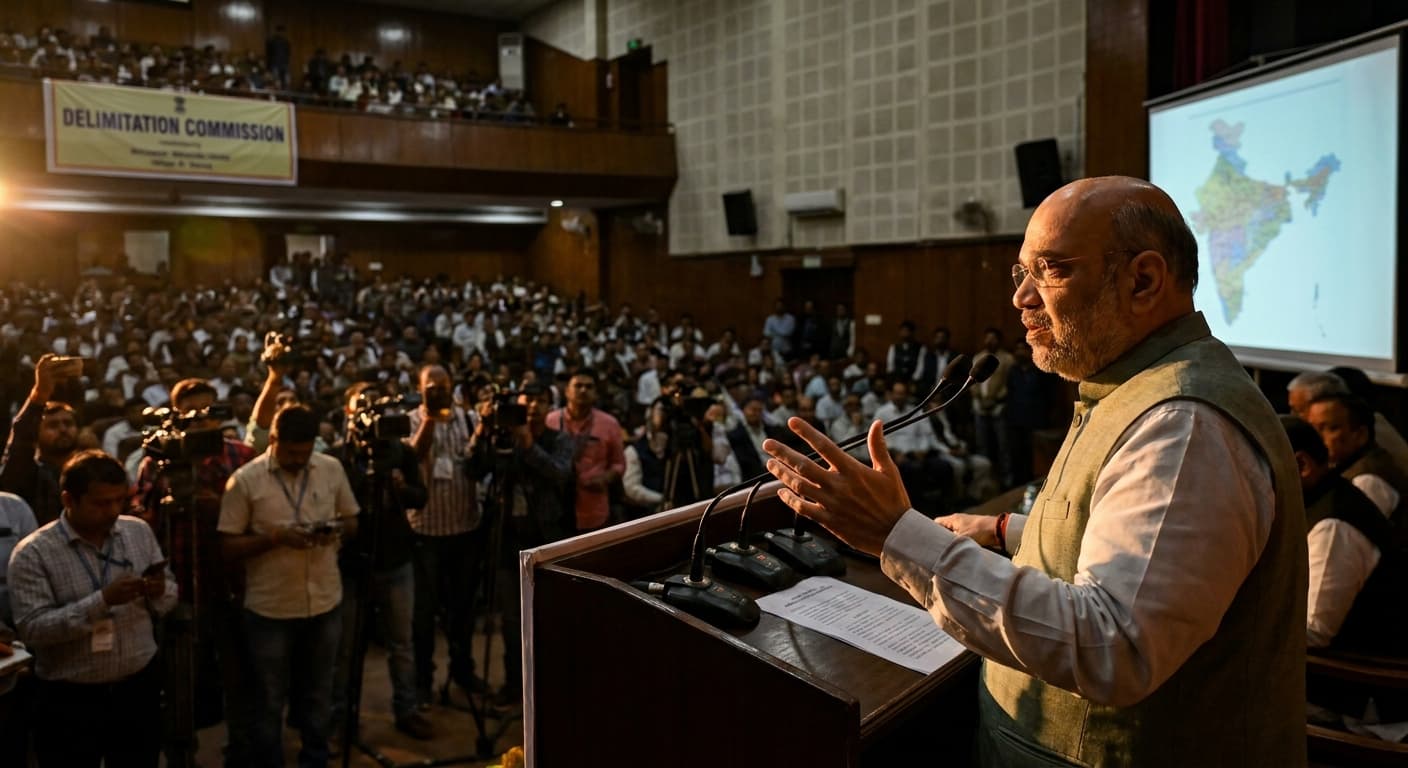
Amit Shah's Delimitation Boosts Southern MPs
Amit Shah said southern states will gain Lok Sabha seats under delimitation, boosting their representation while advancing women's reservation efforts in India.
India
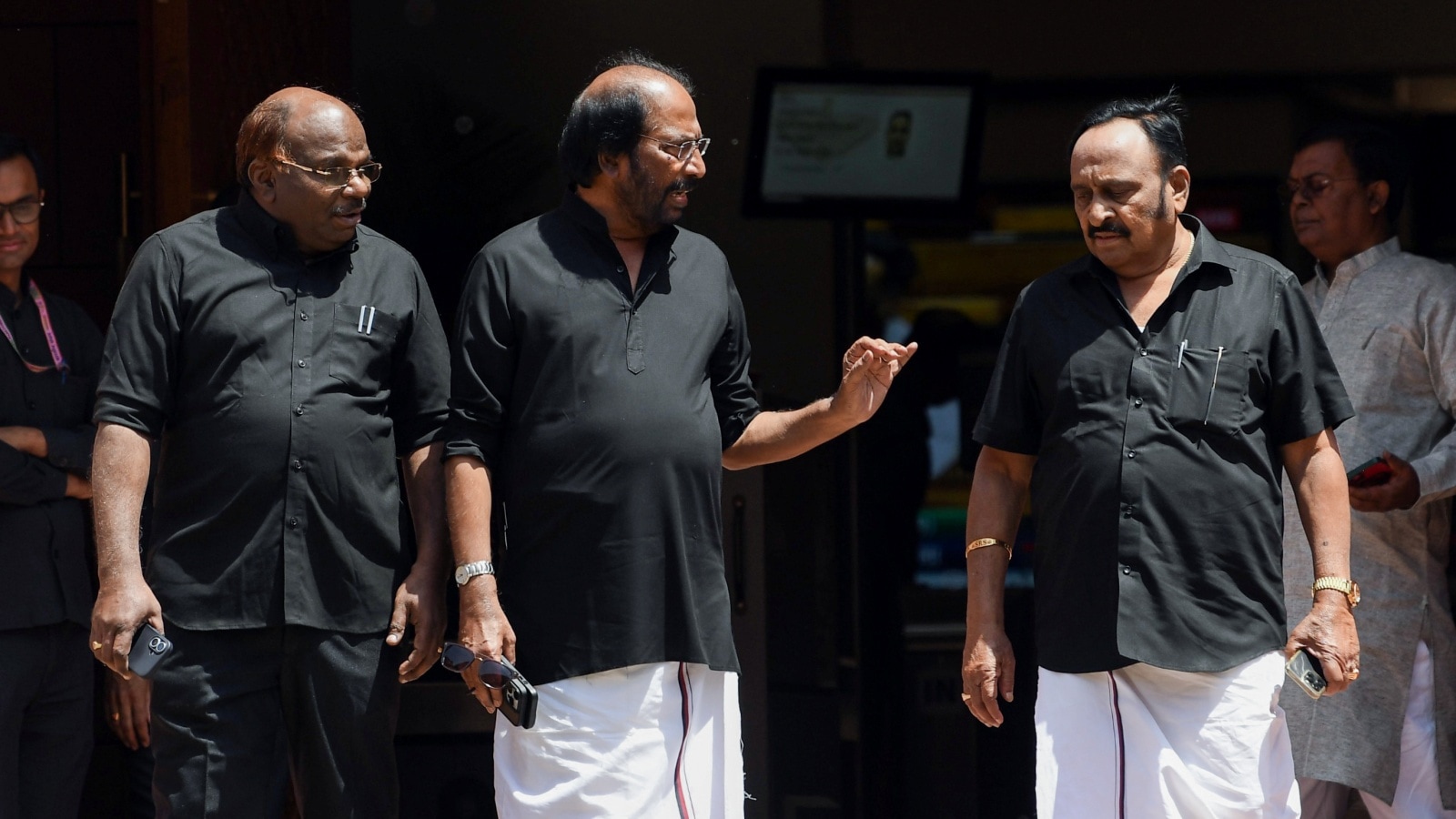
Delimitation Bill Controversy
India's Delimitation Bill ignites fierce debate, raising fears over federal representation and shifting the balance of political power among the states sharply.

Economics
Fed's Amex AML order puts correspondent banking on notice
Federal Reserve's Amex AML order requires board-level controls and a 90-day plan; OCC fined the bank $350 million over enterprise-wide deficiencies.