India's Delimitation
Redrawing parliamentary boundaries sparks regional opposition
Model Diplomat3 min readIndia

India’s Delimitation Exercise: Why North vs South Divides Are Heating Up
India plans to redraw parliamentary boundaries, potentially boosting Lok Sabha seats from 543 to 850. Northern states stand to gain, sparking southern opposition.
India’s long-simmering political landscape is roiling again after the central government flagged a major delimitation exercise. The process, constitutionally mandated to redraw legislative assembly and Lok Sabha (lower house of Parliament) constituencies based on population shifts, is poised for a significant overhaul. This time, the plan could increase Lok Sabha seats from the current 543 to as many as 850, disproportionately favoring northern states. This has ignited fresh fears of regional imbalance and political marginalization, especially in the South.
What Is Delimitation and Why Now?
Delimitation is a decennial exercise carried out to ensure equitable representation as population demographics change. Last conducted comprehensively in 2008, the next constitutionally authorized round was long frozen until 2026 because of concerns that states with successful family planning would lose seats to those with higher population growth.
The government’s current proposal breaks that freeze, citing the need to reflect updated Census data. The catch? The vast population differences between northern states like Uttar Pradesh and Bihar, where fertility rates remain relatively high, and southern states like Tamil Nadu and Kerala, which have slowed population growth drastically.
According to the Hindustan Times, this could mean raising Lok Sabha seats by over 50%, from 543 to about 850, with northern states gaining the lion’s share. In Madhya Pradesh, Uttar Pradesh, Bihar, and Rajasthan, seats could expand substantially in line with their demographic weight, while many southern states risk losing relative representation or seeing minimal increases Hindustan Times.
Why This Matters: The North-South Political Fault Line
This delimitation is far more than a technical exercise. Indian politics is deeply regionalized, and representation translates directly to influence in crafting national policy and resource allocation. Northern states have historically dominated the Lok Sabha, but this leap in seats cements that dominance for at least the next two decades.
Southern states, with their success in controlling population growth and advanced socioeconomic indicators, see this as a penalty for their achievements. They fear that by boosting northern representation, the government institutionalizes a demographic advantage for less developed regions, threatening regional balance and federal equity.
The opposition parties, many with strong southern bases, have rallied against the move, framing it as an existential threat to the federal structure and regional autonomy. The Congress party and several regional players argue that it dilutes the political voice of the South and concentrates power in the hands of the northern-ruled ruling coalition.
What to Watch Next
Parliamentary and state-level political battles over delimitation will intensify in the coming months. Southern political parties could use legal challenges and parliamentary maneuvering to slow or reshape the process, while northern states lobby aggressively to lock in gains.
Also critical is how this shift will influence upcoming elections. More seats in the numerically dominant North could help consolidate ruling coalition strength nationwide. However, it risks alienating large southern constituencies, potentially deepening regional polarization.
For observers of Indian politics and federalism alike, the delimitation exercise will serve as a bellwether for the future balance of power—between regions, parties, and demographic blocs. The stakes extend beyond seat counts, touching the fundamental question of how a diverse, populous democracy like India balances growth, representation, and equity.
Learn more about the political dynamics shaping India at India Profile and the broader battlefield of
Global Politics.
This delimitation could redraw the map of Indian democracy, literally and figuratively, and how the country navigates this contentious process will shape its political structure for decades.
Discover more
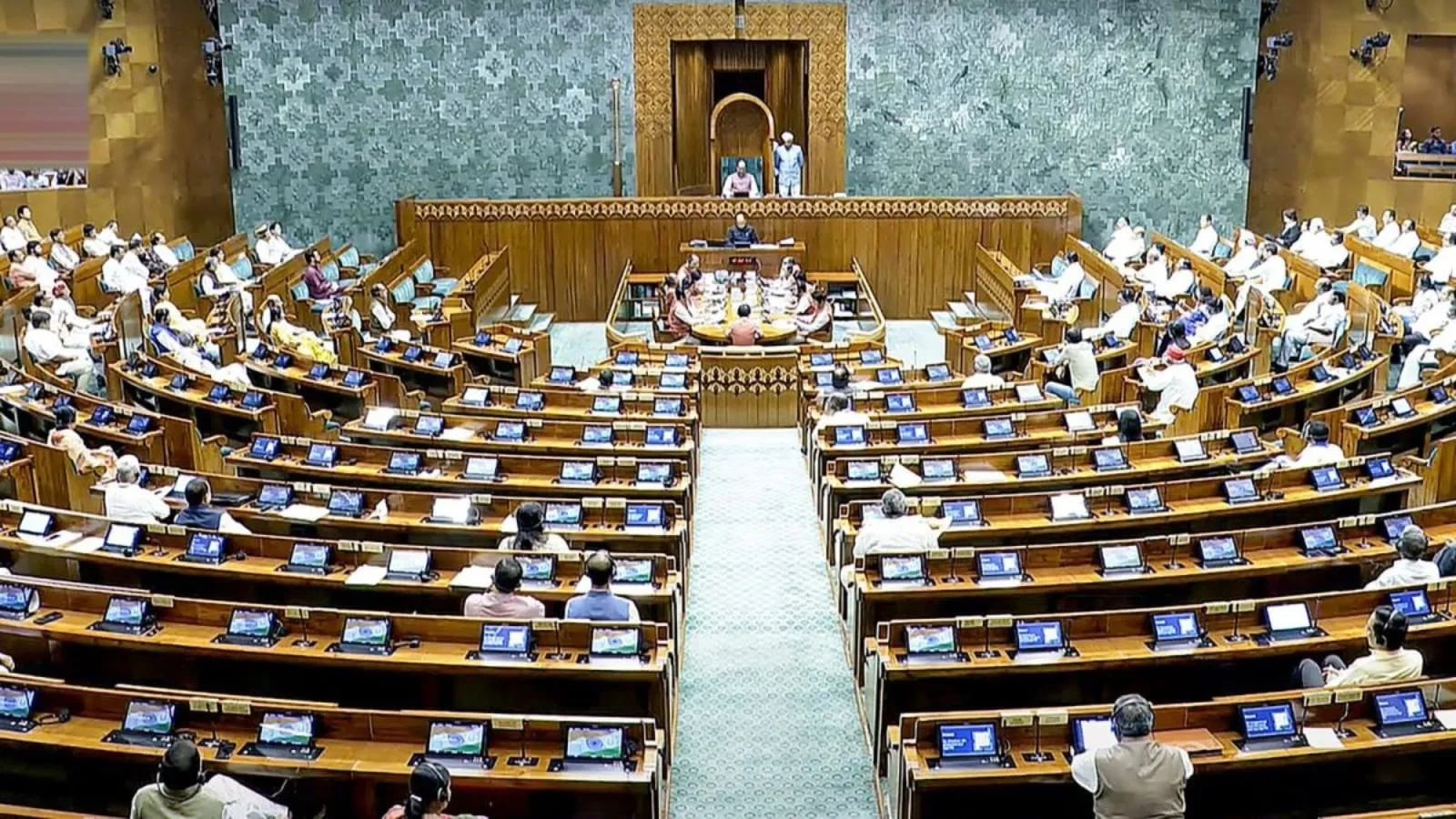
India
India's Delimitation Plan
India's new delimitation plan would let southern states keep their Lok Sabha seats, balancing demographic shifts against political power in the rework.
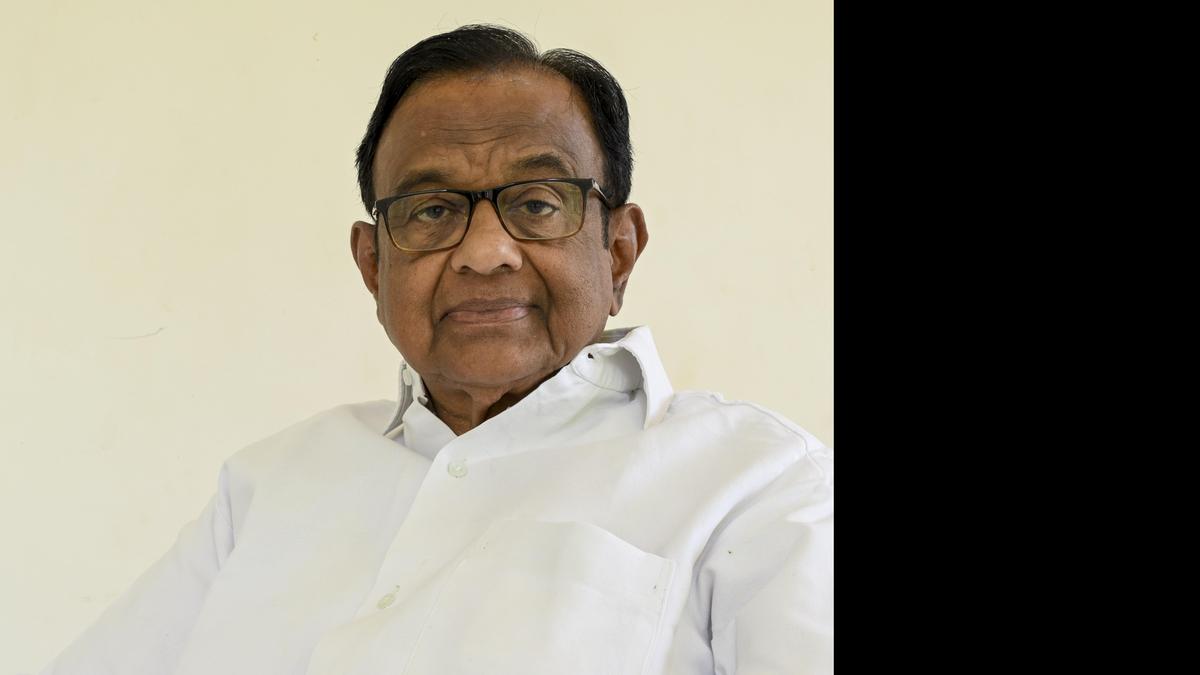
India
Delimitation Threatens Southern States' Power
P. Chidambaram warns India's delimitation plan could dilute southern states' parliamentary influence, reshaping the country's political balance and power map.
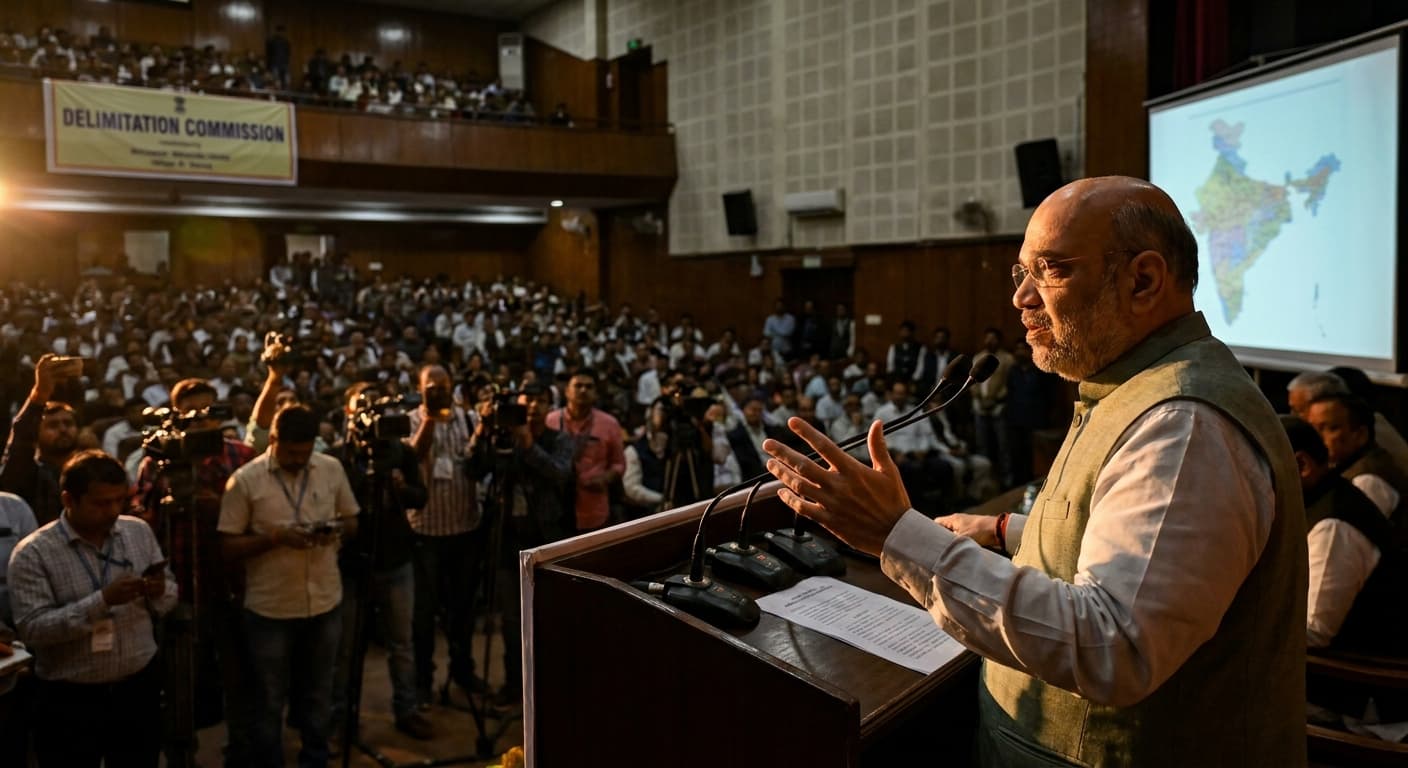
India
Amit Shah's Delimitation Boosts Southern MPs
Amit Shah said southern states will gain Lok Sabha seats under delimitation, boosting their representation while advancing women's reservation efforts in India.

Economics
Fed's Amex AML order puts correspondent banking on notice
Federal Reserve's Amex AML order requires board-level controls and a 90-day plan; OCC fined the bank $350 million over enterprise-wide deficiencies.