India's 2026 Assembly Elections
Exploring the impact of state polls on national politics in India
Model Diplomat3 min readIndia
Assembly Elections 2026: What India’s State Polls Reveal About the National Mood
India’s 2026 assembly elections spread across nine states will test party strongholds, turnout trends, and regional political shifts crucial for the next general election.
India’s 2026 assembly elections officially launched with a staggered schedule covering Kerala, Tamil Nadu, West Bengal, Puducherry, Assam, Karnataka, Nagaland, and Tripura. Alongside these major elections, several bypolls will also be closely watched. The Hindu’s dedicated election hub aggregates state-wise poll dates, real-time results, and aggregate turnout analyses, making it a transparent window into regional political currents this year (The Hindu).
Why These Elections Matter More Than Ever
Assembly elections in India shape not just state governments but also national politics. States like West Bengal, Tamil Nadu, and Karnataka have historically been kingmakers due to their population size and vibrant political activism. For example, Tamil Nadu and West Bengal are often seen as seat banks for regional parties that hold sway over central coalitions. This cycle's outcomes will indicate whether traditional regional parties can maintain dominance or if the ruling Bharatiya Janata Party (BJP) and its allies can make deeper inroads.
Kerala’s election is especially critical as it pits the long-standing Left Democratic Front against the Congress-led United Democratic Front in a state known for high voter engagement and ideological polarization. Assam and Nagaland’s elections carry weight for northeast connectivity and the BJP’s ambitions to consolidate its presence in this strategically sensitive region.
Turnout is another crucial metric tracked by The Hindu. Karnataka and Kerala consistently report above-average participation, signalling deeply engaged electorates, while variations in turnout in West Bengal and Tripura could signal shifting voter enthusiasm—a bellwether of public sentiment on governance and local issues like development, identity politics, and economic welfare.
The Strategic Importance of Bypolls and Smaller States
Bypolls, often overlooked, can alter power balances in state assemblies with tight margins or act as referendums on the sitting government’s performance post-general election cycles. The outcomes here may influence party strategies ahead of the 2029 general elections.
Small but politically significant states like Puducherry and Tripura often reflect larger national trends in microcosm. Tripura, for instance, after years of Left governance, swinging towards BJP in recent cycles, will be scrutinized for continuity or anti-incumbency signs.
What to Watch Next
- Regional Parties vs. BJP: Will the BJP expand its footprint in southern and northeastern states traditionally dominated by strong regional players? A BJP surge could realign national coalition dynamics.
- Turnout Patterns: High or low voter turnout, especially among youth and marginalized groups, will be an early indicator of political mobilization ahead of 2029.
- Policy Resonance: How well parties’ campaigns addressing local economic concerns, law and order, and identity politics translate into votes will highlight voter priorities.
- Post-Election Alliances: Potential coalitions or post-poll mergers could reshape state power and influence federal decision-making.
In sum, these assembly elections offer a granular, diverse snapshot of India’s democratic undercurrents. They not only determine leadership at the state level but also forecast the evolving contours of national politics—a must-watch for anyone tracking India’s political landscape and global geopolitics impacted by its electoral outcomes.
For more on regional politics and upcoming elections, visit our Global Politics section.
Discover more

India
India's Lok Sabha Expansion
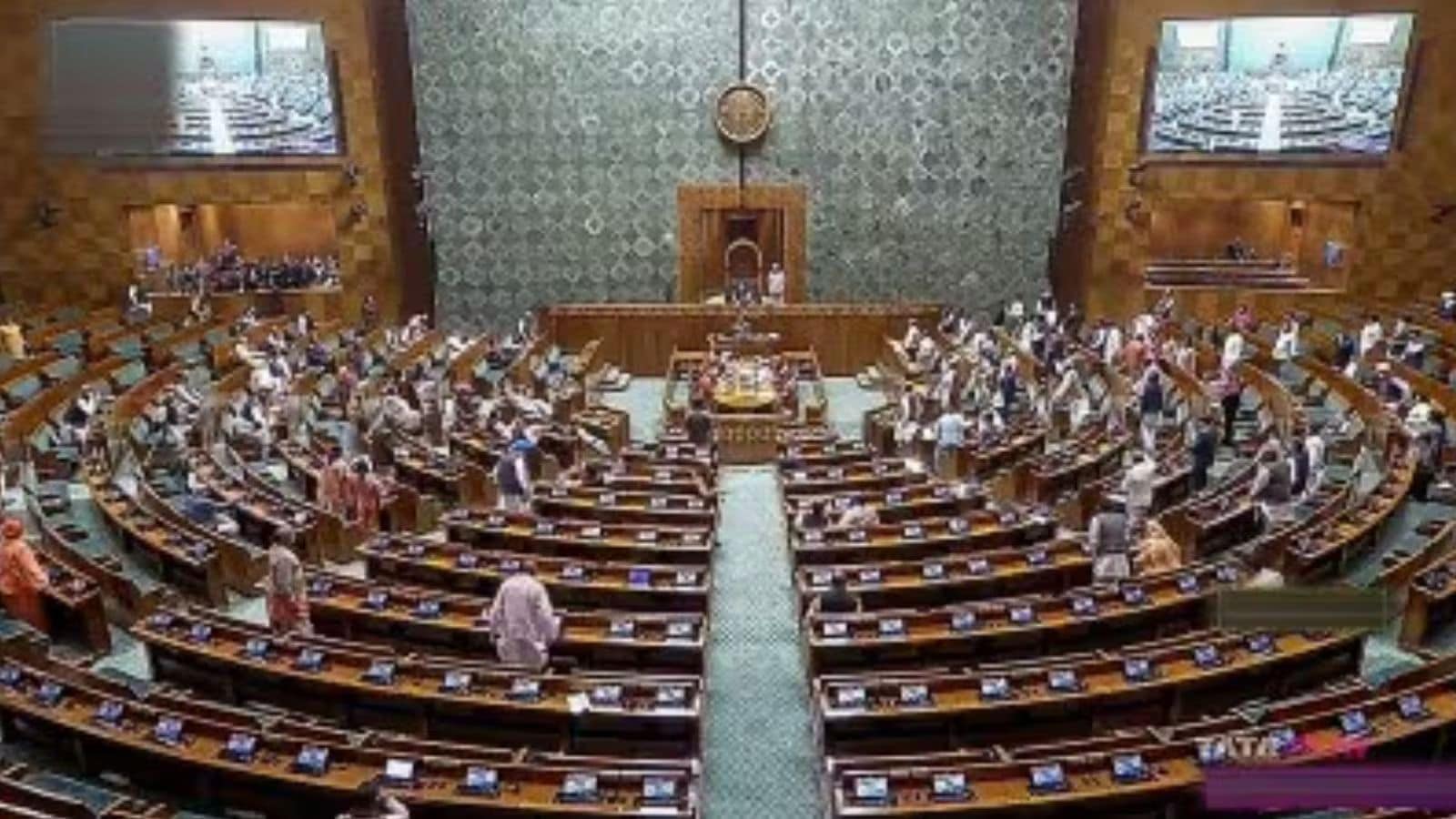
India's special Parliament session debated a bill to expand Lok Sabha seats, a move set to reshape power dynamics ahead of the 2031 Census and future polls.
India
India's Delimitation Debate
India's delimitation debate pits federalism against equal voter representation, with population-based seat changes set to reshape future electoral power.
India
INDIA Bloc Opposes Delimitation Bill 2029
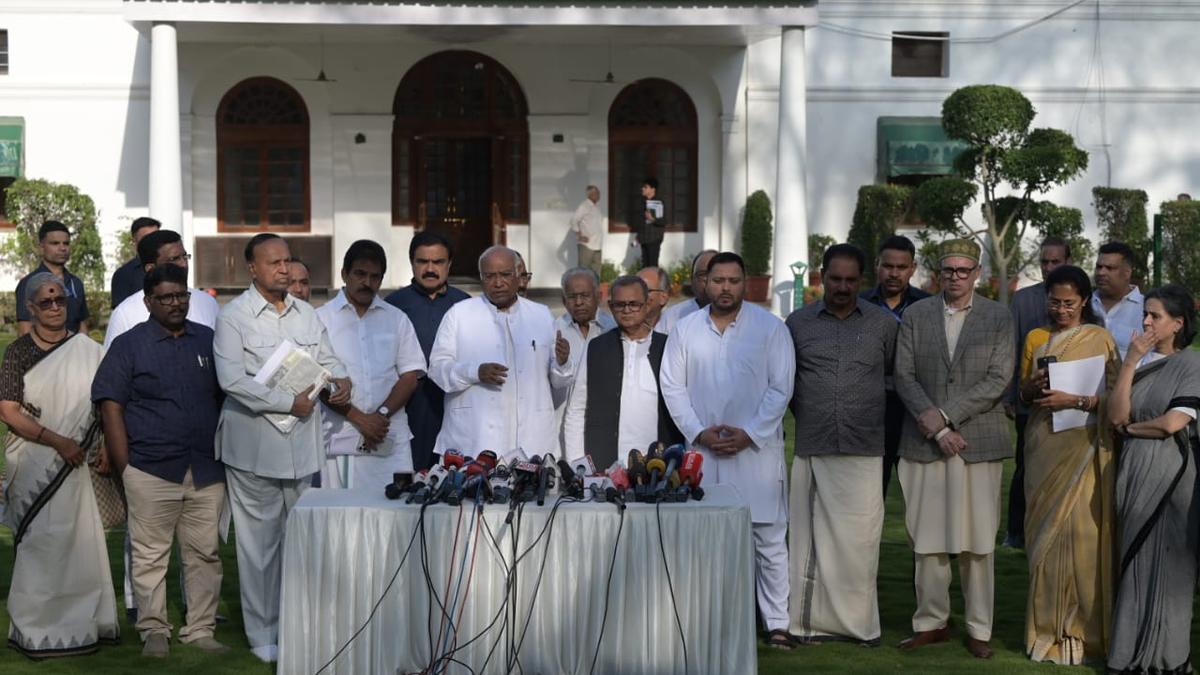
The INDIA bloc united in rejecting the Delimitation Bill, signaling its electoral strategy and battle lines as parties gear up for the 2029 general elections.

Economics
Fed's Amex AML order puts correspondent banking on notice
Federal Reserve's Amex AML order requires board-level controls and a 90-day plan; OCC fined the bank $350 million over enterprise-wide deficiencies.