India's Delimitation Debate
Exploring the clash between state interests and voter representation
Model Diplomat3 min readIndia
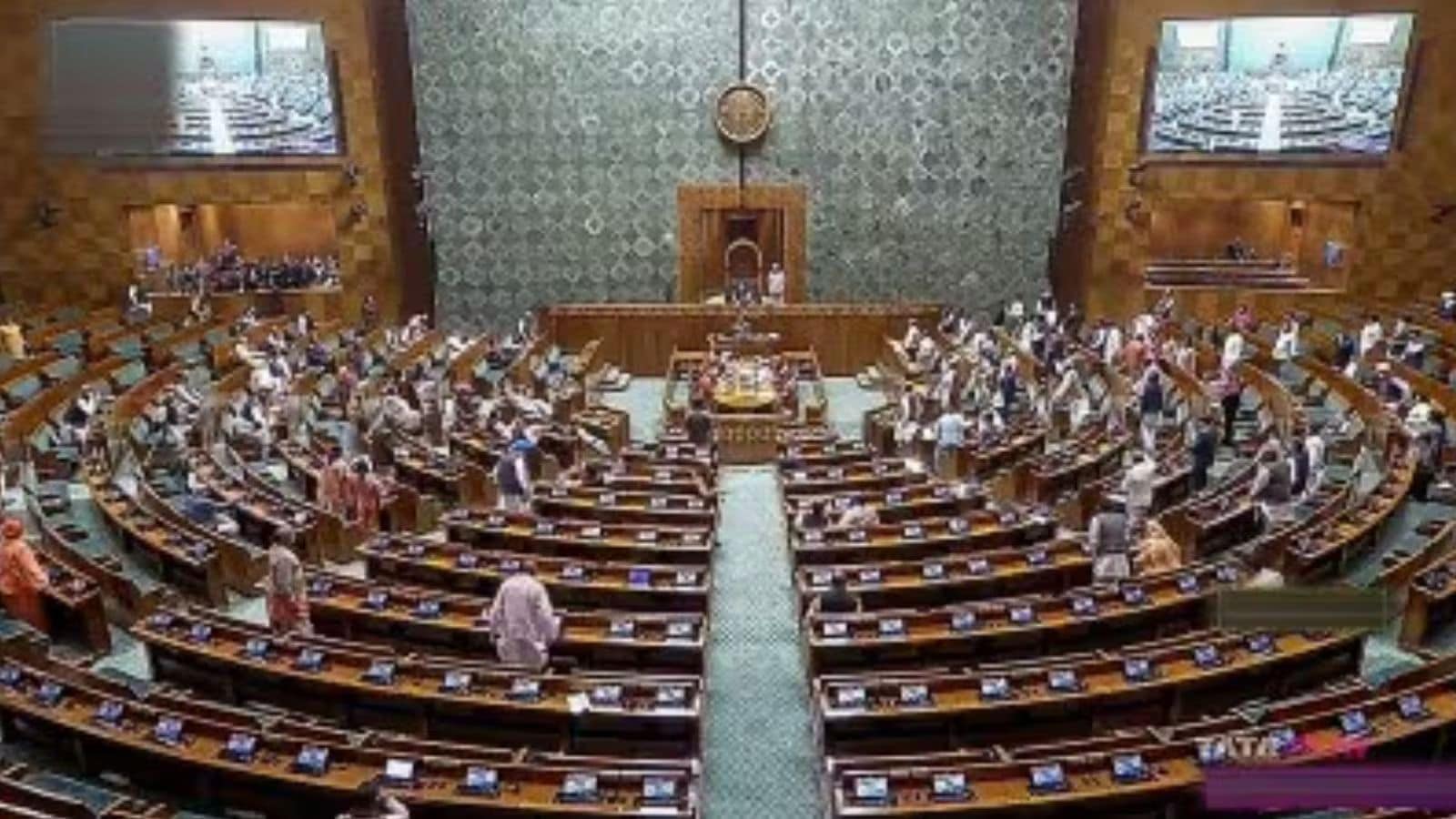
Delimitation Debate in India: Federalism vs Franchise Takes Center Stage
India’s delimitation debate is more than a technical electoral exercise — it’s a clash between protecting state interests and ensuring equal voter representation.
India is in the throes of a heated debate over delimitation — the redrawing of electoral constituencies — and it exposes a fundamental tension at the heart of Indian democracy: balancing federalism and the franchise. This isn’t just about lines on a map; it’s about whether states that have economically advanced and consequently achieved lower fertility rates should lose parliamentary seats to states with higher populations but slower growth.
Why Delimitation Matters Now
The last major delimitation exercise in India was frozen in the 1970s to incentivize family planning. The freeze means that rapidly growing states in the north and northeast, like Uttar Pradesh and Bihar, continue to have the same representation in the Lok Sabha (India’s lower house) as they did decades ago, despite their population surging. Meanwhile, states like Kerala, Tamil Nadu, and Punjab — which have lower birth rates and slower population growth — are underrepresented because their seat count has not adjusted downward.
The current debate, revived recently, has huge implications for India’s federal structure. Many southern and western states view any change that reduces their parliamentary seats as a threat to their political power and autonomy. They argue that delimitation must respect federalism — safeguarding the voice of states rather than simply following population figures. On the other side, proponents of adjustment insist that representation should reflect the principle of the franchise: one person, one vote.
The Federalism vs Franchise Dilemma
This clash reflects competing visions of Indian democracy. Federalism, enshrined in the Constitution, gives states significant leeway and requires political representation to protect regional interests and identity. Yet the franchise demands equal weight to every citizen’s vote, a principle undercut by decades of frozen seat allocation.
Which should prevail? The answer is not straightforward. If India adjusts seats strictly based on population, states with higher fertility rates and less economic development gain more parliamentary power. This risks incentivizing higher birth rates and could diminish the political influence of states that have invested heavily in human development and family planning.
Conversely, if delimitation does not happen, the electoral map increasingly misrepresents citizen numbers, violating democratic equality. This is particularly pressing as India’s population dynamics shift, with some states on a demographic decline and others growing rapidly.
What to Watch Next
The government faces a delicate balancing act. Post-2014 politics has seen the rise of regional parties and increased demands for state autonomy, which complicates federal negotiations on delimitation. The stakes also include how delimitation will shape the next decade of parliamentary politics and policy priorities.
Key developments to follow:
- Will the government extend or revise the freeze on seat allocation beyond 2026, when delimitation is expected to resume?
- How will the political parties from both fast-growing and slow-growing states negotiate this zero-sum game?
- Could India consider innovative solutions, such as weighted voting systems or constitutional amendments, to reconcile federalism with the franchise?
India’s delimitation debate is a live demonstration of the evolving challenges in managing democracy in a diverse, federal system. It’s a test of how India balances regional identities with electoral fairness—a question that goes beyond India and resonates globally in federations facing demographic shifts.
For more on India’s political structure and federal dynamics, see our India profile. For context on electoral systems and democratic representation, visit
Global Politics.
Delimitation is about federalism vs franchise. Post-2014 politics is ... - Indian Express
Discover more
India
Delimitation in India
India's delimitation exposes a deepening struggle between federalism and equal voting power under Modi's centralizing politics and shifting seat allocation.
India
Delimitation Bill Controversy
India's Delimitation Bill ignites fierce debate, raising fears over federal representation and shifting the balance of political power among the states sharply.

India
India's Delimitation
India's delimitation could expand Lok Sabha seats and favor the North, igniting Southern opposition over representation, equity and regional political power.

Economics
Fed's Amex AML order puts correspondent banking on notice
Federal Reserve's Amex AML order requires board-level controls and a 90-day plan; OCC fined the bank $350 million over enterprise-wide deficiencies.