INDIA Bloc Opposes Delimitation Bill 2029
Opposition alliance's strategy against electoral redistricting
Model Diplomat3 min readIndia
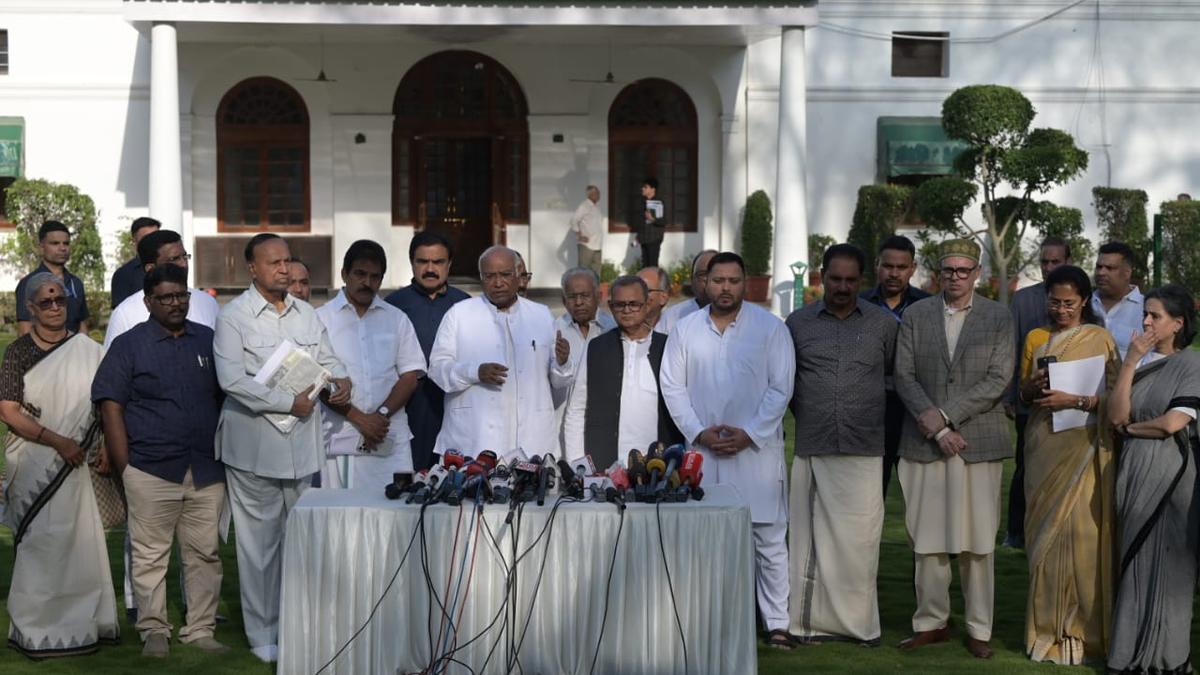
INDIA bloc united in opposing Delimitation Bill amid electoral stakes
The opposition INDIA bloc’s rejection of the Delimitation Bill spotlights deeper electoral math and political strategy ahead of India’s 2029 general election.
The INDIA opposition alliance, led by the Congress party, has made clear it will oppose the Delimitation Bill, which is currently before Parliament. AICC President Mallikarjun Kharge stressed the bloc’s unanimous stance against the bill, although he reaffirmed their support for the Women’s Reservation Bill previously passed by Parliament and backed by Congress in 2010 and 2023. This refusal to separate the two legislative efforts is a signal: the opposition wants to distinguish between their support for progressive reforms and their vehement resistance to what they see as a politically motivated delimitation exercise.
Why the Delimitation Bill matters—beyond the legal text
Delimitation—the redrawing of parliamentary and assembly constituency boundaries—has a profound impact on political power distribution. This current bill is premised on revising census- and demographic-based boundaries for seats in states like Uttar Pradesh, Bihar, and Maharashtra. The last delimitation was frozen until after the 2026 census to allow states with successful family planning programs to avoid losing representation. The 2026 census data, however, is now expected to bring significant shifts due to population changes.
What the INDIA bloc fears—and political analysts confirm—is that the ruling National Democratic Alliance (NDA) under Prime Minister Narendra Modi is trying to use delimitation to consolidate its electoral advantage in key states ahead of the next general election cycle. Redrawing boundaries could fragment opposition-heavy constituencies or concentrate NDA voters, effectively skewing outcomes. Given India’s first-past-the-post electoral system, small boundary adjustments can swing many seats.
Congress’s insistence on linking their opposition with the Women’s Reservation Bill—which mandates reserving 33% of seats for women—is also strategic. They want to paint the ruling alliance as selectively reformist, promoting popular women’s rights measures while manipulating the electoral map to undercut political competition.
What to watch next
The key question is whether the government can push the Delimitation Bill through Parliament despite unified opposition. The NDA’s coalition strength in Lok Sabha and Rajya Sabha gives it an edge, but vocal resistance from INDIA bloc parties like Congress, Trinamool Congress, and others could mobilize public opinion and state-level opposition.
Watch the regional dynamics too. States like Uttar Pradesh and Bihar are crucial NDA battlegrounds with many seats affected by delimitation. Opposition parties in these states are already positioning to campaign against perceived gerrymandering.
Also, keep an eye on the release and political fallout of the 2026 census data which will underpin this delimitation. Real demographic shifts like urbanization, migration, and fertility changes are facts on the ground but their political interpretation will provoke partisan battles.
This delimitation contest is a microcosm of India’s broader political trajectory. It pits the ruling party’s desire for strategic electoral consolidation against the opposition’s fight to maintain a competitive multi-party democracy. How this plays out will significantly shape the electoral map and India’s democratic function through the 2029 general elections.
For more on India’s political dynamics, see India profile and the broader
Global Politics context.
Source
Discover more
India
India Opposition Coalition Battles Delimiting
India's Congress-led opposition unites against the Delimitation Bill, warning of threats to electoral fairness and regional representation ahead of elections.

India
India's Women's Reservation Bill Sparks Cont争
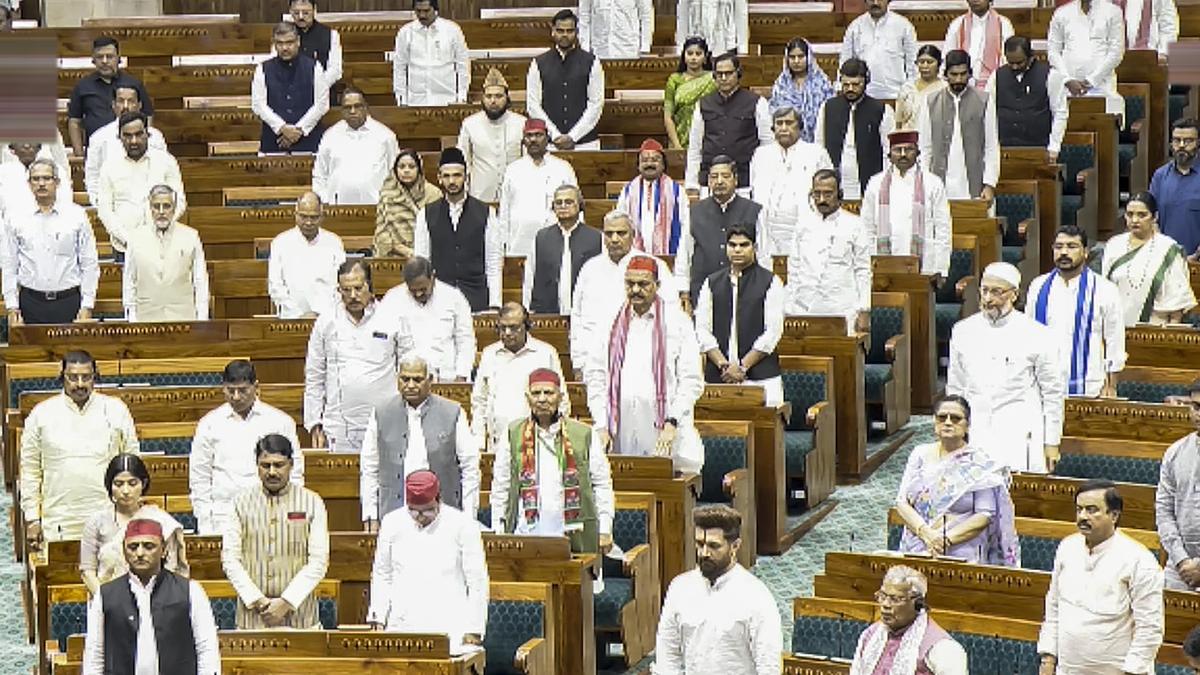
India's Parliament passed the women's reservation and delimitation bills, igniting BJP-opposition tensions and reshaping electoral dynamics ahead of 2029 polls.
India
India's 131st Amendment Bill
The Lok Sabha passed the 131st Amendment Bill, clearing a path for a 33% women's reservation in Parliament by 2029 and breaking a two-decade-long impasse.

Economics
Fed's Amex AML order puts correspondent banking on notice
Federal Reserve's Amex AML order requires board-level controls and a 90-day plan; OCC fined the bank $350 million over enterprise-wide deficiencies.