Vance Claims Progress in Iran Talks
Inspectors return, ceasefire structures built, but challenges remain.
Model Diplomat3 min readMiddle East
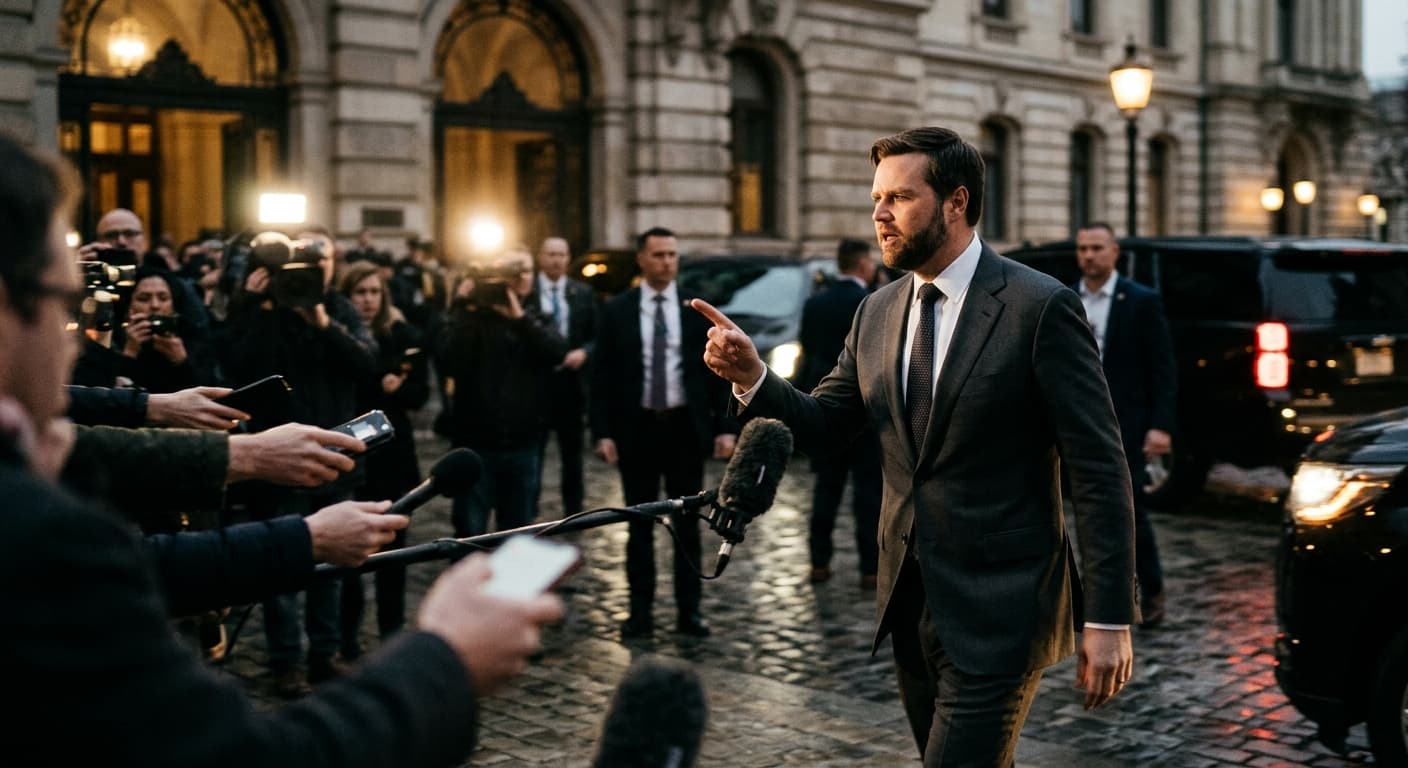
Vance Claims Progress in Iran Talks—But the Fine Print Shows Fragility
Inspectors return to Iran's nuclear sites; ceasefire structures built. Yet Lebanon fighting persists, and the deadline is 60 days.
Al Jazeera reports that US Vice President JD Vance claimed "a lot of good progress" on Iran's nuclear programme and Lebanon ceasefire as the first round of high-level talks ended in Switzerland on Monday.
The BBC confirms mediators Qatar and Pakistan announced "a roadmap towards reaching a final deal within 60 days," following what they described as "encouraging progress." Yet the negotiating record tells a sharper story: the breakthrough is structural, not substantial—the two sides have built apparatus for negotiation, not yet the deal itself.
The Leverage Game
Vance controls the pace. On the nuclear file, the headline is that IAEA inspectors will return to Iran to verify compliance with the framework already signed on June 17. This is movement: Iran has agreed to restore access it previously denied. But magnify it and it shrinks—inspectors weren't part of the dispute resolution; they're part of the baseline. Vance framed it as "a major milestone," yet Iran gave it away without extracting concessions on its core demand: the unfreezing of assets and the lifting of sanctions.
What Iran actually wanted—lifting the naval blockade, unfreezing assets, sanctions relief on oil and petrochemicals—was already on the table in the 14-point (MoU). The nuclear question remains unresolved. According to Al Jazeera, the mechanism for handling Iran's enriched uranium stockpile has not been finalized—the agreement permits on-site dilution under IAEA supervision, but Iran pushed back against the US demand that it hand over the material. Vance says "a lot of great progress" was made on other nuclear talks but offers no details. That silence is the detail.
Lebanon: Where the Deal Could Collapse
The real test is Lebanon, where the agreement already shows strain. A "de-confliction cell" was established to coordinate an end to Israel's operations there, yet the BBC confirms that "continued clashes and air strikes" have persisted since the ceasefire was declared on Friday. On Saturday, Iran declared the Strait of Hormuz closed in response—a move the US disputed, claiming commercial vessels continued passage.
Iran's Foreign Minister Abbas Araghchi warned that "the first real test" would be whether the de-confliction cell actually stops Israeli operations. Neither Israel nor Lebanon is a signatory to the US-Iran MoU. The agreement binds Washington and Tehran to "immediate and permanent termination of military operations on all fronts, including Lebanon," but Iran cannot compel Israel to do so—only the US can. Vance declined to commit to an Israeli withdrawal,
according to Al Jazeera, a refusal that signals where American leverage actually lands.
What's Next
The clock is June 22 to late August: 60 days to lock down a permanent deal or watch the framework crack. Three decision points matter. First, does the de-confliction cell hold—does Israel pull back from Lebanon? Second, does the IAEA inspection regime uncover compliance gaps that rekindle the nuclear dispute? Third, does Iran accept whatever terms Vance tables for uranium disposition, or do frozen assets and sanctions relief become hostage to a negotiation that expires?
Vance's framing—celebrating structure as progress—buys time. It also obscures what he dodged: the fact that Iran threatened to walk out (per Al Jazeera reporting) but negotiations continued. That's not a breakthrough. It's a recess before the harder round.
Discover more

Global Politics
US Seizes Iranian Ship, Tensions Surge
The US seizure of the Iranian ship Touska highlights a shift in control over the Strait of Hormuz, favoring Iran's strategic position.

International Relations
Pakistan's Key Role in US-Israel-Iran Meddle
Pakistan is seeking to mediate the US-Israel-Iran conflict, balancing high-stakes diplomacy against severe economic pressures and steep regional challenges.
Global Politics
Trump's Conflicting Messages on Iran War
Trump's mixed messages on Iran reflect a strategy of audience management, benefiting Tehran amid a complex geopolitical landscape.

Conflict & Security
Drone Warfare Killing Aid Workers at Unprec
Over 1,000 humanitarian workers killed in three years as cheap armed drones collapse legal protections. Gaza, Sudan, Ukraine, and DRC see deliberate targeting of aid convoys and hospitals with zero prosecutions.