Vance Bets Political Capital on Iran Deal
Vice President Vance promotes a controversial Iran peace agreement.
Model Diplomat3 min readNorth America

Vance Bets His Political Capital on a 'Win-Either-Way' Iran Gamble
The vice president is framing the Iran MoU as a no-lose proposition — but the deal's critics, including GOP hawks and Israel, aren't buying it.
J.D. Vance took to Bill Maher's HBO show on Friday to sell an Iran peace deal that has united Democrats and Republicans in skepticism — and to frame himself as the man who can deliver it. His argument, honed across a week of interviews, is simple: "If they're willing to change, we're willing to change too; if they're not willing to change, we still fundamentally have all the cards." Variety
The line is a distillation of the administration's core bet — that the military campaign has already degraded Iran's nuclear program and conventional forces enough that the U.S. wins whether or not a final agreement materializes. Vance told Maher oil is "down to 73 dollars a barrel" and Iran's "nuclear program is destroyed." He was making history as the first sitting vice president on Real Time, but the audience that mattered was back in Washington.
The memorandum of understanding, signed June 18 by Trump and Iranian President Masoud Pezeshkian at Versailles during the G7, commits both sides to a 60-day negotiation window to resolve the nuclear question. In the meantime, the U.S. lifts its naval blockade, reopens the Strait of Hormuz, and waives sanctions on Iranian fossil fuel exports. A $300 billion reconstruction fund is promised — though not with U.S. taxpayer money, Vance insists. BBC
The deal has no enforcement mechanism, no answer on ballistic missiles, no resolution on proxy funding, and no final terms on uranium enrichment. That's what the next 60 days are for.
Vance's Two Audiences
The Maher appearance is the public-facing piece of a two-front persuasion campaign. Behind the scenes, Vance has been more pointed.
To GOP hawks on Megyn Kelly's show, he called their opposition "kind of ironic" — they were "completely gung-ho about starting this thing" but now want to stop it. Senator Lindsey Graham called the deal "awful." Senator Thom Tillis says it's "doomed to fail" without congressional oversight. Senator James Lankford insists "it can't be an executive agreement." WLT Report
To Israel — whose far-right ministers Bezalel Smotrich and Itamar Ben-Gvir have attacked the agreement — Vance was blunter: "You're a country of nine million people. You can't just kill your way out of solving every single national security problem that you have." He warned the Israeli cabinet to "wake up and smell the reality" and said Israeli attacks in Beirut that kill civilians are "not acceptable." Al Jazeera
The bluntness is strategic. Vance is positioning himself as the indispensable dealmaker in an administration where Trump has already joked — twice — that he'll blame the vice president if the deal collapses. The BBC reports that when asked whether Trump had set him up as the "fall guy," Vance replied, "I think the president was joking." BBC Not everyone in Washington is laughing.
The Real Wager
The administration's framing — "we win either way" — masks the real political vulnerability. If negotiations collapse after 60 days and military operations resume, Vance owns the failure. If a final deal emerges that allows any Iranian enrichment or fails to constrain missile development, GOP hawks will call it JCPOA 2.0 and blame the negotiator.
The first round of talks in Switzerland produced what mediators Qatar and Pakistan called "encouraging progress" and a "roadmap towards reaching a final deal within 60 days." BBC But Vance's Geneva trip was abruptly cancelled Thursday after Israeli strikes in southern Lebanon — a reminder that the Lebanon ceasefire component of the MoU remains fragile and that outside actors can derail the process at any moment. Iran's Tasnim news agency reported that Tehran wants to see the interim agreement implemented before sending negotiators.
Al Jazeera
Watch for two dates. First, whether Senate Republicans force a war powers resolution vote that would constrain Trump's ability to resume strikes without Congress — Representatives Ro Khanna and Thomas Massie are leading that bipartisan push. Second, the 60-day clock: mid-August is the moment the MoU either becomes something permanent or collapses. Vance has bet his vice-presidential legacy on it.
Discover more
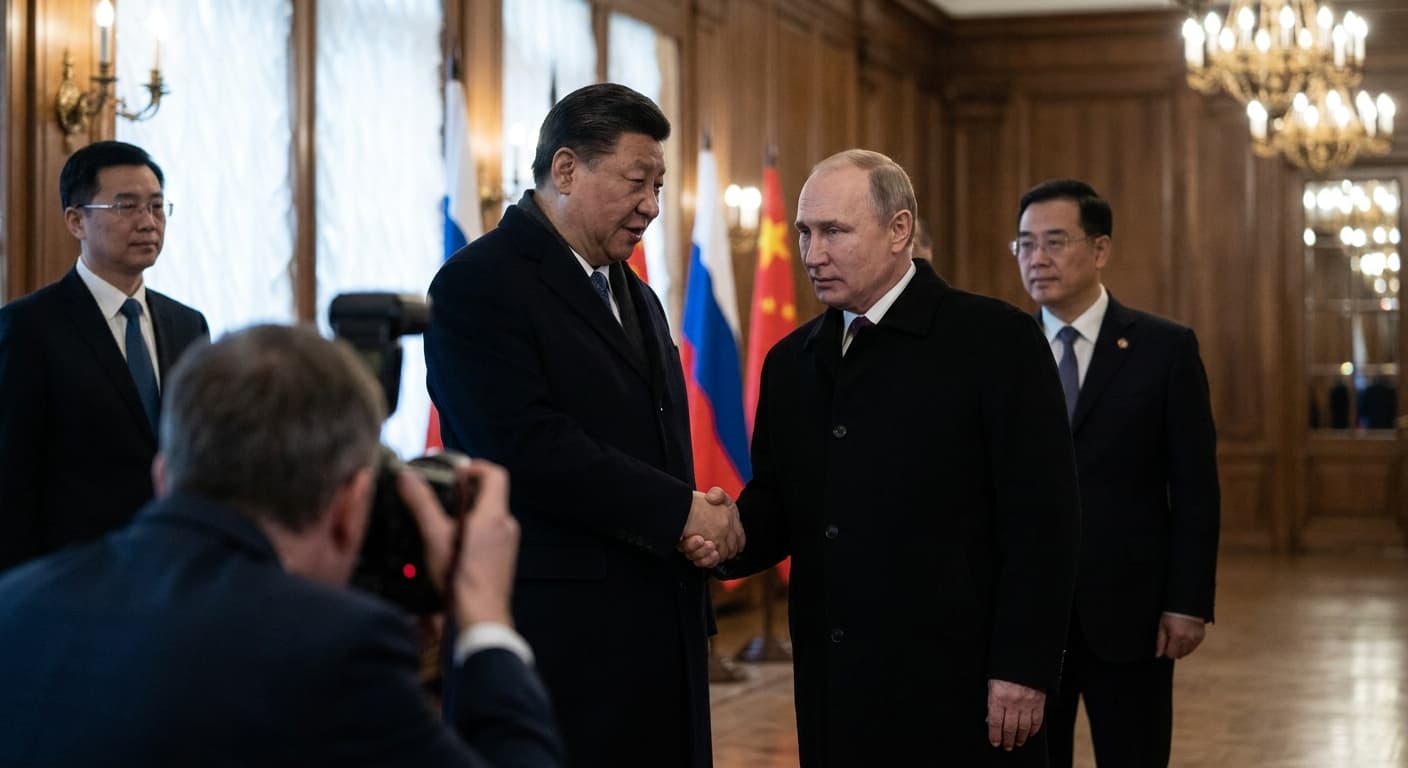
Global Politics
Xi Jinping Calls China-Russia Ties 'Precious'
Xi Jinping's description of China-Russia ties as 'precious' reflects a strategic imbalance, with Beijing dictating terms in the partnership.
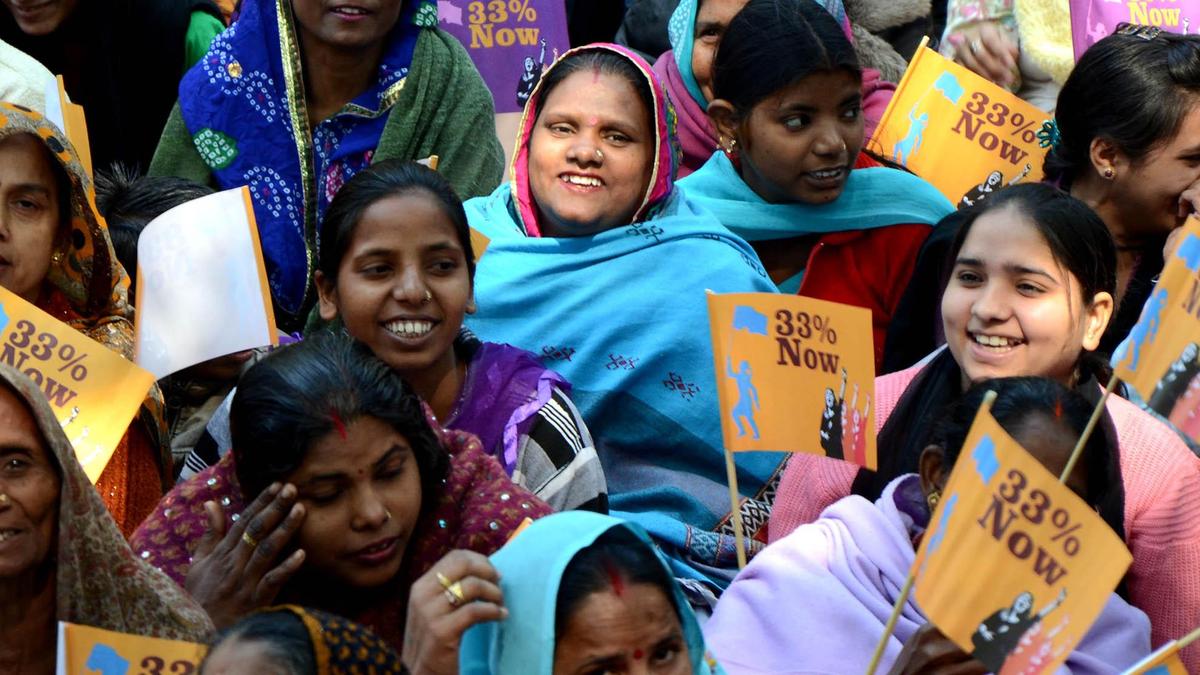
India
Women's Reservation Bill 2026: A Political Sh
India's Lok Sabha rejected the Women's Reservation Bill, exposing a political maneuver to redraw electoral maps favoring the north over the south.
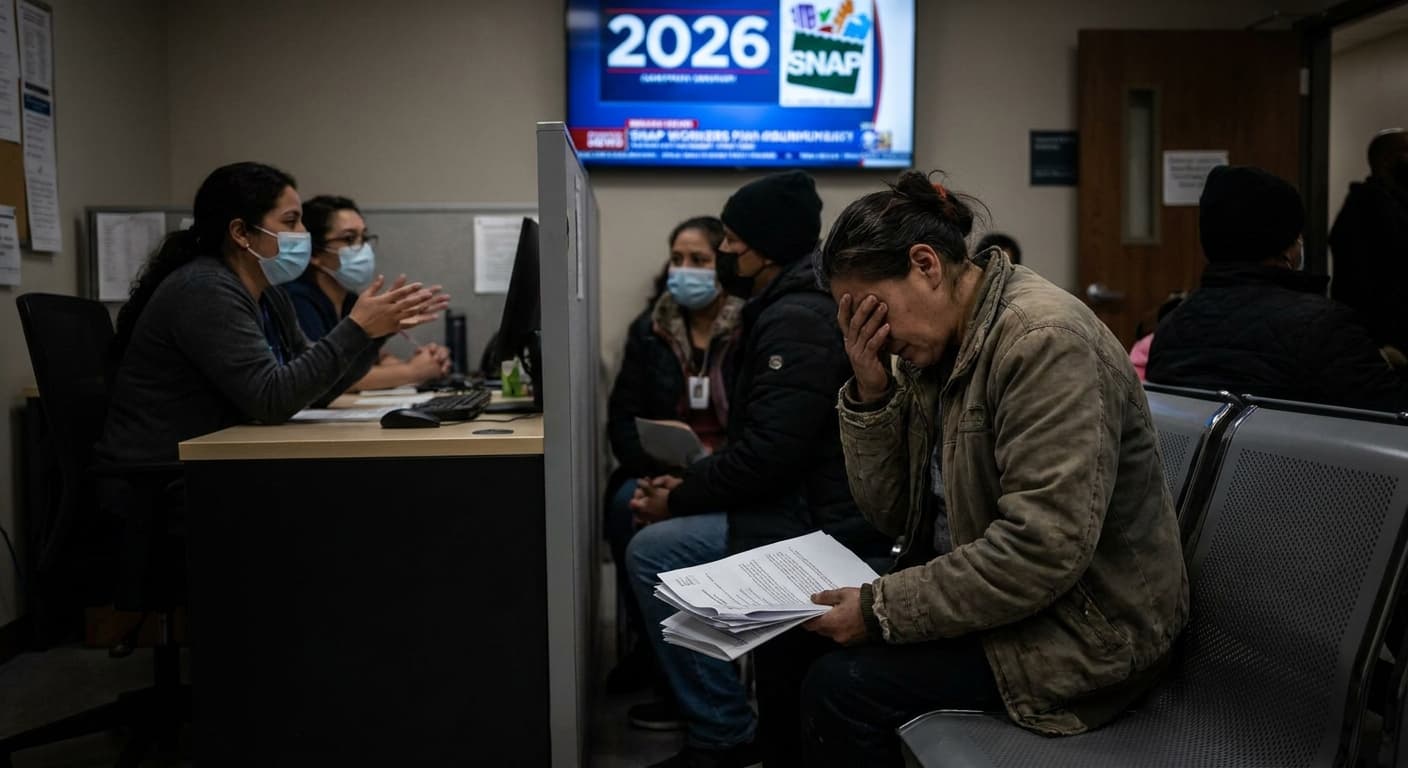
US Politics
SNAP Food Assistance Faces Legal Challenges
In 2026, SNAP faces stricter eligibility rules and mounting legal challenges, threatening food assistance for the millions of Americans who rely on the program.

Economics
Fed's Amex AML order puts correspondent banking on notice
Federal Reserve's Amex AML order requires board-level controls and a 90-day plan; OCC fined the bank $350 million over enterprise-wide deficiencies.