U.S.–Iran Peace Deal
Exploring the potential for a limited U.S.–Iran agreement
Model Diplomat3 min readMiddle East

U.S.–Iran Peace Deal: Narrow Path Over Grand Bargain
The chance of a broad U.S.–Iran grand bargain remains slim; a limited, pragmatic agreement on nuclear and regional issues is more likely and still consequential.
The latest analysis from Foreign Affairs casts cold water on hopes for a sweeping U.S.–Iran peace deal. While a comprehensive normalization of relations—a grand bargain resolving multiple disputes at once—remains an elusive goal, a narrower, targeted agreement could still emerge and reshape key aspects of their fraught relationship.
Why a Grand Bargain Is Unlikely
The two biggest sticking points are Tehran’s demand for uninterrupted rights to enriched uranium and sensitive sovereignty issues, particularly control over the Strait of Hormuz. Iran views enriched uranium production not just as a technical matter but as a symbol of national sovereignty and dignity, especially after decades of sanctions and pressure. The U.S. and its allies, meanwhile, see limits on uranium enrichment as vital to preventing nuclear weapon capability.
Similarly, the Strait of Hormuz is a choke point for global oil supply, and Iran’s control or influence there is a strategic lever Tehran is unlikely to cede or allow international oversight on. This maritime sovereignty touches upon Iran’s core security interests.
Given these red lines, the article concludes that attempts to solve all issues—from Iran’s missile program to its regional proxy networks—in one comprehensive deal risk collapse or stalemate. The history since the 2015 JCPOA agreement’s unraveling under the Trump administration shows how fragile broader deals can be amid mistrust and competing priorities.
What a Narrow Deal Could Look Like
Instead of a "grand bargain," the analysis suggests the U.S. and Iran can still negotiate practical compromises focused narrowly on:
- Limited uranium enrichment with strict verification measures, potentially resembling a revised version of the JCPOA.
- Confidence-building measures to reduce tensions in the Strait of Hormuz, preventing conflict flare-ups that disrupt global energy markets.
- Calibration on regional behaviors, possibly through indirect channels or multilateral frameworks, without fully resolving all proxy conflicts.
Such an approach would be less politically glamorous but more feasible—and might set the stage for incremental trust-building over time.
Why This Matters Now
A workable, focused deal would help stabilize a volatile region, ensure better control over nuclear proliferation risks, and reduce the risk of accidental conflict in the Gulf—still one of the world’s geopolitical pressure points. It also addresses growing concern in Washington and global capitals about the enduring instability posed by Iran’s nuclear ambitions and its assertive regional posture.
Iran, for its part, faces deep economic strains from ongoing sanctions and isolation, creating some incentive for pragmatic moves. The U.S., balancing domestic political constraints and regional allies’ fears, is unlikely to embrace a full rapprochement but may accept limited engagement if it safeguards core interests.
What to Watch Next
- Negotiation signals: Watch for indirect talks brokered by European intermediaries or other third parties indicating willingness to settle uranium and maritime issues.
- Regional incidents: Any spike in Gulf tensions—attacks on shipping or military skirmishes—could derail talks or push parties closer to crisis.
- U.S. political shifts: Changes in Congress or the administration’s posture could expand or constrain negotiators’ flexibility.
A transformative peace deal remains off the horizon, but a narrower, functional agreement can still shift dynamics in a way that reduces conflict risk and opens pathways for eventual normalization.
For deeper context, see our Iran profile and the broader
Global Politics framework that shapes Middle East diplomacy.
Discover more

US Politics
Biden's $1.5T Military Budget Amid Iran Tense
The Biden administration's $1.5 trillion military budget faces scrutiny amid murky Iran war costs, exposing deep fiscal and strategic challenges for US defense.
US Politics
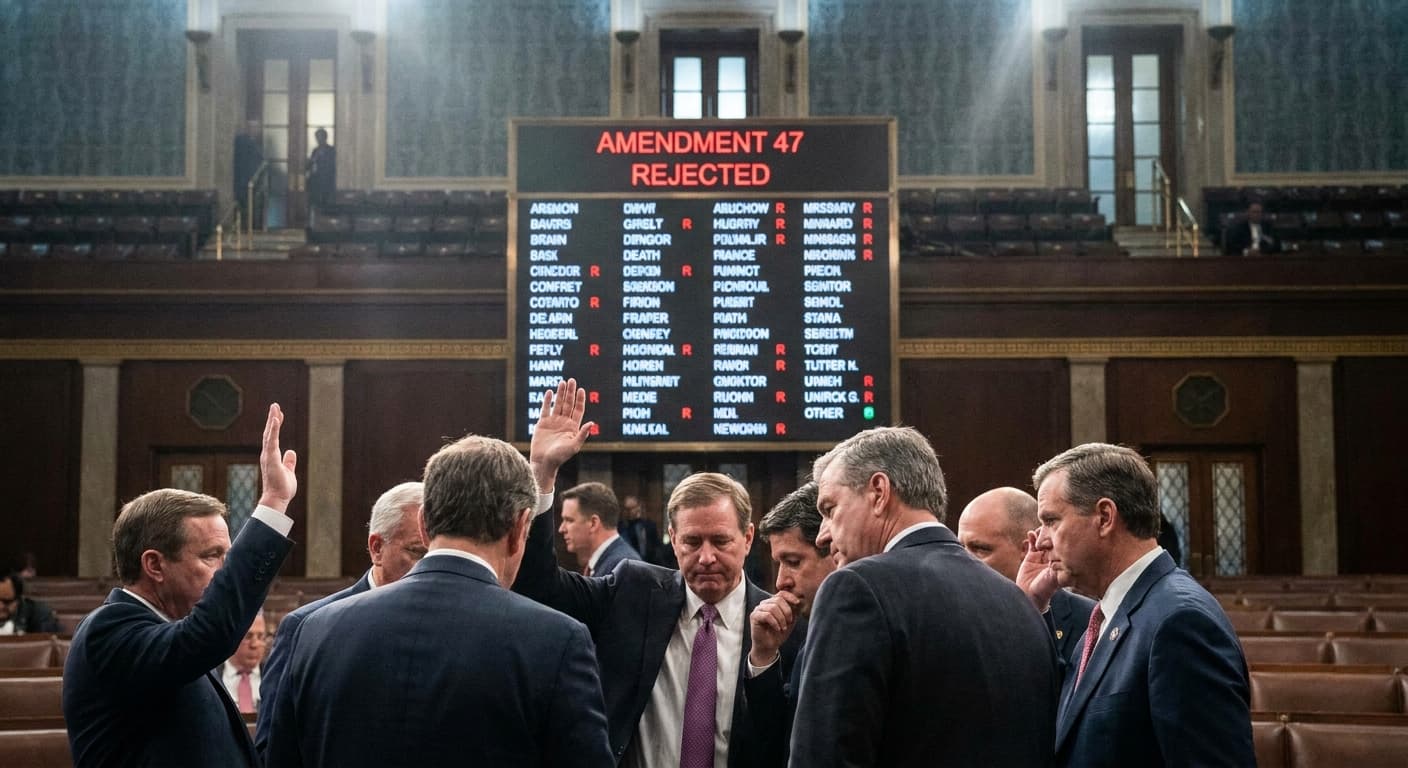
House Rejects Resolution on Trump's Iran Host
The House voted down a resolution to limit Trump's military actions in Iran, laying bare partisan divides and reigniting debate over presidential war powers.
Global Politics
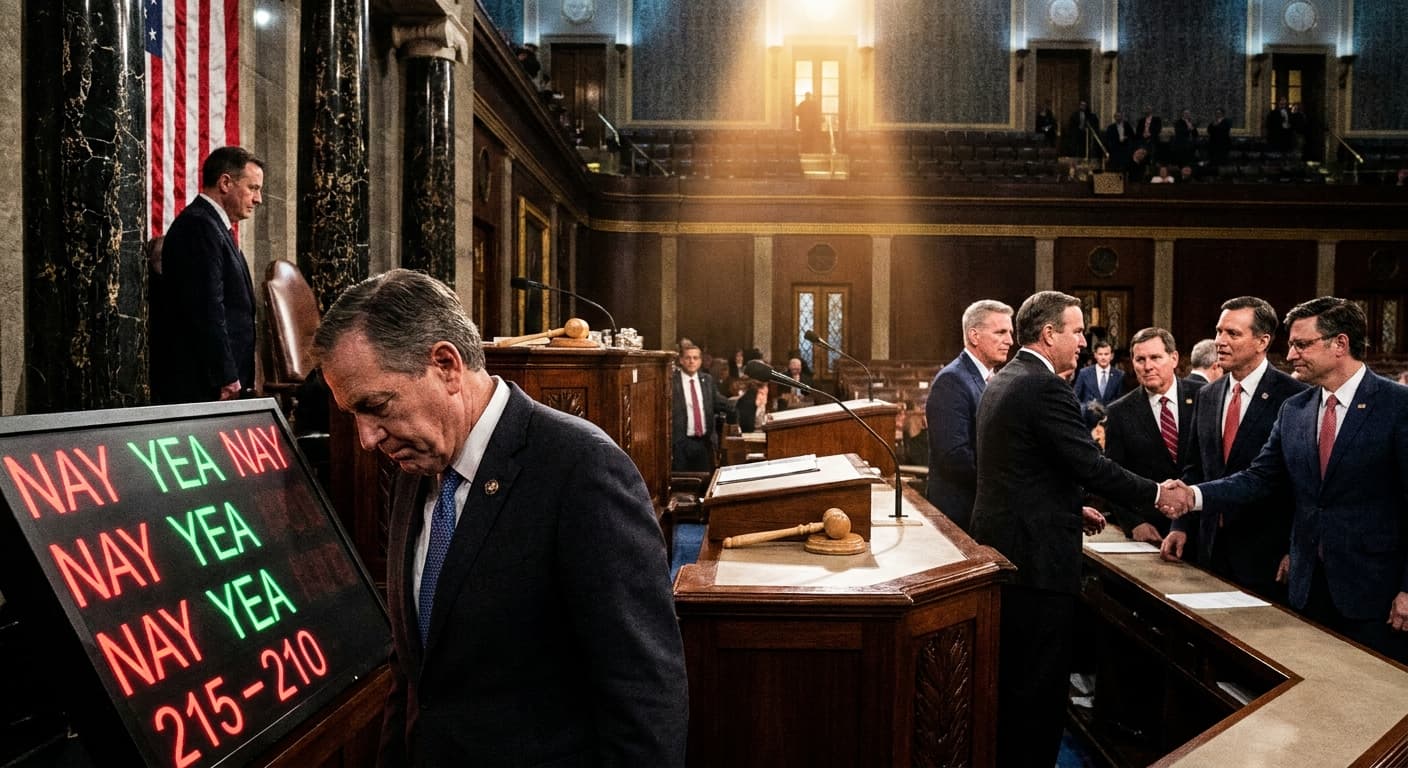
House Rejects Iran War Powers Resolution
The House narrowly rejected a resolution to limit Trump's war powers in Iran, deepening political divides over the scope of U.S. military involvement abroad.

Economics
Fed's Amex AML order puts correspondent banking on notice
Federal Reserve's Amex AML order requires board-level controls and a 90-day plan; OCC fined the bank $350 million over enterprise-wide deficiencies.