House Rejects Resolution on Trump's Iran Host
Congressional tensions rise over war powers and Iran conflict
Model Diplomat3 min readUnited States
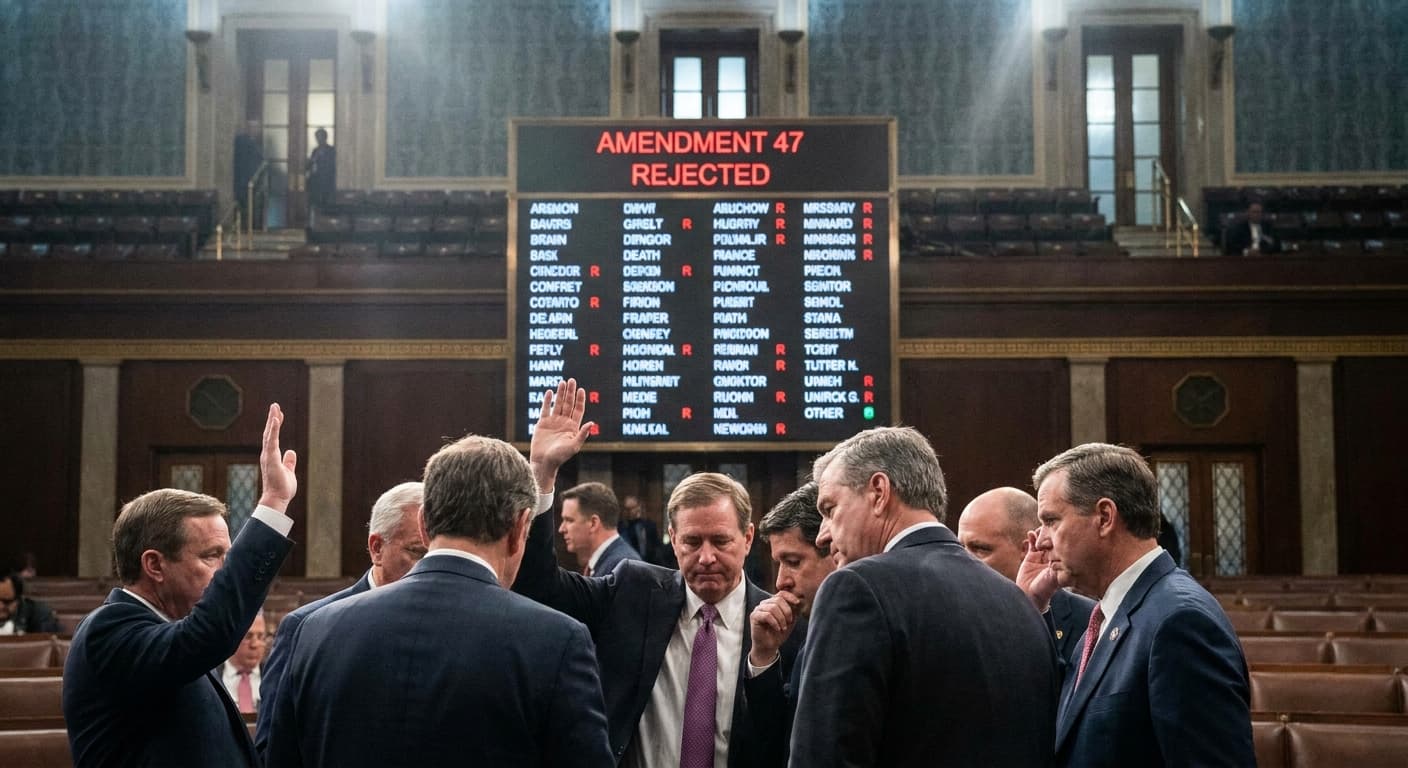
House narrowly rejects resolution to curtail Trump’s Iran hostilities
The Republican-led House voted down a Democratic resolution demanding President Trump end “hostilities” with Iran, continuing a fraught debate over congressional war powers.
The House of Representatives on April 16, 2026, voted against a Democratic-led resolution directing President Trump to end ongoing “hostilities” with Iran and block any further military strikes. This move came just one day after the Senate rejected a similar effort aimed at restraining the president’s authority to conduct military action against Iran without congressional approval. Both chambers decisively rebuffed these resolutions, highlighting the sharp partisan divide over U.S. policy in the escalating Iran conflict as it nears its two-month mark.
Congressional War Powers Clash
This episode exposes the enduring tension between Congress and the executive branch over war powers—a Constitutionally delegated authority left deliberately ambiguous since the War Powers Resolution of 1973. Despite Democrats framing these resolutions as a necessary check on unauthorized military action, the Republican majority in the House and Senate remains aligned with President Trump’s expansive interpretation of his presidential war powers.
Notably, the vote in the House was narrow, revealing fractures within the Republican Party and growing unease with open-ended military engagement in the Middle East. According to voting patterns, several moderate Republicans sided with Democrats in expressing concern over potential escalation and the lack of a clear exit strategy. Still, the majority sided with Trump, underscoring GOP support for maintaining flexibility in confronting perceived Iranian threats.
This development falls amid a broader context of heightened U.S.-Iran tensions following drone strikes, proxy clashes, and targeted killings attributed to both sides since early 2026. The unresolved conflict complicates President Trump’s foreign policy legacy and sets the stage for further debates over America’s role in the Middle East.
Why It Matters
This congressional rebuke attempt matters for several reasons:
-
War Powers Precedent: The pushback against Trump’s Iran policy echoes past struggles over checks on presidential war powers during contentious conflicts like Iraq and Syria. Congressional resistance, even if unsuccessful here, keeps alive debates over the need for legislative oversight in the use of military force.
-
Party Divisions: The narrow House margin reflects a Republican base still willing to back Trump’s foreign policy but increasingly pressured by moderates and constituents anxious about another protracted Middle East engagement. This rift could shape 2026 midterm campaigning and GOP strategy.
-
Iran Conflict Trajectory: With nearly two months of conflict and no clear diplomatic breakthrough, the rejection of restraints raises the likelihood of continued U.S. military involvement, risking escalation with Iran or its proxies. This could deepen regional instability with ripple effects on global energy markets and international alliances.
What to Watch Next
Congressional Democrats are expected to continue leveraging procedural tools and public pressure to force greater transparency and limits on Trump’s Iran actions. Meanwhile, the Republican leadership’s handling of dissident voices within their caucus will be telling ahead of the 2026 election cycle.
On the diplomatic front, any signs of backchannel talks or third-party mediation between Washington and Tehran will be critical to monitor. The Biden administration—having taken office recently after Trump—may face mounting pressure to recalibrate U.S. policy if the conflict intensifies.
Ultimately, this episode underscores a perennial struggle at the heart of American politics: balancing executive agility with legislative oversight in matters of war and peace.
For more on U.S. political dynamics, see United States and
US Politics.
House narrowly rejects resolution directing Trump to end ‘hostilities’ with Iran
Discover more

US Politics
House GOP Rejects Limit on Trump's Iran War
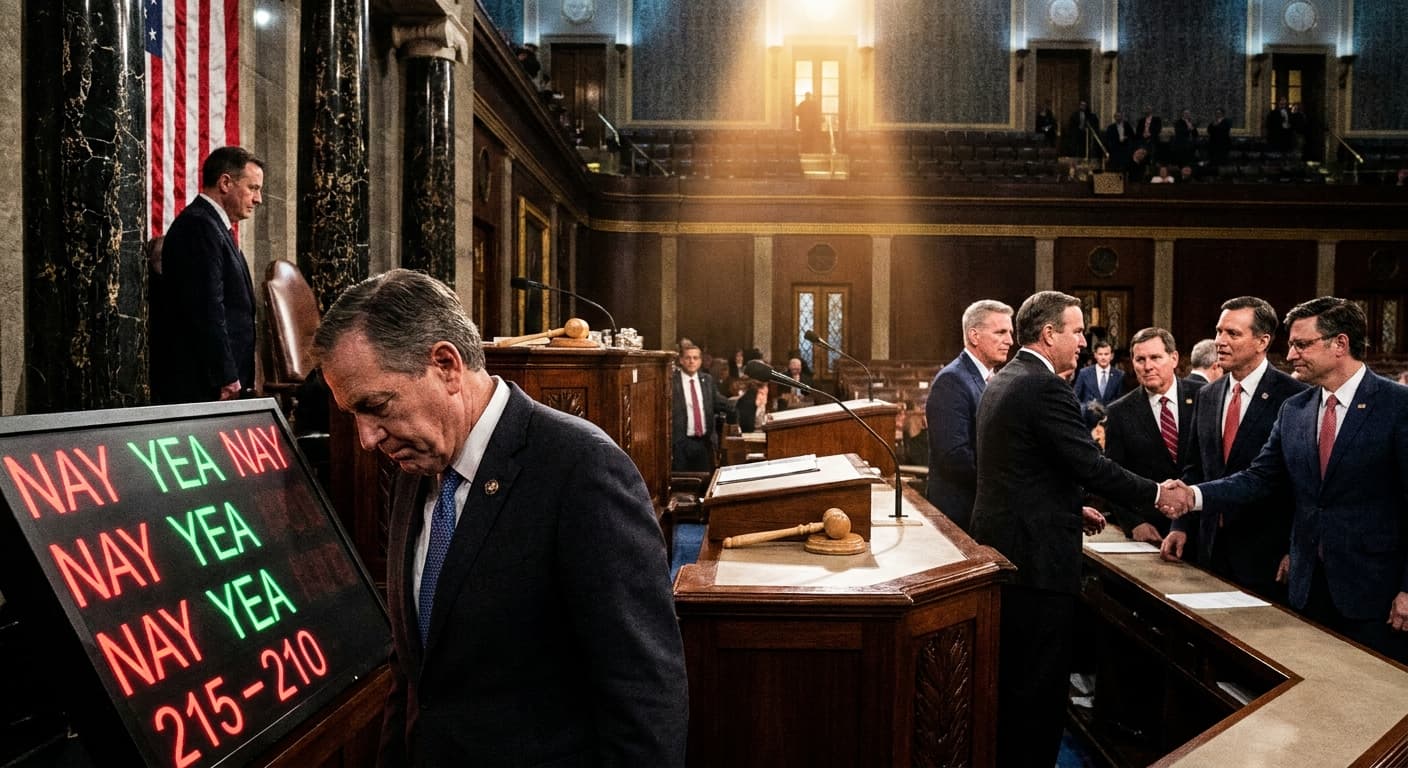
The House narrowly rejected a resolution limiting Trump's military actions in Iran, exposing deep GOP divisions over war powers and presidential authority.
Global Politics
House Rejects Iran War Powers Resolution
The House narrowly rejected a resolution to limit Trump's war powers in Iran, deepening political divides over the scope of U.S. military involvement abroad.

US Politics
GOP House Blocks Limits on Trump's Iran War
House Republicans narrowly defeated a resolution to limit Trump's war powers over Iran, intensifying the fight in Congress over presidential military authority.

Economics
Fed's Amex AML order puts correspondent banking on notice
Federal Reserve's Amex AML order requires board-level controls and a 90-day plan; OCC fined the bank $350 million over enterprise-wide deficiencies.