Hawaii Doctor's Manslaughter Conviction
Examining the implications of a doctor's conviction for attempted manslaughter.
Model Diplomat3 min readHawaii
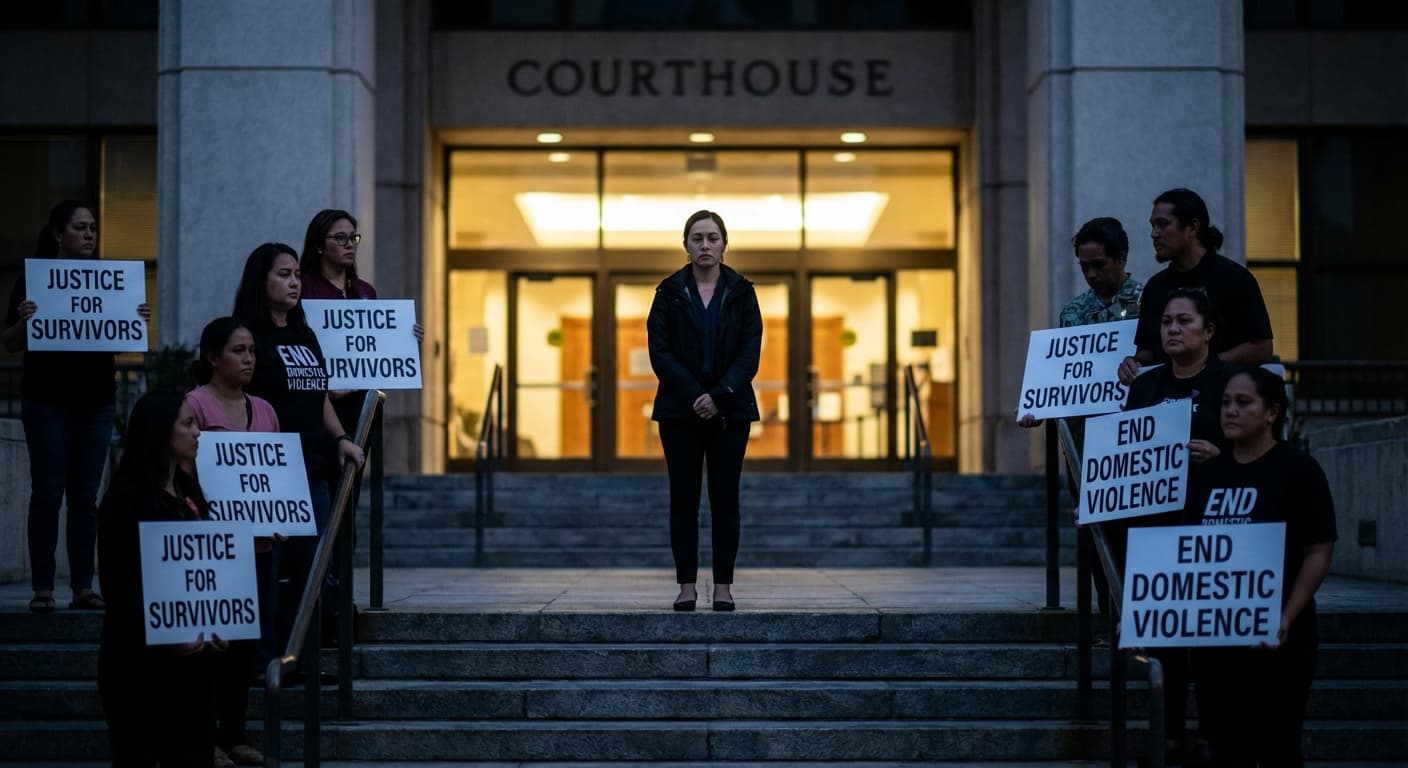
Hawaii Doctor Convicted of Attempted Manslaughter: What It Reveals About Domestic Violence Cases in Courts
The conviction of a Hawaii doctor for attempted manslaughter in a plot against his wife highlights the evolving role of courts in tackling intimate partner violence and sets a precedent in legal approaches.
On April 14, 2026, a Hawaii doctor was convicted of attempted manslaughter after conspiring to harm his wife, according to a brief report from AP News. This case, spotlighted under their courts coverage hub, is notable not just for the sensational facts—a medical professional facing serious criminal charges—but more importantly for what it signals about how courts are handling domestic violence and abuse allegations, especially those involving abuse of power and trust.
More Than a Crime of Passion: The Context of Domestic Violence in the Courts
Domestic violence cases often struggle to gain traction in courts without clear physical evidence or witness cooperation. The involvement of a doctor here adds complexity, as perpetrators with high social status and trustworthiness sometimes evade suspicion longer. This conviction reflects increasing judicial willingness to confront such abuses thoroughly, possibly supported by stronger forensic and testimonial evidence.
Hawaii has a mixed history with domestic abuse laws, but recent reforms have focused on protective measures and harsher penalties for premeditated violence. A conviction like this underscores a shift toward accountability regardless of profession or privilege. This is part of a broader trend across US courts where family violence is gaining recognition as a serious crime deeply entangled with mental health, social safety, and public trust.
Why This Matters: Implications beyond the Courtroom
The verdict resonates beyond the immediate parties. It challenges communities to reconsider how domestic violence is perceived—often miscast as private disputes rather than criminal acts warranting severe punishment. For the medical community, the case is a rare but stark reminder that professional status is no shield against criminal conduct, particularly when it crosses into violence.
Additionally, the case may influence ongoing debates about judicial reforms aiming to expedite such domestic violence cases, protect vulnerable victims, and invest in preventative measures. It also points to the necessity for courts to balance due process with victim protection in cases where intimate partners confront life-threatening circumstances.
What to Watch Next
Legal observers should track the sentencing phase scheduled in coming weeks, which will clarify judicial attitudes toward punishment severity in domestic violence involving premeditation. The defense and prosecution appeals will also be critical: will courts affirm the conviction or raise procedural questions?
Beyond this case, look for ripple effects in how Hawaii and other states allocate resources to domestic abuse prosecution units, victim advocacy, and whether more cases involving prominent individuals come under similar scrutiny.
This particular verdict is a cautionary tale for those in privileged positions and a milestone advancing domestic violence from an often-private tragedy to a matter of public justice. Follow the unfolding legal proceedings for deeper insights into US courts’ evolving role in systemic protection from intimate partner violence.
For a broader understanding of US legal and political systems’ role in such cases, see US Politics.
Discover more
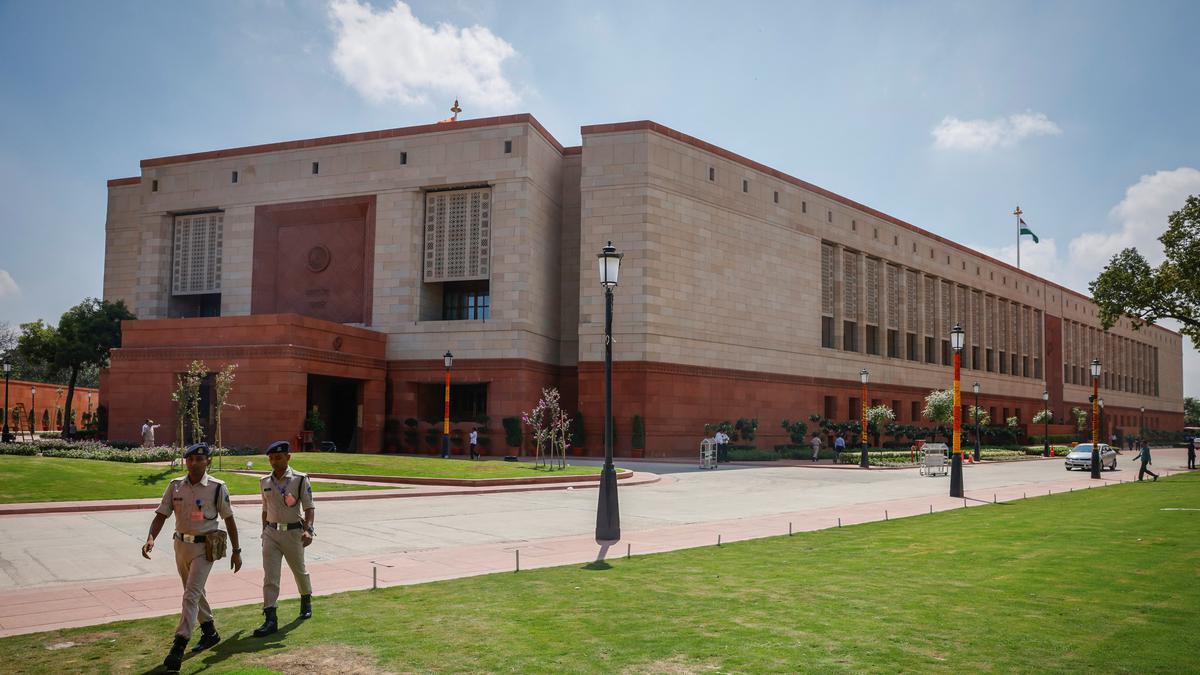
India
India's 33% Women’s Quota in Lok Sabha 2029
India plans to expand the Lok Sabha to 850 seats and reserve 33% for women by 2029, aiming for far greater gender representation in national politics.

Conflict & Security
Drone Warfare Killing Aid Workers at Unprec
Over 1,000 humanitarian workers killed in three years as cheap armed drones collapse legal protections. Gaza, Sudan, Ukraine, and DRC see deliberate targeting of aid convoys and hospitals with zero prosecutions.
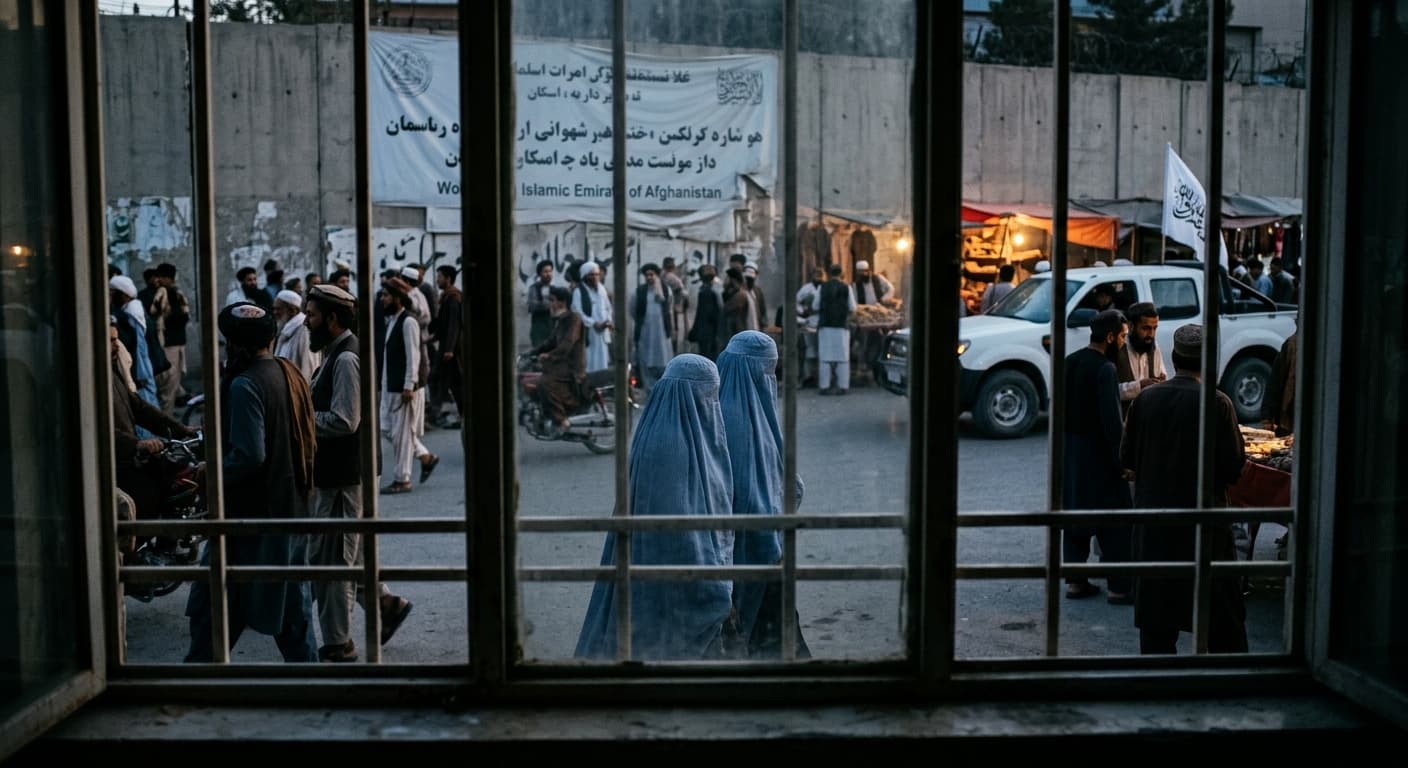
Global
World Normalises Taliban as Afghan Women Eras
UN data shows Afghan women erased from public life as Russia recognises the Taliban, EU hosts officials in Brussels, and ICC warrants for gender persecution go unenforced.
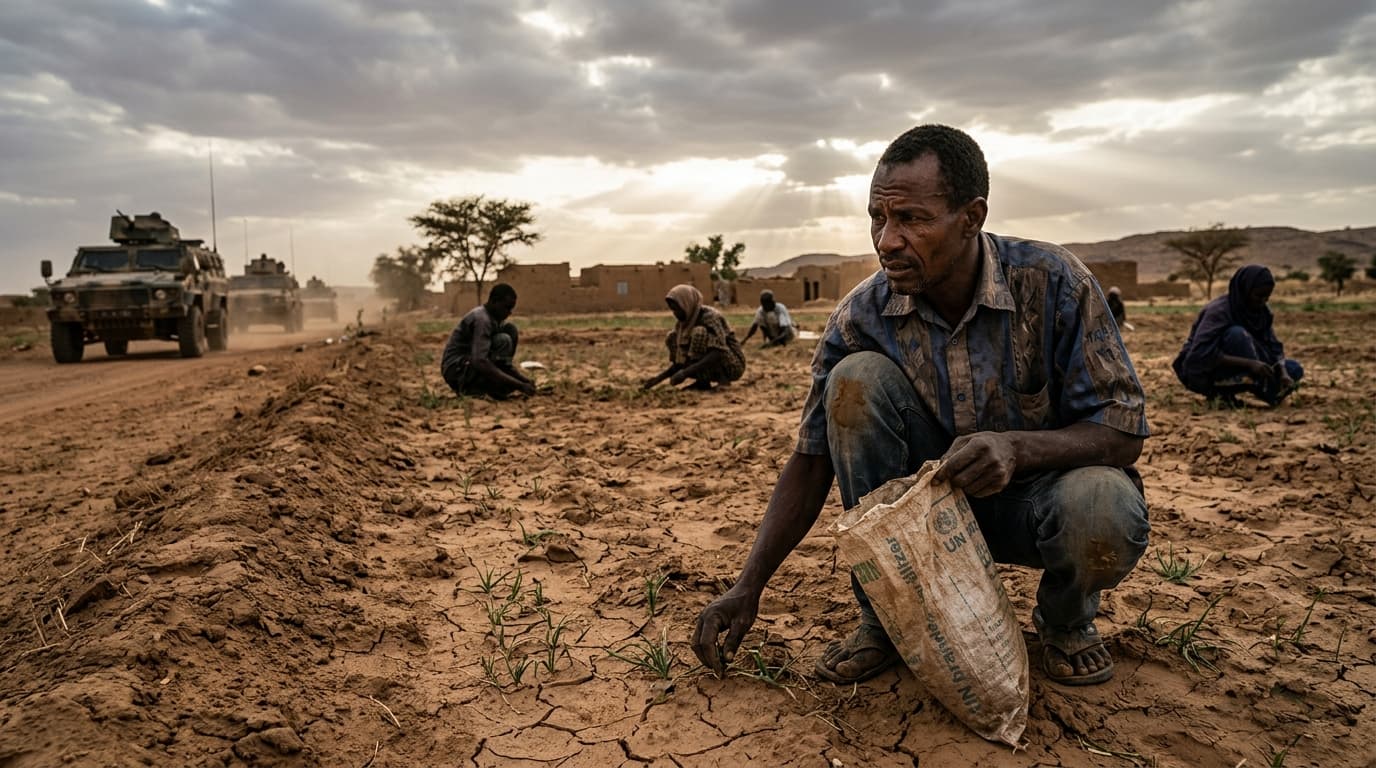
Conflict & Security
West Africa Food Crisis: Three Shocks in 2026
Conflict, climate extremes, and the Strait of Hormuz closure drive a severe food crisis in West and Central Africa, with fertilizer prices surging 80% and millions displaced.