Trump's Rare Defeat: House GOP Rejects FISA
House Republicans fail to reauthorize FISA, defying Trump and Johnson.
Model Diplomat3 min readUnited States
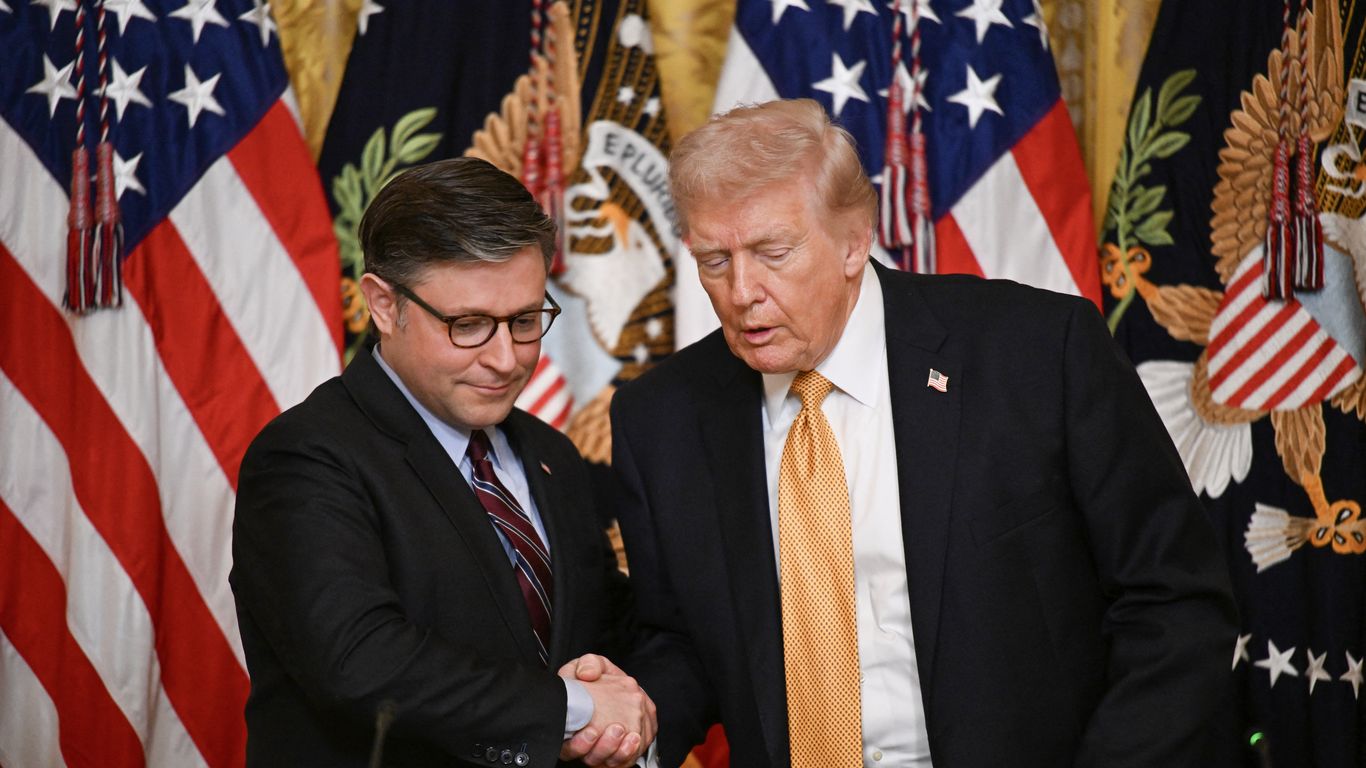
Trump suffers rare defeat with House Republicans on FISA
House Republicans fail to pass FISA reauthorization, marking a significant break from Trump and Speaker Johnson's agenda.
House Republicans failed to reauthorize the Foreign Intelligence Surveillance Act (FISA) before its deadline, delivering a rare legislative defeat for former President Donald Trump and current House Speaker Mike Johnson. Despite extensive pressure—White House briefings, a personal visit from CIA Director John Ratcliffe, and a secure briefing setup in the Capitol—the vote stalled, reflecting fissures within the Republican conference over intelligence oversight and surveillance powers.
Why this setback matters
In a Republican-controlled House, unity on major national security matters is typically a given, especially on something as critical as FISA, which authorizes government surveillance of foreign intelligence targets on U.S. soil. The failure to secure reauthorization before the deadline threatens to disrupt intelligence operations and raises alarms within the security establishment about potential legal gaps in ongoing surveillance programs.
The defeat also highlights a notable intra-party rift. Trump and Johnson pushed hard for the bill, seeing it as essential not only for national security but for maintaining strong ties with the intelligence community following years of tension and turmoil during Trump’s presidency. Yet, a sizable faction of House Republicans pushed back, influenced by libertarian-leaning concerns over privacy, skepticism about intelligence agencies fueled by years of post-Trump distrust, and a desire to wield the issue as a lever for future investigations or reforms.
This division sets a crucial precedent. It shows that Trump’s influence over the Republican Party isn’t absolute, especially when it conflicts with individual members’ ideological instincts or constituency pressures. For Johnson, still solidifying his leadership, this loss undercuts his ability to present a unified Republican front on key legislative priorities.
Broader implications
FISA is not just about surveillance bureaucracy—it’s a vital piece of the U.S. national security infrastructure. Its lapse could delay or complicate intelligence gathering on foreign threats, potentially exposing vulnerabilities amid ongoing geopolitical tensions with China, Russia, Iran, and terrorist groups. The CIA’s Director Ratcliffe’s direct intervention underscores the stakes, signaling alarm at the highest levels.
Moreover, this episode could embolden more congressional opposition to the intelligence community, driving a hardening wedge between elected officials and intelligence professionals during a sensitive era of hybrid warfare, cyber threats, and domestic political polarization. It also raises questions about how long bipartisan support for critical intelligence tools can hold in an increasingly fractured Congress.
What to watch next
Will Johnson and Trump recalibrate their strategy to win over skeptical House Republicans, or will this be the first of several legislative defeats on national security issues? Whether Democrats in the Senate will step in to rescue the reauthorization or push for reforms complicates the path forward.
The incident also sets a tone for how Congress will oversee intelligence agencies going forward. Expect more hearings, demands for transparency, and perhaps legislative tweaks aiming at balancing security with civil liberties.
This showdown offers a clear lens on how the post-Trump GOP is wrestling with its identity—torn between loyalty to Trump’s agenda and a strain of ideological independence that could reshape U.S. surveillance policy just when the geopolitical stakes are highest.
For ongoing analysis of US politics and national security developments, see United States and
Global Politics.
Source: Axios: Trump suffers rare defeat with House Republicans on FISA
Discover more

US Politics
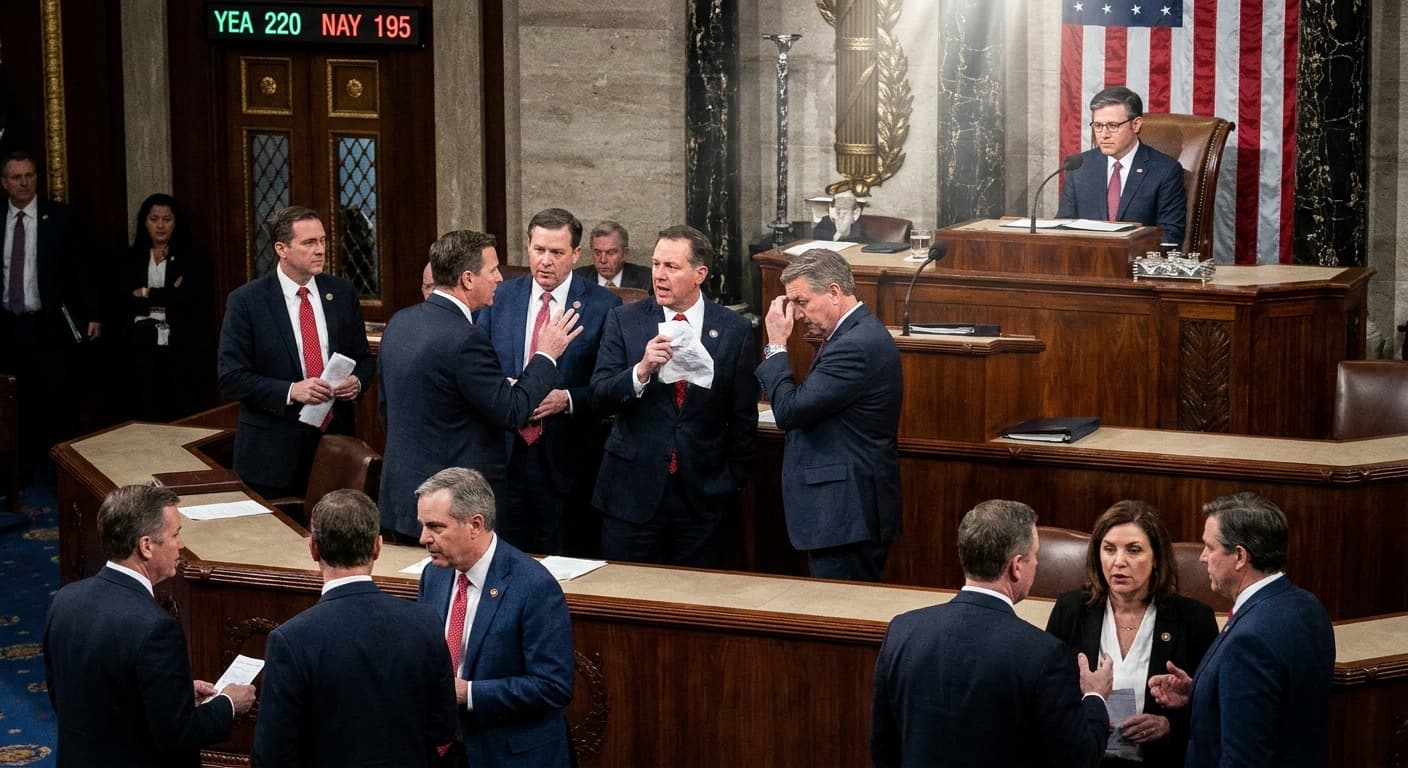
House GOP Blocks FISA Renewal
A House GOP rebellion against FISA renewal raises concerns over surveillance and civil liberties, complicating future negotiations on intelligence powers.
US Politics
House Passes Short-Term FISA Extension
The House passed a short-term FISA extension, exposing GOP divisions over surveillance and privacy issues as Speaker Johnson faces tougher fights ahead.

US Politics
House Passes 10-Day FISA Section 702 Bill
The House approved a 10-day extension of FISA Section 702, exposing deep partisan divides over digital surveillance, privacy and national security powers.

Conflict & Security
Drone Warfare Killing Aid Workers at Unprec
Over 1,000 humanitarian workers killed in three years as cheap armed drones collapse legal protections. Gaza, Sudan, Ukraine, and DRC see deliberate targeting of aid convoys and hospitals with zero prosecutions.