House Passes Short-Term FISA Extension
GOP rift complicates FISA surveillance law reauthorization efforts
Model Diplomat3 min readUnited States
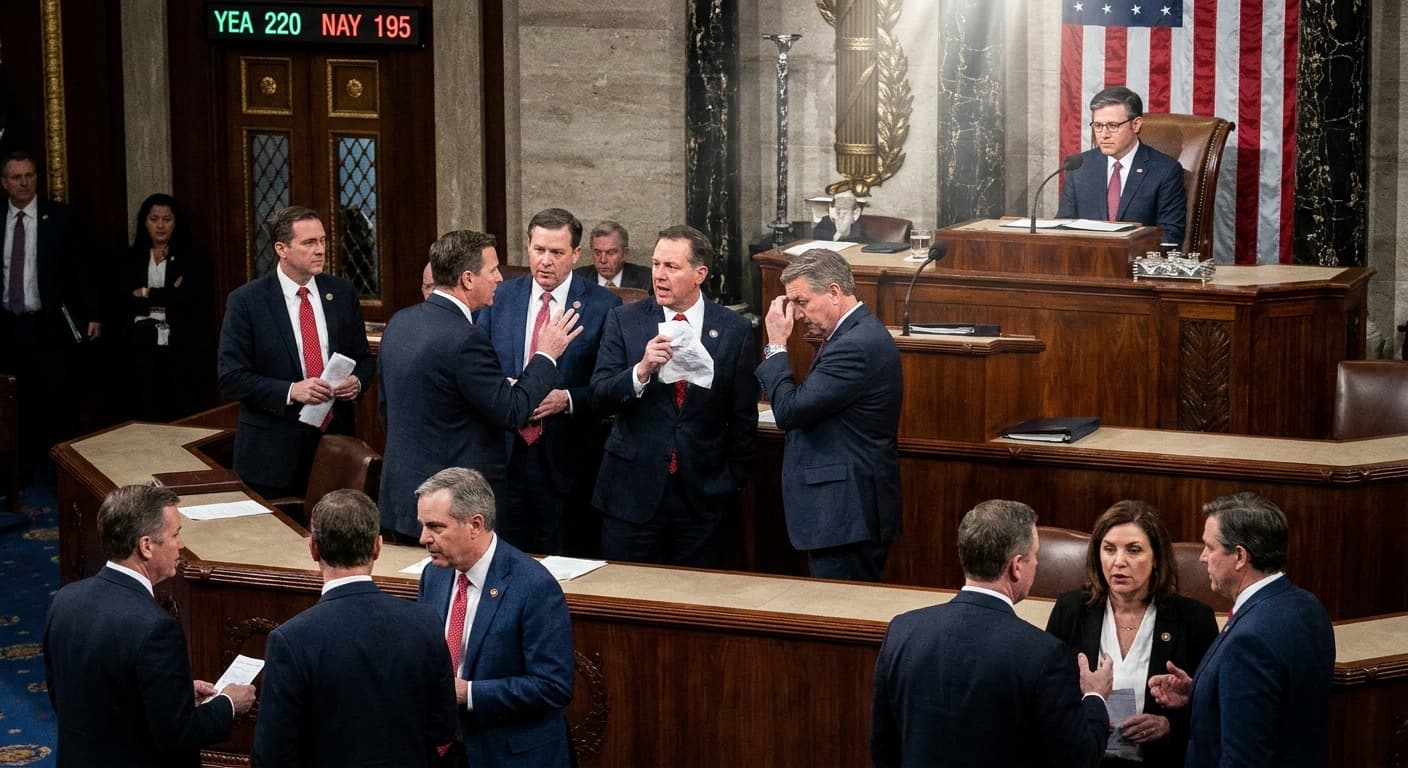
House Passes Short-Term FISA Extension Amid GOP Rift Over Surveillance Law
House lawmakers narrowly approved a brief extension of the warrantless surveillance program after GOP divisions stalled Speaker Mike Johnson’s broader reauthorization effort.
On April 17, 2026, the U.S. House of Representatives approved a temporary extension of the Foreign Intelligence Surveillance Act (FISA) warrantless surveillance program, averting an immediate lapse. This short-term fix came after Speaker Mike Johnson’s bid to reauthorize the law with broader provisions was blocked by a faction of House Republicans, exposing fissures within the GOP on national security and civil liberties issues.
Why the Short Extension Matters
FISA’s warrantless surveillance authority, a pillar of U.S. intelligence gathering, faces key expiration dates every few years, requiring congressional renewal to maintain legal cover for certain electronic surveillance activities targeting foreigners outside the U.S. Without an extension, intelligence agencies would lose this ability, potentially straining ongoing counterterrorism and national security efforts.
The House’s move to approve only a brief extension—likely a matter of weeks—reflects a compromise amid ideological disputes within the Republican majority. Johnson, who became Speaker in late 2025 with commitments to toughen security policies, sought a multi-year reauthorization with expanded surveillance powers. However, a vocal GOP bloc led by libertarian-leaning members demanded stronger privacy safeguards and limitations on warrantless spying, forcing the Speaker to settle for a stopgap measure.
This deadlock underscores an evolving fault line in U.S. politics where national security hawks clash with privacy advocates, even within the same party. The brief extension buys time but guarantees uncertainty about the program’s future.
Context: FISA’s Role and Political Sensitivities
FISA’s warrantless surveillance powers have been contentious since their expansion under the post-9/11 Patriot Act era, which allowed intelligence agencies to intercept communications without traditional court warrants under certain conditions. Civil liberties groups have long criticized these provisions for potential overreach and lack of sufficient judicial oversight, prompting periodic calls for reform.
At the same time, U.S. intelligence officials maintain that such capabilities are critical to countering planned attacks and tracking foreign spies, particularly with evolving threats from state actors like China, Russia, and Iran.
Congress has often found itself balancing these pressures during FISA reauthorizations, which takes on extra significance in the current polarized environment. The internal GOP dispute on the latest renewal echoes the broader divide in American politics over surveillance and privacy—an issue Democrats have also used to differentiate themselves from Republicans, though divisions now cut across traditional party lines.
What to Watch Next
Washington’s immediate focus will turn to negotiating a longer-term FISA reauthorization that can unite disparate factions. The short extension ensures no gap in intelligence powers but does not address the program’s structural controversies.
Speaker Johnson’s ability to broker a deal depends on navigating demands for privacy protections from libertarian Republicans without alienating security hawks eager for a more expansive mandate. Meanwhile, Democrats have a key role in shaping any bipartisan compromise, likely pressing for enhanced oversight mechanisms.
Failing to resolve these tensions risks either temporary lapses that disrupt intelligence operations or political showdowns that further polarize debate on national security. The eventual shape of FISA’s reauthorization will signal where the United States stands on balancing civil liberties against counterterrorism in an era of increasing geopolitical threats.
For a deeper dive on U.S. political dynamics around surveillance and security, see US Politics.
House votes to briefly extend FISA surveillance law amid GOP divisions
Discover more

US Politics
House Passes 10-Day FISA Section 702 Bill
The House approved a 10-day extension of FISA Section 702, exposing deep partisan divides over digital surveillance, privacy and national security powers.
US Politics
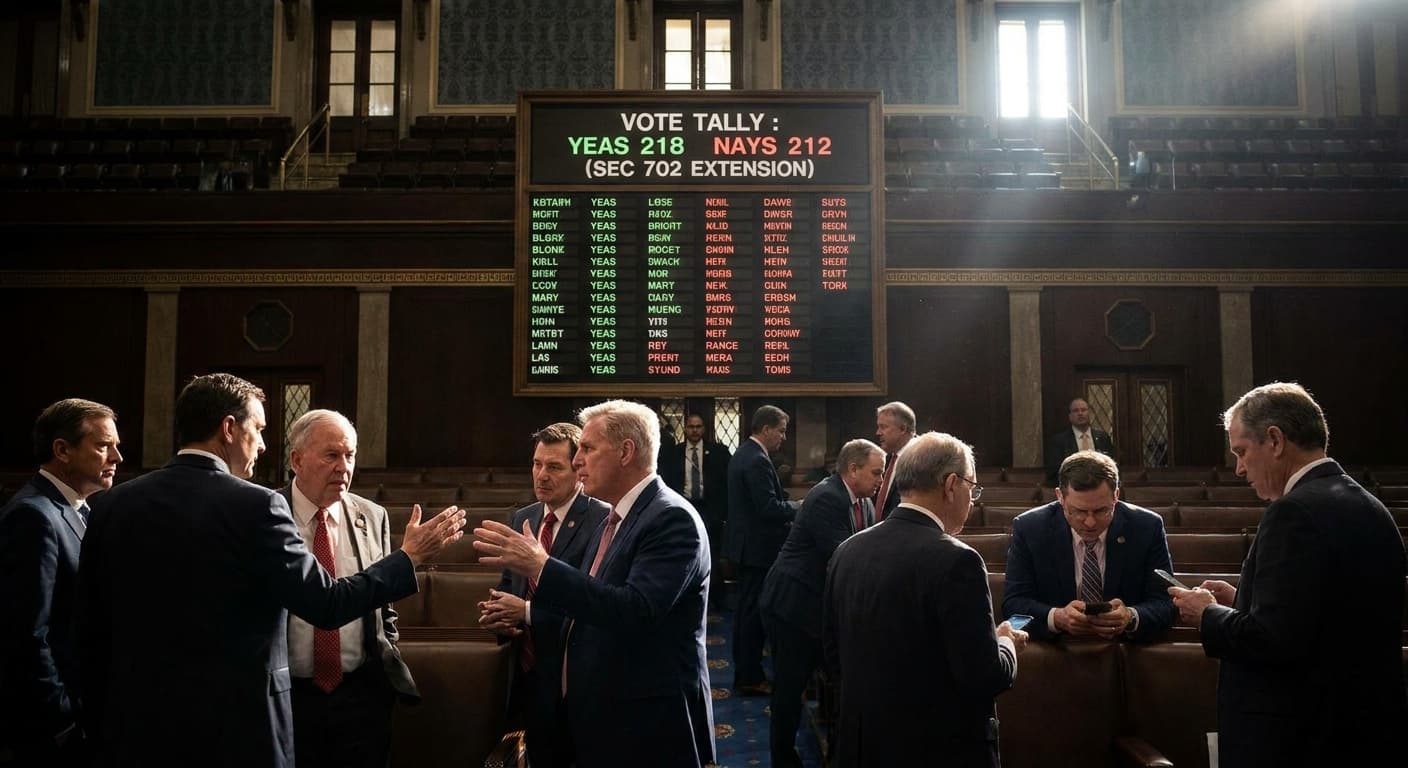
House Passes Short-Term Section 702 Extension
The House approved a short-term extension of Section 702 surveillance despite GOP pushback, exposing deep divisions over privacy and national security.
US Politics
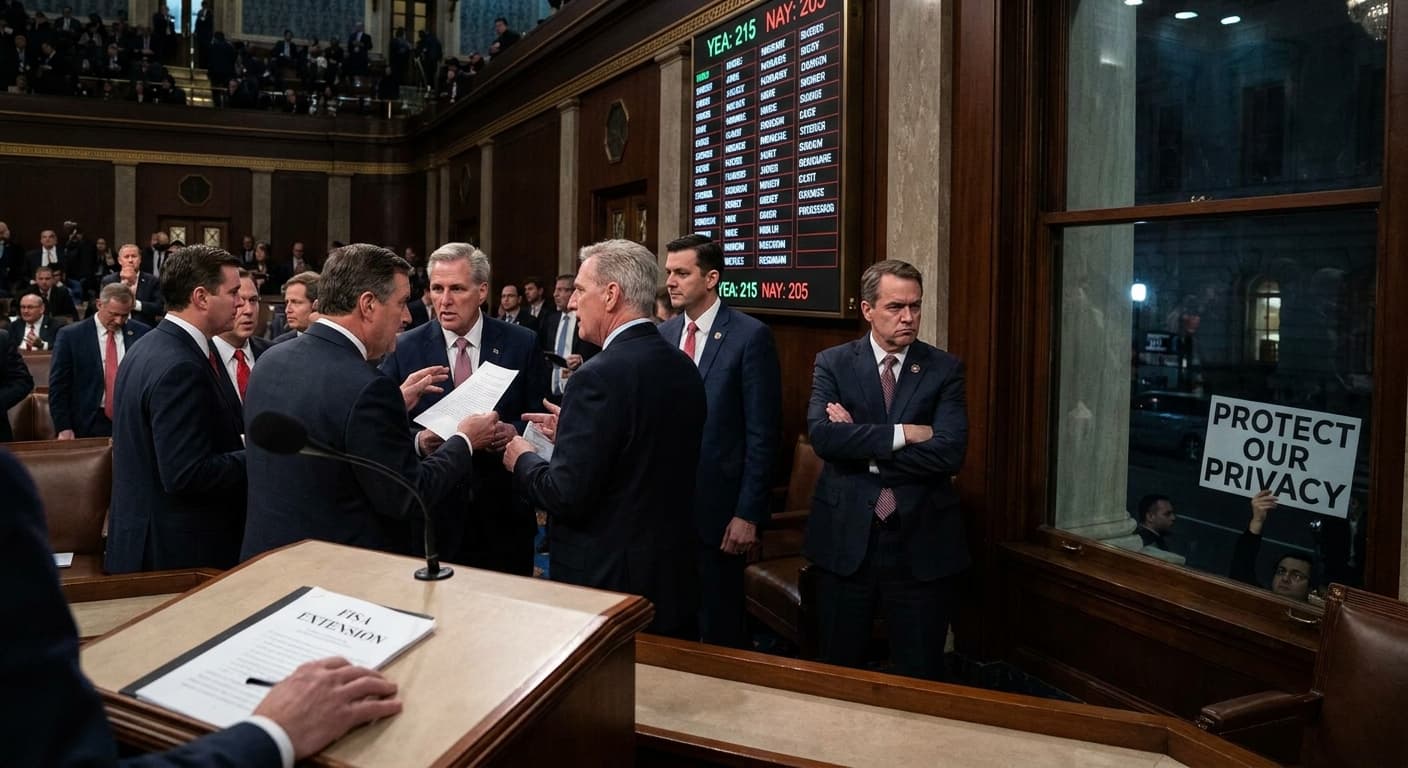
House Extends Surveillance Powers Amid GOP Rr
The House extended federal surveillance powers until April 30, revealing sharp GOP divisions and reigniting privacy concerns over intelligence collection.

Economics
Fed's Amex AML order puts correspondent banking on notice
Federal Reserve's Amex AML order requires board-level controls and a 90-day plan; OCC fined the bank $350 million over enterprise-wide deficiencies.