Peru Presidential Election Results Amid Turmo
Election results expected by mid-May 2026 during instability
Model Diplomat3 min readSouth America
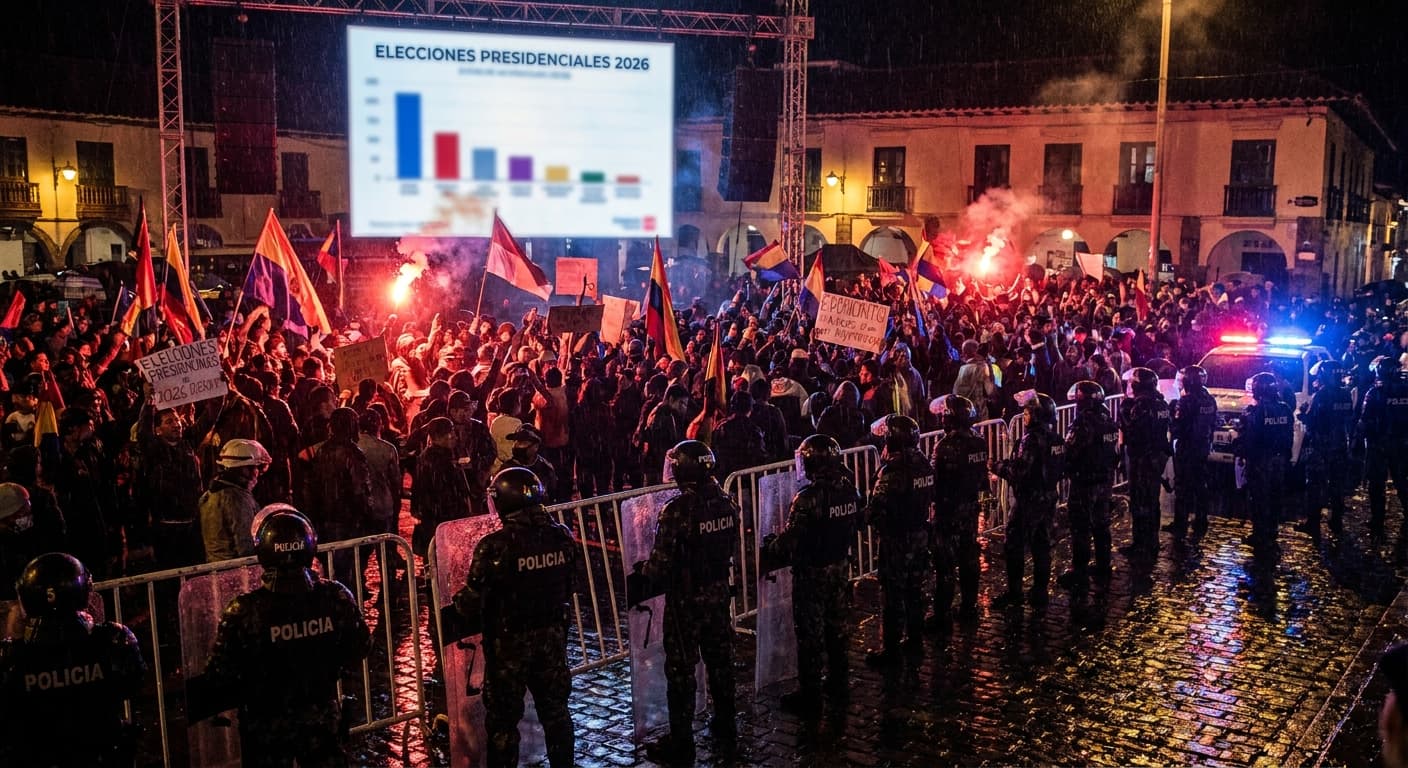
Peru’s Presidential Election Results Set for Mid-May Amid Political Turmoil
Peru’s presidential election results, expected by mid-May 2026, come at a time of intense political instability and reflections on a fractured democratic process.
Peru has announced that the results of its presidential election will be delivered by mid-May 2026, concluding a contentious and uncertain electoral season. This timing caps a period marred by rapid leadership changes, public distrust, and political factionalism—highlighting endemic institutional weaknesses that have gripped the country for years.
A Decade of Instability and a Fragile Interim Presidency
Peru’s political landscape has been extraordinarily volatile over the past decade. Since 2016, the country has seen no fewer than eight presidents, a churn fueled by congressional impeachments, protests, and corruption scandals. The current interim president, José María Balcázar, a member of the left-wing Perú Libre party, was appointed by Congress in early 2026 after the impeachment of José Jerí, who himself assumed office following Dina Boluarte’s turbulent departure.
Balcázar, a former judge and veteran political figure, is widely viewed as a caretaker leader tasked with steering Peru to a democratic reset through the April elections. However, his presidency has been controversial, owing partly to his political affiliations and personal history. His brief tenure exemplifies the revolving-door nature of Peru’s executives and the broader institutional fragility undermining governance.
The presidential election originally slated for April 12, 2026, stalled as disputes over vote counts and political tensions delayed final results. The confirmation that official tallies and results will be announced by mid-May underscores how fragmented and fragile the electoral process remains.
Why This Matters: Peru’s Democratic Credibility and Regional Stability
The prolonged limbo in Peru’s presidential outcome is symptomatic of deeper democratic challenges. High turnover and uncertainty erode public trust, complicate policy continuity, and risk exacerbating social unrest—a pattern observable during previous election cycles where leaders won amid contested legitimacy.
Peru’s political crisis also reverberates regionally. As a key Andean nation with significant natural resources, its stability influences both economic prospects and diplomatic relations in Latin America. Instability increases risks for foreign investment and complicates relations with neighbors watching for any spillover effects from protests or governance breakdowns.
Moreover, the electoral limbo tests international observers and democratic institutions’ ability to safeguard credible elections amid powerful vested interests and polarized electorates. The mid-May result announcement will be a pivotal moment assessing Peru’s commitment to democratic norms after recurrent institutional failures.
What to Watch Next: Post-Result Dynamics and Governance Challenges
Once the mid-May results are official, the key question becomes how vote winners will consolidate power amid a divided polity. If the victor comes from Perú Libre or similarly polarizing factions, polarization could deepen, risking fresh waves of protest.
Watch for:
- How political alliances form post-election and whether they can stabilize fragmented Congress.
- Public reaction to the results, especially from youth and indigenous groups, which have been central to recent unrest.
- The stance of Peru’s military and judiciary, whose involvement has historically influenced political legitimacy.
- The readiness of the new government to address structural reforms that tackle corruption, inequality, and governance deficits.
In sum, while the mid-May results could provide clarity, they will likely mark the start—not the end—of Peru’s struggle to reclaim institutional strength and democratic resilience.
For insight into Peru’s ongoing political developments and context on Latin America’s evolving political landscape, see more at Peru and
International Relations.
Sources:
Peru’s Congress appoints José María Balcázar as president, the eighth in a decade | EL PAÍS
https://english.elpais.com/international/2026-02-19/perus-congress-appoints-jose-maria-balcazar-as-president-the-eighth-in-a-decade.html
Discover more
Global Politics
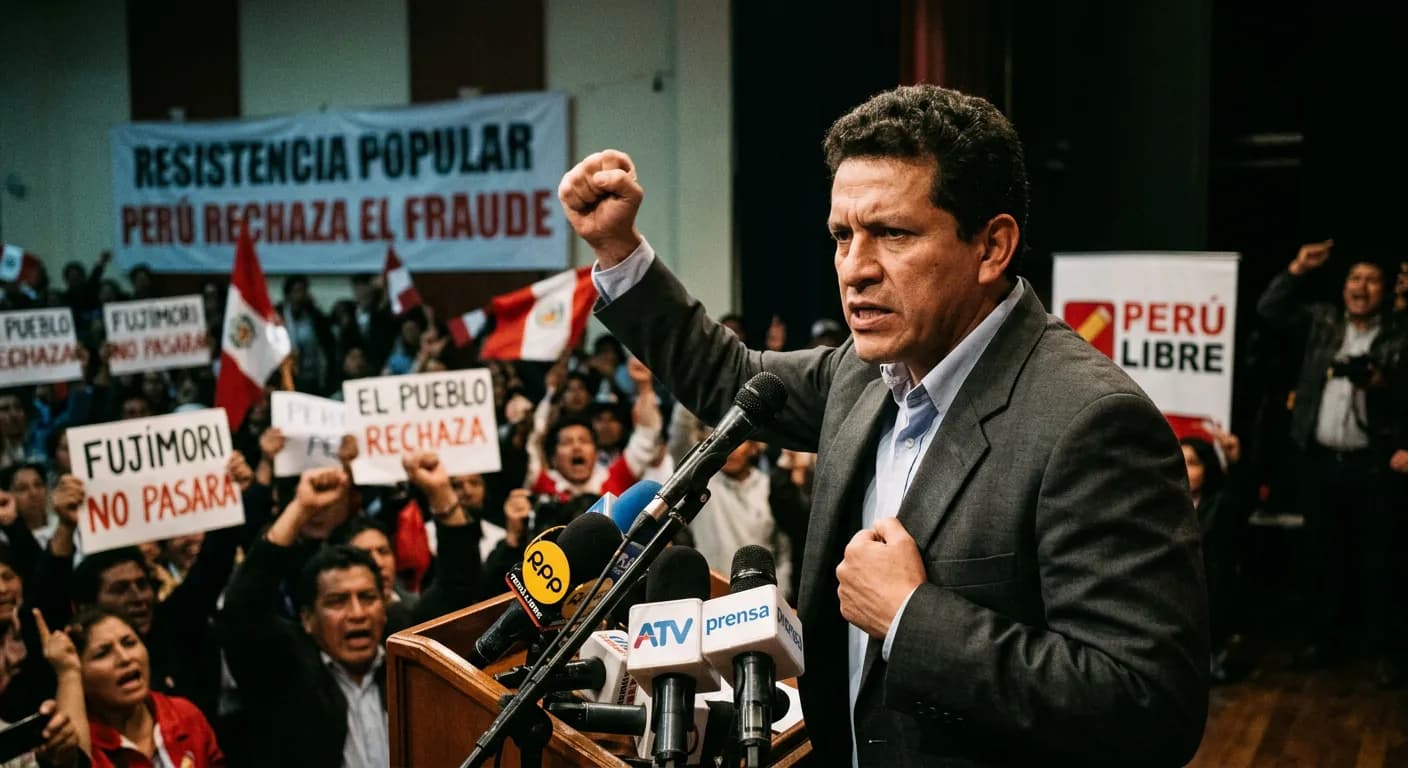
Sanchez Rejects Fujimori Victory in Peru
Sanchez vows to reject Fujimori's election victory in Peru, raising the threat of political chaos and a contested outcome that could deepen national divisions.
Conflict & Security
Peru Election Chief Resigns Before Runoff
Peru's election chief Piero Corvetto has resigned, deepening a political crisis at the ONPE just ahead of the country's critical June presidential runoff.
International Relations
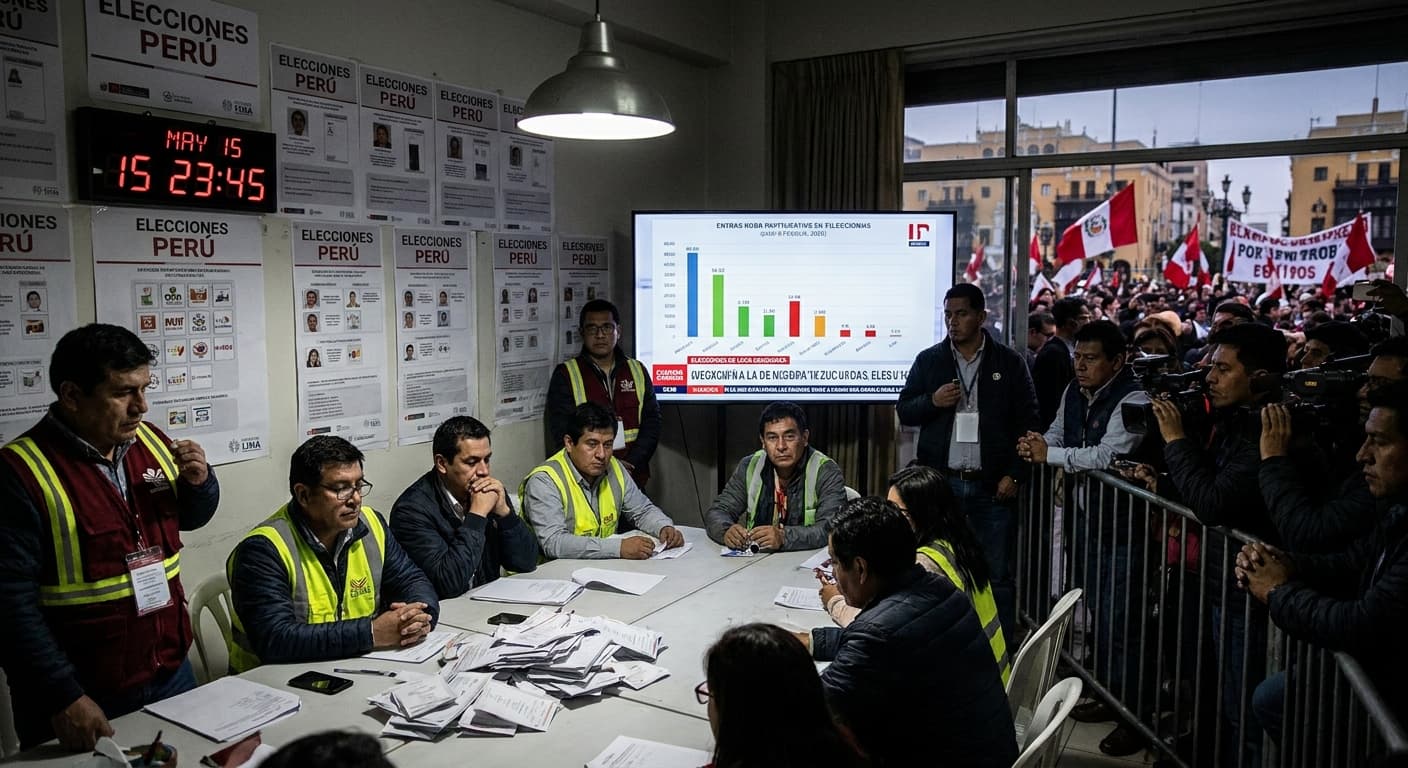
Peru's Mid-May Election Results
Keiko Fujimori's Fuerza Popular secures a powerful Senate bloc, reshaping Peru's political dynamics and impeachment process.

Conflict & Security
Drone Warfare Killing Aid Workers at Unprec
Over 1,000 humanitarian workers killed in three years as cheap armed drones collapse legal protections. Gaza, Sudan, Ukraine, and DRC see deliberate targeting of aid convoys and hospitals with zero prosecutions.