Kremlin Bars British Journalists Amid Tension
Russia's travel bans reflect escalating diplomatic strife with the UK.
Model Diplomat2 min readEurope
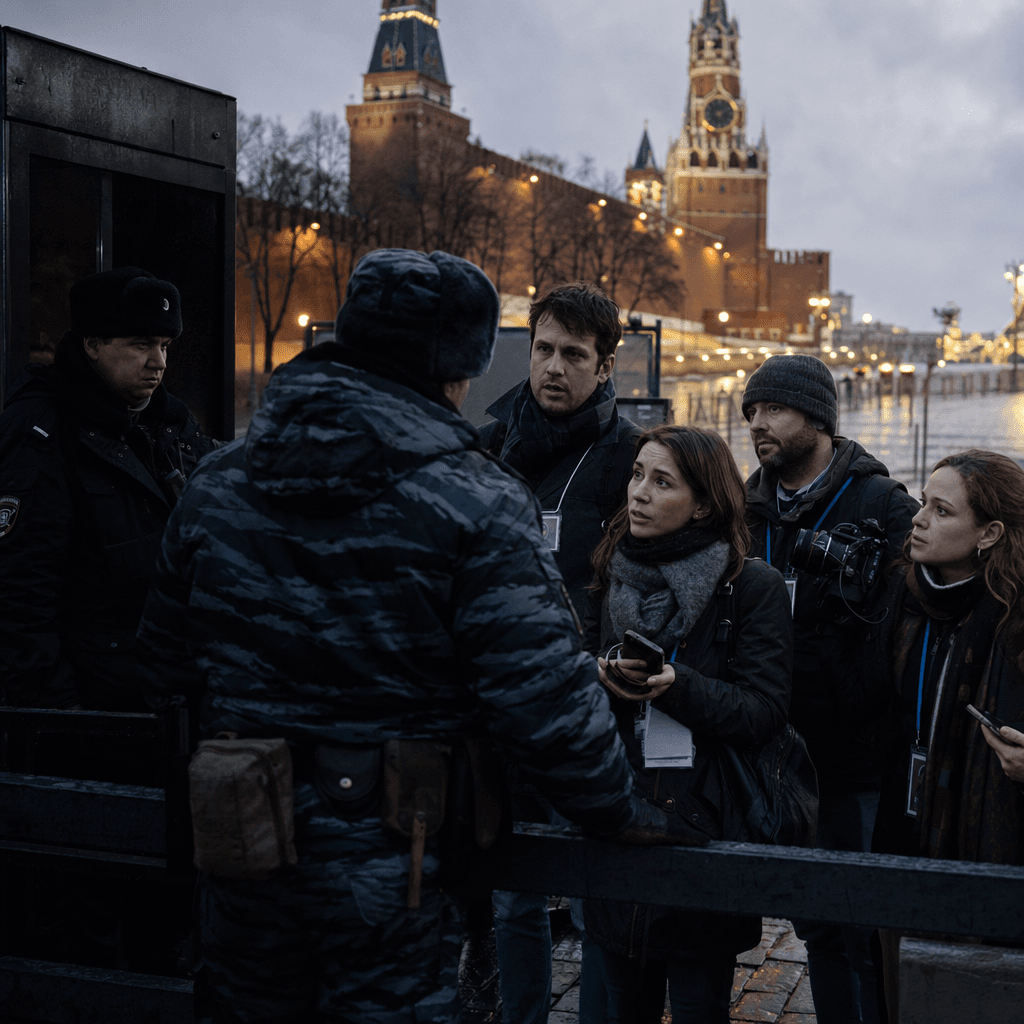
Kremlin Bars More British Journalists as Diplomatic Ties Fray
Britain’s condemnation of Russia’s latest travel bans highlights a calculated Kremlin campaign to squeeze Western access and retaliate against London’s hardline foreign policy.
On Wednesday, the UK Foreign Office expressed outrage after Moscow banned five British nationals, including several journalists, from entering Russia, according to Reuters. This move is the latest friction point in a deteriorating relationship that has seen serial diplomatic expulsions, sanctions clashes, and a systemic squeeze on independent reporting. By locking out British press, the Russian government is pursuing a double objective: retaliating against the UK's leading role in the European security coalition while sealing its own internal information ecosystem from independent Western eyes.
This is not an isolated diplomatic swipe. It fits a well-established pattern of tit-for-tat retaliation that has escalated significantly over the last several years. Previously, Moscow banned dozens of high-profile journalists from the BBC, Times, and Guardian in response to UK sanctions, as reported by Al Jazeera. More recently, the bilateral friction in
international relations has moved beyond targeted entry bans to active diplomatic expulsions. For instance, in April 2026, London expelled a Russian diplomat following Moscow’s "unjustified" expulsion of a British embassy staffer under espionage accusations, as documented by
Al Jazeera.
For Moscow, targeting British media and diplomatic personnel is a low-cost leverage point. It allows Russia to project domestic strength and signal that British support for Ukraine—including arms deliveries and economic sanctions—carries direct bilateral costs. Furthermore, it coordinates with the systematic dismantling of Western reporting infrastructure in Russia. Under highly restrictive laws that criminalize independent reporting on the conflict in Ukraine, foreign reporters operate under stringent permit limits and intense scrutiny, with journalists from "unfriendly" countries forced to renew their credentials every three months to remain in the country, according to
BBC News.
The clear beneficiary of these actions is the Russian security apparatus, which successfully limits the flow of independent, on-the-ground reporting back to Western audiences while tightening control over the domestic narrative. Losing direct visual and analytical access inside Russia harms British intelligence and public understanding of Russian political dynamics. However, London also uses these hostile steps to justify its robust sanctions programs and military aid packages to Ukraine, reinforcing Western solidarity against what it presents as an increasingly closed and aggressive autocracy.
The next critical flashpoint lies in how London responds. Observers should watch the UK Foreign Office for a mirror response, which could target Russian state media personnel or diplomatic representatives remaining in London. More importantly, the geopolitical spotlight is shifting to the English Channel, where British plans to intercept Russian "shadow fleet" tankers could trigger the next major escalation, especially since Moscow has already warned such actions will carry severe consequences, according to BBC News.
Discover more

Global Politics
US Seizes Iranian Ship, Tensions Surge
The US seizure of the Iranian ship Touska highlights a shift in control over the Strait of Hormuz, favoring Iran's strategic position.

Conflict & Security
Drone Warfare Killing Aid Workers at Unprec
Over 1,000 humanitarian workers killed in three years as cheap armed drones collapse legal protections. Gaza, Sudan, Ukraine, and DRC see deliberate targeting of aid convoys and hospitals with zero prosecutions.

Global
World Normalises Taliban as Afghan Women Eras
UN data shows Afghan women erased from public life as Russia recognises the Taliban, EU hosts officials in Brussels, and ICC warrants for gender persecution go unenforced.
Conflict & Security
West Africa Food Crisis: Three Shocks in 2026
Conflict, climate extremes, and the Strait of Hormuz closure drive a severe food crisis in West and Central Africa, with fertilizer prices surging 80% and millions displaced.