US Visa Control: Leverage at the UN
Russia's visa denial sparks treaty tensions with the US.
Model Diplomat3 min readNorth America
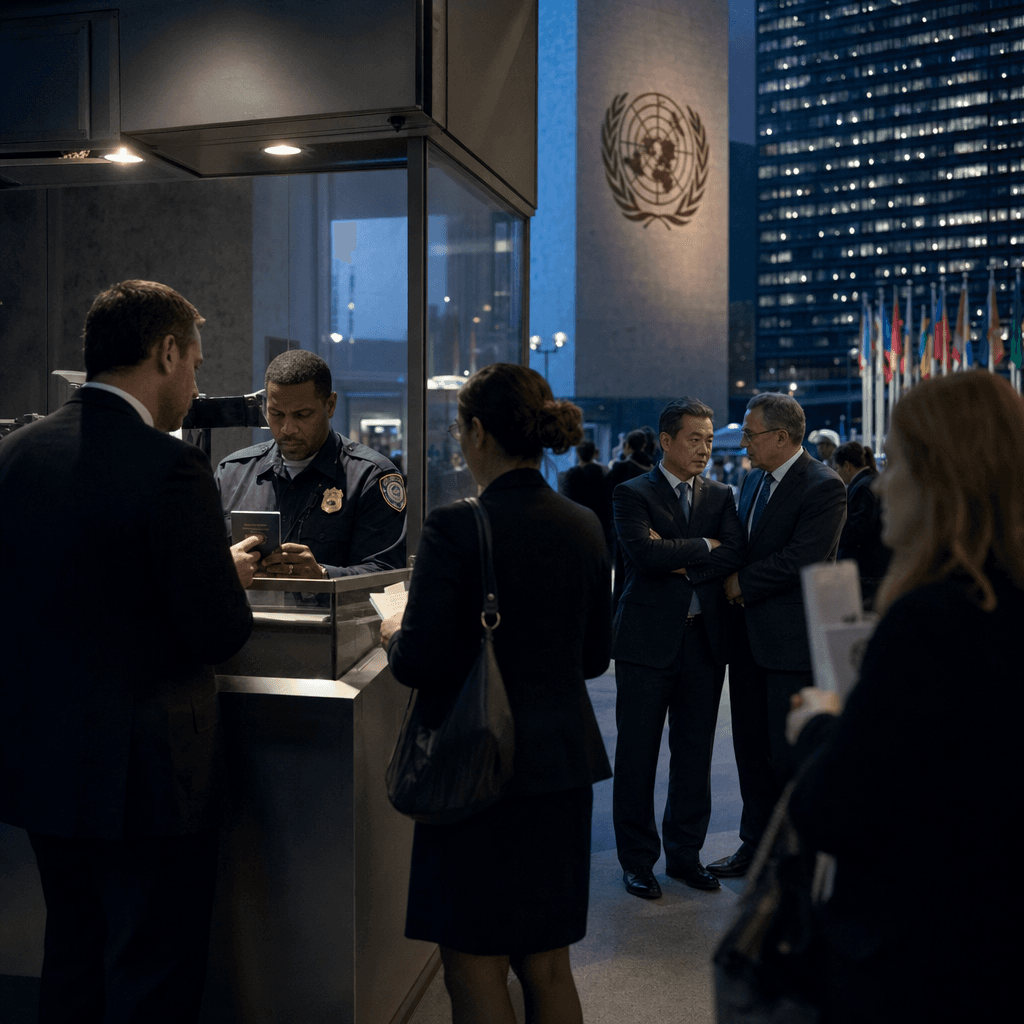
US visa control gives Washington leverage at the UN
Russia is turning a visa denial into a treaty fight, but the real power sits with the host country that controls access to New York.
Russia says the United States refused a visa to Deputy Foreign Minister Alexander Alimov for a UN Security Council meeting in New York, and Moscow is casting that as a breach of Washington’s obligations under the UN headquarters agreement, according to Al Jazeera. Russia’s UN envoy Vassily Nebenzia told the council Alimov “should have been represented” because he oversees UN matters, and said Moscow had tried to persuade the US to issue the visa. The State Department did not immediately comment, Al Jazeera reported.
Why the visa matters
This is not really about one diplomat. It is about who controls the gate to the UN system in New York. Under the 1947 headquarters agreement, the US is supposed to issue visas for UN functions “without charge and as promptly as possible.” That rule exists because the UN cannot function if the host country can selectively choke off participation.
Moscow is using that legal language for a political purpose: to argue that Washington cannot claim to defend multilateralism while restricting access for Russian officials. It also broadens the complaint beyond Russia. Nebenzia said the denial was a slight to Beijing, which holds the Security Council presidency in May, turning the issue into a critique of the council chair as well as the host country.
The pattern is familiar. Anadolu Agency reported a separate visa problem this week that kept Iranian Foreign Minister Abbas Araghchi from attending the same Security Council meeting. That matters because it shows Washington is not facing a one-off Russian grievance; it is operating a broader visa chokepoint that can shape who shows up, who speaks, and who gets to frame the debate in New York.
Who benefits, and who loses
Russia benefits in the short term. It gets to present itself as the injured party and Washington as the bad-faith host. That is useful propaganda at a moment when Moscow wants to keep UN channels open while accusing the US of politicising them.
China also gains a little leverage. If the council presidency is publicly embarrassed by a visa dispute during its month at the helm, Beijing can use that to press for more predictable treatment of its partners and to remind Washington that the UN is not an American venue.
The loser is the institution itself. Every visa dispute reinforces the idea that access to the UN depends less on membership than on bilateral relations with the United States. That erodes the UN’s claim to be a neutral arena, and it gives Russia, Iran and other sanctioned or adversarial states a ready-made argument that the system is being managed by the host rather than the membership.
For Washington, the upside is narrower but real: visa control remains one of the few non-military tools it has to shape participation by adversaries. The cost is diplomatic credibility. When the US uses that lever, it strengthens the case for rivals who argue that New York is an American checkpoint, not an international capital.
What to watch next
The immediate test is whether the State Department explains the denial or quietly lets the complaint fade. Also watch whether China, as council president, raises the matter formally before the month ends. If the US is willing to block or delay visas for Russian and Iranian officials now, the next point of pressure will be September’s UN General Assembly, when every denial becomes a public fight.
Discover more
Global
Trump's 2024 Blueprint Meets 2026 Reality
Trump's 2024 policy proposals have faced significant legal challenges and economic realities by 2026, reshaping tariffs, taxes, and immigration enforcement.
Elections & Campaigns
Democrats' Foreign Policy Group Returns
National Security Action reboots for 2028 with Maher Bitar, facing a divided Democratic stance on Israel and foreign policy.
International Relations
US Releases $12 Billion in Frozen Iranian Aid
The US releases 12 billion dollars in frozen Iranian assets, signaling a shift in nuclear negotiations and easing sanctions pressure across the Middle East.
Global Politics
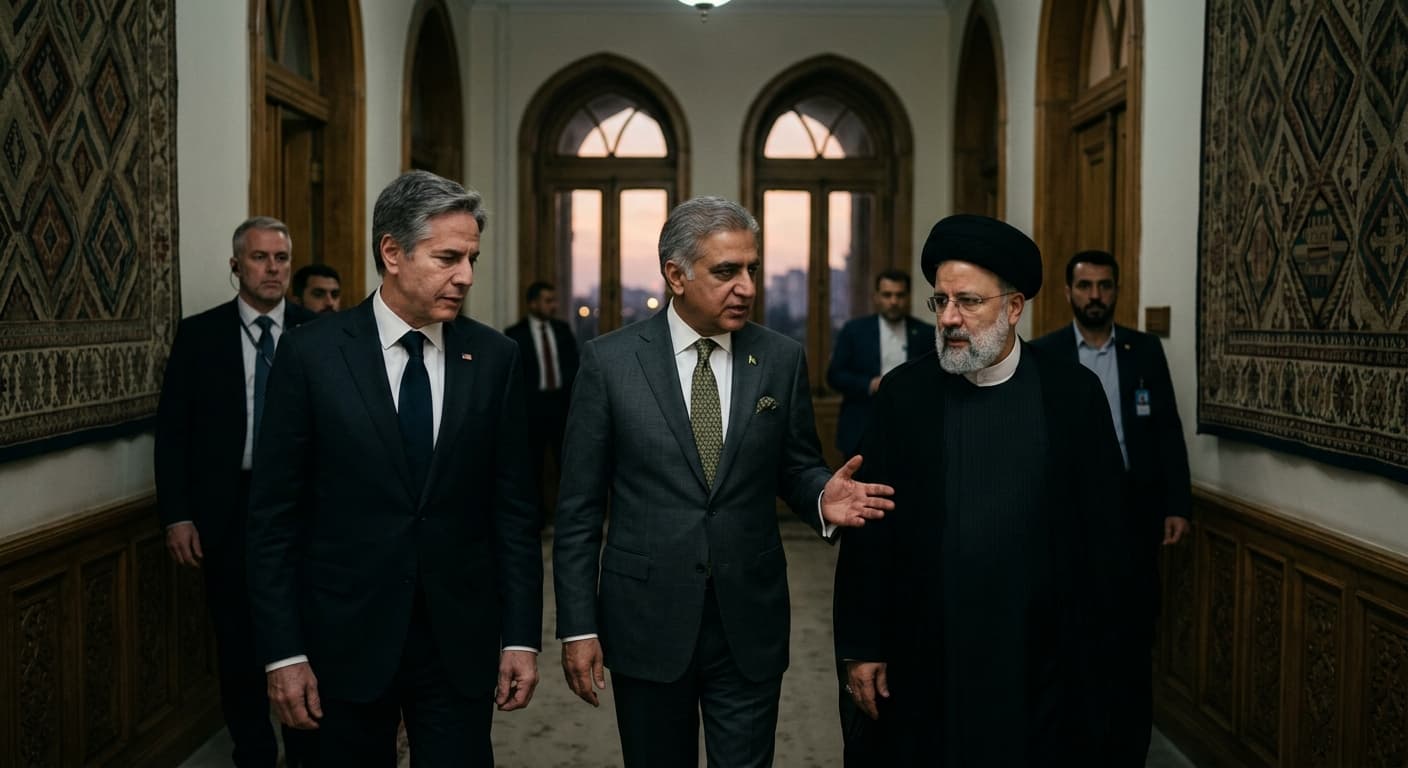
Pakistan's Role in US-Iran Negotiations
Pakistan has emerged as a key broker in US-Iran negotiations, leveraging its position to shape the trajectory of future relations between Washington and Tehran.