US Releases $12 Billion in Frozen Iranian Aid
Iran gains financial relief amid nuclear negotiations.
Model Diplomat3 min readMiddle East
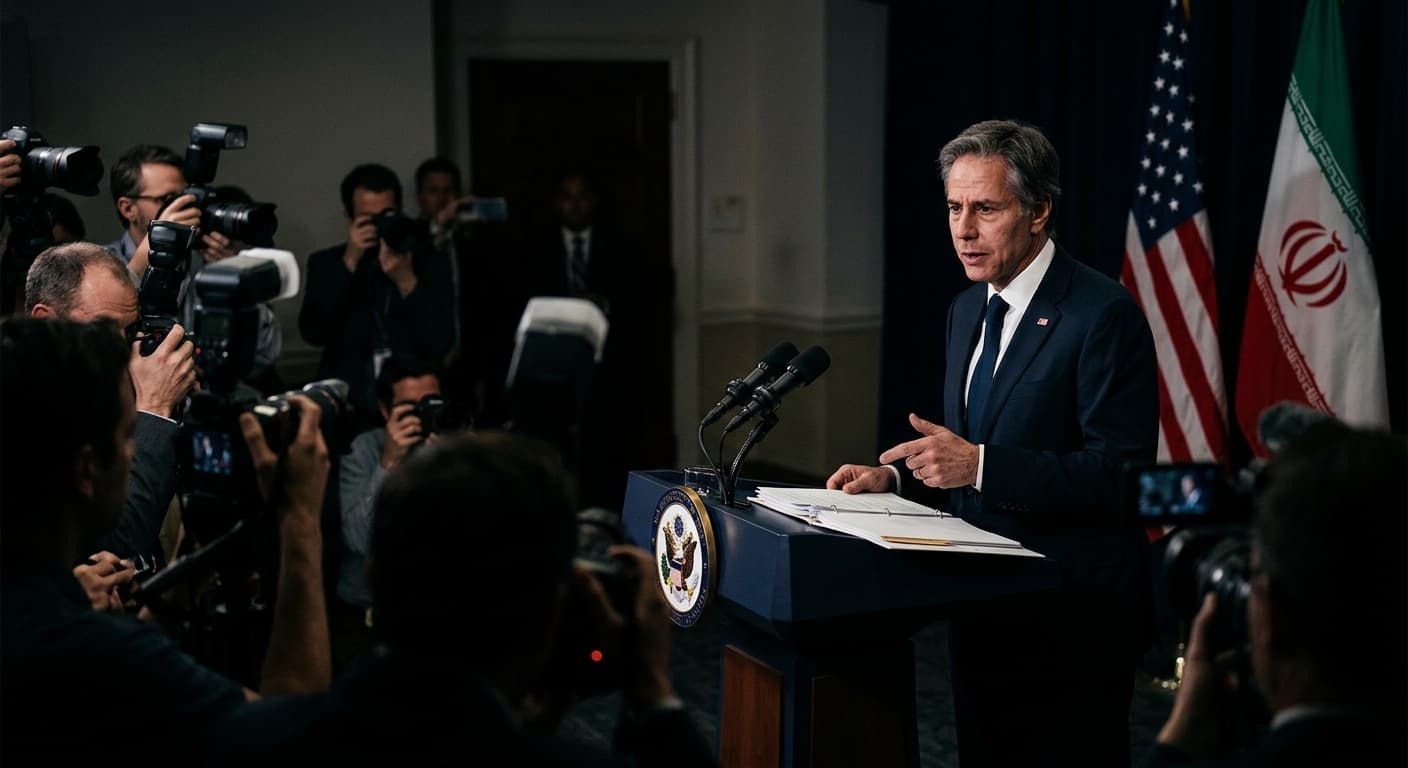
US Releases $12 Billion in Frozen Iranian Assets, Waives Oil Sanctions
Iran secures immediate financial relief in ceasefire deal while Washington seeks nuclear inspections and Strait of Hormuz access.
Al Jazeera reported on June 23 that the United States has agreed to release $12 billion in frozen Iranian assets and temporarily waive sanctions on crude oil and petrochemical exports. The move follows the first round of intensive negotiations in Switzerland between US and Iranian delegations, where
Vice President JD Vance said negotiators had laid "a very good foundation for a successful final deal," according to AL-Monitor. The
US Treasury Department has waived sanctions through August 21, ABC News reported, allowing Iran to produce and sell oil at market prices instead of the discounted rates it accepted when international buyers feared US penalties.
The timing matters. The frozen assets and oil waivers represent immediate economic wins for Iran under an interim agreement signed last week—before the hardest negotiations even begin. Under the memorandum of understanding, technical committees are being established to oversee how Iranian money is spent, with US concerns focused on preventing funds from flowing to proxy militias in the region, Al Jazeera reported. Both sides have committed to reaching a final deal within 60 days, with additional sanctions relief and asset unfreezing contingent on Iran meeting unspecified "benchmarks."
Iran's Front-Loaded Win
The current arrangement favors Iran financially. Lifting oil sanctions allows Iran to sell crude at market value rather than steep discounts, generating millions more in revenue immediately.
Iranian Parliament Speaker Muhammad Bagher Ghalibaf presented the $12 billion release as an immediate "winning point," signaling Tehran views this deal through the lens of gain, not compromise.
According to the Center for Strategic and International Studies, Iran gets most of what it wants up front—before negotiations on a final deal even start—including an end to the naval blockade, noninterference in internal affairs, and the prospect of up to $300 billion in reconstruction funds.
For Washington, the sequencing presents a risk. The think tank RUSI noted that by offering economic relief before resolving the hardest issues—nuclear restrictions, regional restraint, and freedom of navigation through the Strait of Hormuz—Washington risks making de-escalation look less like leverage and more like payment for restraint. Iran's refusal to allow
International Atomic Energy Agency inspectors into the country since November 2025 remains unresolved;
Vance said Iran has agreed to allow inspectors back, but cautioned the US will have to "see" what Iran "actually lets the inspectors do."
The Reading Splits Already
The ambiguity invites divergent interpretations. Washington appears to frame the agreement as conditional—Iran receives benefits only if it meets nuclear and regional commitments. Tehran reads the same document as recognition of Iranian sovereignty, an end to US military pressure, and a pathway to sanctions relief. Neither side is explicitly wrong, but both are reading victory into text designed to end fighting fast, not settle decades of hostility cleanly.
What to watch: The August 21 oil-waiver deadline and the 60-day final-deal window. If Iran reaches for more before complying on nuclear access, the US faces a choice—enforce conditionality and risk resuming conflict, or accept that the sequencing game favors Tehran. The real test begins in technical committee meetings this week in Switzerland, where teams negotiate the mechanics of asset release and the contours of nuclear inspections. Trump's threat to "bomb the hell out of them if they violate the agreement" buys time rhetorically, but the window for Washington to enforce terms is closing with each asset unfrozen.
Discover more

Global Politics
US Seizes Iranian Ship, Tensions Surge
The US seizure of the Iranian ship Touska highlights a shift in control over the Strait of Hormuz, favoring Iran's strategic position.

International Relations
Pakistan's Key Role in US-Israel-Iran Meddle
Pakistan is seeking to mediate the US-Israel-Iran conflict, balancing high-stakes diplomacy against severe economic pressures and steep regional challenges.
Global Politics
Trump's Conflicting Messages on Iran War
Trump's mixed messages on Iran reflect a strategy of audience management, benefiting Tehran amid a complex geopolitical landscape.

Conflict & Security
Drone Warfare Killing Aid Workers at Unprec
Over 1,000 humanitarian workers killed in three years as cheap armed drones collapse legal protections. Gaza, Sudan, Ukraine, and DRC see deliberate targeting of aid convoys and hospitals with zero prosecutions.