Trump's 2024 Blueprint Meets 2026 Reality
A look at Trump's policy proposals and their outcomes.
Model Diplomat4 min readamericas
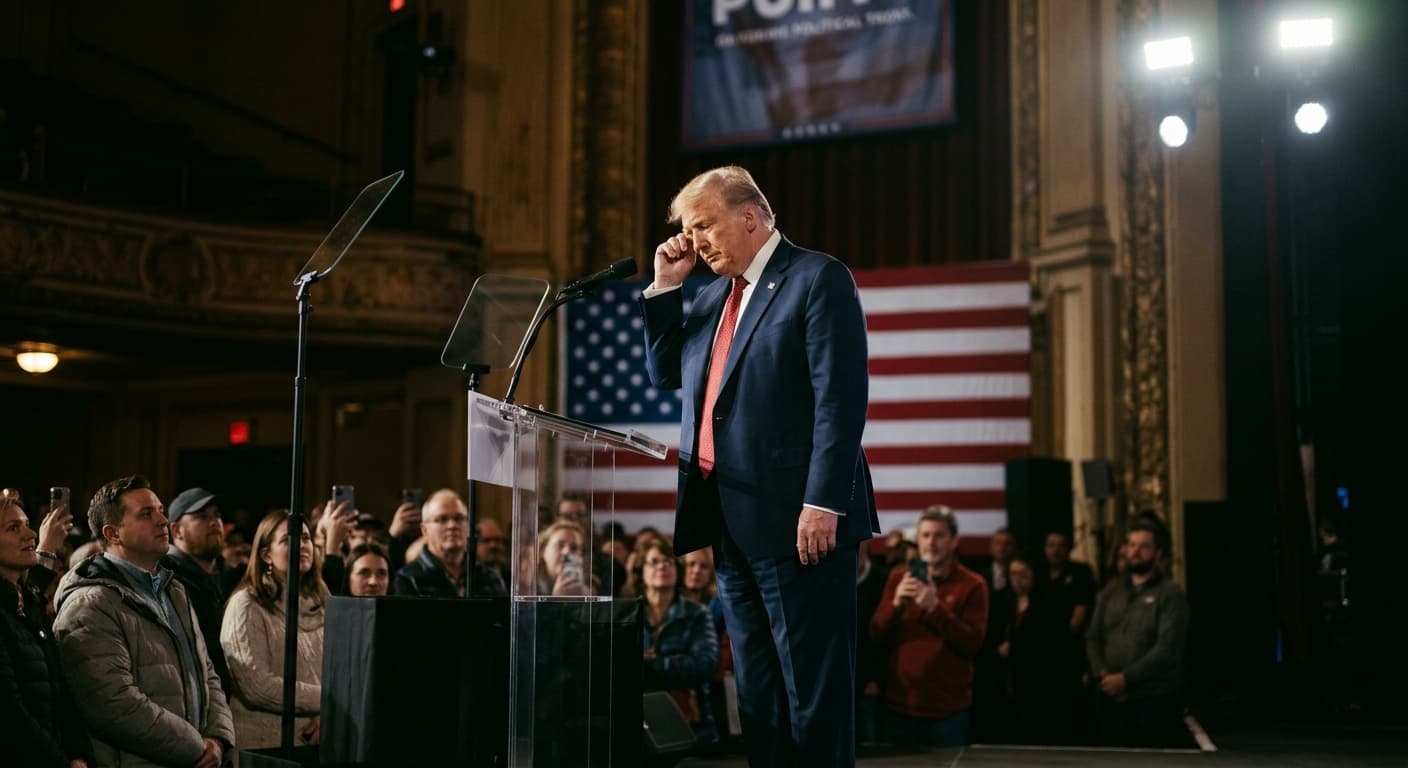
Trump's 2024 Blueprint Meets 2026 Reality — What Survived, What the Courts Killed
Trump's campaign proposals promised a radical break. Eighteen months later, the Supreme Court has gutted his signature tariff regime, the GOP megabill is heading to his desk, and a new trade war is launching under a different legal name.
When Axios compiled Trump's policy platform in November 2024, the package was defined by three pillars: mass deportation, sweeping tariffs to force domestic manufacturing, and deep tax cuts that the Committee for a Responsible Federal Budget warned would add $7.5 trillion to deficits by 2035. The question as of June 2026 is no longer what Trump proposed — it's what survived contact with the courts, Congress, and economic reality.
The scorecard is uneven. Tariffs, the centerpiece, have been legally dismantled and rebuilt under a different statute. Tax cuts are on the verge of becoming law. Immigration enforcement has been transformed, though deportation numbers remain modest. And on energy, deregulation, and civil rights, roughly half of the Heritage Foundation's Project 2025 has been implemented, per a Center for Progressive Reform analysis — despite Trump having publicly distanced himself from it during the campaign.
Tariffs: From Liberation Day to Legal Defeat — and a Relaunch
The most volatile arc belongs to trade policy. On April 2, 2025, Trump declared "Liberation Day," imposing tariffs that drove the average effective rate to roughly 22.5% — a level not seen since 1909, according to the Council on Foreign Relations. Markets tanked. Within a week, he paused most of them at 10%, while raising China's rate to 125%.
Then, in February 2026, the Supreme Court ruled that Trump had exceeded his authority by using the International Emergency Economic Powers Act to impose broad, open-ended tariffs. The decision invalidated roughly 70% of the tariff regime, opening the door for businesses to claw back an estimated $175 billion in already-paid duties, per the Penn Wharton Budget Model.
The administration did not retreat. Within hours, it imposed a temporary 10% global tariff under Section 122 of the Trade Act of 1974 — itself now facing legal challenge. And on June 2, the U.S. Trade Representative launched Section 301 investigations into 60 economies, proposing tariffs of up to 12.5% on the grounds that those nations have failed to prevent trade in goods made with forced labor, Al Jazeera reports. Targets include allies: the EU, UK, Japan, Australia, Canada.
The economic toll is well-documented. The New York Federal Reserve found that 90% of tariff costs were paid by U.S. firms and consumers, not foreign exporters. The Tax Foundation estimates tariffs cost the average American household $1,000 in 2025 and will cost $1,300 in 2026. Goldman Sachs calculated that roughly 55% of new charges were passed to consumers, adding roughly half a percentage point to inflation. The
BBC notes that U.S. imports from China plunged roughly 30% in 2025 — but the overall trade deficit actually rose.
Taxes and Spending: The OBBBA Lands
On the fiscal side, Trump is about to notch his biggest legislative win. The "One Big Beautiful Bill Act" — a sweeping reconciliation package — passed the House 218-214 and the Senate, and is expected to be signed on July 4, NPR reports.
The bill extends the 2017 tax cuts, adds temporary deductions for tips (up to $25,000) and overtime (up to $12,500), raises the child tax credit to $2,200, and lifts the SALT deduction cap to $40,000 for married couples through 2028. It also allocates $46.5 billion for border wall construction and roughly $170 billion for immigration enforcement over four years.
The procedural maneuver that got it through is as significant as the content. Senate Republicans adopted a "current policy baseline" that treated extending the expiring TCJA provisions as costing zero — a break with 50 years of budget rules, as Brookings notes. The debt limit rises by $5 trillion. Medicaid provider taxes face a phased cap beginning in 2028, which some GOP senators warn could threaten rural hospitals.
Immigration: Enforcement Transformed, Deportations Modest
Trump's "largest mass deportation program in history" has reshaped enforcement architecture without yet producing mass removal numbers. The PBS NewsHour / AP catalogued the early ambitions: National Guard deployment, ending birthright citizenship, "Remain in Mexico," ideological screening. Many of these have faced court blocks — a federal judge ruled in February 2026 that deporting migrants to third countries was unlawful, and the birthright citizenship executive order was enjoined.
But the enforcement machinery has expanded dramatically. The OBBBA funds 10,000 new ICE officers and caps immigration judges at 800 despite a backlog of nearly 3.8 million cases, per the Council on Foreign Relations. CBP One, the appointments app used by asylum-seekers under Biden, was terminated; 30,000 existing appointments were canceled. A
Brookings analysis found the administration is "seemingly aimed at reducing the number of immigrants in the U.S. overall, regardless of legal status or criminal history."
Only 17 trade deals have been concluded from the tariff campaign, and several — including negotiations with India — stalled after the Supreme Court ruling, the CFR notes. India canceled a planned trip to Washington; EU implementation has been "fraught and delayed." The leverage that tariffs were supposed to create has, for now, diminished.
What to Watch
Three dates define the near term. July 4 — Trump signs the OBBBA, locking in the tax and spending framework. July 6-7 — the USTR's comment period and hearings on Section 301 forced-labor tariffs close, setting the stage for the next tariff escalation. July 24 — the temporary Section 122 global tariff expires. Whether the administration lets it lapse or renews it will signal whether the legal setbacks have meaningfully constrained executive trade power, or merely rerouted it.
Discover more

US Politics
SNAP Food Assistance Faces Legal Challenges
In 2026, SNAP faces stricter eligibility rules and mounting legal challenges, threatening food assistance for the millions of Americans who rely on the program.

India
Romanian Coalition Party Demands PM Resign
Romania's Social Democrats withdrew from coalition, joining far-right AUR to topple PM Bolojan, risking €10 billion in EU funds by August 2026.
India
700 Activists Accuse PM Modi of MCC Breach
Over 700 activists allege PM Modi breached election code with a televised address attacking opposition parties just before state elections.

Economics
Fed's Amex AML order puts correspondent banking on notice
Federal Reserve's Amex AML order requires board-level controls and a 90-day plan; OCC fined the bank $350 million over enterprise-wide deficiencies.