U.S. Troops Conduct Drill in Caracas, Signals
Military exercise signals U.S.-Venezuela engagement shift
Model Diplomat3 min readSouth America
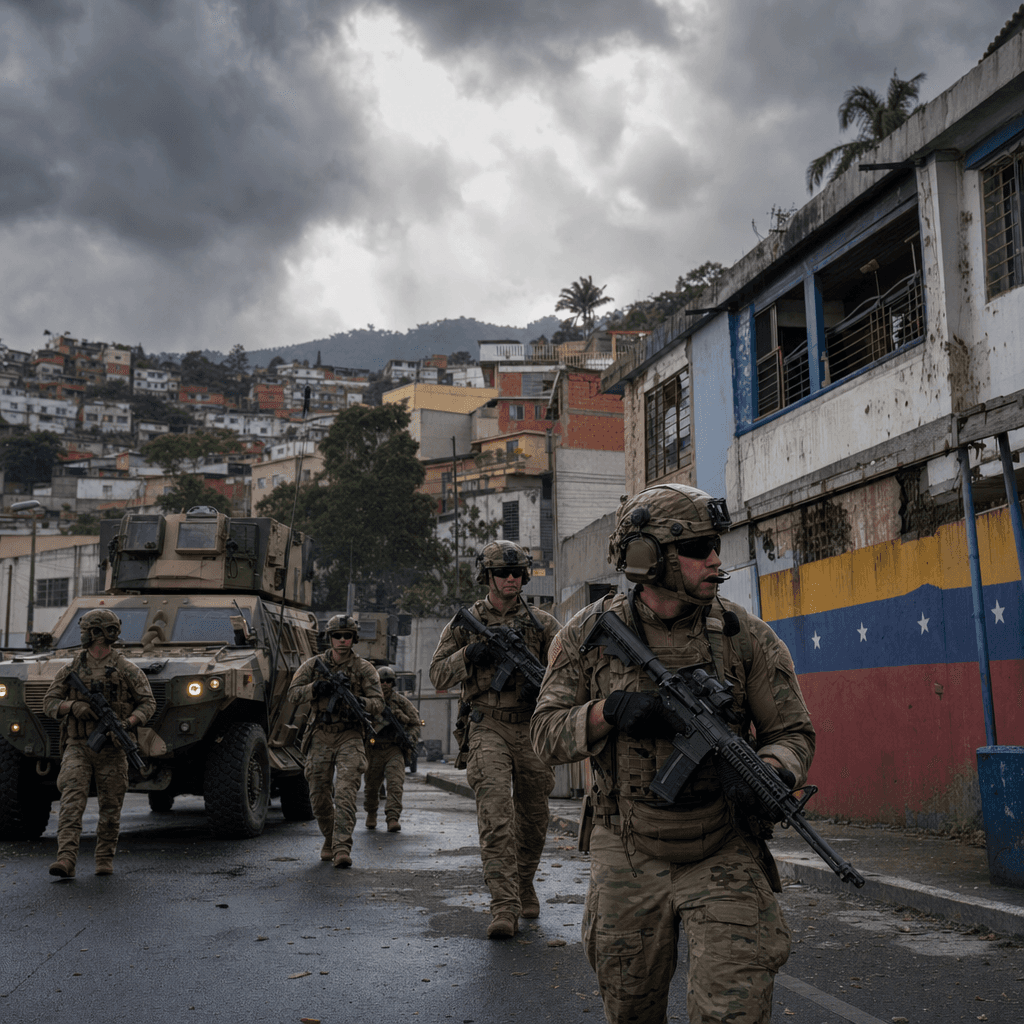
U.S. troops in Caracas show a new Venezuela bargain
Washington got permission to fly military aircraft over Caracas. That is leverage: Maduro’s camp needs normalization, and the U.S. is using security optics to lock in its terms.
The U.S. military carried out a rare evacuation drill in Caracas on Saturday, with two MV-22B Osprey aircraft and boats operating near the capital after authorization from Venezuela’s government, according to the BBC and Reuters. The exercise was supervised by U.S. Southern Command chief Gen. Francis L. Donovan, who was in Caracas for his second official visit, and was described by the U.S. embassy as a test of rapid-response capability and embassy evacuation procedures (BBC News Mundo;
Reuters).
Washington sets the terms
The key fact is not the drill itself. It is that Caracas approved an American military operation over its own capital. Venezuela had already said the exercise was requested by the U.S. embassy and framed it as a routine diplomatic-security protocol for “medical situations or catastrophic contingencies,” with coordination through Venezuelan aviation authorities and the Red Cross, Reuters and EFE reported (Reuters;
EFE).
That matters because the symbolism runs one way: Washington is demonstrating that it can move aircraft, personnel, and messaging in the heart of Caracas with Venezuelan permission. The U.S. embassy said the drill fit its global mission-preparedness posture and its broader Venezuela plan, language that signals an effort to normalize a security relationship on U.S. terms (Reuters;
EFE).
For policymakers, this is the current state of Global Politics: the United States is not just talking to Caracas, it is staging visible power inside it.
Caracas is trading sovereignty theater for room to maneuver
For Delcy Rodríguez’s government, the exercise is a political cost, but a calculated one. EFE reported that Venezuela’s authorities said the drill was coordinated through official diplomatic channels and that U.S. military aircraft would overfly Caracas and land at the embassy in a controlled manner (EFE). BBC noted that the Maduro camp did not issue a direct statement, but street-level criticism came from hardline chavistas, some of whom protested under the slogan “No al simulacro yanqui” (
BBC News Mundo).
That split is the point. Rodríguez’s camp benefits from keeping Washington engaged, because engagement gives it diplomatic space, security contact, and possible economic leverage after years of rupture. The hardline nationalist flank loses, because the images of U.S. helicopters over Caracas undermine the old anti-imperialist script without delivering an obvious ideological win.
The U.S. side also benefits from the optics. The same day it showed it could operate in Caracas, it reinforced the message that cooperation is possible only through the current interim channel. That fits the broader pattern of U.S.-Venezuela rapprochement since relations were restored in March, including prior visits by Donovan and energy officials (EFE;
EFE).
What to watch next
The next decision point is whether this remains a one-off embassy drill or becomes part of a wider security-and-energy bargain. Watch for three signals: another Donovan visit, any new bilateral security language, and whether Washington ties these contacts to oil or sanctions relief. Also watch the internal Venezuelan reaction: if hardliners escalate against Rodríguez, the opening to the U.S. narrows fast. For the U.S., and especially for United States watchers, the date that matters is the next formal bilateral announcement — because that will show whether this was just a drill, or the start of a managed thaw.
Discover more

Global Politics
US Seizes Iranian Ship, Tensions Surge
The US seizure of the Iranian ship Touska highlights a shift in control over the Strait of Hormuz, favoring Iran's strategic position.

Conflict & Security
Drone Warfare Killing Aid Workers at Unprec
Over 1,000 humanitarian workers killed in three years as cheap armed drones collapse legal protections. Gaza, Sudan, Ukraine, and DRC see deliberate targeting of aid convoys and hospitals with zero prosecutions.

Global
World Normalises Taliban as Afghan Women Eras
UN data shows Afghan women erased from public life as Russia recognises the Taliban, EU hosts officials in Brussels, and ICC warrants for gender persecution go unenforced.
Conflict & Security
West Africa Food Crisis: Three Shocks in 2026
Conflict, climate extremes, and the Strait of Hormuz closure drive a severe food crisis in West and Central Africa, with fertilizer prices surging 80% and millions displaced.