US Strikes Iran Amid Hormuz Tensions
Military action raises stakes in ongoing ceasefire talks.
Model Diplomat3 min readMiddle East
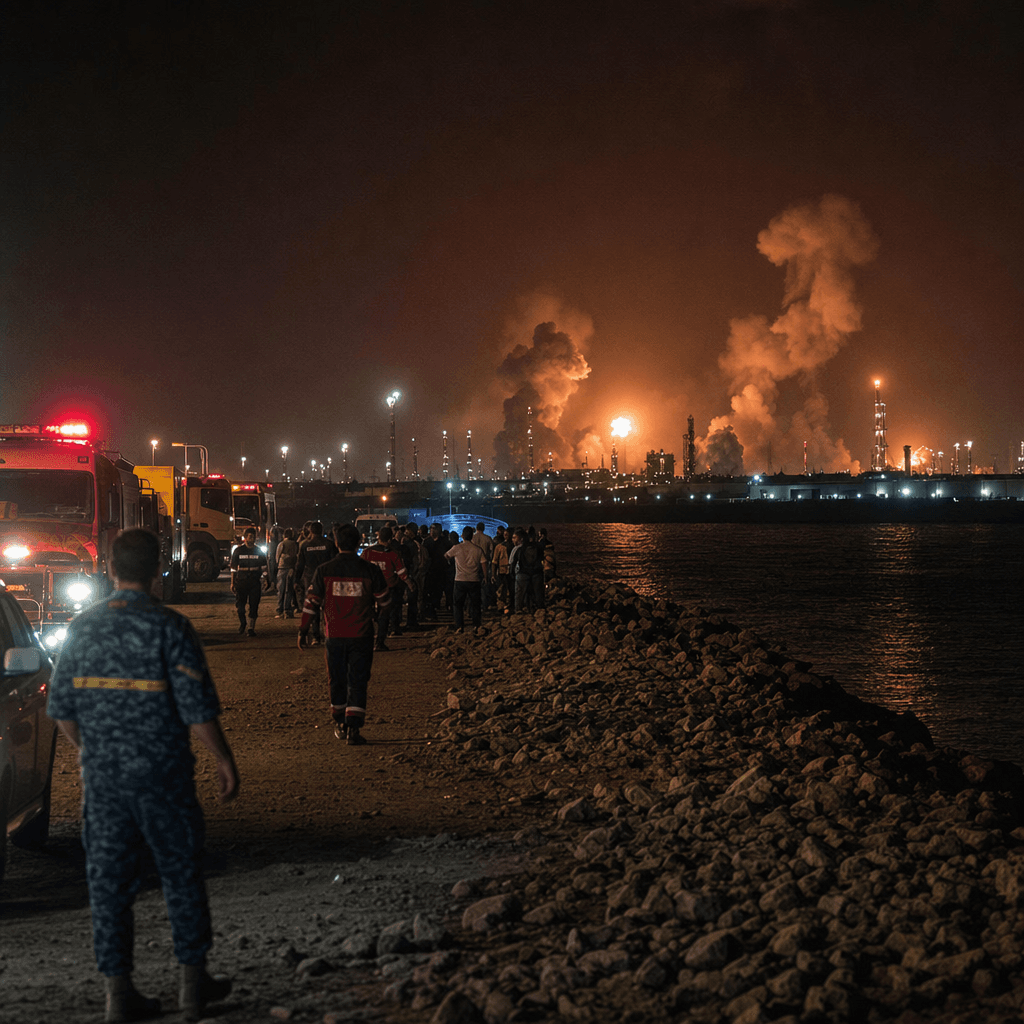
US strikes southern Iran as Hormuz talks wobble
Washington says it hit mine boats and missile sites in southern Iran, raising the cost of escalation just as ceasefire talks over Hormuz continue.
The US military said it launched new strikes in southern Iran on boats allegedly laying mines and on missile sites, framing the operation as self-defence; Iran had not responded publicly at the time of the report, and Al Jazeera said it was still unclear what the strikes would do to any peace agreement Al Jazeera. Reuters, as republished by
Reuters, said Central Command described the strikes as necessary to protect US forces while “using restraint during the ongoing ceasefire,” even as talks in Qatar continued and Secretary of State Marco Rubio said a deal with Tehran was still possible within days.
The leverage game is now visible
This is not just a battlefield update. It is Washington showing that diplomacy is being backed by force, not substituting for it. Iran’s mine-laying threat is a cheap coercive tool: it can disrupt shipping, raise insurance costs, and make the Strait of Hormuz feel unsafe without requiring a major naval engagement. The US answer is to strike the platforms, then insist the door to talks remains open.
That pairing matters because the negotiating agenda is already tied to maritime access and sanctions relief. Reuters said the current talks in Doha center on the strait, frozen Iranian funds, and constraints on Iran’s nuclear program, with Rubio arguing that the strait “has to be open” Reuters. In other words, the US is using force to defend the bargaining table and to tell Tehran that pressure on shipping will be met immediately.
For Iran, the mine boats are part deterrent, part signal. If Tehran can make the waterway look vulnerable, it gains bargaining power and a way to extract concessions. If the US can keep the strikes limited and the talks alive, it denies Tehran the payoff from brinkmanship. That is the real contest now, and it is why this belongs on the Global Politics docket, not just the war ticker.
Who gains, who loses
The immediate beneficiary is the US negotiating position: it can argue that it is enforcing red lines without closing off diplomacy. The immediate loser is Iran’s navy and Revolutionary Guard units operating around the Gulf, which now face a higher risk of being hit before they can translate harassment into leverage.
The deeper loser is the shipping market. Reuters said only a handful of vessels have been passing through Hormuz compared with normal traffic before the war, underscoring how badly the corridor has been stressed by the fighting and the competing blockades Reuters. Every new strike reinforces the same message to insurers, tanker owners, and Gulf buyers: until there is a deal, the route remains politically, not commercially, open.
What to watch next
The next decision point is whether Iran answers militarily or keeps the Qatar channel alive. Rubio said the sides were still talking and that a resolution could take “a few days,” which means the calendar now matters as much as the weapons Reuters. If Tehran retaliates around Hormuz, the talks could collapse fast. If it stays quiet, the US will claim the strikes forced Iran back toward negotiation. Either way, the next move will come from whoever thinks time is on their side.
Discover more

Global Politics
US Seizes Iranian Ship, Tensions Surge
The US seizure of the Iranian ship Touska highlights a shift in control over the Strait of Hormuz, favoring Iran's strategic position.

Conflict & Security
Drone Warfare Killing Aid Workers at Unprec
Over 1,000 humanitarian workers killed in three years as cheap armed drones collapse legal protections. Gaza, Sudan, Ukraine, and DRC see deliberate targeting of aid convoys and hospitals with zero prosecutions.
Global
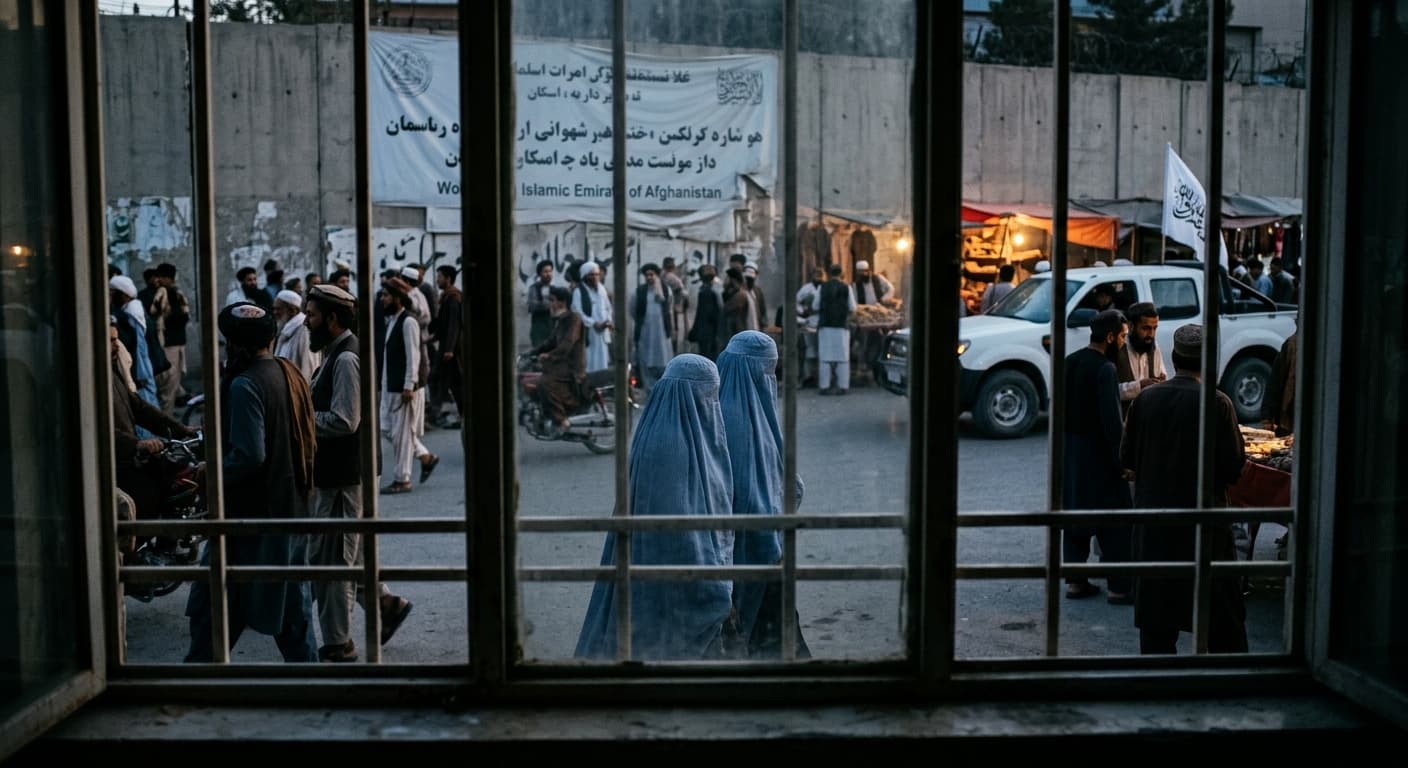
World Normalises Taliban as Afghan Women Eras
UN data shows Afghan women erased from public life as Russia recognises the Taliban, EU hosts officials in Brussels, and ICC warrants for gender persecution go unenforced.
Conflict & Security
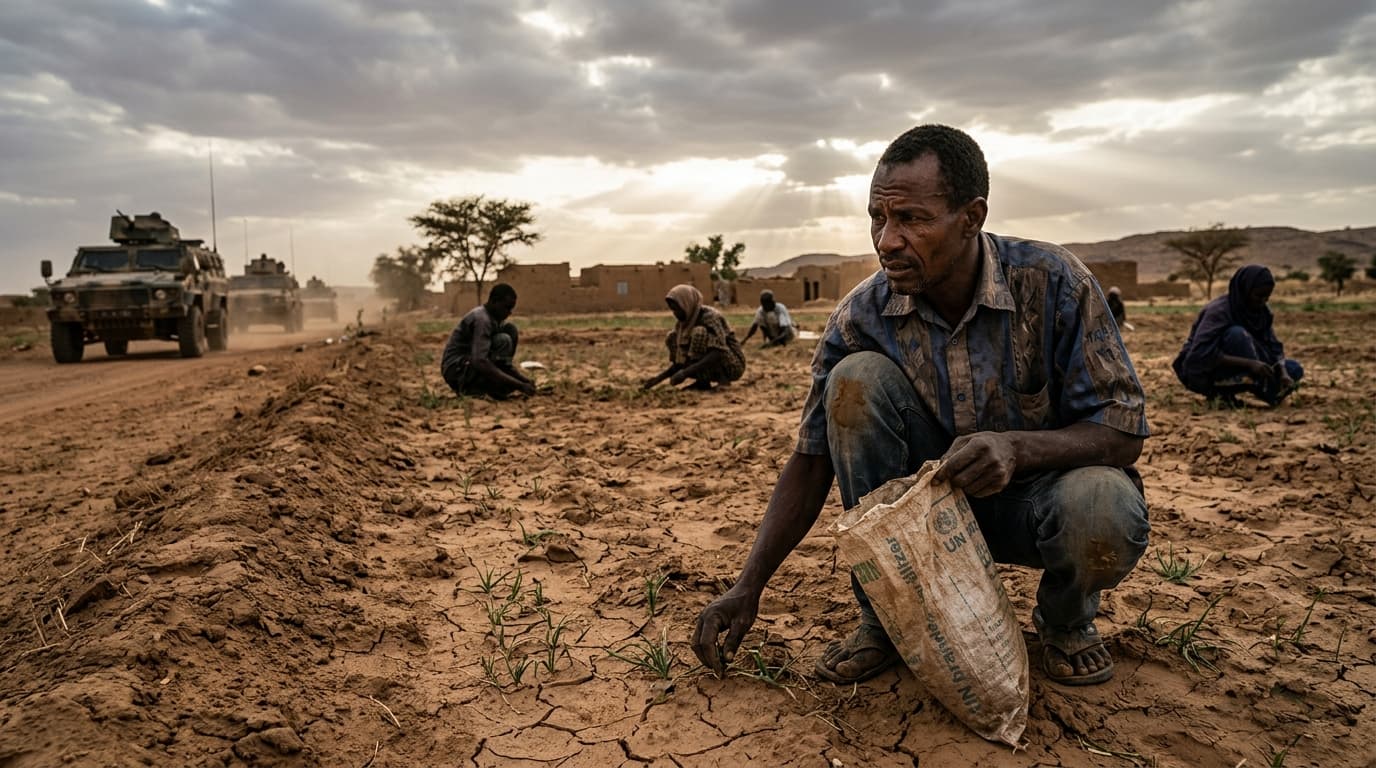
West Africa Food Crisis: Three Shocks in 2026
Conflict, climate extremes, and the Strait of Hormuz closure drive a severe food crisis in West and Central Africa, with fertilizer prices surging 80% and millions displaced.