US Strikes Iran Again, Raising Costs
Limited US strikes aim to protect key shipping lanes.
Model Diplomat3 min readMiddle East
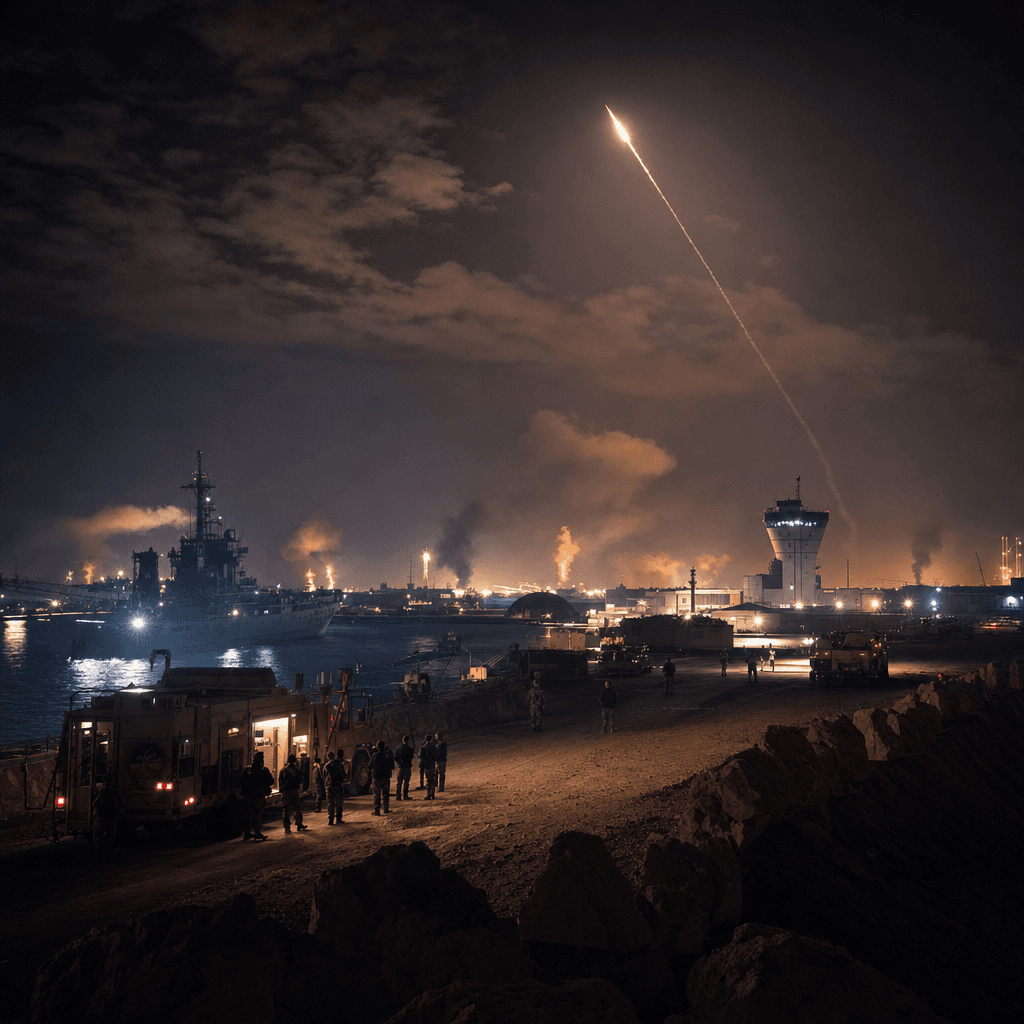
US Strikes Iran Again, Raising the Cost of Ceasefire
Washington is using limited strikes to protect the Strait of Hormuz and keep talks alive, while Tehran is testing how much pressure it can absorb.
The US has hit Iranian targets again, with Central Command saying it conducted defensive strikes on a military site in Bandar Abbas and shot down four Iranian one-way attack drones near the Strait of Hormuz, in what it called a “measured” response to threats against its forces (BBC). Iran condemned the attack as a violation of the ceasefire and vowed it would not leave “any act of hostility unanswered” (
BBC). The immediate power dynamic is clear: Washington is using limited force to police the corridor that matters most, while Tehran is trying to show it can still impose costs without blowing up diplomacy.
Leverage sits in the waterway
Bandar Abbas is not just any coastal target. It sits beside the Strait of Hormuz, where disruption quickly becomes a global problem because the chokepoint carries a large share of the world’s oil flows. BBC reported that the site was struck as it was about to launch a fifth drone, while Centcom said earlier strikes had targeted missile sites and boats trying to lay mines in the strait (BBC;
BBC). That means the US is not merely retaliating; it is trying to prevent Iran from converting maritime harassment into strategic leverage.
That leverage cuts both ways. If Iran can credibly threaten the strait, it can rattle energy markets and force diplomatic attention. If the US can keep shipping lanes open and keep hitting launch platforms, Tehran’s main pressure point weakens. This is why the ceasefire is so fragile: it is less a peace agreement than a managed contest over who controls escalation around the Gulf.
Washington wants talks, but from a stronger position
The latest strikes do not look like a decision to widen the war. They look like coercive diplomacy backed by force. Defense News reported that Central Command framed the action as self-defense and said it was still “using restraint during the ongoing ceasefire,” while also noting that the administration is trying to engineer a deal that would extend the truce and address Iran’s nuclear program (Defense News). That matters because it tells Tehran the US wants negotiations, but not at the price of accepting Iranian control over maritime traffic.
The reporting from BBC and Defense News points to the same underlying bargain: Iran wants relief on sanctions, frozen funds, and room to preserve parts of its nuclear program; the US wants the Strait open and Iranian military pressure reduced (BBC;
Defense News). That is why the strikes are significant even if they are limited. They are not an end state. They are leverage management.
For broader context on the regional balance, see Global Politics and
United States.
What to watch next
The next decision point is the diplomacy over the next few days: whether talks in Doha produce a written extension of the ceasefire and a framework on Hormuz and uranium, as US officials have suggested, or whether Iran answers with another strike on US assets or shipping (BBC;
Defense News). If the strait stays partially open and both sides keep talking, this becomes a contained coercive phase. If Iran hits back harder, the ceasefire stops being a diplomatic cover and becomes a memory.
Discover more
Global
Iran Strikes Bahrain and Kuwait Amid US Ties
Iran's IRGC claims missile strikes on 85 US sites in Bahrain and Kuwait after the US revokes its oil sales license, escalating regional tensions.
International Relations
US-Iran Talks: Disputed Agreements Unveiled
US-Iran talks expose deep disagreements over nuclear inspections and sanctions relief, leaving any agreement uncertain as both sides hold firm on core demands.
Global Politics
Iran's De-confliction Cells Face Lebanon Test
The US-Iran ceasefire's de-confliction cells face an early test as Israel presses strikes in Lebanon, straining the fragile deal and wider US-Iran relations.
International Relations
Nabatieh Ceasefire Unravels Amid Attacks
Israeli airstrikes resumed in southern Lebanon, killing 16 near Nabatieh as a fragile ceasefire with Hezbollah collapses and regional tensions escalate.