US Iran Resolution Faces China-Russia Veto
China and Russia's vetoes challenge US-backed Iran resolution.
Model Diplomat3 min readGlobal
US Iran Resolution Runs Into a China-Russia Veto Wall
Washington softened its UN draft on Hormuz, but Moscow and Beijing still control the vote—and the wider bargaining over Iran.
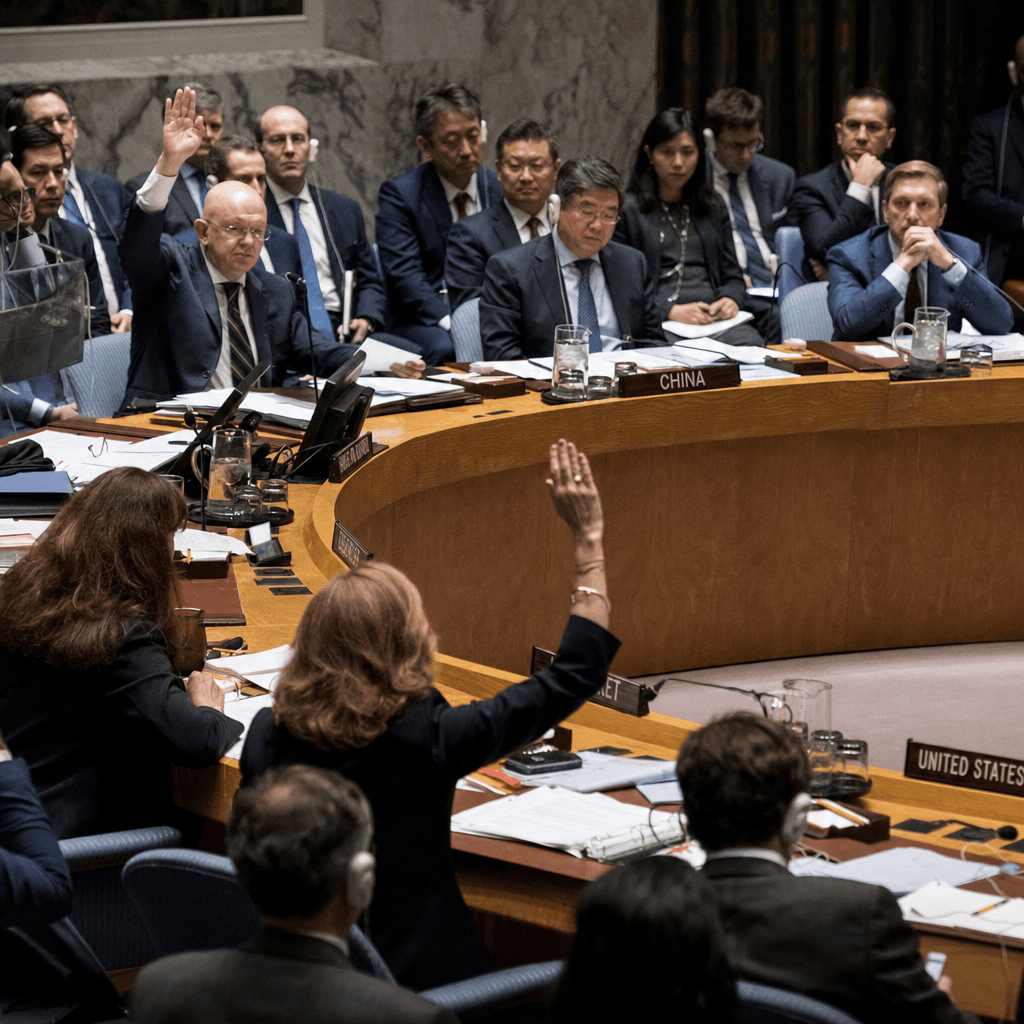
China and Russia hold the real leverage in New York: their vetoes can kill the U.S.-backed Iran resolution, and Reuters reports they are still expected to use them even after Washington revised the text and lined up Gulf support (Reuters). The draft would demand that Iran stop attacks and mining in the Strait of Hormuz, while U.S. envoy Mike Waltz warned that countries trying to block it would be setting a “very, very dangerous precedent” (
Reuters).
Why Washington is pushing this now
The U.S. is trying to turn a military and maritime dispute into a Security Council test case. According to Reuters, the new draft was written by the U.S. and Bahrain with backing from Saudi Arabia, the UAE, Kuwait and Qatar, and Secretary of State Marco Rubio has framed the vote as a test of the UN’s usefulness (Reuters). The point is not just to censure Tehran. It is to create a multilateral label for pressure on Iran’s conduct in Hormuz without explicitly asking the Council to authorize force.
That is why the wording matters. AP reporting carried by The Washington Post says the draft threatens Iran with sanctions or other measures if it does not halt attacks, stop “illegal tolls,” and disclose the placement of mines, but earlier references to binding enforcement were stripped out after pushback (The Washington Post). For Washington, this is about building legal and diplomatic cover. For the Gulf states backing it, it is about reopening Hormuz and keeping the issue inside a UN frame.
Why China and Russia still say no
The veto power belongs to Moscow and Beijing, and they are using it to stop a precedent they see as biased. Reuters says Russian diplomats want the draft withdrawn or rewritten, while China objects to its Chapter VII language, which can open the door to sanctions or military action (Reuters). That is the core of the fight: the U.S. sees a narrow maritime-security resolution; China and Russia see a Western text that could be used to legitimate coercion.
This is also about signaling. A Chinese veto would be awkward ahead of Donald Trump’s expected trip to China next week, when the Iran war is likely to be on the agenda, Reuters notes (Reuters). But Beijing has its own reasons to resist a U.S.-led push even if it wants the strait reopened. BBC reporting says China is urging a reopening “as soon as possible” and stressing that normal navigation through Hormuz is in China’s interest, even as it presses for a ceasefire (
BBC). That makes the Chinese line less pro-Iran than anti-U.S. process.
What to watch next
The next decision point is whether Washington forces a vote on the revised draft or accepts another round of bargaining. Al Jazeera reported that the U.S. hoped to circulate a final draft by Friday and vote early next week, while Russia and China were working on a competing text of their own (Al Jazeera). If Moscow and Beijing veto again, the message is simple: the UN will not be the vehicle for U.S. coercive diplomacy on Iran. If they blink, Washington gets a rare legal platform to pressure Tehran. For readers tracking
Global Politics, that is the real contest—not the draft language, but who gets to define the rules.
Discover more
Global
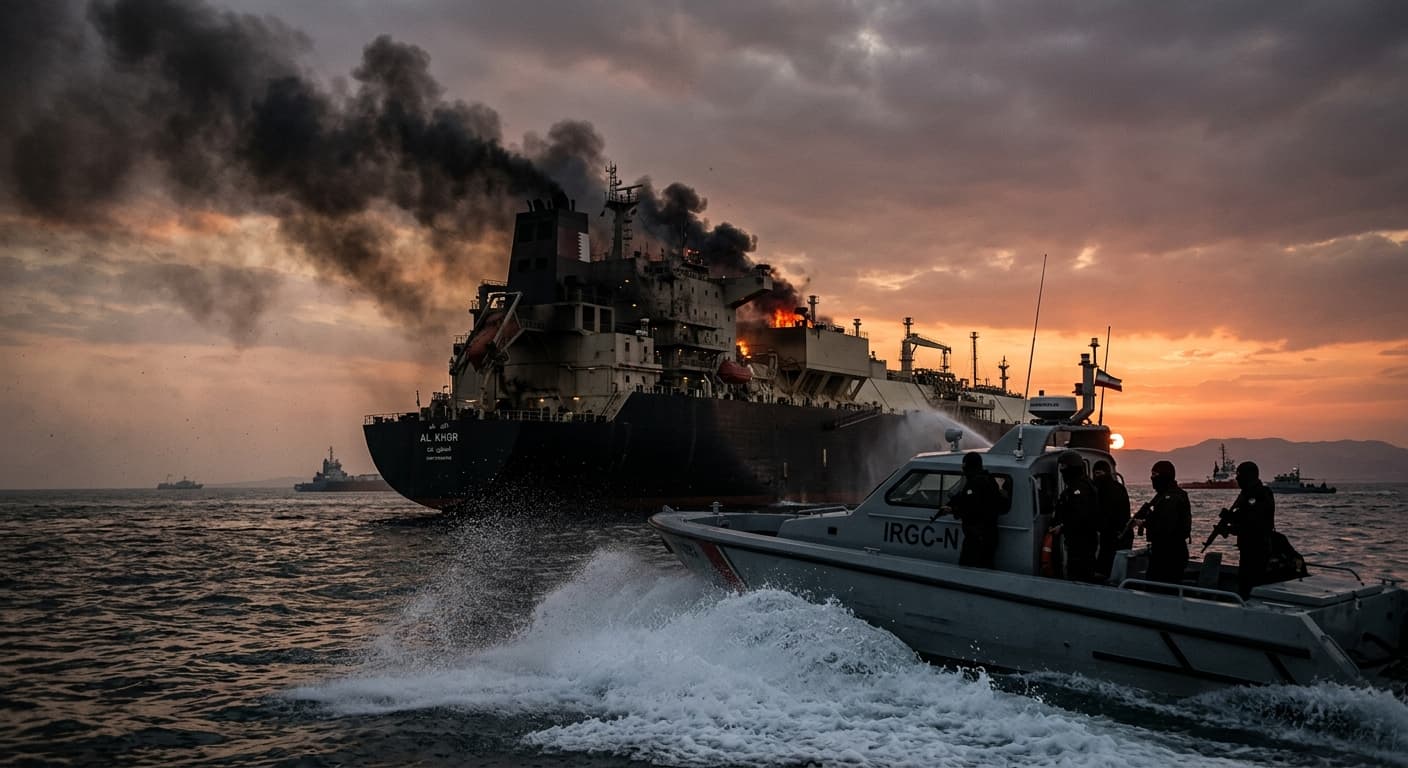
Qatari Tanker Strike Exposes Hormuz Tensions
A Qatari tanker was struck off Oman, revealing the fragility of the Hormuz ceasefire and Iran's influence over maritime security.
Global
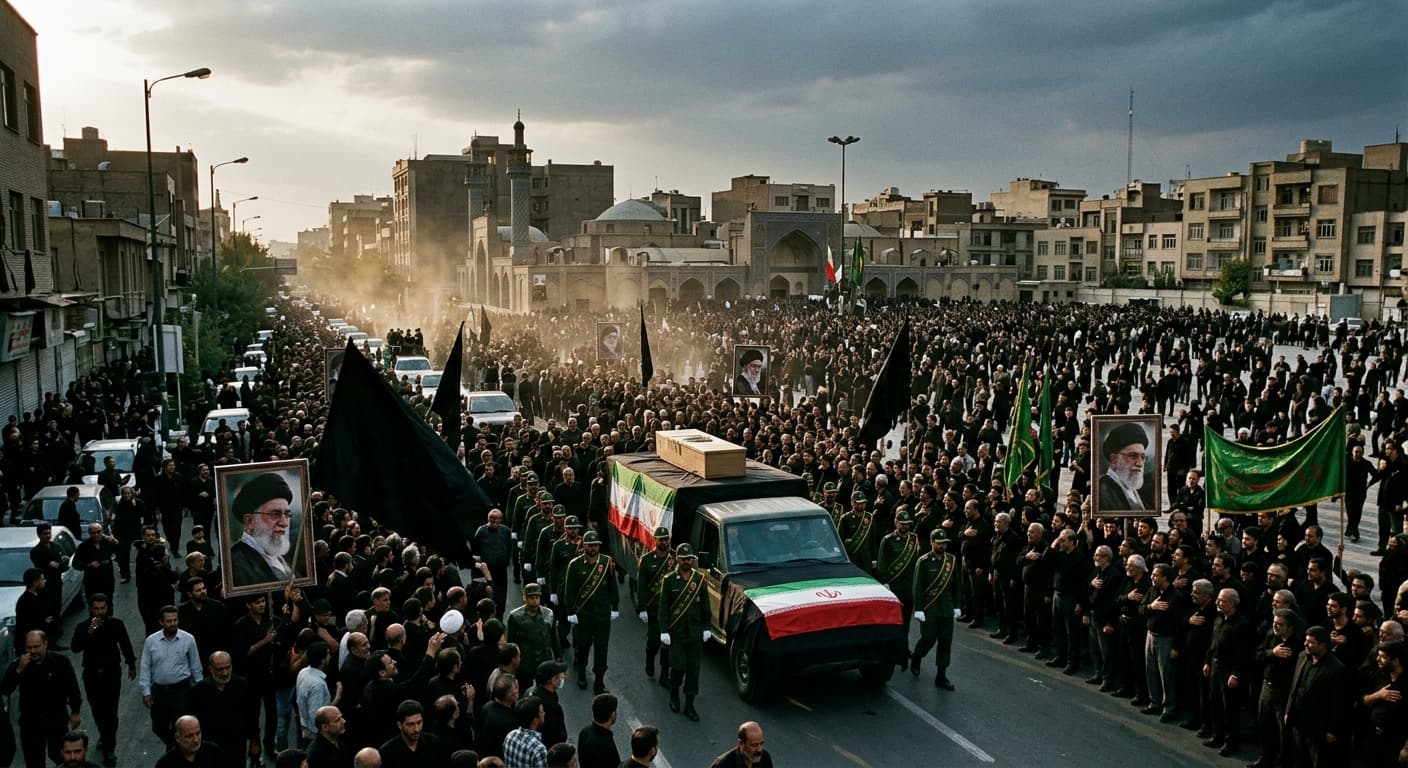
Khamenei's Funeral Signals Iran's Decline
The funeral of Ayatollah Khamenei highlights Iran's diminished influence in the Gulf, with regional powers now dictating terms.
Global
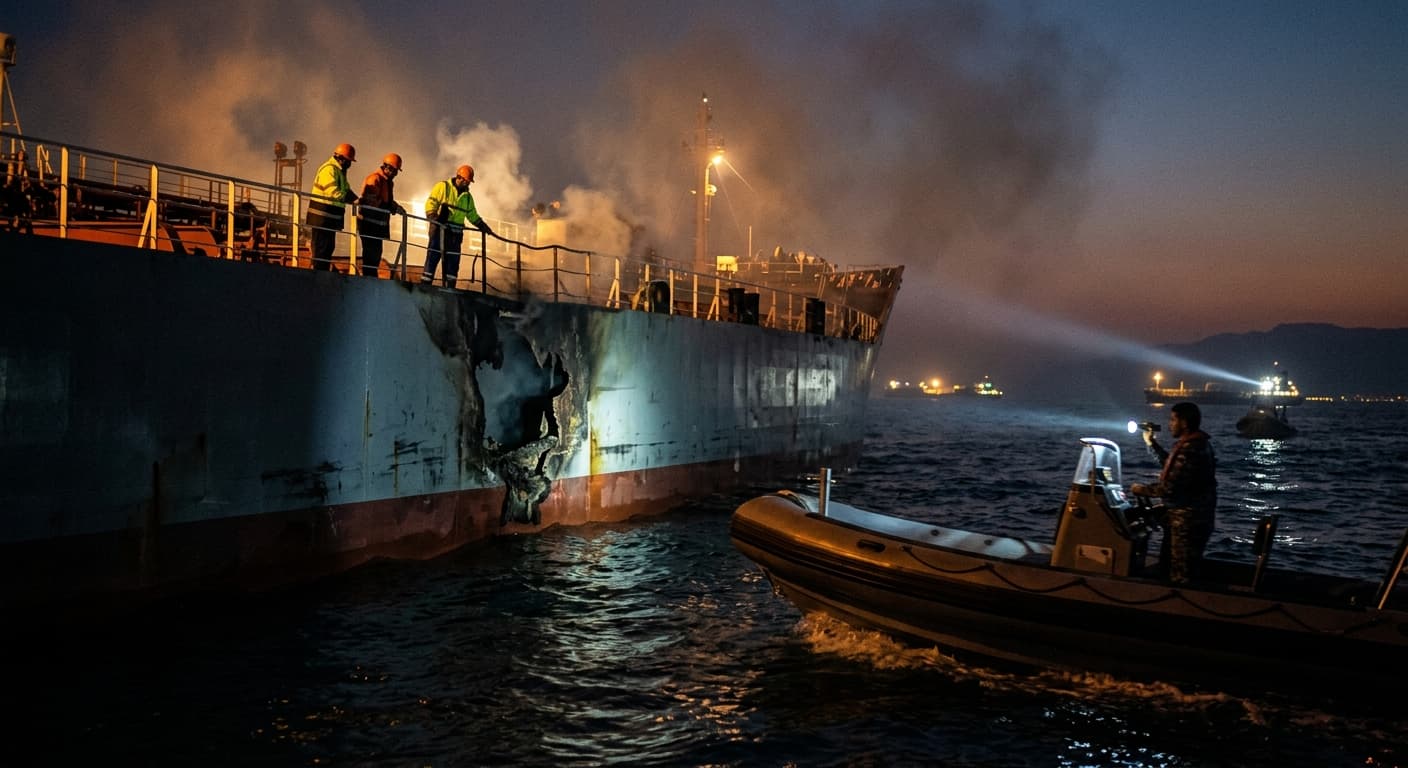
Iran's Hormuz Missile Strikes: A Toll Booth
Iran's missile attack on a Qatari-linked tanker highlights Tehran's strategy to control the Strait of Hormuz, impacting Gulf states and maritime law.
Tech Policy
Iran's Cavern Manticore Targets Israel's IT
Cavern Manticore, an Iran-linked hacking group, targets Israeli IT vendors, prompting a shift in Israel's cybersecurity policy and legislative efforts.