US-Iran Ceasefire Tensions in Hormuz
Ceasefire tested as US and Iran negotiate terms.
Model Diplomat3 min readMiddle East
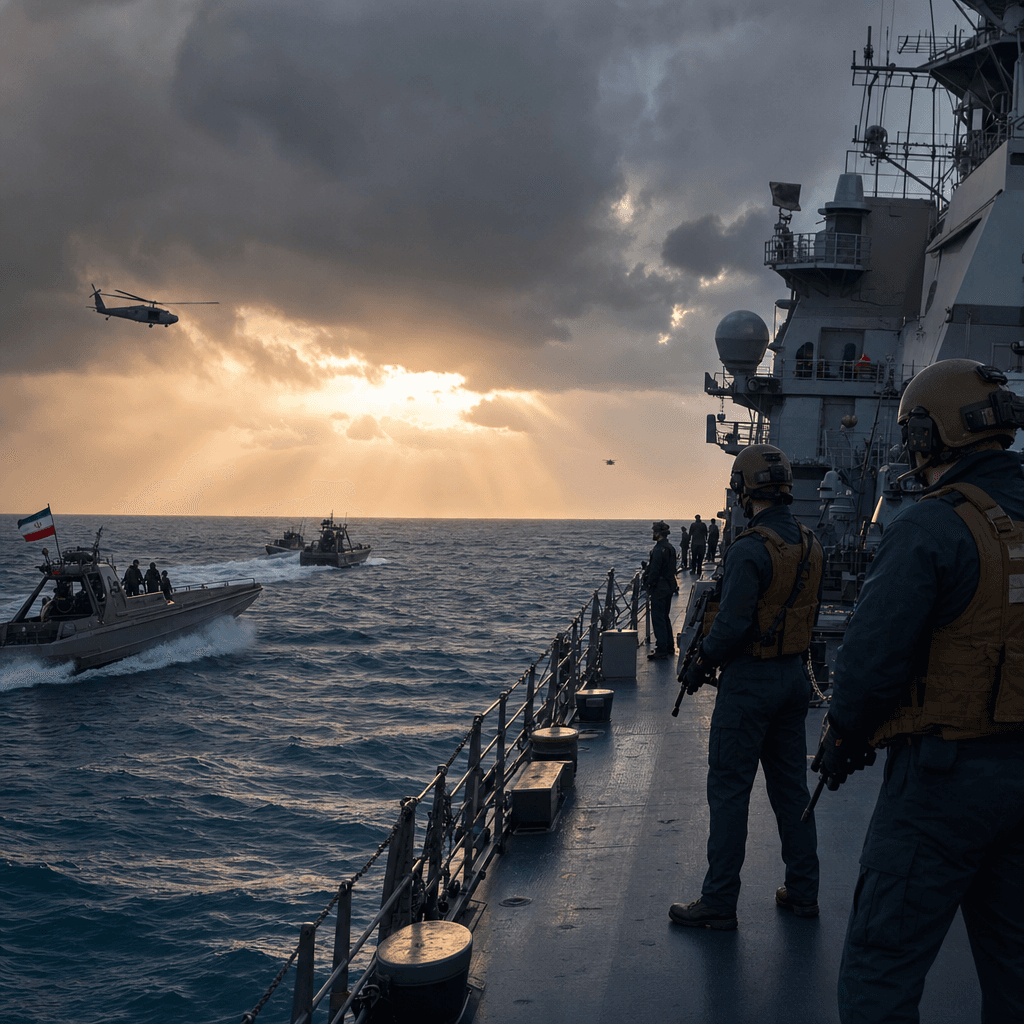
US and Iran Keep Testing a Fragile Ceasefire in Hormuz
Fresh strikes around the Strait of Hormuz show Washington and Tehran using the ceasefire to bargain over shipping, sanctions relief, and a wider deal in Doha.
US and Iranian forces are treating the ceasefire less like an end-state than a pressure valve. Al Jazeera’s timeline says the truce announced on April 8 after 40 days of war has been followed by repeated maritime and air incidents, including fresh US strikes in southern Iran and Iranian accusations that Washington has broken the agreement (Al Jazeera). The latest flare-up came as Iranian negotiators were in Qatar for talks, while US Central Command said it hit missile launch sites and boats trying to lay mines (
CNA).
Leverage, not peace
The power dynamic is straightforward: Washington can hit, Tehran can obstruct. The US has the ability to strike Iranian military assets and enforce maritime pressure; Iran’s leverage comes from geography and its ability to disrupt traffic through the Strait of Hormuz, the waterway carrying about one-fifth of global oil and gas in normal times (BBC). That is why both sides keep returning to the same bargaining chip: keep the strait open, and you get relief; keep it shut, and the other side pays.
That logic explains why the latest attacks did not end the talks. US Secretary of State Marco Rubio said an agreement could still take “a few days,” even after the strikes, while Iran’s foreign ministry said progress had been made but a deal was not imminent (Al Jazeera,
BBC). In other words, both governments are signaling toughness to their domestic audiences while keeping the channel in Doha alive.
The Strait is the real battleground
This is why the geography matters more than the rhetoric. Al Jazeera’s timeline shows the ceasefire has already been strained by incidents in Kuwait, US naval action against Iranian shipping, Iranian seizures of foreign vessels, and a UAE complaint that Iranian missiles and drones struck its territory on May 4 (Al Jazeera). The broader pattern is not random escalation; it is competitive coercion around the Gulf’s chokepoint.
The immediate losers are not just the two militaries. Gulf shipping companies, energy traders, and import-dependent states are all exposed to any further disruption in Hormuz. The BBC notes that the latest draft deal under discussion would reopen the strait and push nuclear issues into a later phase, which tells you where the real concessions are being bargained (BBC). For
Global Politics, the lesson is simple: this is crisis diplomacy built around transit routes, not ideology.
What to watch next
The next decision point is Doha. If negotiators can lock in language on Hormuz, frozen Iranian funds, and the sequencing of sanctions relief, the ceasefire may survive its current round of testing. If not, the US will keep using limited strikes to preserve pressure, and Iran will keep using the strait to preserve leverage. Watch for a written memorandum, a new US maritime operation, or another incident near Bandar Abbas — any of which would tell you whether the truce is still a bridge to a settlement or just a pause before the next exchange.
For Washington, the stakes run through United States policy: Trump wants a deal he can sell as enforcement and de-escalation. For Tehran, the goal is narrower and harder — get relief without surrendering the shipping and nuclear leverage that made the ceasefire possible in the first place.
Discover more

Global Politics
US Seizes Iranian Ship, Tensions Surge
The US seizure of the Iranian ship Touska highlights a shift in control over the Strait of Hormuz, favoring Iran's strategic position.

Conflict & Security
Drone Warfare Killing Aid Workers at Unprec
Over 1,000 humanitarian workers killed in three years as cheap armed drones collapse legal protections. Gaza, Sudan, Ukraine, and DRC see deliberate targeting of aid convoys and hospitals with zero prosecutions.

Global
World Normalises Taliban as Afghan Women Eras
UN data shows Afghan women erased from public life as Russia recognises the Taliban, EU hosts officials in Brussels, and ICC warrants for gender persecution go unenforced.
Conflict & Security
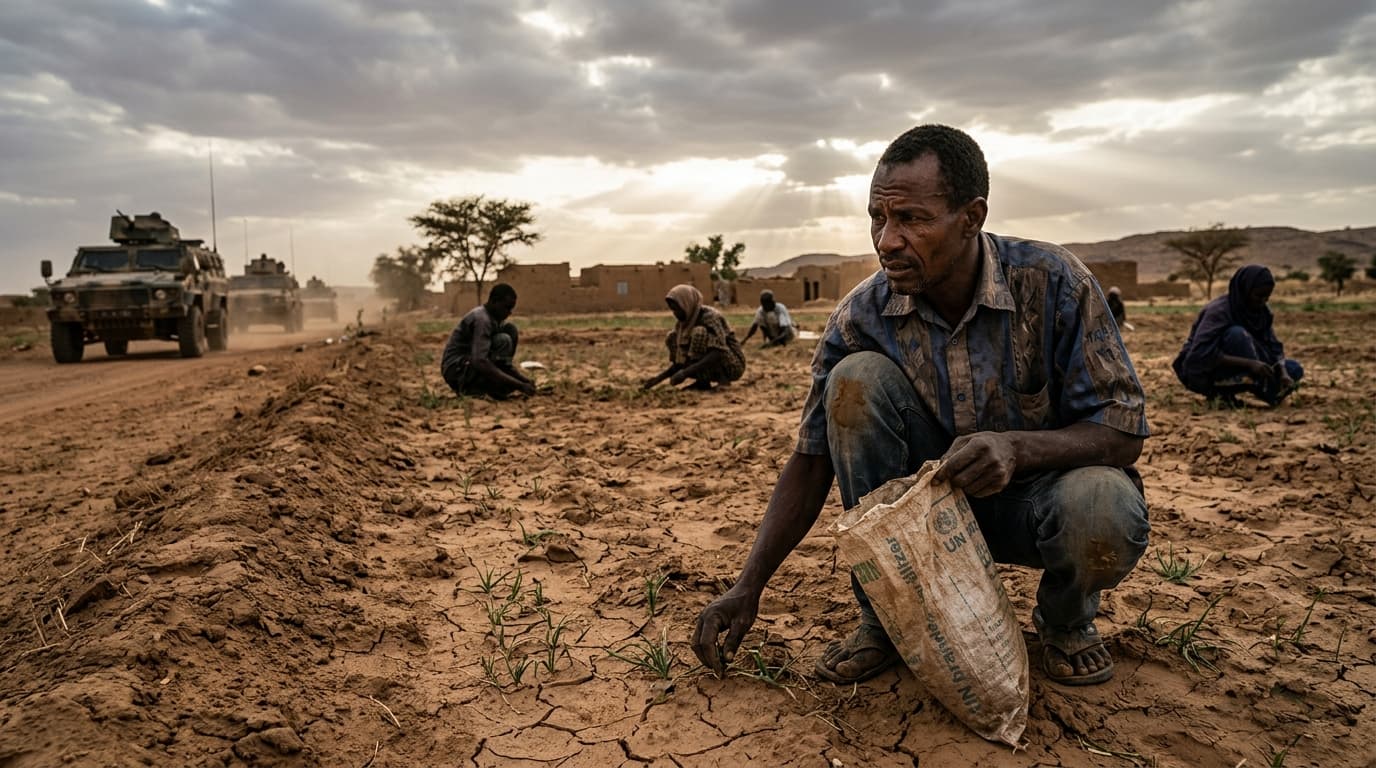
West Africa Food Crisis: Three Shocks in 2026
Conflict, climate extremes, and the Strait of Hormuz closure drive a severe food crisis in West and Central Africa, with fertilizer prices surging 80% and millions displaced.