US, Israel Seek Iran Talks Amid Conflict
Diplomacy resurfaces amid US-Israel-Iran war tensions.
Model Diplomat3 min readMiddle East

US, Israel Eye Iran Talks as War Enters Seventh Week
Diplomacy resurfaces amid ongoing conflict, sanctions, and regional instability in the US-Israel-Iran war.
The US and Israel remain locked in a high-stakes confrontation with Iran that has now stretched into its seventh week, encompassing military strikes, a naval blockade, and volatile regional flashpoints. Yet, behind the headlines of missile strikes and cross-border hostilities, the Biden administration and allies are actively pursuing resumed negotiations with Tehran, signaling a potential pivot from full-scale war toward diplomacy—at least for now.
De-escalation Talks Potentially Restarting in Pakistan
A significant development shaping conflict dynamics in April 2026 is the reported push for a second round of direct US-Iran talks, possibly taking place in Islamabad within days. This follows an inconclusive initial face-to-face meeting that underscored sharp divisions over Iran’s nuclear ambitions but opened a narrow channel for dialogue. US sources suggest the White House is keen to explore pathways that could de-escalate tensions without conceding on nonproliferation demands, while Iran uses the threat of retaliation to maintain leverage in ongoing negotiations.
Diplomats acting behind the scenes—including Pakistani intermediaries and the UN Secretary-General—have emphasized the urgency of preventing the conflict from escalating further, particularly in the precarious Strait of Hormuz, a critical artery for global oil supplies. The US naval blockade effectively chokes Iranian maritime commerce, sharpening economic pressure but also raising the stakes for unintended escalation.
The Broader Regional Impact and Risks
While diplomacy flickers, the conflict’s violence reverberates beyond Iran-U.S. lines. Israel continues operations against Iranian-backed groups in Lebanon, notably Hezbollah, exacerbating tensions on its northern border. Notably, recent indirect talks facilitated by the US between Israeli and Lebanese diplomats stressed shared interests in opposing Hezbollah’s military role but maintained the fragile status quo without a breakthrough.
The war’s broader fallout includes extensive damage to infrastructure and destabilization of regional markets, with the global energy sector jittery due to the Hormuz blockade’s impact on oil flows. For Israel and its Sunni allies, managing the balance between military pressure on Iran and avoiding full regional conflagration is becoming increasingly delicate.
What to Watch Next
Key indicators to track over the coming days include official announcements on the timing and venue of renewed US-Iran talks, any shifts in the naval blockade’s enforcement, and developments along the Lebanon-Israel front that could either spark wider hostilities or foster containment. Additionally, Iran’s exact stance on nuclear negotiations remains the most critical variable determining whether conflict zones begin shrinking or the war expands.
In sum, this moment reflects a classic wartime paradox: open warfare and cautious diplomacy coexisting amid a highly volatile Middle East landscape. The next moves by Washington, Tehran, and Jerusalem will likely define whether the conflict enters a stalemate punctuated by talks or escalates into broader regional warfare.
For a deeper dive into the roles of these actors in global conflicts and diplomacy, see Global Politics and country profiles for the
United States,
Israel, and
Iran.
Sources:
Discover more
Global
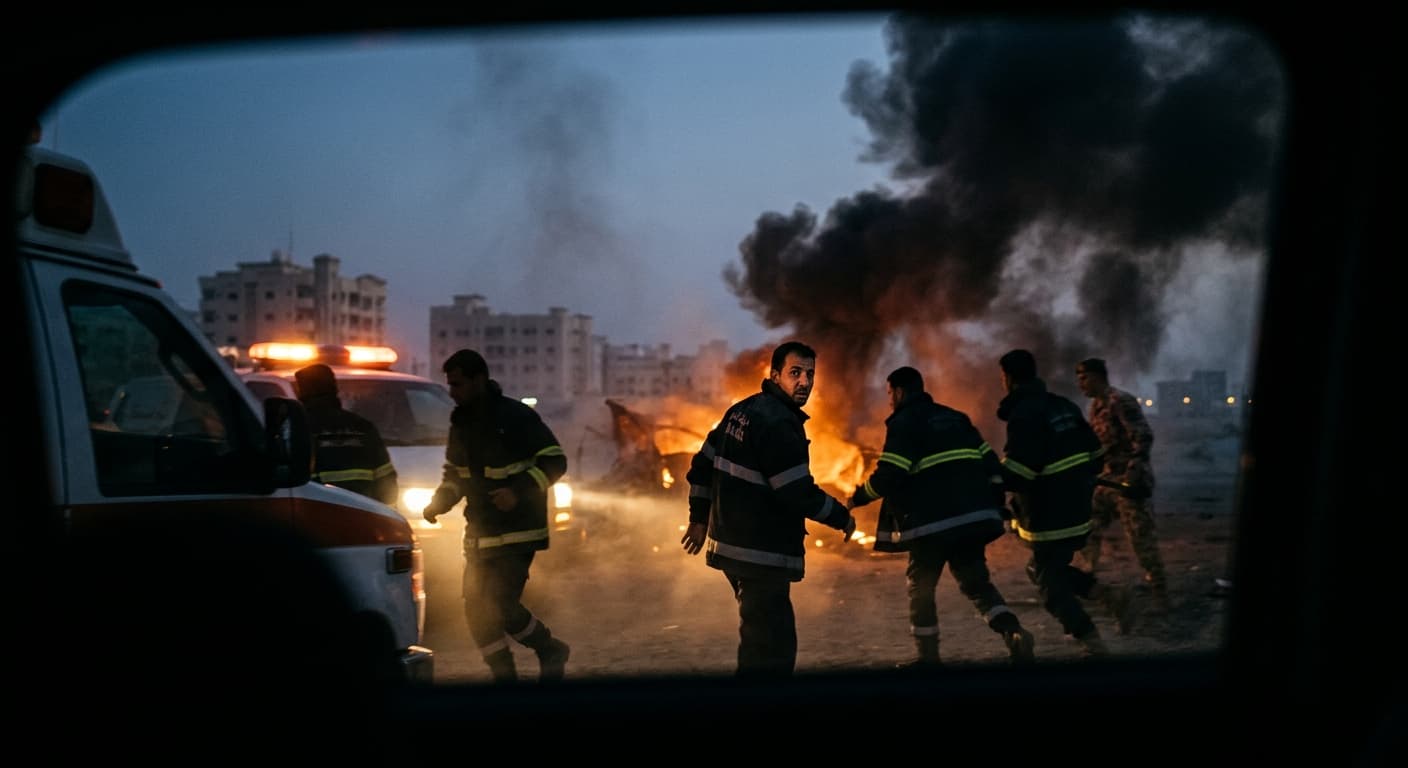
Iran Strikes Bahrain and Kuwait Amid US Ties
Iran's IRGC claims missile strikes on 85 US sites in Bahrain and Kuwait after the US revokes its oil sales license, escalating regional tensions.
International Relations
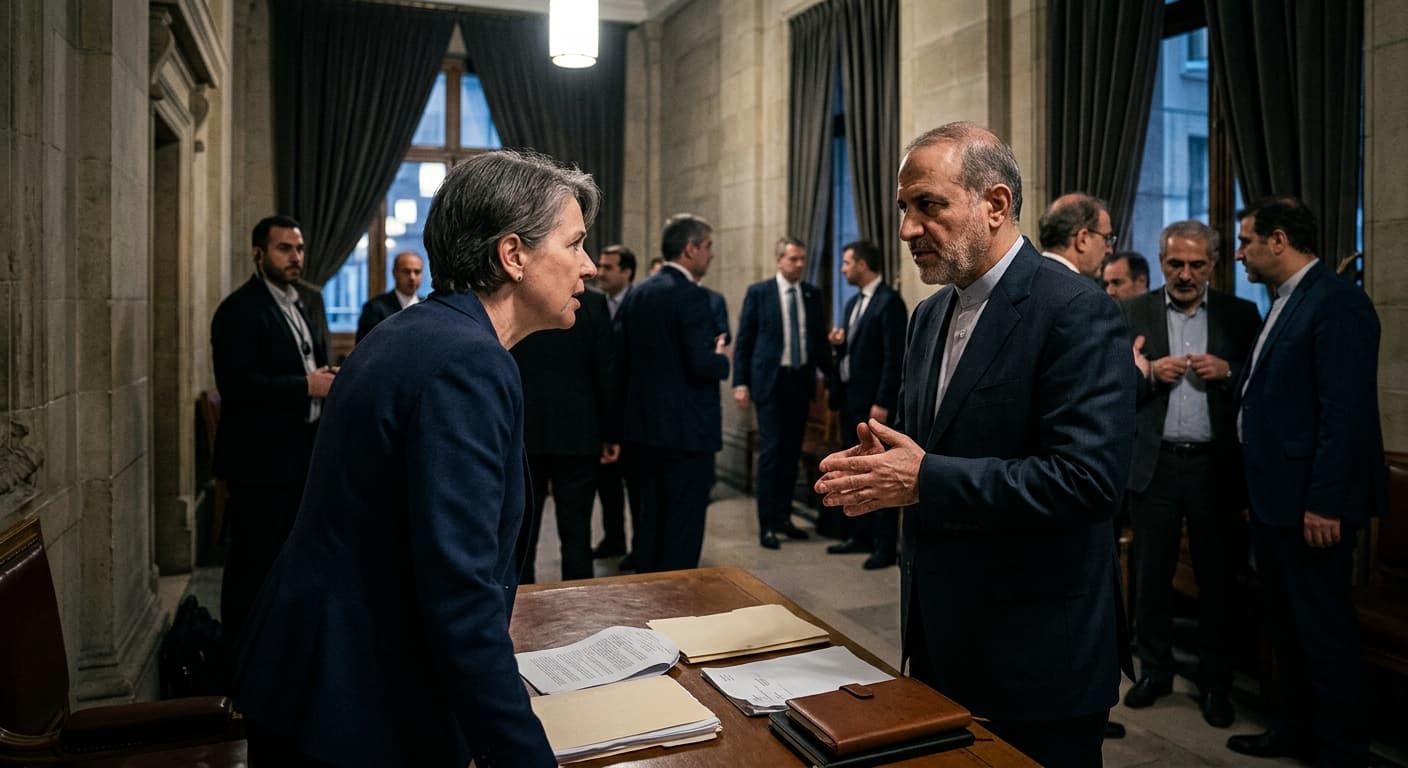
US-Iran Talks: Disputed Agreements Unveiled
US-Iran talks expose deep disagreements over nuclear inspections and sanctions relief, leaving any agreement uncertain as both sides hold firm on core demands.
Global Politics
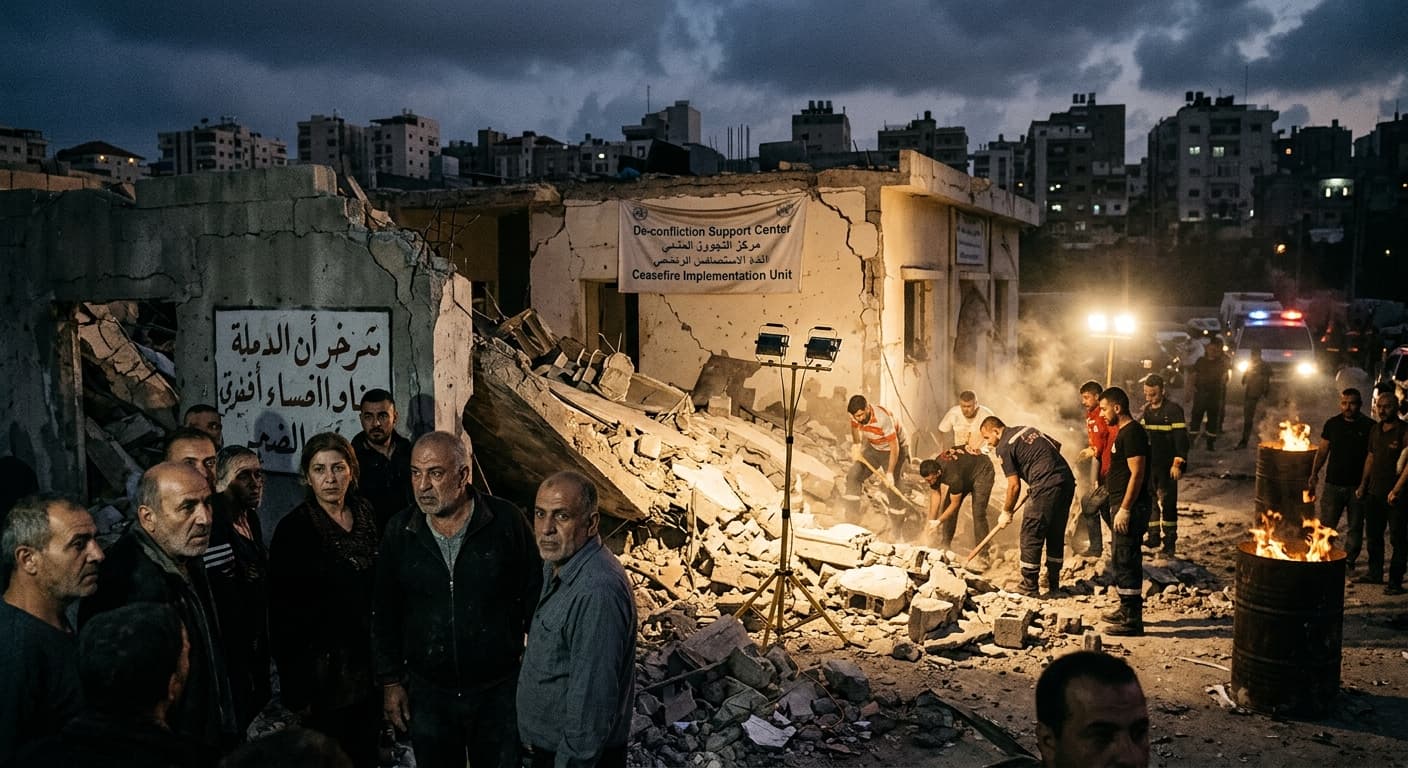
Iran's De-confliction Cells Face Lebanon Test
The US-Iran ceasefire's de-confliction cells face an early test as Israel presses strikes in Lebanon, straining the fragile deal and wider US-Iran relations.
International Relations
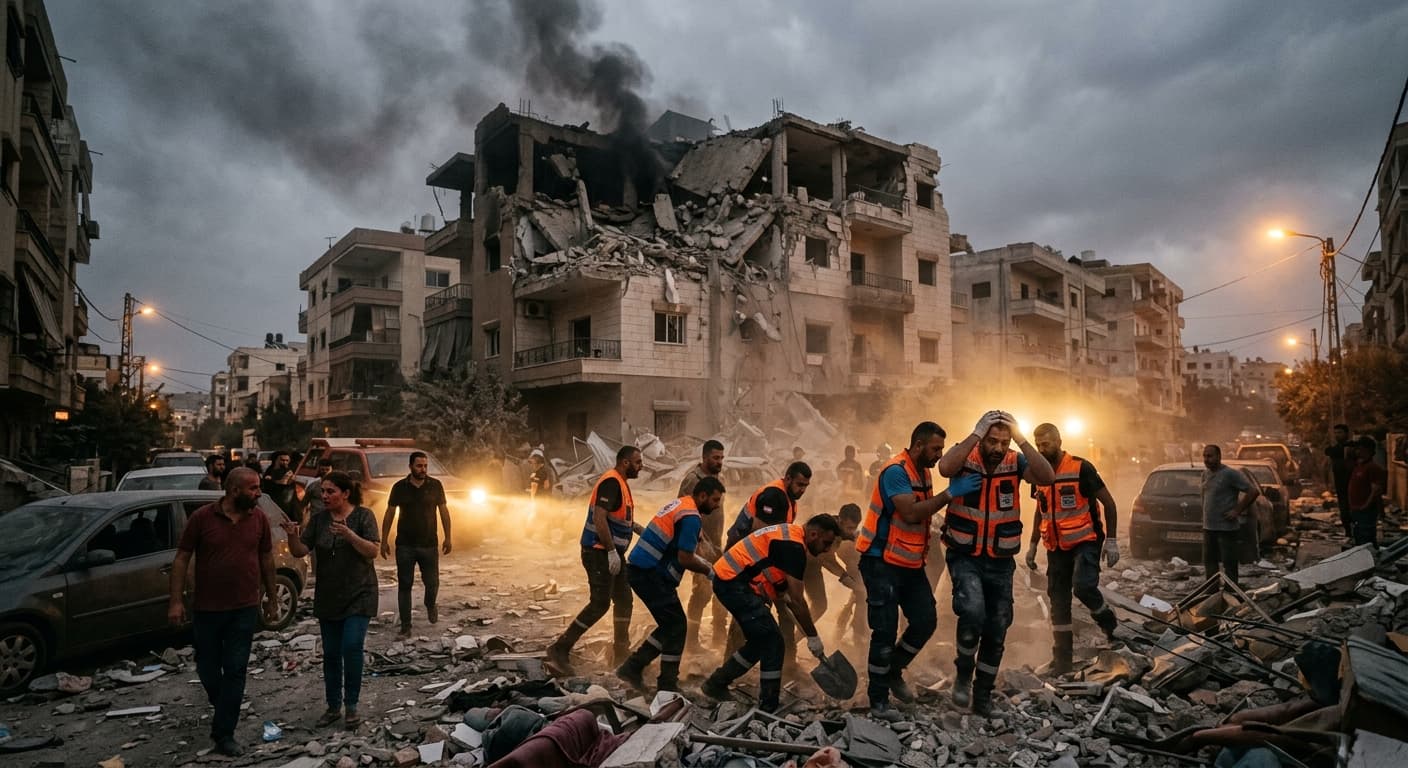
Nabatieh Ceasefire Unravels Amid Attacks
Israeli airstrikes resumed in southern Lebanon, killing 16 near Nabatieh as a fragile ceasefire with Hezbollah collapses and regional tensions escalate.