Ukraine's Drone Shield
Kyiv's strategy to counter Russia's drone attacks with innovation.
Model Diplomat3 min readEurope
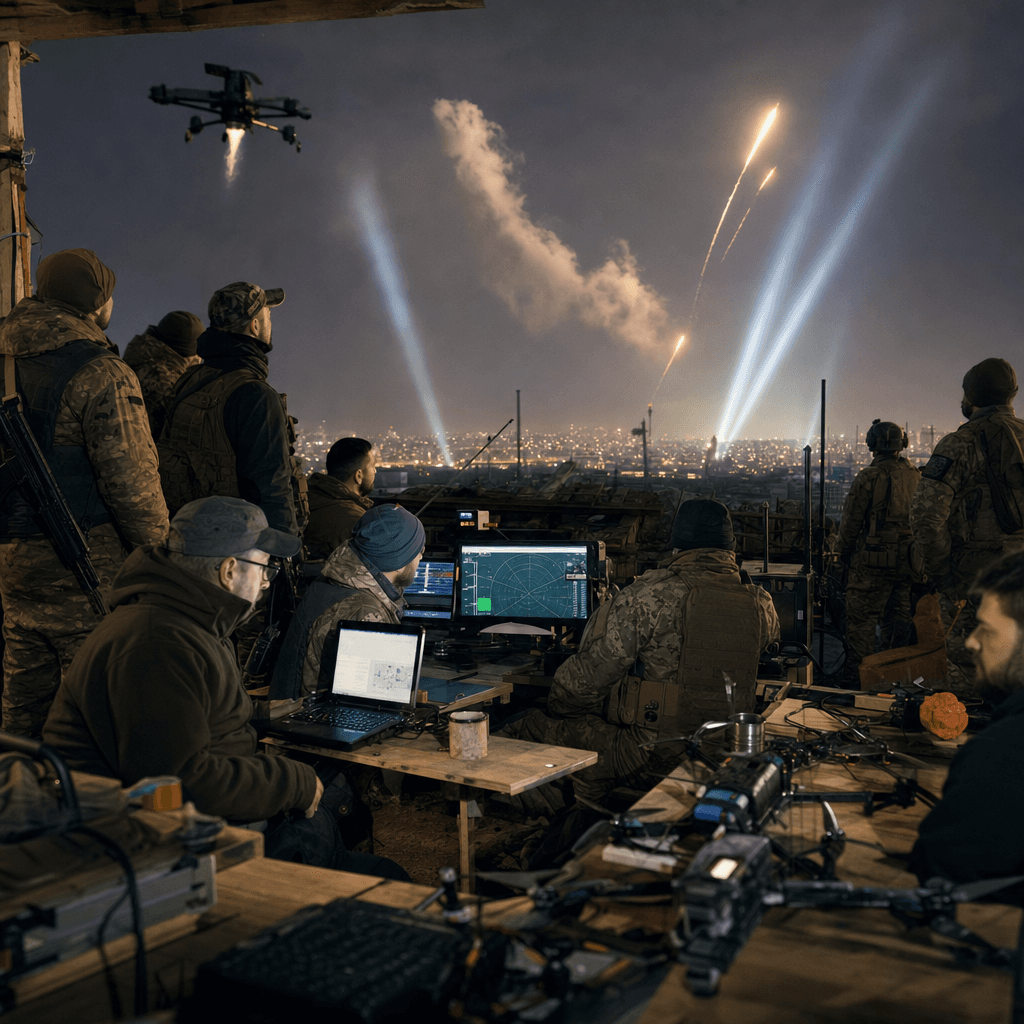
Ukraine’s drone shield is an arms race
Kyiv is betting on cheap interceptors, AI and private firms to blunt Russia’s mass drone raids — and to do it at a price it can sustain.
Russia still holds the initiative in the air. Over 48 hours this week, Moscow launched 1,500 drones and 56 missiles at Ukraine, and President Volodymyr Zelensky said Ukrainian forces intercepted 94% of the drones and 73% of the missiles, according to the BBC. The point of the attack is not just damage; it is saturation. Russia wants to force Ukraine to spend scarce high-end interceptors, expose air-defense sites, and accept that some drones will get through.
The real contest is cost
Ukraine’s answer is to make air defense cheaper, denser and more disposable. The BBC reports that Kyiv is now producing more than 1,000 interceptor drones a day, including the 3D-printed P1-SUN system that can fly more than 300km/h, reach over 30km, and costs about $1,000 — versus roughly $50,000 for the Shahed-style attack drone it is designed to destroy. That is the core of the new logic: Ukraine is trying to win by compressing the cost curve.
This is not replacing Patriots or other Western systems; it is trying to preserve them for the targets only they can handle. As Al Jazeera notes, Patriot missiles are still the only effective option against ballistic missiles, but they cost about $4 million each, while Ukrainian interceptor drones are priced at about $1,000 to $3,000. That asymmetry is why Kyiv has spent years building a layered defense: high-end missiles for the hardest threats, cheap drones, machine guns and even shotguns for everything else.
Ukraine’s defense industry is becoming part of the shield
The other shift is institutional. Ukraine is no longer treating drone defense as a purely state monopoly. The BBC says 25 companies have already signed onto a scheme to protect factories and infrastructure, and firms such as Carmine Sky are already running towers fitted with remotely controlled machine guns in the Kharkiv region. That matters because private firms can scale faster than the state, especially when the target set is civilian industry, power assets and logistics nodes.
There is a second-order effect here for Conflict: Ukraine is turning battlefield necessity into an exportable defense sector.
NPR reported in May that Ukrainian firms are producing tens of thousands of interceptor drones and that the country’s defense-tech sector has expanded from seven UAV companies in 2022 to more than 500 today, with at least 2,500 companies now working in defense tech. Kyiv’s war economy is increasingly organized around one premise: what works against Russian drones at home can be sold abroad later.
What to watch next
The next test is whether Ukraine can keep scaling faster than Russia adapts. Moscow is already fielding faster jet-powered drones and decoys to map Ukrainian air defenses, the BBC reports. At the same time, Ukraine still needs more Patriot ammunition, and the shortage is made worse by US demand tied to the Iran crisis, according to the BBC and Al Jazeera.
Watch three things next: whether Kyiv can sustain production above 1,000 interceptors a day; whether private operators can defend energy and industrial sites at scale; and whether Western Patriot deliveries keep pace with Russian ballistic-missile use. If the answer to any of those is no, Russia’s mass-strike strategy keeps its leverage.
Discover more
Global
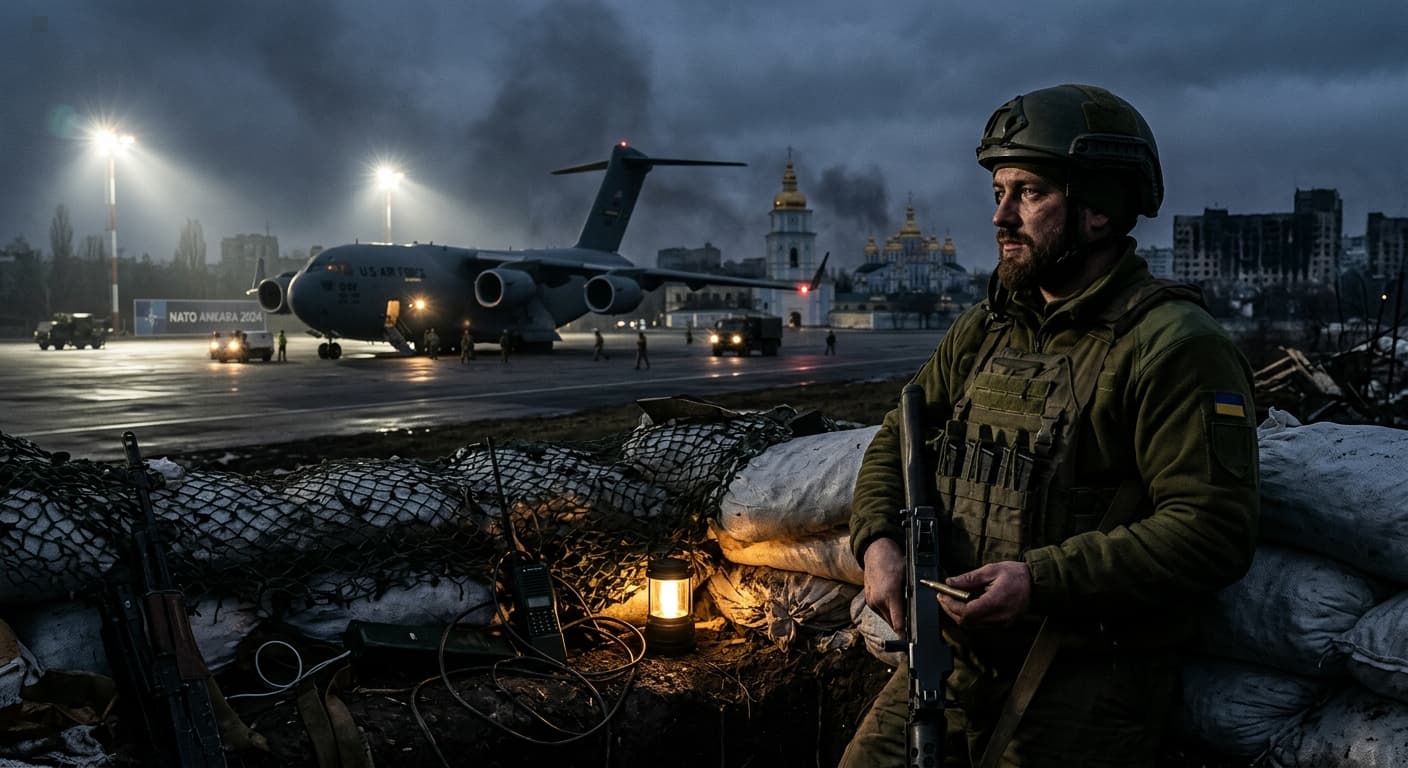
Kyiv's Empty Quiver: Ankara Summit on NATO
As Russia strikes Kyiv, NATO's Ankara summit must address Ukraine's urgent air defense needs amid dwindling interceptor supplies.
International Relations
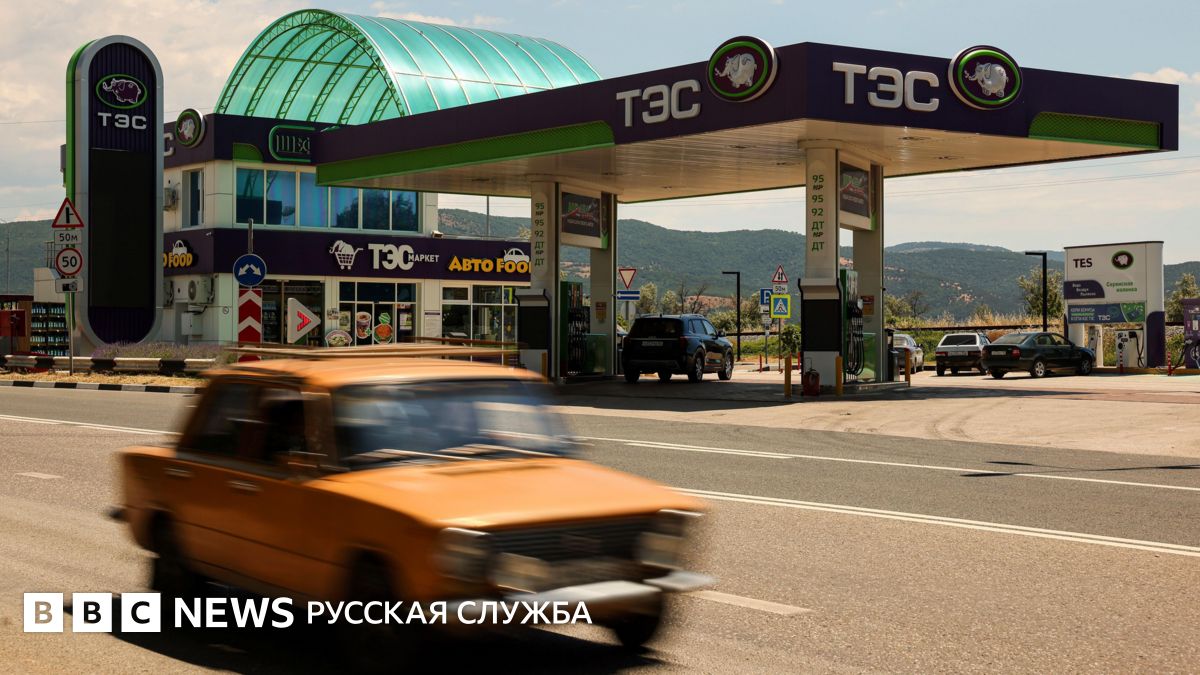
Ukraine Drone Strikes Crimea Power Grid
Ukrainian drone strikes targeting Crimea's power grid signal a strategic shift, aiming to disrupt Russian logistics by hitting critical energy infrastructure.
Conflict & Security
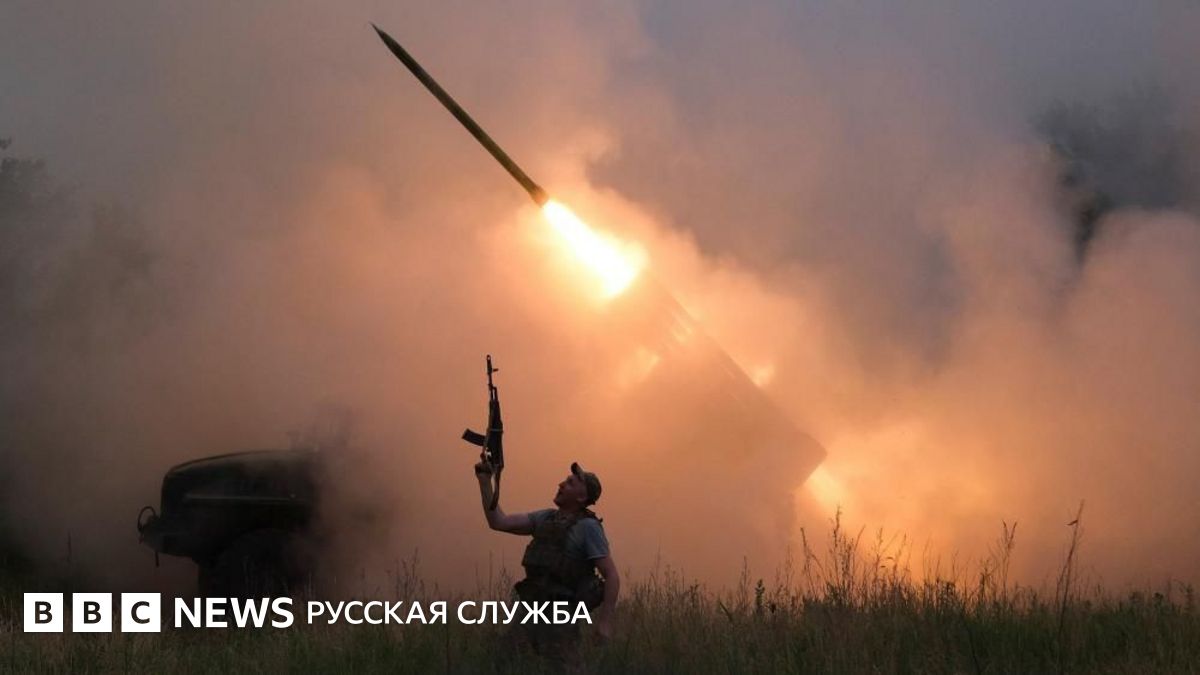
Russia Encircles Konstantinovka—Key to Donbas
Russia's encirclement of Konstantinovka could unlock the wider Donbas for further advances, marking a pivotal moment in its grinding eastern offensive.
Conflict & Security
Ukraine's Energy Offensive Hits Crimea
Ukraine's drone campaign is disrupting Russian fuel supplies and forcing rationing in Crimea, turning energy infrastructure into a key front of the war.