Syria Restores Visa and Mastercard
Syria reopens payment systems amid ongoing US sanctions.
Model Diplomat2 min readMiddle East
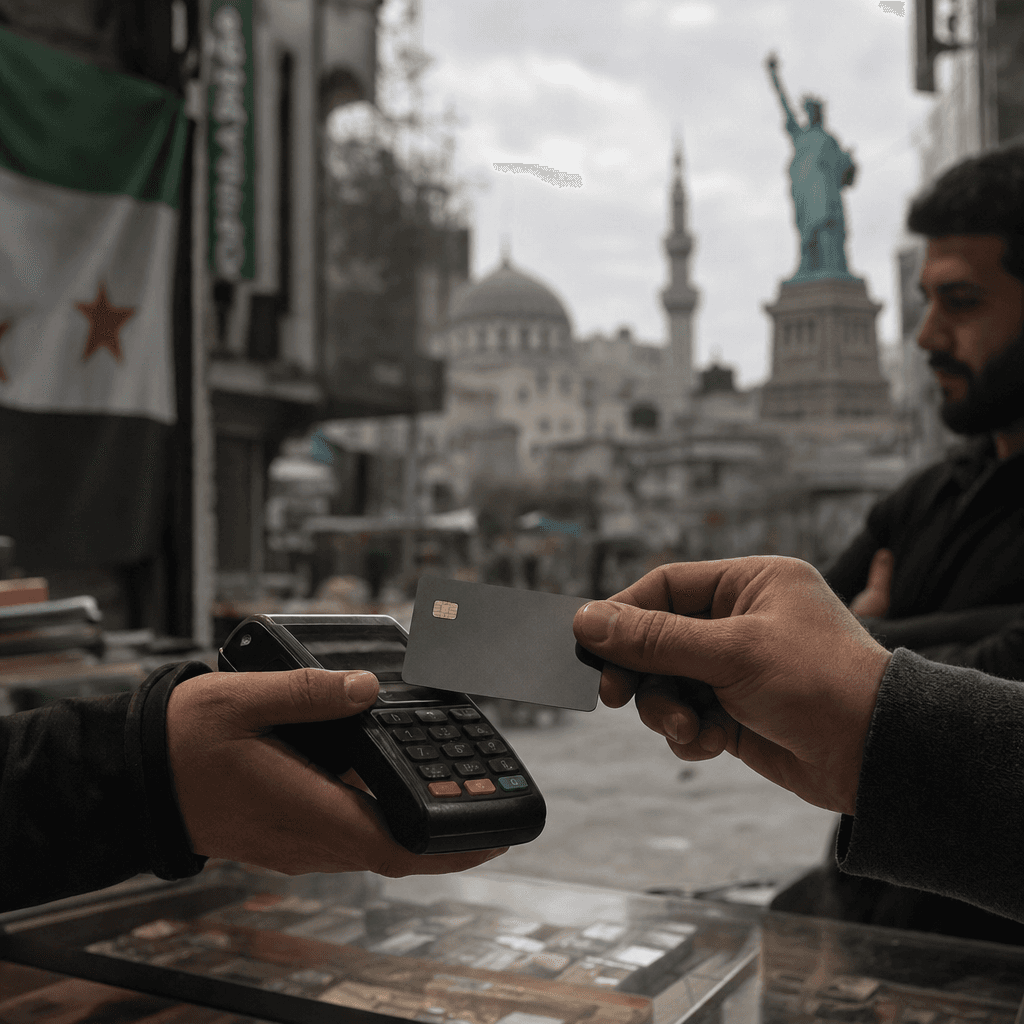
Syria Restores Visa and Mastercard — But US Still Holds the Key
Damascus is reopening payment rails to lure trade and remittances back, but Washington still controls the hard gate on full reintegration.
Syria has authorized banks to work with Visa and Mastercard, a move presented as part of its effort to rejoin the global economy, according to Al Jazeera. The timing matters: the EU has just moved to restore fuller trade ties with Damascus, but Syria still needs to get off the US “state sponsors of terrorism” list before financial normalization can really take hold,
Al Jazeera reported.
The leverage is not the card brands — it is the sanctions map
This is a political signal dressed as a payments upgrade. Letting local banks interface with Visa and Mastercard lowers friction for imports, travel, and diaspora transfers, but it does not by itself unlock Syria’s banking system. The real chokepoint remains correspondent banking and US sanctions risk, which is why the state sponsors designation still matters more than the branding on the card, as The New Arab noted. In practice, Washington still holds the most consequential leverage over whether foreign banks are willing to touch Syrian transactions.
That is why this move benefits Syrian officials first. It lets them claim they are modernizing the economy and normalizing services after years of isolation. It also helps banks and payment firms that want to be first movers if sanctions continue to ease. The New Arab reported that Qatar National Bank quickly launched card payment acceptance services in Syria after the announcement, a sign that regional institutions are already positioning for a post-isolation market.
Europe is opening the door; the United States still decides how wide it swings
The EU’s decision to restore fuller trade ties gives Damascus another channel back into formal commerce, especially for industrial goods and reconstruction-related imports, Al Jazeera reported. That helps Syria at the margin: it makes trade easier, encourages commercial confidence, and gives European firms a political basis to re-engage.
But Europe is not the decisive actor. The largest prize for Syria is not just more trade with the EU; it is access to global finance, dollar clearing, and the confidence of international banks. Until that changes, card acceptance will matter more as a symbol than as a full economic reset. In that sense, the move serves two audiences at once: Syrians who want everyday transactions to work again, and foreign investors who need proof that the country is being de-risked.
What to watch next
The next decision point is whether US officials soften Syria’s terrorism-list designation or give banks enough comfort to expand services without fear of penalties. Watch for further commercial announcements from regional lenders, any test of cross-border card use by Syrians abroad, and whether the EU’s trade thaw produces matching moves from Gulf banks and Western payment firms. If those do not follow, Syria will have restored the front end of payments without fixing the plumbing.
Discover more

International Relations
Pakistan's Key Role in US-Israel-Iran Meddle
Pakistan is seeking to mediate the US-Israel-Iran conflict, balancing high-stakes diplomacy against severe economic pressures and steep regional challenges.

Conflict & Security
Drone Warfare Killing Aid Workers at Unprec
Over 1,000 humanitarian workers killed in three years as cheap armed drones collapse legal protections. Gaza, Sudan, Ukraine, and DRC see deliberate targeting of aid convoys and hospitals with zero prosecutions.
Global
World Normalises Taliban as Afghan Women Eras
UN data shows Afghan women erased from public life as Russia recognises the Taliban, EU hosts officials in Brussels, and ICC warrants for gender persecution go unenforced.
Conflict & Security
West Africa Food Crisis: Three Shocks in 2026
Conflict, climate extremes, and the Strait of Hormuz closure drive a severe food crisis in West and Central Africa, with fertilizer prices surging 80% and millions displaced.