US Lifts Sanctions on Francesca Albanese
Washington's sanctions on Albanese lifted after court ruling.
Model Diplomat3 min readNorth America
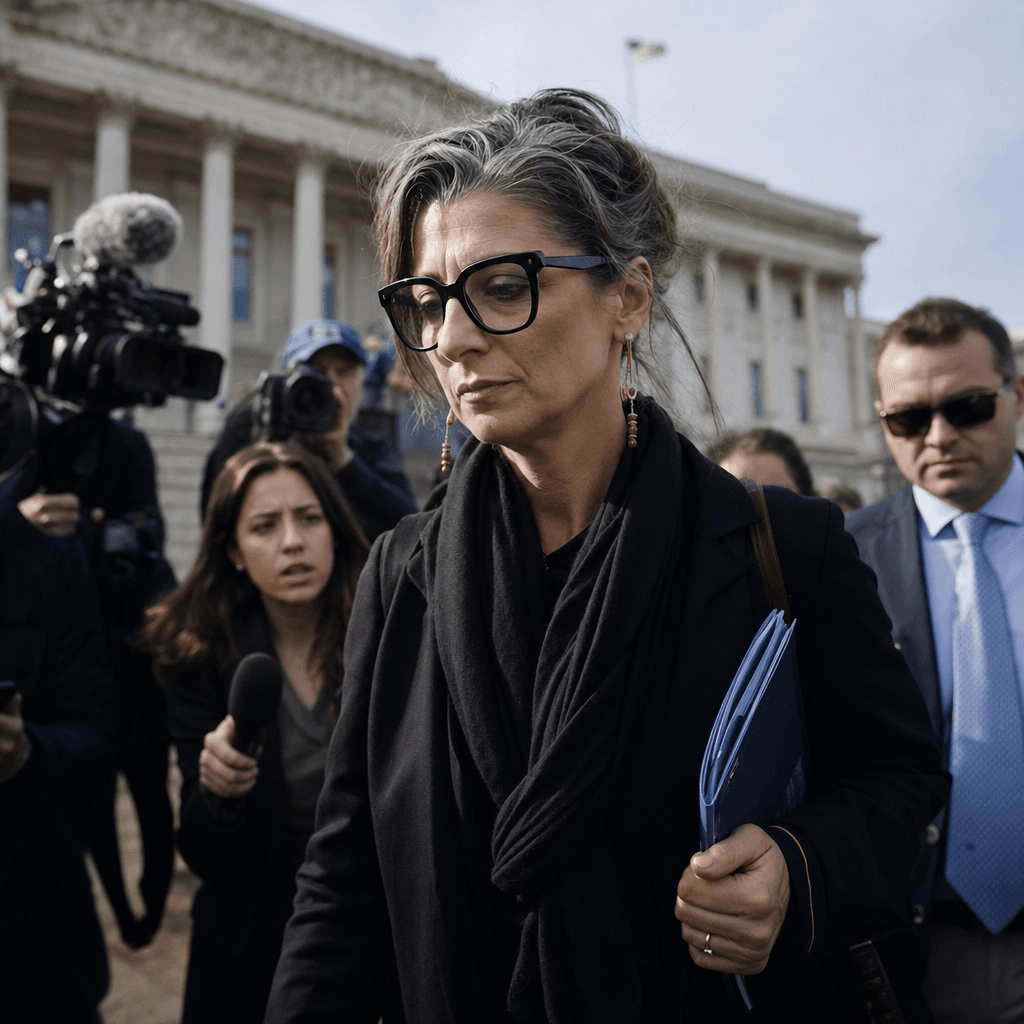
US Lifts Albanese Sanctions, But the Pressure Campaign Stays
Washington removed sanctions on Francesca Albanese after a court ruling, but the Trump team says it will try to put them back.
Washington has backed down tactically, not strategically. The U.S. Treasury said Wednesday it was lifting sanctions on Francesca Albanese, the UN special rapporteur on the occupied Palestinian territory, after a federal judge blocked the penalties last week, according to France 24 and
Al Jazeera. Treasury’s move followed U.S. District Judge Richard Leon’s finding that the sanctions raised free-speech concerns, and the State Department has since said it appealed the order and intends to restore Albanese’s name to the sanctions list if it wins,
Al Jazeera reported.
A court ruling forced Washington’s hand
The practical effect matters more than the announcement language. Albanese had been cut off from normal banking and credit-card use after being placed on a blacklist tied to ICC-related designations, France 24 reported. Leon’s ruling, cited by
Al Jazeera, said the government was targeting Albanese for the “idea or message expressed” in her speech, not for conduct that changed the ICC’s actions.
That gives the episode a clear power dynamic: the White House still wants sanctions as a political weapon, but a U.S. court temporarily took that weapon away. Albanese’s legal challenge, backed by her husband and daughter, turned a sanctions case into a First Amendment fight inside the U.S. system, Al Jazeera reported. For broader context on how this fits into Washington’s domestic and foreign policy posture, see
United States and
Global Politics.
Washington is signaling to critics of Israel
This is not an isolated case. The Trump administration sanctioned Albanese in July 2025 after she published a report accusing major companies, including Microsoft, Alphabet and Amazon, of complicity in Israel’s war on Gaza, Al Jazeera reported. It has also sanctioned ICC judges and prosecutors over the court’s moves against Israeli Prime Minister Benjamin Netanyahu and former defense minister Yoav Gallant,
Al Jazeera and
France 24 reported.
The beneficiary is obvious: Israel’s government gets cover as Washington tries to chill legal, diplomatic and advocacy pressure around Gaza. The loser is not just Albanese. It is the larger ecosystem of UN investigators, ICC officials and Palestine-focused activists who now have to factor in U.S. financial retaliation for crossing political red lines, Al Jazeera reported.
The timing also matters. France 24’s live blog paired the sanctions reversal with Trump saying the Iran file was “on the wire” between a deal and renewed hostilities, and with U.S. forces seizing an Iranian tanker in the Gulf of Oman the day before, France 24 reported. That wider backdrop reinforces the same pattern: Washington is using financial coercion across the Middle East file to shape behavior, not merely to punish.
What to watch next
The next decision point is the DC Circuit appeal. If the appeals court stays or overturns Leon’s injunction, the Treasury can move to restore the sanctions, Al Jazeera said. If it does not, the administration will have to decide whether to keep fighting in court or accept a public defeat on a case that has become a test of how far the U.S. can go in penalizing speech tied to Gaza.
Discover more
India
UN Expert Albanese: India Violates Law
UN Rapporteur Francesca Albanese accuses India of breaching international law, spotlighting human rights concerns in Kashmir and prompting diplomatic pushback.

Global Politics
US Seizes Iranian Ship, Tensions Surge
The US seizure of the Iranian ship Touska highlights a shift in control over the Strait of Hormuz, favoring Iran's strategic position.

International Relations
Pakistan's Key Role in US-Israel-Iran Meddle
Pakistan is seeking to mediate the US-Israel-Iran conflict, balancing high-stakes diplomacy against severe economic pressures and steep regional challenges.

Conflict & Security
Drone Warfare Killing Aid Workers at Unprec
Over 1,000 humanitarian workers killed in three years as cheap armed drones collapse legal protections. Gaza, Sudan, Ukraine, and DRC see deliberate targeting of aid convoys and hospitals with zero prosecutions.