Belarus: Russia's Strategic Threat to Kyiv
Zelenskyy warns of threats from Belarus to Ukraine's capital.
Model Diplomat2 min readEurope
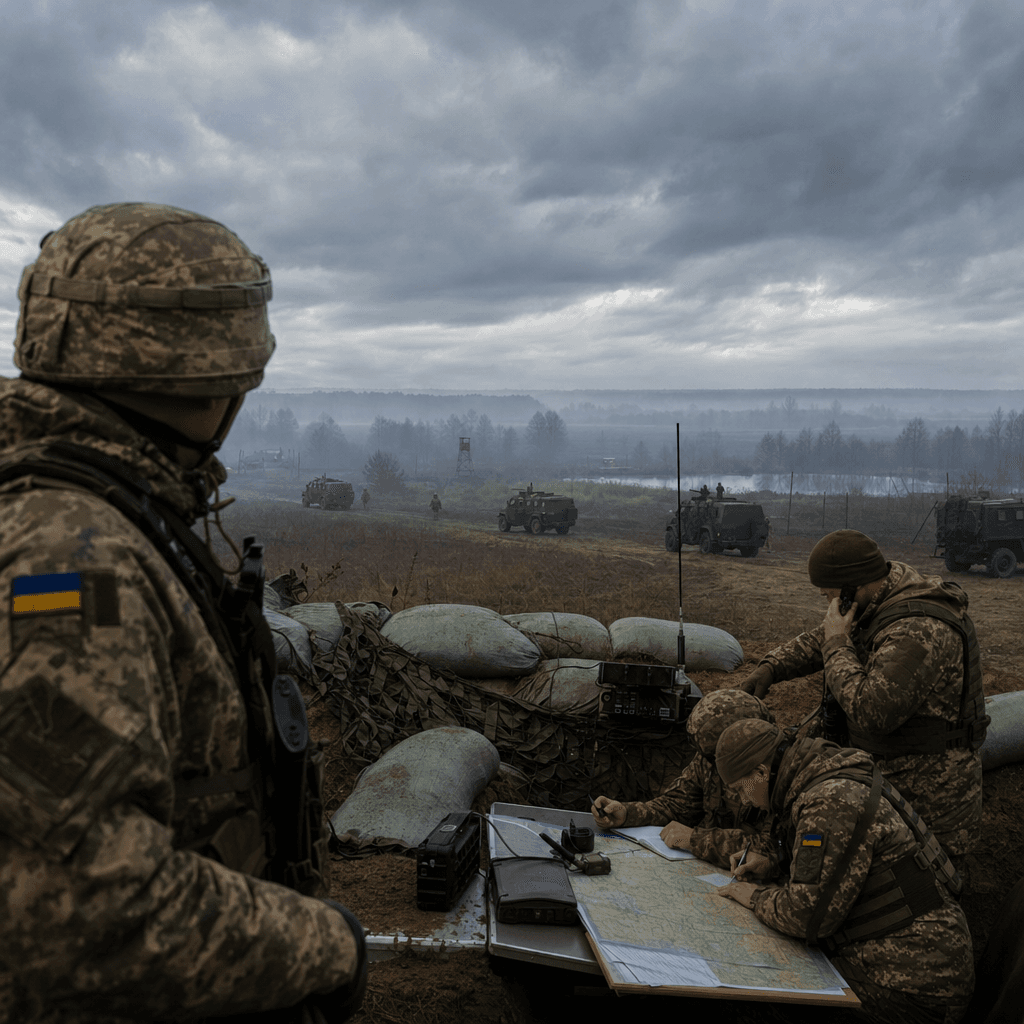
Belarus Becomes Russia’s Cheapest Pressure Point on Kyiv
Zelenskyy’s warning is less about an imminent dash on Kyiv than about Moscow forcing Ukraine to pin troops northward, while Minsk absorbs the risk for Moscow.
Volodymyr Zelenskyy said Ukraine will reinforce its northern regions after intelligence showed Russia planning offensive scenarios from Belarus toward the Chernihiv-Kyiv axis, underscoring that the Kremlin still uses Belarus as its most convenient launchpad when it wants to threaten the Ukrainian capital (The Guardian). He said Kyiv had analyzed “five scenarios” and would increase forces in the sector, while top commander Oleksandr Syrskyi said the Russian general staff was actively calculating northern operations (
The Guardian).
Moscow’s leverage is the threat itself
This is a classic pressure move: Russia does not need to mass a visible invasion column to extract value from the Belarus front. It only needs Ukraine to believe it might. That forces Kyiv to hold reserves around Chernihiv and the approaches to Kyiv instead of shifting them east or south, where the war is still decided (The Guardian). Ukraine’s border service said it had not detected equipment or personnel directly at the frontier, which suggests Moscow is still operating at the level of coercive ambiguity rather than immediate assault (
The Guardian;
BBC News).
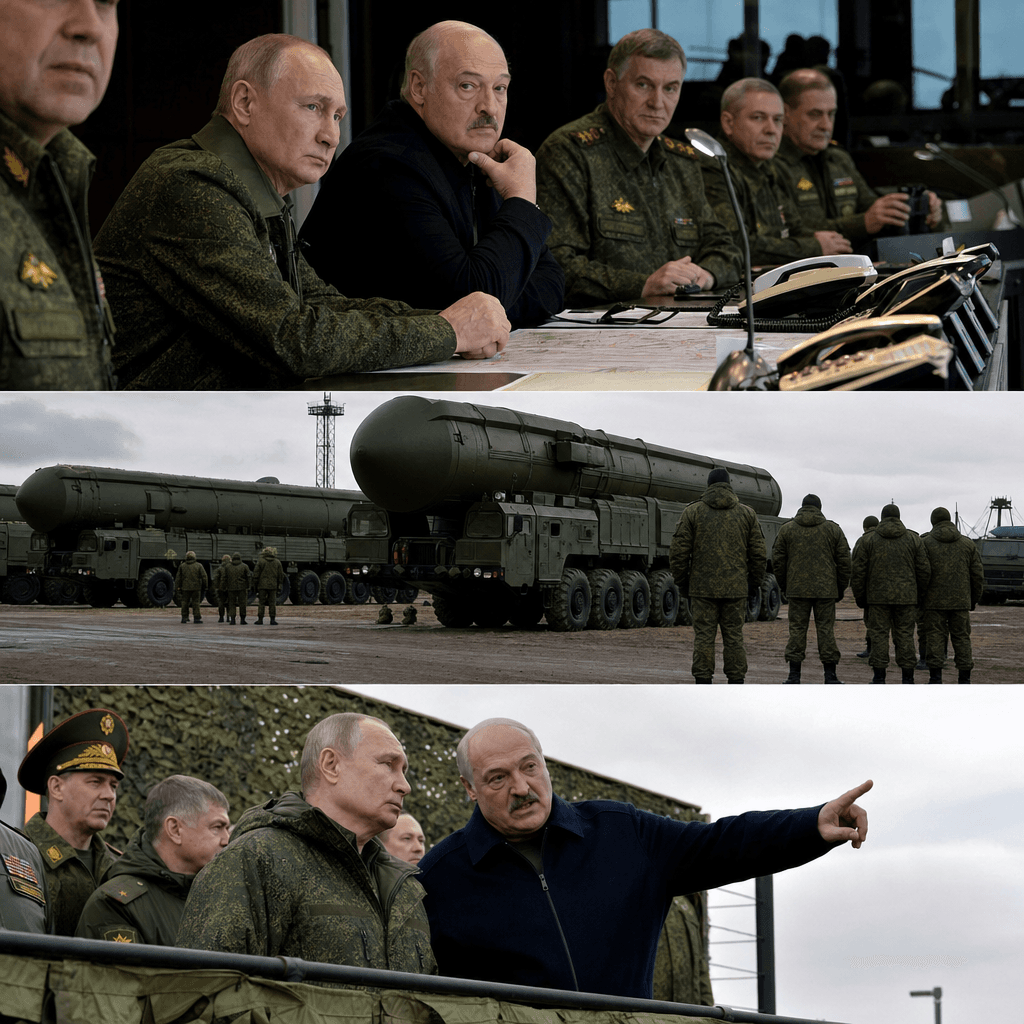
That ambiguity is useful to the Kremlin because Belarus gives Russia forward depth without the political cost of openly redeploying from its own territory. It also keeps Lukashenko locked into dependency. Belarus hosted Russian forces for the 2022 invasion, and this month held joint drills involving Russian nuclear weapons, a signal that Moscow retains escalation control over its western neighbor (France 24;
DW).
Why this matters now
For Kyiv, the benefit is political and operational clarity: Zelenskyy is telegraphing that Ukraine is not caught flat-footed and is already adjusting force posture. It also helps justify pressure on Minsk, even if Belarus itself is not the prime mover. For Russia, the gain is asymmetric. It can stretch Ukraine’s defenses, raise the perceived cost of aid to Kyiv, and keep NATO’s northeastern flank anxious without crossing into overtly new territory (The Guardian;
BBC News).
The broader context points the same way. Ukraine’s northern border is not a side theater: it is the route that threatens the capital, the command system, and the political center of gravity. Russia’s 2022 column failed there, but the strategic lesson for Moscow was not to abandon the axis; it was to keep Ukraine guessing long enough to impose costs elsewhere (The Guardian;
BBC News).
What to watch next
The next decision point is whether intelligence turns into observable movement: Russian units, air assets, or logistics arriving in Belarus, or Ukrainian alerts and fortification activity rising along the northern frontier. If that happens, the warning shifts from deterrence to pre-attack preparation. If it does not, Belarus remains what it has been since 2022: a threat corridor, not yet a second invasion front (The Guardian;
France 24). For wider regional fallout, see
Conflict and
International.
Discover more
Global Politics
Putin, Lukashenko Nuclear Drills Tighten Grip
Joint nuclear drills by Putin and Lukashenko signal Russia's tightening control over Belarus, raising NATO alarm along the alliance's eastern frontier today.
Global Politics
Lithuania Drone Alert Highlights Belarus Role
A drone incursion from Belarus into Lithuania underscores how Minsk still shapes the war, raising fresh NATO airspace concerns tied to Russia and Ukraine.

Conflict & Security
Drone Warfare Killing Aid Workers at Unprec
Over 1,000 humanitarian workers killed in three years as cheap armed drones collapse legal protections. Gaza, Sudan, Ukraine, and DRC see deliberate targeting of aid convoys and hospitals with zero prosecutions.

Global
World Normalises Taliban as Afghan Women Eras
UN data shows Afghan women erased from public life as Russia recognises the Taliban, EU hosts officials in Brussels, and ICC warrants for gender persecution go unenforced.