Ukraine-Russia Prisoner Swap Becomes Trump's First Win
The 1,000-for-1,000 exchange is the only concrete output from Istanbul: useful for Trump, but it leaves the ceasefire fight untouched.
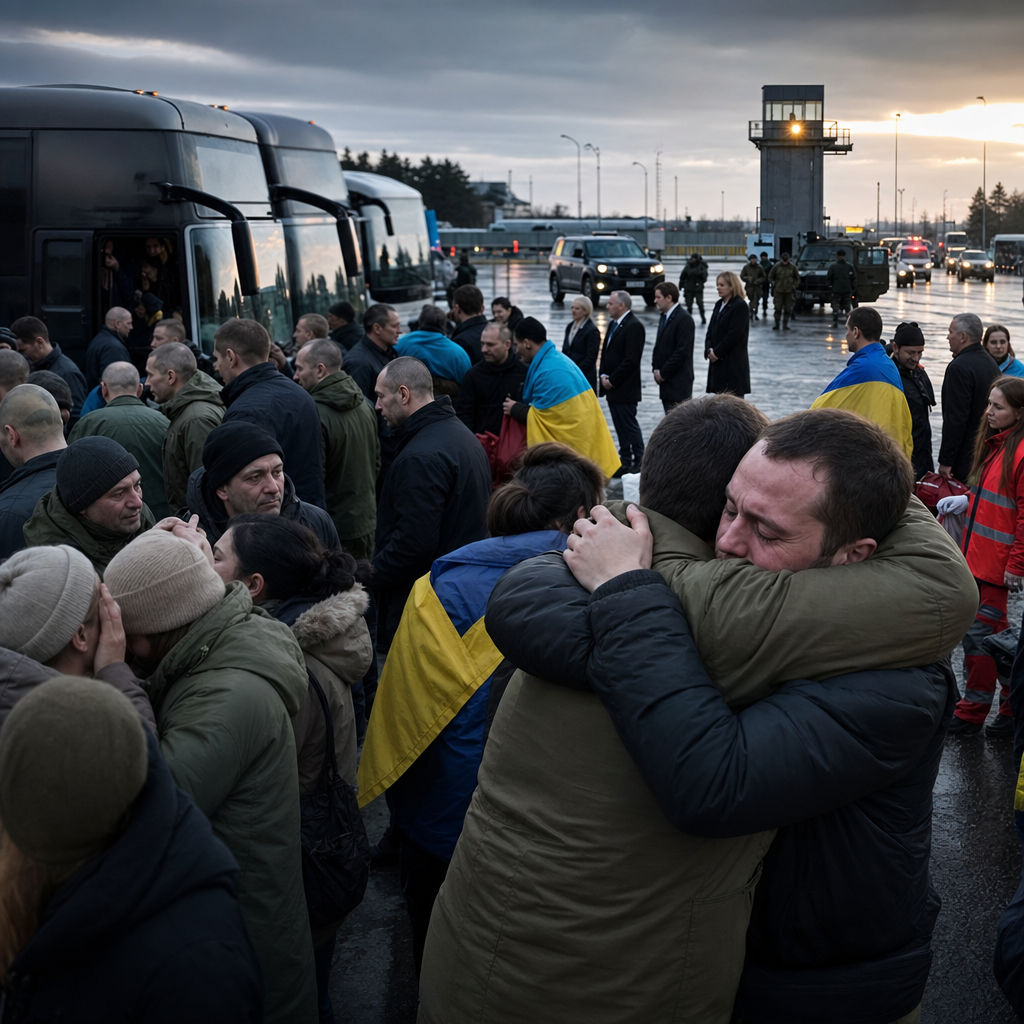
Ukraine says a 1,000-for-1,000 prisoner exchange is being prepared with Russia after talks mediated by the United States, with President Volodymyr Zelensky saying Kyiv has already handed Moscow its list and that the process is still under way ( BBC News Україна). Zelensky said the swap “is being prepared and should be carried out,” while the Ukrainian coordination staff said the negotiations are continuing and the list was compiled by length of captivity, not by rank or unit (BBC News Україна).
Leverage, not breakthrough
The power dynamic is plain: Washington is the broker, Kyiv needs the return of its prisoners, and Moscow gets diplomatic cover without conceding the war’s central issue — a ceasefire. BBC’s live coverage of the Istanbul talks says the two sides agreed on the swap and also discussed a possible future ceasefire, but made no progress on ending the fighting (BBC News). That matches the basic Russian playbook: take a humanitarian win, keep the strategic position intact.
This is why the exchange matters even though it does not change the battlefield. For Kyiv, it is politically valuable because prisoner returns are among the few deliverables Ukrainian families can see and count. For Moscow, the swap lets Vladimir Putin claim flexibility while avoiding the unconditional 30-day ceasefire Ukraine and its European backers want ( Politico). In other words, the deal is a concession in form, not in substance.
Trump wants a headline; Kyiv wants enforcement
Donald Trump has made the prisoner swap part of a broader push to force ceasefire talks, saying after a phone call with Putin that Russia and Ukraine would “immediately” start negotiating toward a ceasefire (BBC News). Ukraine is using that opening to keep the White House engaged. Zelensky said Kyiv expects the United States to help ensure Moscow follows through, and the BBC Ukrainian report explicitly says Ukraine is counting on American guarantees for implementation (BBC News Україна).
That matters because prisoner swaps are easier to announce than to execute. The Istanbul formula already produced the biggest exchange since the full-scale invasion — 390 prisoners each way in the first tranche — but that swap also came without any ceasefire commitment (BBC News). The pattern is now familiar: a humanitarian deal can move, while the war plan does not.
For readers tracking the broader diplomatic arc on  Global Politics, this is the key signal: the United States has leverage only if it converts humanitarian process into enforcement pressure. Otherwise, Moscow gets the optics, Kyiv gets partial relief, and Trump gets a talking point.
What to watch next
The next decision point is simple: whether the promised swap happens on the timetable already agreed in Istanbul and whether it is paired with any real ceasefire mechanism. If the exchange proceeds cleanly, expect Trump to frame it as proof that his mediation works. If it stalls, the blame will quickly shift to Moscow, and the pressure for tougher U.S. follow-up will rise again.
The date that matters now is the next round of implementation, not another statement. If the prisoner deal lands and the guns do not quiet, then the exchange will be remembered as the war’s latest humanitarian pause — not a turn toward peace.