Trump Offers F-35 to Erdoğan Amid Engine Deal
A $700M fighter-engine sale to Turkey is underway.
Model Diplomat4 min readasia
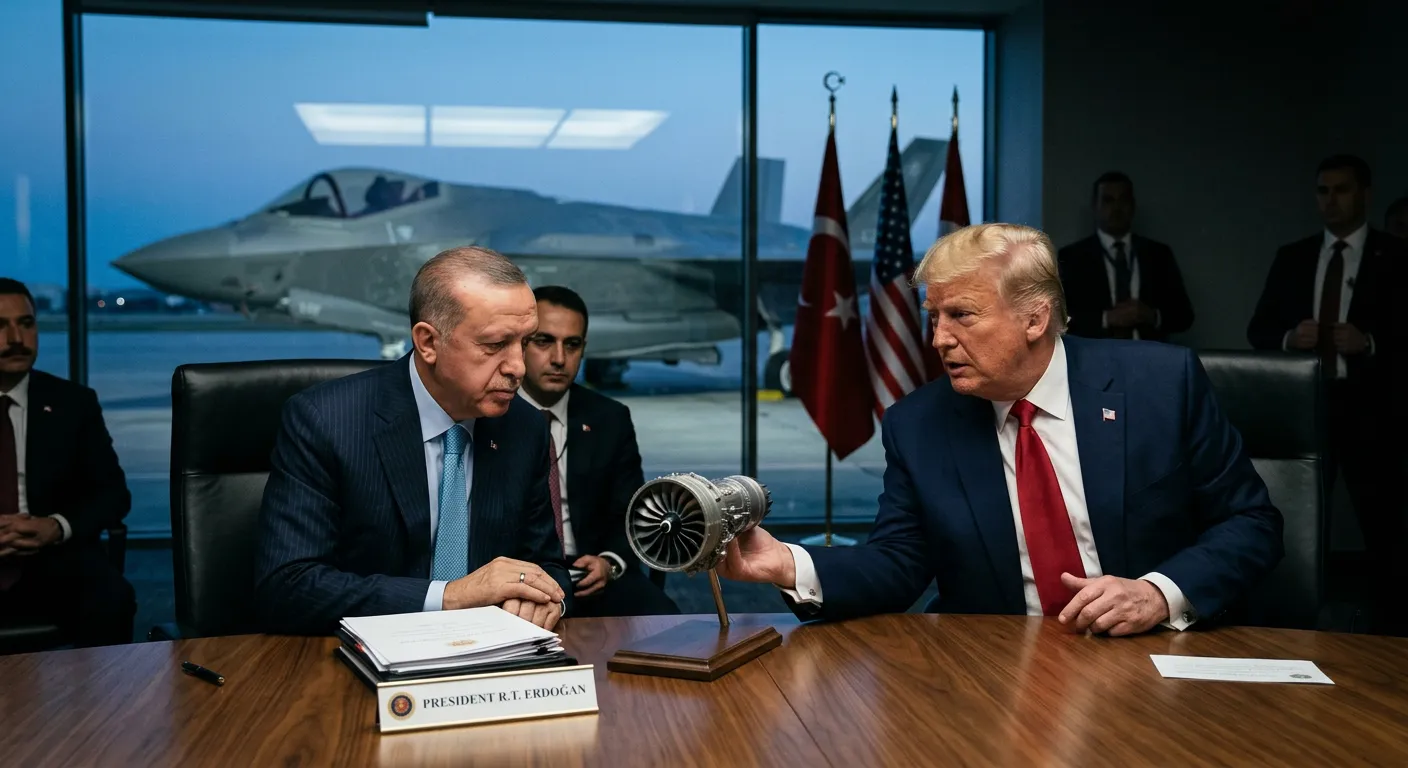
Trump Dangles F-35 for Erdoğan, But a $700M Engine Deal Is What's Actually Moving
The White House formally notified Congress of a $700M+ fighter-engine sale to Turkey on June 25, hours after Trump hinted at an F-35 breakthrough. The engine deal is real and moving; the F-35 pledge is theater until the S-400 question is resolved.
Speaking alongside NATO Secretary-General Mark Rutte in the Oval Office on Wednesday, President Trump signaled he was ready to deliver on Turkey's long-frozen defense requests. "I'm going to probably do something that's going to make him very happy," Trump said of President Recep Tayyip Erdoğan, calling him "a respected man, a respected leader, and has been a friend of mine" — and confirming he would attend the July 7–8 NATO summit in Ankara largely because Erdoğan was hosting it. [
Al-Monitor]
The next day, the substance arrived. The State Department formally notified Congress of its intention to approve a foreign military sale of General Electric F-110 engines worth more than $700 million — the power plants Turkey needs for its indigenous KAAN fifth-generation fighter. [Turkish Minute] The notification triggers a 15-day congressional review period under the Arms Export Control Act. Congress can block the sale with a joint resolution, but objections are not binding if the administration proceeds anyway. [
Diplomat.so]
The F-35 talk is the headline; the engine deal is the lever
The F-110 sale is strategically significant because Turkey's KAAN program — its bid to replace an aging F-16 fleet and end dependence on foreign platforms — cannot reach serial production without American engines. Turkey's domestically developed TF-35000 turbofan is not expected to be ready for integration until 2032. [BBC Türkçe] Without the GE engines now, the KAAN timeline collapses. The sale also tests whether Congress will tolerate defense cooperation with Ankara despite the unresolved S-400 dispute.
Vice President JD Vance made clear the F-35 question is a separate, harder problem. "Pete and the entire team are reviewing this right now, because there are certain things that we have to certify have happened … in order to comply with American law," Vance said, referring to Defense Secretary Pete Hegseth. [Al-Monitor] The law in question — Section 1245 of the National Defense Authorization Act — explicitly forbids F-35 transfers to Turkey so long as it possesses the Russian S-400 system. CAATSA sanctions on Turkey's defense procurement agency (SSB) add a second legal barrier.
One workaround under discussion: dismantling the S-400s and transferring them to the US-controlled section of Incirlik Air Base, or to a Turkish military facility abroad in Qatar, Somalia, or Northern Cyprus. [Al-Monitor] Neither Turkish nor US officials have confirmed this publicly, but it represents the narrow path through which the legal prohibition could be satisfied without Ankara formally "giving up" the system.
Who gains, who blocks
Erdoğan is the immediate beneficiary. The engine deal, even without F-35 movement, is a concrete deliverable ahead of hosting NATO leaders — and a validation of his personal channel with Trump. Trump, for his part, gets a cooperative host and a narrative of alliance repair.
Congressional Democrats are already mobilizing. Representative Gregory Meeks (D-NY), ranking member on House Foreign Affairs, criticized the administration's "failure to make a good-faith effort to brief him" on the deal's implications. Representative Dina Titus (D-NV) pledged to introduce a joint resolution of disapproval. Representative Chris Pappas (D-NH) was blunt: "Absolutely no F-35s for Turkey." [BBC Türkçe] None of this is fatal to the engine sale — objections are non-binding — but it signals the political cost of going further.
Israel has also entered the fray. Deputy Foreign Minister Sharren Haskel stated that Israel "will not allow" Israeli-developed F-35 technology — including helmet-mounted displays and outer wing components — to reach Turkey, calling Erdoğan's posture a strategic threat, especially in Syria. [JFeed] While Israel lacks a formal veto, US law requires a qualitative military edge assessment for major Middle East arms sales, giving Israeli objections procedural weight.
What to watch
The 15-day congressional review clock on the engine sale ends around July 10 — days after the NATO summit concludes. If Congress does not block it, the administration will have delivered Ankara a significant win without touching the F-35 question. The real decision point on the F-35 comes after the Pentagon's legal review, which Gönül Tol of the Middle East Institute framed succinctly: "The ball is in Turkey's court. It has to get rid of the S-400s." [Al-Monitor]
Trump wants the summit to be a victory lap. The engine deal gives him one. Whether the F-35 follows depends on a decision Ankara has spent seven years avoiding.
Discover more
Global Politics
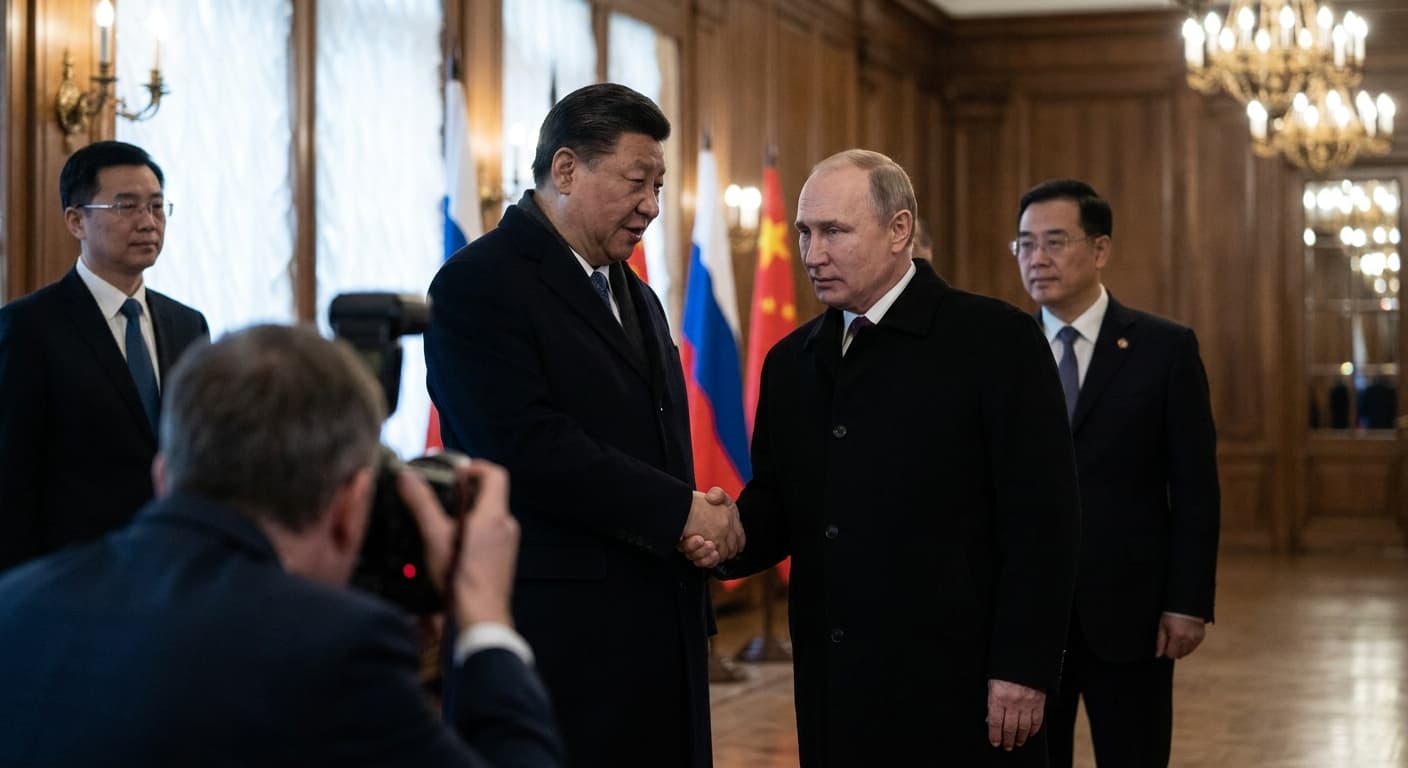
Xi Jinping Calls China-Russia Ties 'Precious'
Xi Jinping's description of China-Russia ties as 'precious' reflects a strategic imbalance, with Beijing dictating terms in the partnership.
India
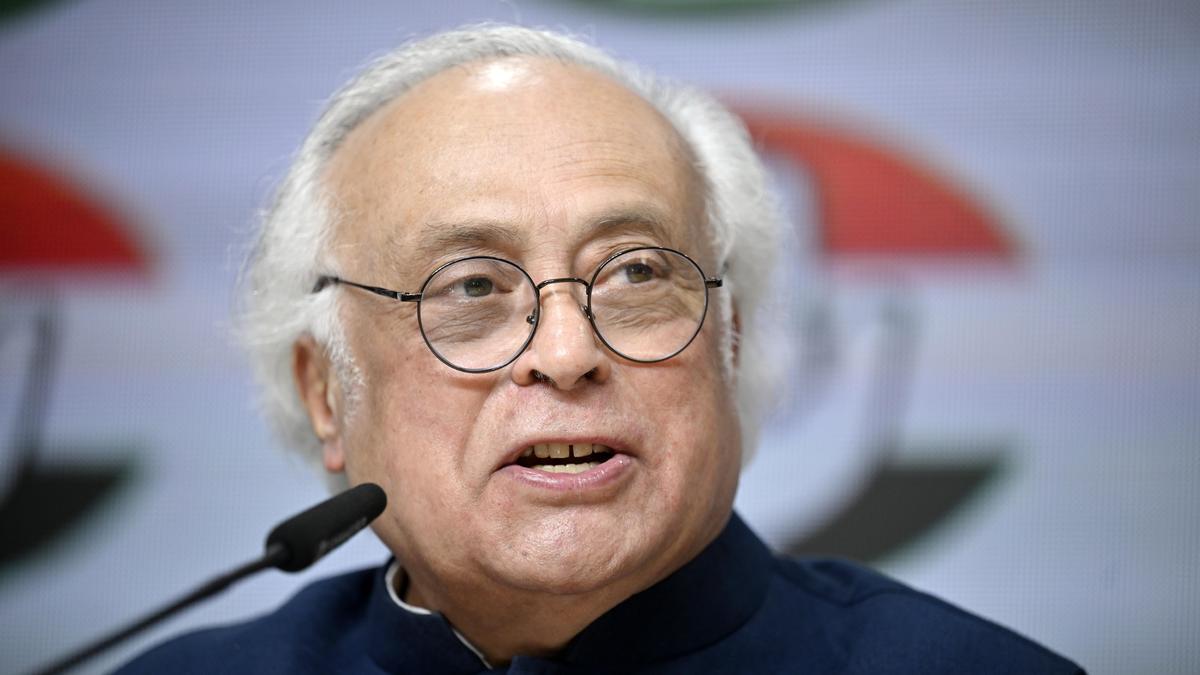
Congress Accuses Modi of Stalling Women's Law
Congress accuses Modi of stalling women's reservation law by linking it to delimitation, revealing a deeper electoral strategy.

US Politics
SNAP Food Assistance Faces Legal Challenges
In 2026, SNAP faces stricter eligibility rules and mounting legal challenges, threatening food assistance for the millions of Americans who rely on the program.

Economics
Fed's Amex AML order puts correspondent banking on notice
Federal Reserve's Amex AML order requires board-level controls and a 90-day plan; OCC fined the bank $350 million over enterprise-wide deficiencies.