Trump's Pressure on Iran
Exploring the dynamics of U.S.-Iran negotiations and regional power.
Model Diplomat3 min readMiddle East
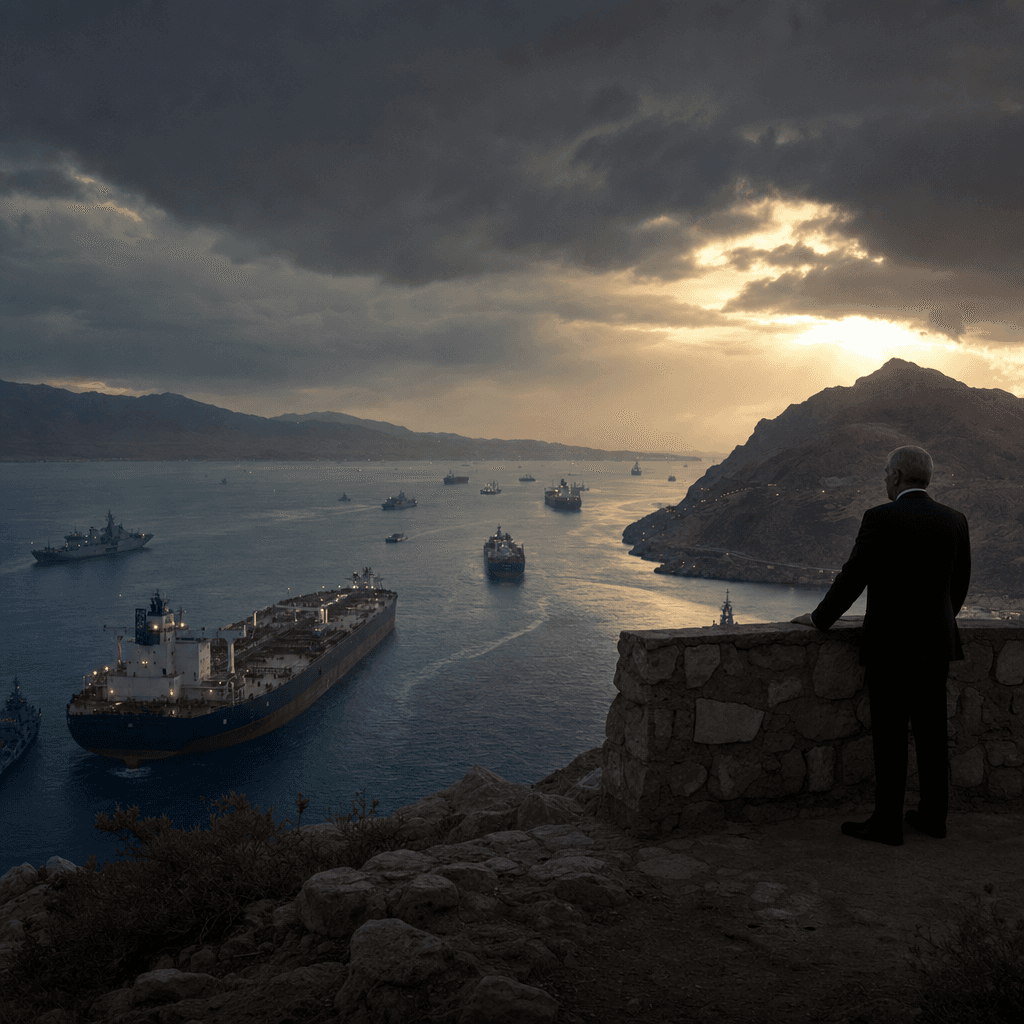
Trump Raises the Price on Iran — But the Gulf Still Sets It
Washington is trying to force Tehran back to the table by squeezing Hormuz and ports, yet Iran’s reply shows the war’s real leverage is still regional shipping and escalation control.
President Donald Trump said Iran’s response to the latest U.S. peace proposal was “totally unacceptable,” putting the burden back on Tehran just as the ceasefire is being stress-tested by fresh incidents around the Persian Gulf, the Washington Post reported. Iranian state media said Tehran had sent its reply through Pakistani mediators, but did not disclose the terms, while U.S. officials kept pressing for freer passage through the Strait of Hormuz and some rollback of Iran’s nuclear posture, according to
The Associated Press and
NBC News.
The real fight is over sequencing
This is not yet a yes-or-no question of peace. It is a fight over who moves first. Washington’s proposal, as described by AP and NBC, wants Iran to restore shipping access through Hormuz and curb its nuclear program while the U.S. eases pressure later. Tehran’s counter, by contrast, appears to bundle everything together: end the war, lift sanctions, end the blockade on Iranian ports, and address related fronts such as Lebanon. That sequencing gap is the negotiation.
That matters because each side is using the tool it still has. The U.S. has military reach and a blockade on Iranian ports; Iran has the ability to disrupt commercial traffic in one of the world’s most important chokepoints. That is why the Strait of Hormuz, not the rhetoric, is the center of gravity. For a broader policy lens, see Global Politics.
The ceasefire is brittle because neither side can fully dominate
The ceasefire announced more than a month ago has never really become a stable settlement. The Washington Post said hostilities around Hormuz in recent days exposed just how fragile it remains. AP reported drones hitting Gulf airspace and a small fire on a ship near Qatar, with the UAE blaming Iran and no one claiming responsibility. NBC reported that oil markets have already reacted to hopes of a deal, which is another sign that the economic battlefield is as important as the military one.
That leaves both capitals with incentives to keep talking while keeping pressure on. Trump can claim toughness by calling Iran’s terms “unacceptable” and threatening renewed bombing if talks fail. Iran can claim it is not surrendering under fire and can still lean on maritime disruption to extract concessions. Neither side benefits from a full collapse right now, but both benefit from making the other look like the obstacle.
Nuclear material remains the unresolved hard point
The most dangerous unresolved issue is the uranium. The Seattle Times reported that inspectors say roughly 970 pounds of near-bomb-grade enriched uranium remains a sticking point, and Iran has ruled out giving it up. Netanyahu, in remarks cited by the Seattle Times, said the conflict is “not over” until that material is removed and enrichment sites are dismantled.
That is why this round of diplomacy is narrower than Trump’s language suggests. The immediate question is not whether a grand bargain exists. It is whether the parties can convert a shaky ceasefire into a 30-day pause without another strike on ships, drones over Gulf states, or a renewed blockade spiral.
What to watch next: whether Pakistan can keep its mediation channel open, and whether the next incident in Hormuz forces Trump either to escalate militarily or accept a partial deal that leaves the nuclear file unresolved.
Discover more
Global
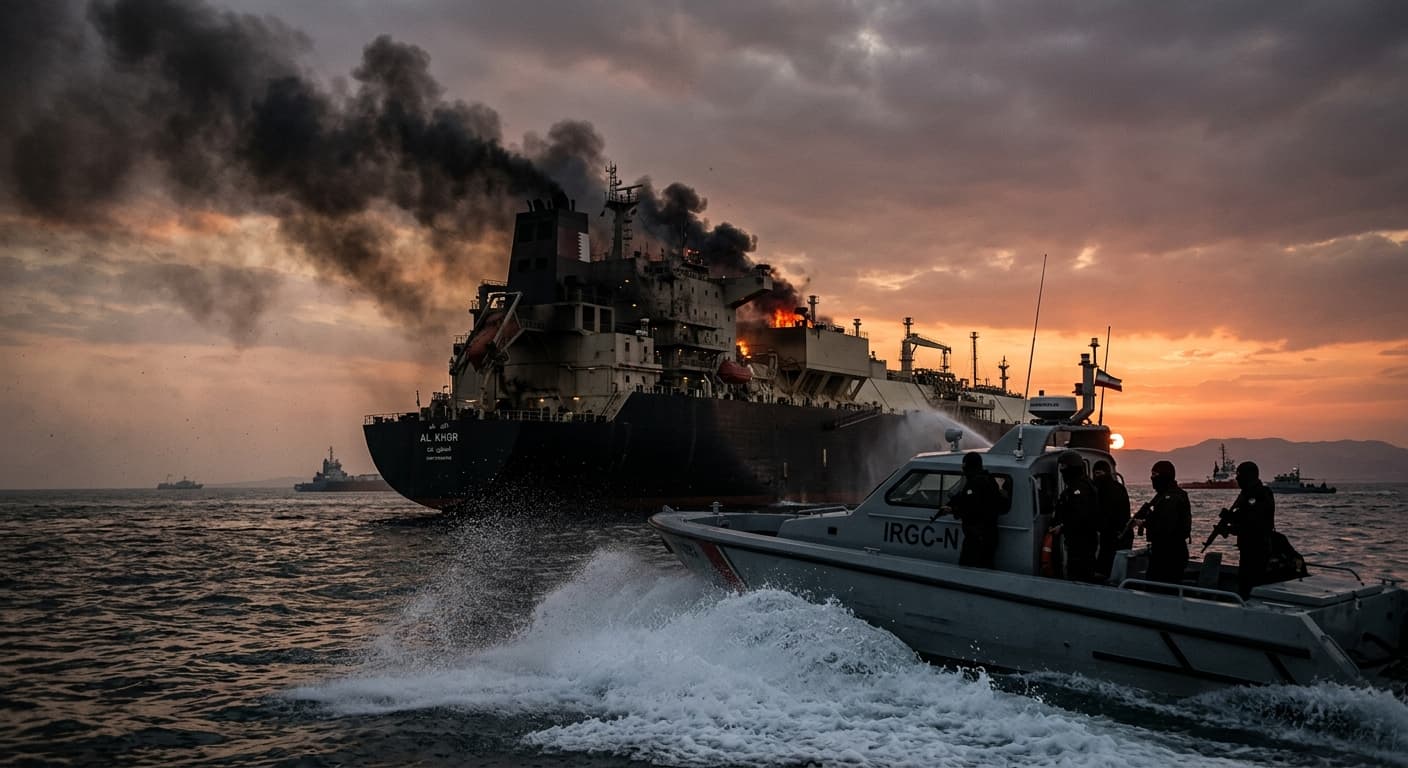
Qatari Tanker Strike Exposes Hormuz Tensions
A Qatari tanker was struck off Oman, revealing the fragility of the Hormuz ceasefire and Iran's influence over maritime security.
Global
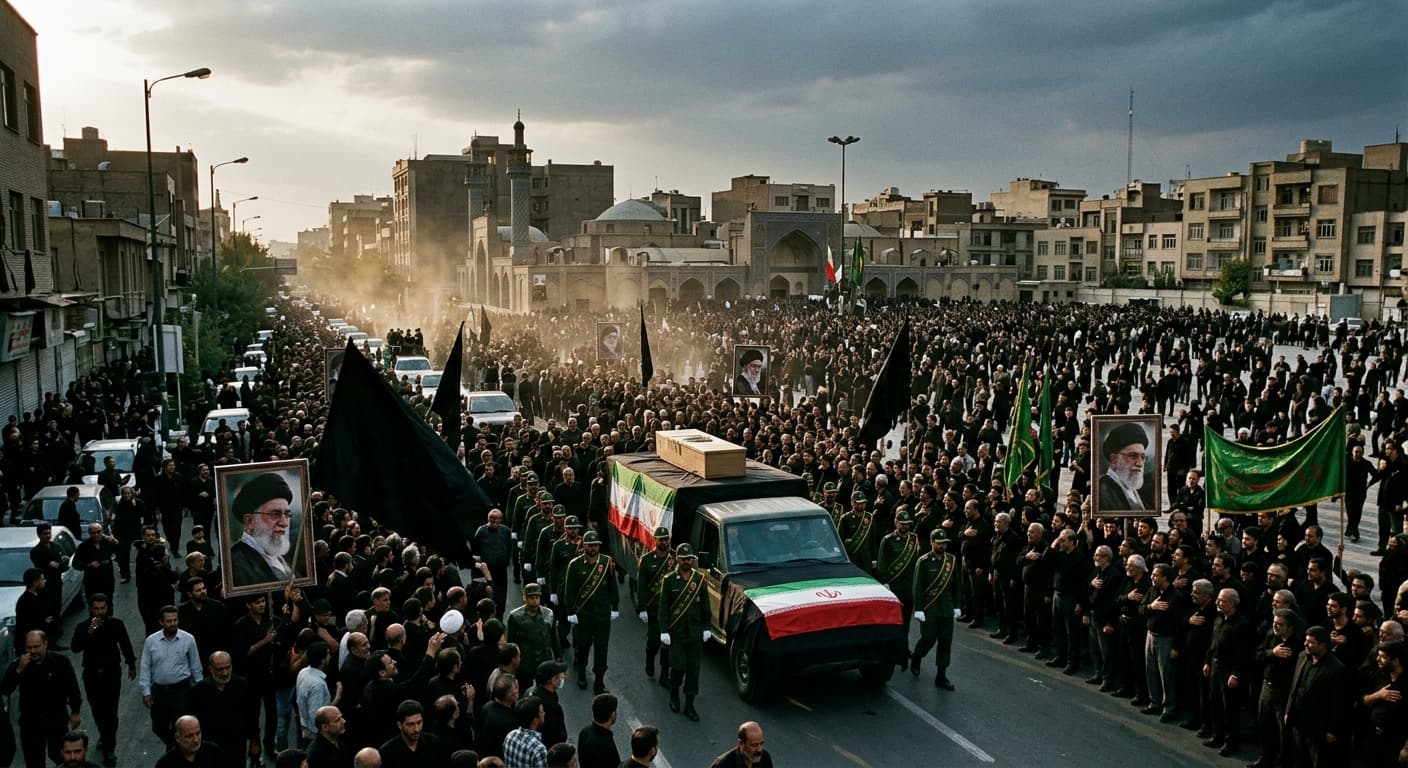
Khamenei's Funeral Signals Iran's Decline
The funeral of Ayatollah Khamenei highlights Iran's diminished influence in the Gulf, with regional powers now dictating terms.
Global
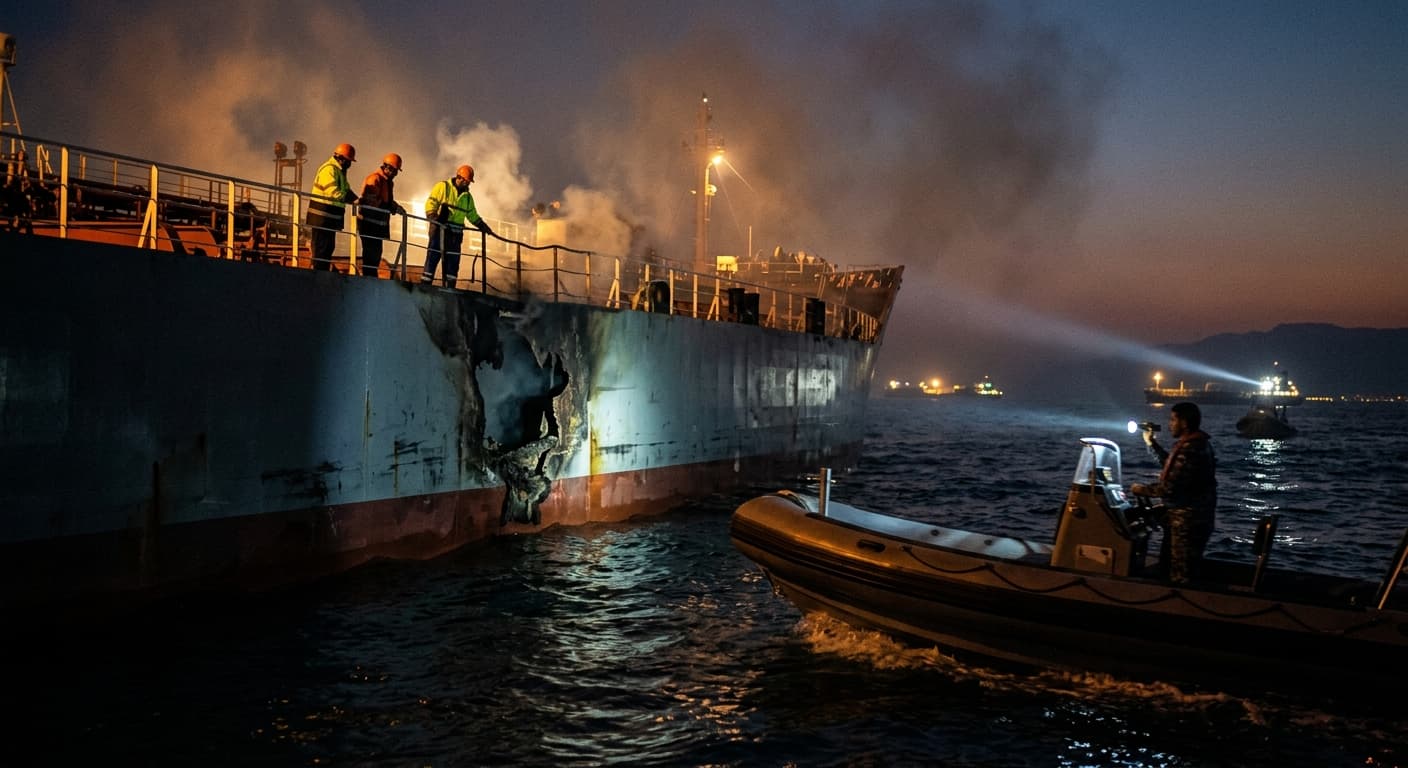
Iran's Hormuz Missile Strikes: A Toll Booth
Iran's missile attack on a Qatari-linked tanker highlights Tehran's strategy to control the Strait of Hormuz, impacting Gulf states and maritime law.

Tech Policy
Iran's Cavern Manticore Targets Israel's IT
Cavern Manticore, an Iran-linked hacking group, targets Israeli IT vendors, prompting a shift in Israel's cybersecurity policy and legislative efforts.