Trump’s Iran Framework Buys Time, Not a Peace Deal Yet
US and Iran edge toward a framework deal amid tensions.
Model Diplomat3 min readMiddle East
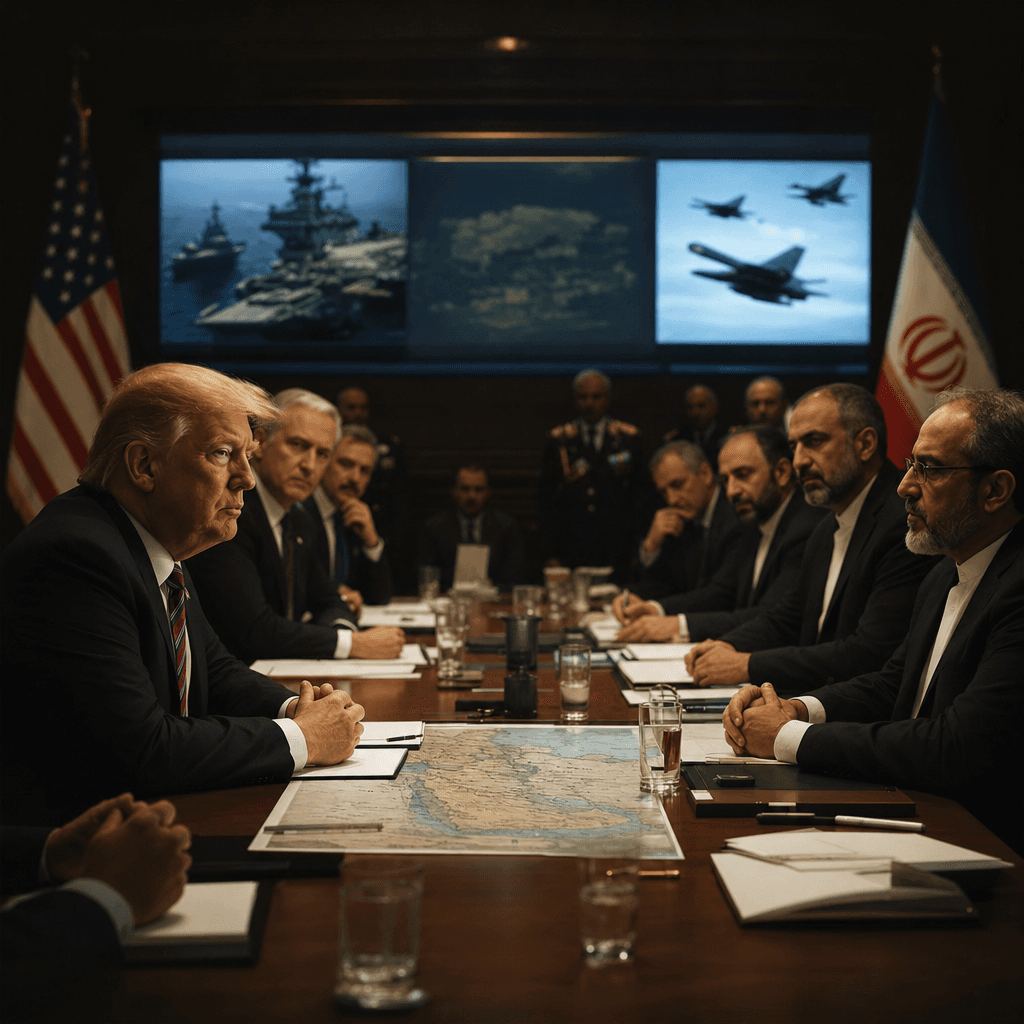
Trump’s Iran Framework Buys Time, Not a Peace Deal Yet
Washington and Tehran are edging toward a framework deal, but Hormuz, sanctions and uranium still make this a leverage contest.
US President Donald Trump said on Saturday that a memorandum of understanding with Iran had been “largely negotiated” and would include reopening the Strait of Hormuz, while Tehran insisted the text is still only a framework with major details left for follow-on talks (Al Jazeera,
BBC). That is the real story: the US is using military pressure and regional diplomacy to force an interim settlement, while Iran is trying to trade limited de-escalation for sanctions relief and security guarantees without conceding its nuclear leverage.
Leverage in the Strait
The Strait of Hormuz is the bargaining chip that makes this feel urgent. Before the war, roughly a fifth of global oil and LNG traffic moved through it, and both sides have used access as coercion: Iran by constraining transit, the US by blocking Iranian ports since April, according to reporting summarized by Al Jazeera and the BBC (Al Jazeera,
BBC). That means the first phase of any deal is less about peace in the abstract than about restoring shipping, calming energy markets and testing whether either side can enforce the other’s commitments.
For Global Politics, this is the pattern to watch: staged agreements are often born from pressure points, not trust. Iran’s own officials, including foreign ministry spokesman Esmaeil Baghaei, have said the talks are moving toward a “framework agreement” and that the next few days will show whether the text holds (
Al Jazeera). That gives Tehran room to claim diplomacy is working while keeping the nuclear file open.
Who wins if the framework sticks
The immediate winners are Gulf shippers, energy consumers and the regional states that have spent the last three months trying to stop the conflict from widening. Trump said he discussed the emerging understanding with leaders from Saudi Arabia, the UAE, Qatar and others, and the BBC reported that Pakistan’s mediation has been central to getting the talks this far (BBC,
Al Jazeera). If the strait reopens even partially, oil and freight markets will respond before any final treaty exists.
The obvious loser is Israel. DW reported that Prime Minister Benjamin Netanyahu has already voiced concerns about a draft agreement, and Al Jazeera’s reporting suggests the package could also touch the Lebanon front, which would limit Israel’s freedom to keep pressure on Iran-backed forces there (DW,
Al Jazeera). For
United States policy, that is the key trade-off: Trump can claim he paused a wider war, but he may also be narrowing Israel’s room to shape the end state.
What to watch next
The next decision point is whether this becomes a signed MoU or collapses over the hard clauses: who manages Hormuz, when sanctions relief starts, and what happens to Iran’s enriched uranium stockpile. Al Jazeera quoted Baghaei as saying the picture should become clearer in “the next three or four days,” which makes this a short fuse, not a long negotiation (Al Jazeera). If Washington and Tehran cannot close the gap quickly, the same leverage that is driving the talks back toward a deal can just as fast pull them back toward escalation.
Discover more
Global Politics
Trump's Conflicting Messages on Iran War
Trump's mixed messages on Iran reflect a strategy of audience management, benefiting Tehran amid a complex geopolitical landscape.

Conflict & Security
Drone Warfare Killing Aid Workers at Unprec
Over 1,000 humanitarian workers killed in three years as cheap armed drones collapse legal protections. Gaza, Sudan, Ukraine, and DRC see deliberate targeting of aid convoys and hospitals with zero prosecutions.
Global
World Normalises Taliban as Afghan Women Eras
UN data shows Afghan women erased from public life as Russia recognises the Taliban, EU hosts officials in Brussels, and ICC warrants for gender persecution go unenforced.
Conflict & Security
West Africa Food Crisis: Three Shocks in 2026
Conflict, climate extremes, and the Strait of Hormuz closure drive a severe food crisis in West and Central Africa, with fertilizer prices surging 80% and millions displaced.