Trump’s Iran Deal Splits Republicans OverHorm
Trump's Iran deal reshapes GOP dynamics and Hormuz control.
Model Diplomat3 min readNorth America
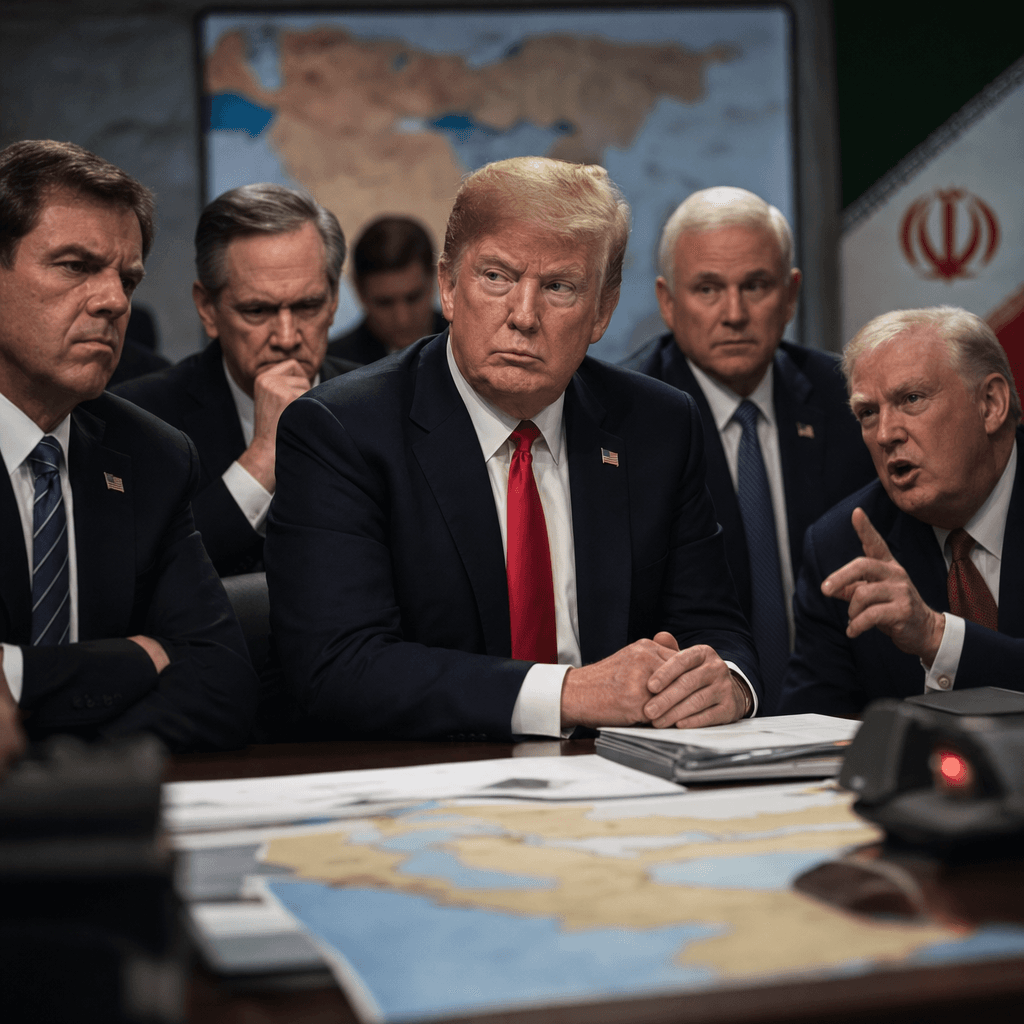
Trump’s Iran Deal Splits Republicans Over Hormuz Control
Trump’s push for a framework with Tehran weakens hawks in his party, but Iran still must sign off and the strait dispute may sink it.
Trump is using the prospect of a deal with Iran to reset the battlefield on his own terms: stop the war, reopen the Strait of Hormuz, and claim a diplomatic win before critics can turn the issue into a new military trap, The Guardian and
BBC report. The immediate losers are the Republican hawks who spent years selling confrontation as the only credible policy and now have to argue against a ceasefire they helped make politically expensive to reject. For readers tracking the wider pressure points in
Global Politics and
United States, this is a test of whether Trump can trade force for leverage without handing Tehran a strategic narrative victory.
Washington’s leverage is real, but it is also narrow
Trump says an agreement has been “largely negotiated,” with final details still being worked out after calls with Gulf leaders, Pakistan, and Israeli Prime Minister Benjamin Netanyahu, BBC and
Al Jazeera report. That framing matters: it tells Congress, allies, and Iran that the White House is treating the deal as an enforceable regional package, not just a U.S.-Iran side channel. The reported contours are classic Trump bargaining — sanctions relief and access to frozen assets in exchange for nuclear constraints and a reopening of Hormuz,
The Guardian and
Al Jazeera say.
That is exactly why the hawks are furious. Mike Pompeo says the proposal looks too close to the Obama-era JCPOA, while Senator Ted Cruz warned that any outcome leaving Iran in control of the strait and able to pursue enrichment would be a “disastrous mistake,” The Guardian reports. Their argument is not just ideological. It is institutional: a ceasefire that restores trade flows and eases sanctions could undercut the hardline case for indefinite pressure, and it does so under a Republican president.
Iran still holds the stronger veto
The leverage, however, cuts both ways. Iranian officials say the supreme leader and the national security council still must approve any memorandum, and that several clauses remain unresolved, The Guardian reports. Tehran is also pushing back on the idea that the United States can dictate the future of Hormuz; Iranian state-linked media says management of the strait remains an Iranian monopoly,
The Guardian says.
That is the core power dynamic: Trump wants a deal that can be sold as peace-through-strength, but Iran wants recognition that it can still influence a waterway carrying a large share of global energy flows. Pakistan’s role as mediator gives the talks regional cover, Al Jazeera says, but it does not solve the main problem — neither side wants to look like it surrendered first.
What to watch next
The next decision point is political, not technical. Iran’s ratification process and the reported 30- to 60-day negotiation window will show whether this is a real framework or just a pause dressed up as progress, The Guardian and
Al Jazeera report. Watch for three things: whether Tehran accepts any nuclear restraint; whether Trump softens the Hormuz language to keep Gulf partners onside; and whether Republican hawks escalate from criticism to an effort to box him in legislatively. The deal’s fate will be decided less by diplomacy than by who blinks first on sovereignty, sanctions, and the strait.
Discover more
Global Politics
Trump's Conflicting Messages on Iran War
Trump's mixed messages on Iran reflect a strategy of audience management, benefiting Tehran amid a complex geopolitical landscape.

Conflict & Security
Drone Warfare Killing Aid Workers at Unprec
Over 1,000 humanitarian workers killed in three years as cheap armed drones collapse legal protections. Gaza, Sudan, Ukraine, and DRC see deliberate targeting of aid convoys and hospitals with zero prosecutions.
Global
World Normalises Taliban as Afghan Women Eras
UN data shows Afghan women erased from public life as Russia recognises the Taliban, EU hosts officials in Brussels, and ICC warrants for gender persecution go unenforced.
Conflict & Security
West Africa Food Crisis: Three Shocks in 2026
Conflict, climate extremes, and the Strait of Hormuz closure drive a severe food crisis in West and Central Africa, with fertilizer prices surging 80% and millions displaced.