Trump's Iran Deal Efforts via Pakistan Meddle
Exploring the dynamics of Trump's Iran negotiations via Pakistan.
Model Diplomat3 min readMiddle East
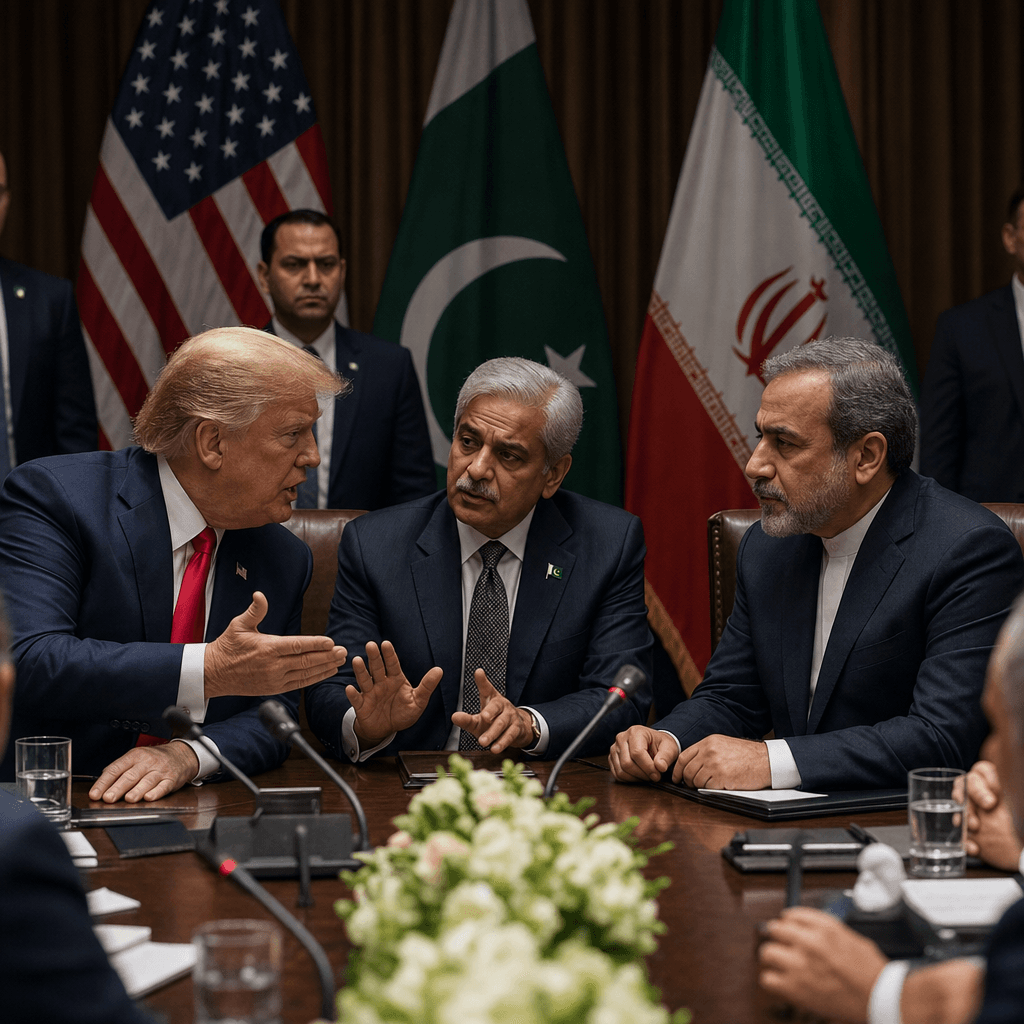
Trump’s Iran Deal Push Runs Through Pakistan Mediation
Trump says an Iran deal is close, but Pakistan’s mediation shows who still has leverage over Hormuz, sanctions and the timing.
Trump is trying to lock in the headline
Donald Trump said a memorandum of understanding on a peace deal with Iran had been “largely negotiated,” while Pakistan’s prime minister, Shehbaz Sharif, said talks between Tehran and Washington could happen “very soon,” according to Al Jazeera and
The Hindu. The message is tactical: Trump wants the public to read this as a near-finished diplomatic win, even though the core terms are still being hammered out.
That sequencing matters. DW reported that Iran dismissed Trump’s claim as “incomplete and inconsistent with reality,” and that Tehran still sees major gaps on the actual substance of the deal.
Reuters reported that final details were still under discussion and that the proposed arrangement would kick off a much longer negotiating track, not end the dispute outright.
Pakistan is the broker, not the decider
Pakistan has become the indispensable intermediary because it can talk to both sides without carrying the same baggage as the Gulf monarchies or Turkey. Al Jazeera said Pakistan’s army chief, Asim Munir, has been at the center of the diplomacy, including visits to Tehran, while Sharif publicly offered to host the next round of talks. The Hindu echoed that Pakistan wants to host the next round “very soon.”
That gives Islamabad status, not control. Pakistan can shuttle messages and provide a venue, but it does not set the real price of a deal. The binding issues are still the same: sanctions relief for Iran, limits on Iran’s nuclear program, and access to the Strait of Hormuz. For the wider regional frame, this sits squarely in Conflict and
Global Politics.
Trump’s call with leaders from Saudi Arabia, Qatar, Turkiye, Egypt, the UAE, Jordan and Pakistan shows the politics are regional, not bilateral, The Hindu. But that also spreads the burden: if the deal stalls, Washington, not Islamabad, owns the failure.
The real leverage is still Hormuz
The draft terms reported by Reuters are revealing: reopen the Strait of Hormuz, ease sanctions, and then spend 30 to 60 days negotiating the rest of the package, including Iran’s nuclear file and longer-term security guarantees. That is a concession-first framework, designed to stop the shooting and restore shipping before the hardest political issues are settled.
Iran’s leverage is the opposite. It can keep the pressure on global energy markets by controlling transit, and it can reject any bargain that ties shipping relief to nuclear limits it has not yet accepted. DW reported that Iran is already pushing back on Trump’s description of the deal and insisting it still controls the waterway.
What to watch next is simple: whether Pakistan actually hosts the next round, whether the White House puts text on paper, and whether Tehran accepts a limited transit deal or rejects the package as too broad. The next decision point is the timing of that follow-on meeting — if it slips, Trump’s “largely negotiated” line starts to look like pressure, not progress.
Discover more

International Relations
Pakistan's Key Role in US-Israel-Iran Meddle
Pakistan is seeking to mediate the US-Israel-Iran conflict, balancing high-stakes diplomacy against severe economic pressures and steep regional challenges.

Economics
Fed's Amex AML order puts correspondent banking on notice
Federal Reserve's Amex AML order requires board-level controls and a 90-day plan; OCC fined the bank $350 million over enterprise-wide deficiencies.
Conflict & Security
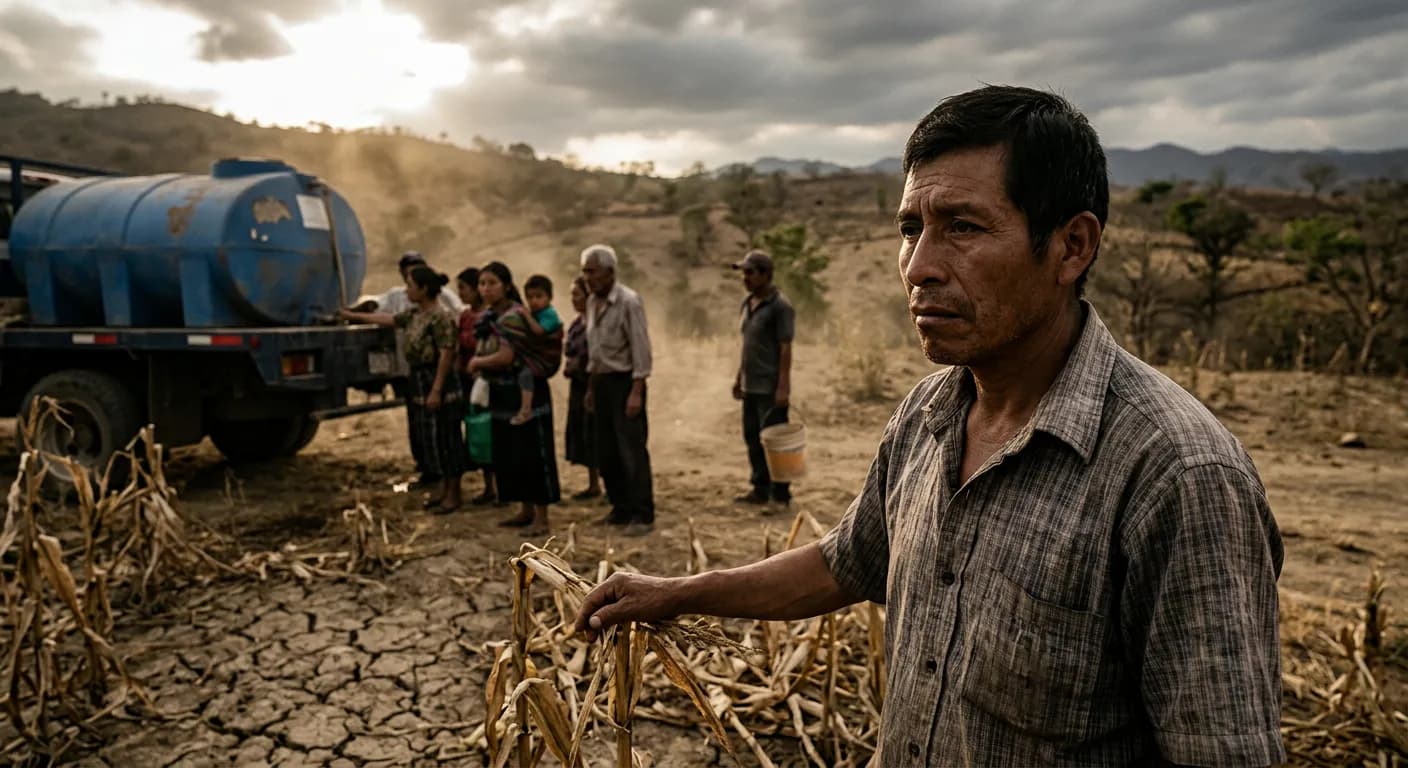
Guatemala: El Niño 2026–27 becomes regional security test
UNICEF: 25.8M children face El Niño risks in Latin America; Guatemala maps 188 municipalities for drought and food insecurity amid regional security test.

Economics
Fed's stress-test overhaul is a capital-smoothing exercise
Federal Reserve finalized stress-test overhaul: two-year averaging for bank capital buffers and public input, expected to halve volatility.