Trump's DNI Choice Sparks GOP Revolt Over Spy Powers
The appointment of housing regulator Bill Pulte as acting national intelligence chief has unified Senate opposition, imperiling FISA Section 702.
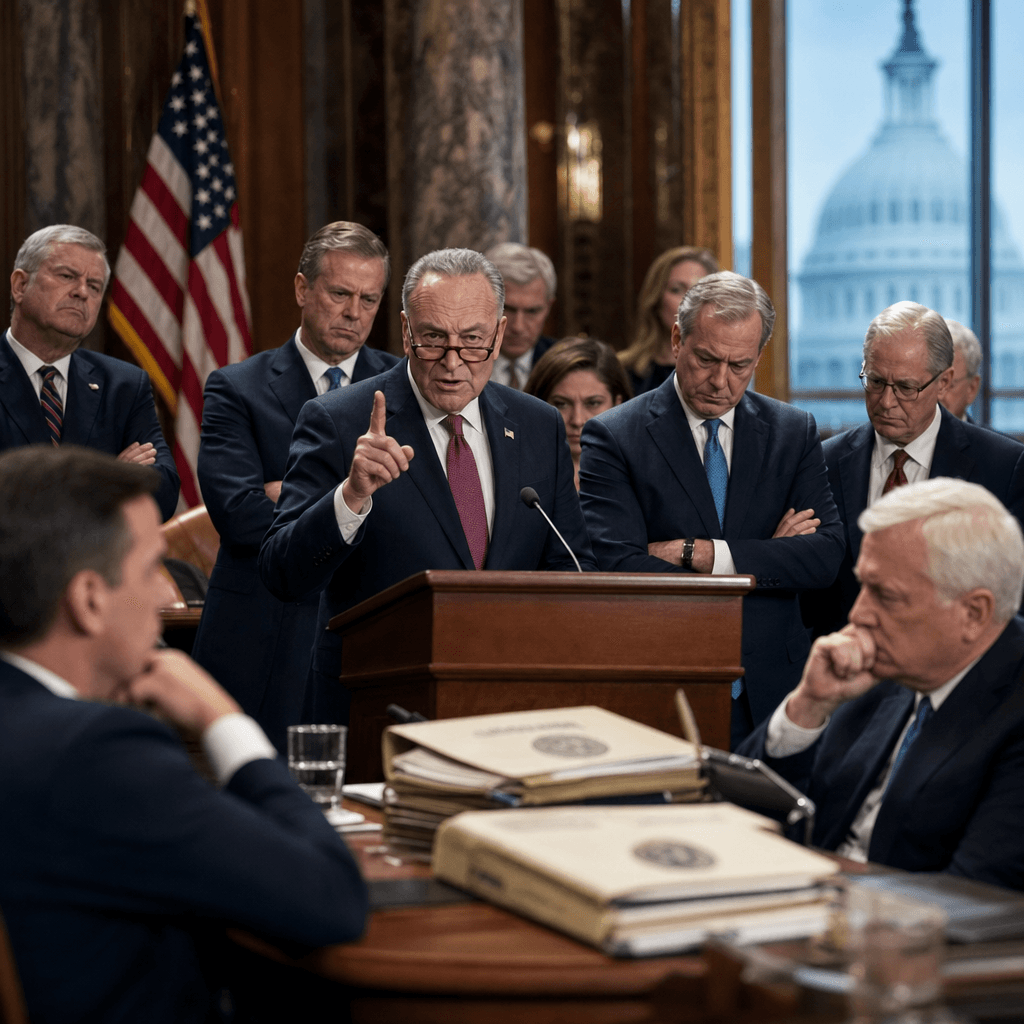
President Donald Trump’s surprise appointment of federal housing regulator Bill Pulte as acting Director of National Intelligence (DNI) has triggered a major political crisis. As reported by  Axios, opposition to the controversial choice has quickly united Senate Democrats and key Republicans, directly threatening to block the renewal of the nation's warrantless surveillance program. Senate Majority Leader John Thune has signaled he will not protect the pick, marking a rare open break between the Senate GOP and the White House.
Institutional Leverage and the "Weaponization" Fear
Pulte, a 38-year-old former private equity financier, has zero national security experience and has spent his brief tenure at the Federal Housing Finance Agency (FHFA) executing Trump’s domestic political agenda. According to the  BBC, Pulte used his housing post to launch criminal referrals for mortgage fraud against high-profile political adversaries, including Senator Adam Schiff, New York Attorney General Letitia James, and Federal Reserve Governor Lisa Cook. This record of aggressively wielding administrative machinery has convinced critics that Trump intends to use Pulte to politicize the intelligence community.
In response, key Republican senators on the Senate Intelligence Committee have openly doubted Pulte's credentials. Outlets like  Al Jazeera report that retiring GOP senators, including John Cornyn of Texas and Thom Tillis of North Carolina, have questioned Pulte's legal fit for a post that legally requires extensive national security experience.
FISA Reauthorization as Political Hostage
The political firestorm has directly imperiled the reauthorization of Section 702 of the Foreign Intelligence Surveillance Act (FISA), a critical tool used to intercept the communications of foreign nationals. According to  NPR, Congress has recently kept the foreign surveillance program alive only through high-stakes stopgap measures due to bipartisan disputes over warrant requirements. Now, Senate Democrats have found sudden, enormous leverage: they are threatening to let the critical spy authority lapse entirely next week unless Trump rescinds the Pulte appointment. By tying the spy chief’s fate to the survival of the country’s premier foreign intelligence tool, Democrats have trapped the administration between its loyalty to Pulte and its immediate national security objectives.
This is the second major pullback forced upon the president within a single week. Just days prior, intense resistance from congressional Republicans forced the Justice Department to abandon a proposed $1.8 billion "anti-weaponization" fund meant to compensate Trump associates, as detailed by the BBC. Taken together, these back-to-back revolts indicate that Senate Republicans are establishing boundaries on executive authority in the  United States during Trump's second term, refusing to approve appointments or funding mechanisms that they believe compromise their own institutional leverage.
What to Watch Next
The immediate next decision point is the upcoming FISA Section 702 expiration deadline. Watch whether Trump calls the Senate's bluff by letting the intelligence-gathering powers lapse, or if the administration quietly offers a replacement for Pulte to protect the spy program. If Thune and the Senate Intelligence Committee refuse to fast-track Pulte’s formal nomination for a permanent role, Trump's US Politics agenda faces a clear roadblock: either let Pulte’s 210-day acting term lapse by early 2027, or retreat to preserve critical defense tools.