GOP Defections Threaten Trump's Iran Strategy
Republican anxiety grows over military action against Iran.
Model Diplomat2 min readNorth America
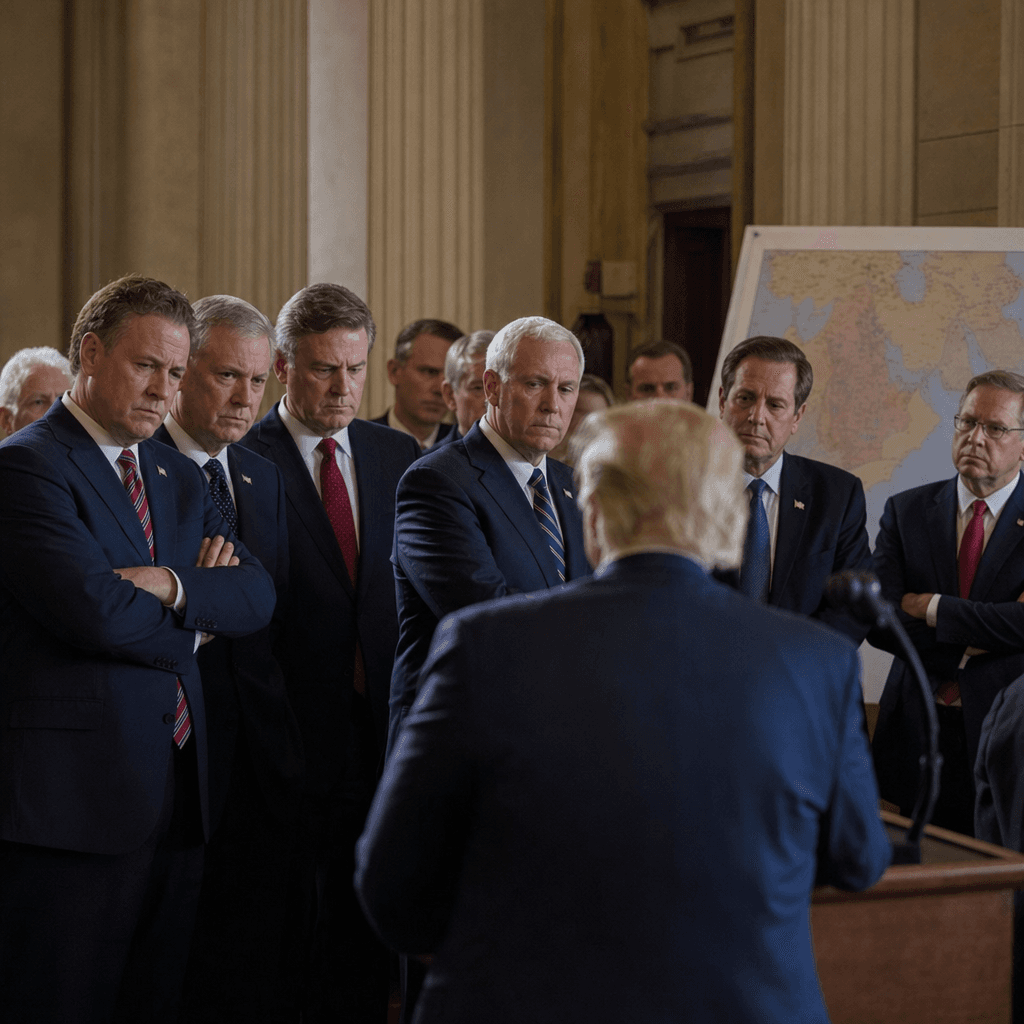
Congressional Cracks: GOP Defections Threaten Trump's Iran War Strategy
A razor-thin House vote to curb presidential war powers reveals rising Republican anxiety over an unpopular conflict ahead of the 2026 midterm elections.
On June 3, 2026, the United States House of Representatives passed a war powers resolution 215-208 to limit President Donald Trump’s ability to direct military action against Iran without congressional authorization. As reported by
The Wall Street Journal, four House Republicans crossed party lines to join Democrats in delivering a direct legislative rebuke to the commander-in-chief. This defiance highlights an eroding consensus on foreign intervention within a GOP grappling with the geopolitical and economic fallout of a three-month-old conflict.
The Fracture in the Coalition
The House vote was not an isolated incident but part of a wider legislative rebellion. It followed a similar move in the Senate where three Republican senators—Rand Paul of Kentucky, Lisa Murkowski of Alaska, and Susan Collins of Maine—voted with Democrats to attempt to curb the President's war powers, as detailed by Al Jazeera.
The House defectors represent distinct factions of the party, ranging from libertarian non-interventionists like Representative Warren Davidson of Ohio to swing-district moderates, according to The New York Times. By forcing the President to seek explicit congressional approval rather than relying on unilateral executive action, these lawmakers are attempting to reclaim Article I authority. House Republican leadership had previously delayed the vote in late May because they realized they lacked the numbers to defeat it—proving that party discipline is fracturing under the weight of the war's persistence.
The Midterm Math
This legislative friction mirrors a deeper political crisis for the administration as the International community watches the fallout of the U.S. naval blockade and Iran's retaliatory closure of the strategic Strait of Hormuz. Public discontent is rising alongside fuel prices, creating acute domestic political vulnerabilities.
According to The Guardian, rank-and-file Republicans are increasingly terrified that voters will punish the party in the upcoming November 2026 midterm elections due to spiking energy costs and fears of a ground invasion.
The administration has quickly moved to suppress dissent. Trump previously backed a successful primary challenger against prominent anti-war critic Representative Thomas Massie of Kentucky to enforce party loyalty. Yet, the heavy-handed response has failed to deter a small but pivotal group of lawmakers from signaling to their constituents that they are willing to buck the party line to prevent further military escalation.
What to Watch Next
While the resolution faces a guaranteed presidential veto that Congress lacks the two-thirds majority to override, the vote marks a strategic shift. The next critical decision point will occur when the administration is forced to request additional emergency funding to sustain the naval blockade in the Persian Gulf. Watch whether these same Republican defectors hold the line on the defense appropriations committees, where they wield direct leverage over the administration's checkbook.
Discover more
Global Politics
Trump's Conflicting Messages on Iran War
Trump's mixed messages on Iran reflect a strategy of audience management, benefiting Tehran amid a complex geopolitical landscape.

Conflict & Security
Drone Warfare Killing Aid Workers at Unprec
Over 1,000 humanitarian workers killed in three years as cheap armed drones collapse legal protections. Gaza, Sudan, Ukraine, and DRC see deliberate targeting of aid convoys and hospitals with zero prosecutions.
Global
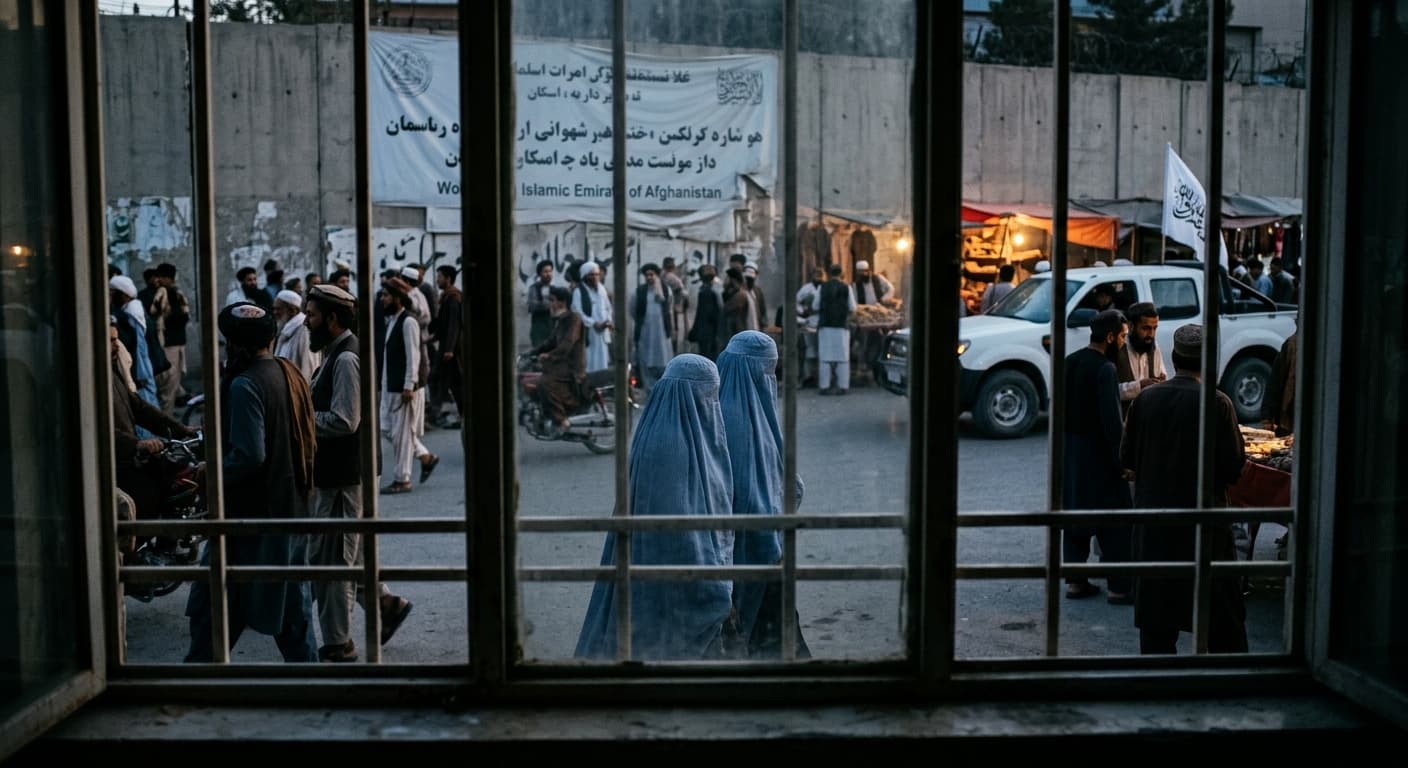
World Normalises Taliban as Afghan Women Eras
UN data shows Afghan women erased from public life as Russia recognises the Taliban, EU hosts officials in Brussels, and ICC warrants for gender persecution go unenforced.
Conflict & Security
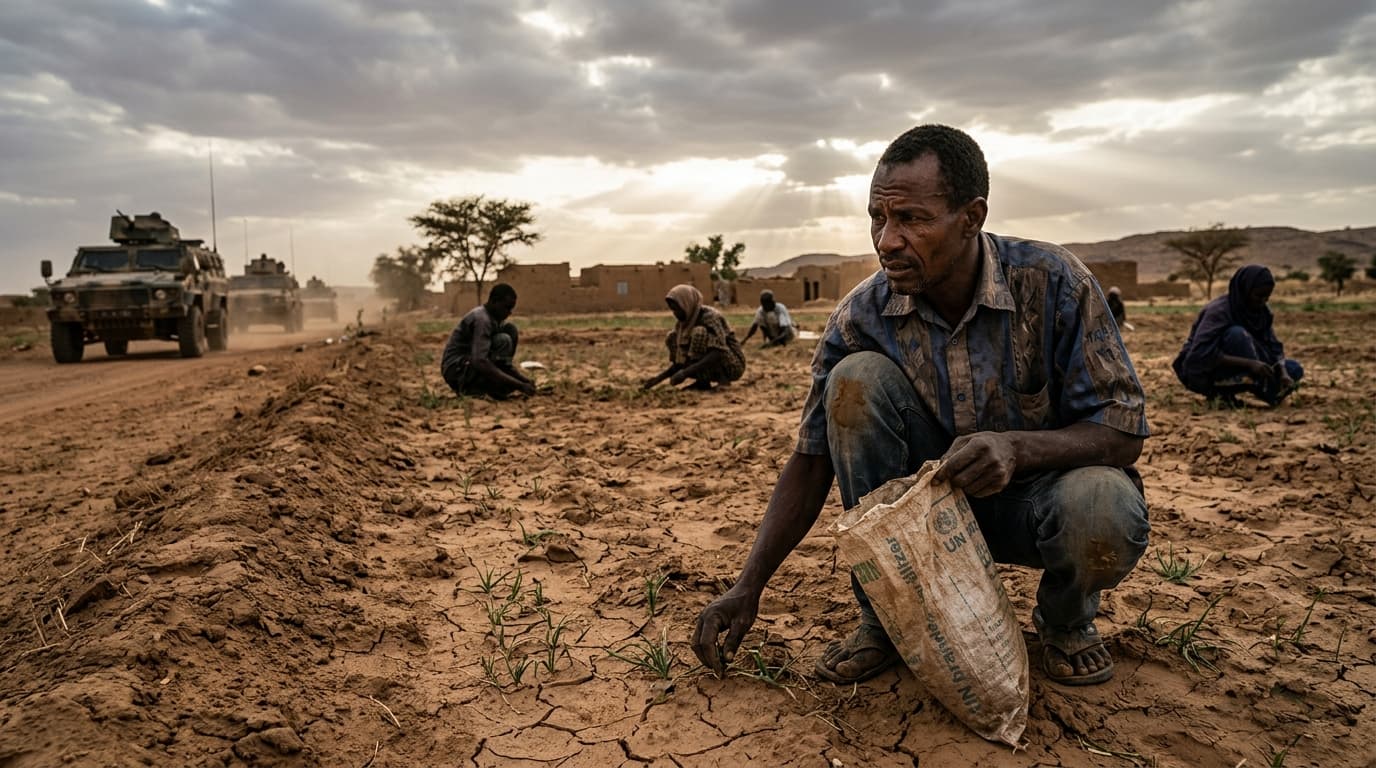
West Africa Food Crisis: Three Shocks in 2026
Conflict, climate extremes, and the Strait of Hormuz closure drive a severe food crisis in West and Central Africa, with fertilizer prices surging 80% and millions displaced.