Tunisia’s Crackdown Deepens: Protests Surge
Mass protests in Tunis demand press freedom and political prisoner release.
Model Diplomat2 min readNorth Africa
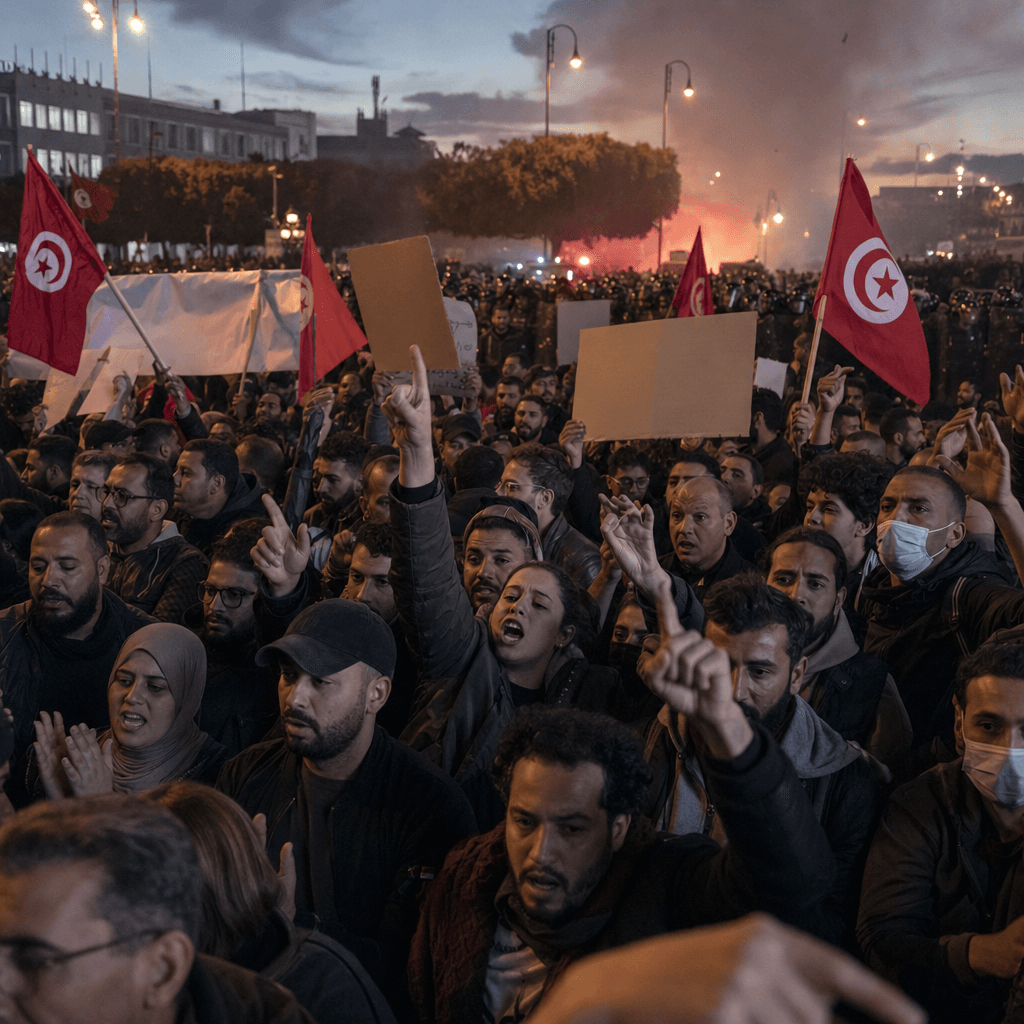
Tunisia’s Crackdown Deepens: Why Street Protests Are Surging
President Kais Saied's escalating campaign against journalists and politicians trigger mass protests in Tunis as economic pressures continue to rise.
On June 6, 2026, hundreds of demonstrators marched through the capital of Tunis to demand press freedom and the immediate release of political prisoners, Al Jazeera reported. The mobilizations mark a direct challenge to President Kais Saied's executive overreach as his government shuts down opposition voices. While Saied continues to claim his policies target institutional corruption and secure public order, the escalating protests reflect a growing union between political opposition and civil society to resist what they describe as a slide into authoritarianism.
The Mechanics of Consolidation
The immediate trigger for the street action is a series of harsh judicial maneuvers targeting Saied’s most prominent critics. Just days prior, on June 2, a Tunisian court sentenced Ennahdha party leader Rached Ghannouchi and other opposition figures to life imprisonment on terrorism-related charges, according to Al Jazeera. Parallel to dismantling political opposition networks, Saied has targeted independent media using Decree 54, a controversial 2022 cybersecurity law. Prominent critic and lawyer Sonia Dahmani was recently handed a two-year prison sentence for criticizing conditions in Tunisian prisons, while journalists Mourad Zeghidi and Borhen Bsaies have faced repeated prosecution, as reported by
Africanews. Through these measures, the presidency has neutralized domestic checks and balances, leaving civil society as the final avenue of active resistance.
Economic Pain Meets Civic Resistance
The political crackdown is occurring against the backdrop of a severe economic crisis that threatens to undermine Saied's popular support, a key focus within Global Politics. Tunisia is grappling with systemic inflation, soaring public debt, and massive youth unemployment. Historically, Tunisian regimes have traded political passivity for relative economic security, but Saied can no longer deliver on those material terms. Observers tracking
International security dynamics note that as economic suffering deepens, the traditional base that supported Saied's initial 2021 power grab is fracturing. For ordinary Tunisians, the combination of empty shelves and silenced newsrooms is a volatile mix, leaving economic exhaustion and political frustration to fuel the protests.
What to Watch Next
The key variable to monitor is whether Tunisia’s highly fragmented secular and Islamist opposition groups can sustain a unified front. Historically, deep-seated divisions between Islamist groups like Ennahdha and secular left-wing parties prevented the formation of a cohesive opposition, but the shared experience of prison cells and judicial exile is forcing coordination. Saied's administration will likely attempt to use further Decree 54 arrests to decapitate any newly formed coalitions. If the security apparatus remains loyal and western financial backers—particularly European governments concerned primarily with limiting migration from Tunisian shores—continue to prioritize border enforcement over democratic norms, the presidency will retain its tight grip despite the unrest.
Discover more

Global Politics
US Seizes Iranian Ship, Tensions Surge
The US seizure of the Iranian ship Touska highlights a shift in control over the Strait of Hormuz, favoring Iran's strategic position.
India
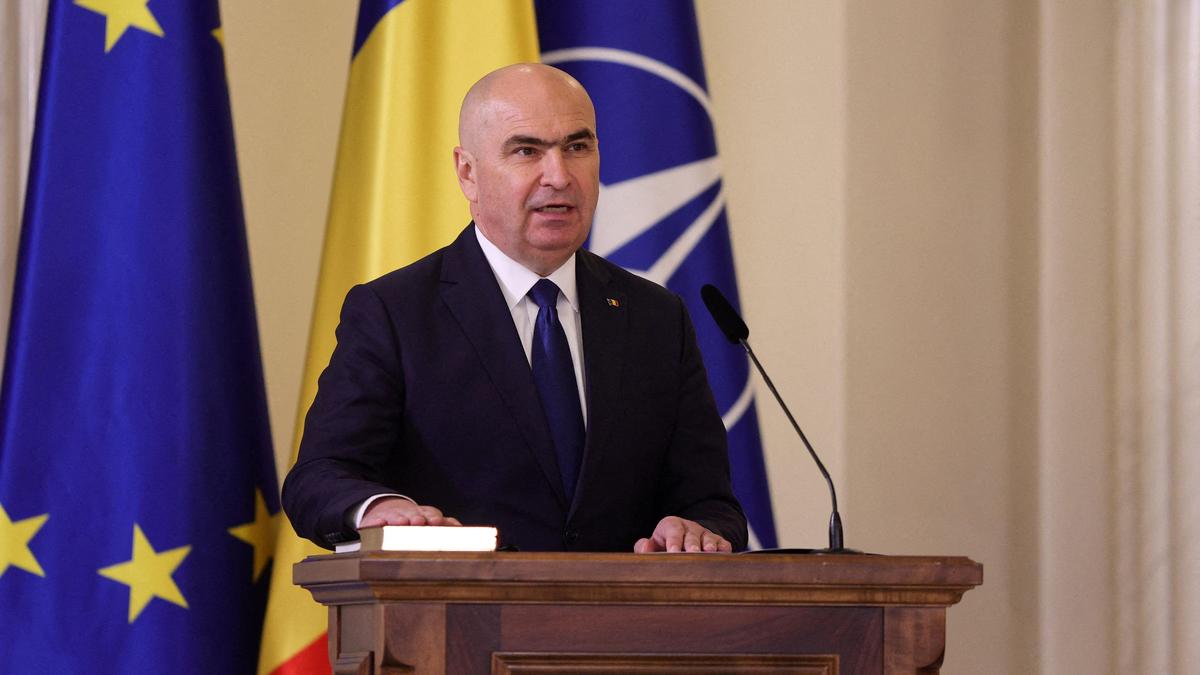
Romanian Coalition Party Demands PM Resign
Romania's Social Democrats withdrew from coalition, joining far-right AUR to topple PM Bolojan, risking €10 billion in EU funds by August 2026.

Economics
Fed's Amex AML order puts correspondent banking on notice
Federal Reserve's Amex AML order requires board-level controls and a 90-day plan; OCC fined the bank $350 million over enterprise-wide deficiencies.
Conflict & Security
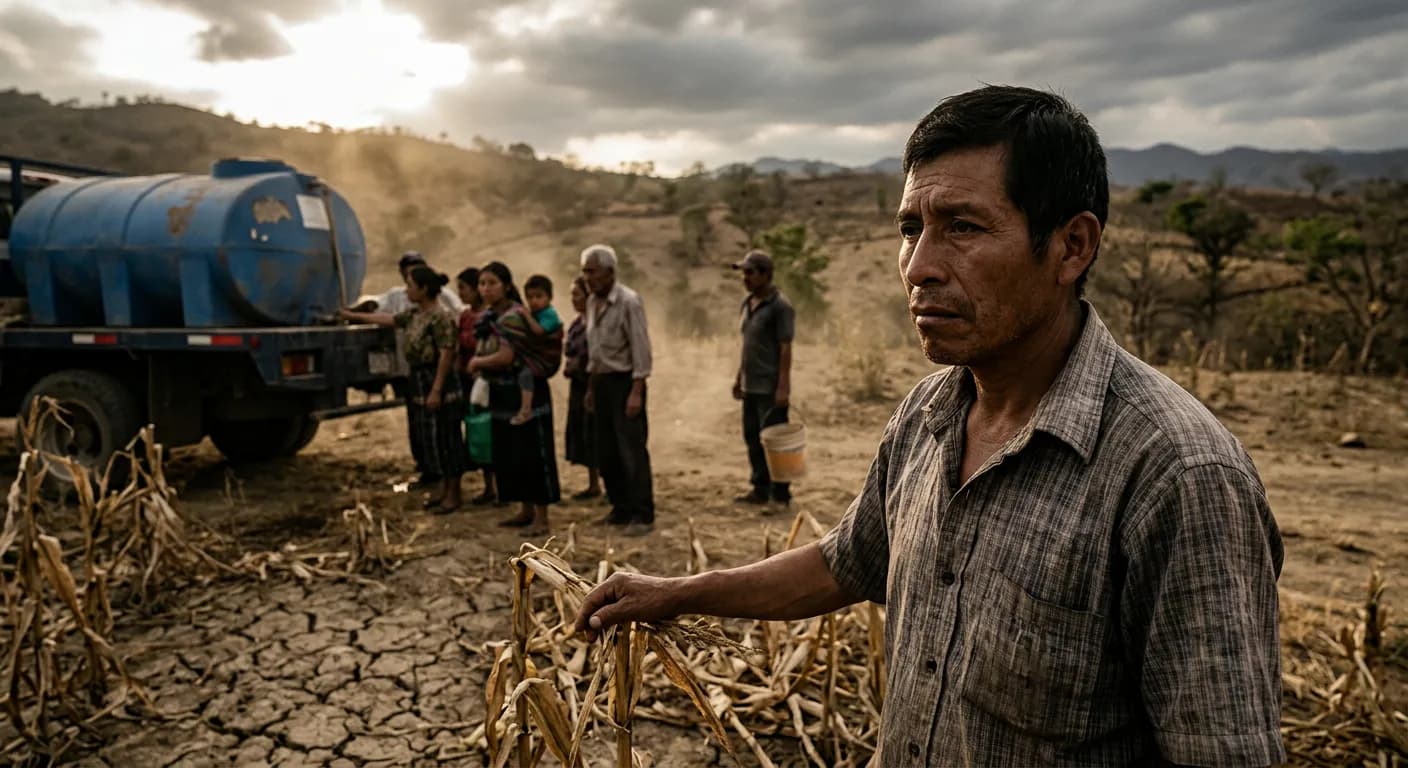
Guatemala: El Niño 2026–27 becomes regional security test
UNICEF: 25.8M children face El Niño risks in Latin America; Guatemala maps 188 municipalities for drought and food insecurity amid regional security test.